Dry Eye Disease: Burning, Gritty Eyes, and Treatment Options

Dry eye disease may cause burning, stinging, gritty sensation, blurred vision, light sensitivity or watery eyes. Common contributors include aging, screen use, hormonal changes, medications, eyelid inflammation and dry environments.
Key Takeaways
- Dry eye disease may cause burning, stinging, gritty sensation, blurred vision, light sensitivity or watery eyes.
- Common contributors include aging, screen use, hormonal changes, medications, eyelid inflammation and dry environments.
- Diagnosis usually involves an eye examination, tear film assessment and evaluation of the eyelids and ocular surface.
- Treatment may include artificial tears, lid hygiene, prescription eye drops, tear conservation procedures or therapy for meibomian gland dysfunction.
- Persistent symptoms, pain, vision changes or redness should be assessed by an ophthalmologist or qualified eye-care professional.
Dry eye disease is a common eye surface condition that occurs when tears do not provide enough lubrication or protection. It can often be managed effectively with the right diagnosis, daily eye-care habits and targeted treatments.
Overview
Dry eye disease is a disorder of the tear film and the surface of the eye. Tears are not only water; they contain an organized mix of oil, watery fluid and mucus that keeps the eye smooth, comfortable and protected. When tear quantity is too low, tear quality is poor, or the tears evaporate too quickly, the eye surface can become irritated and inflamed.
Many people describe dry eye as burning, scratchy, sandy or gritty eyes. Some are surprised that dry eye can also cause watery eyes. This happens because irritation may trigger reflex tearing, but these tears are often not stable enough to protect the eye for long.
Dry eye disease can be mild and occasional, or it can become chronic and interfere with reading, computer work, driving, wearing contact lenses and daily comfort. The condition is usually manageable, but treatment works best when the underlying cause is identified. A personalized approach is important because dry eye may be related to tear production, tear evaporation, eyelid function, inflammation, or a combination of these factors.
Symptoms of Dry Eye Disease
Symptoms can vary from person to person and may fluctuate during the day. Many people feel worse in the evening, after long periods of screen use, in air-conditioned rooms, during flights, or in windy and smoky environments. Symptoms may affect one or both eyes, although dry eye disease commonly involves both.
Common symptoms include:
- Burning, stinging or scratchy eyes
- A gritty or foreign-body sensation, as if sand is in the eye
- Redness or irritation
- Watery eyes, especially in response to wind or reading
- Blurred or fluctuating vision that improves with blinking
- Eye fatigue, heaviness or discomfort after visual tasks
- Stringy mucus around the eyes
- Light sensitivity
- Discomfort with contact lenses
Symptoms do not always match the severity of findings on examination. Some people have significant irritation with only mild visible changes, while others have reduced corneal sensation and may not feel symptoms despite surface damage. For this reason, persistent discomfort or vision changes should be evaluated rather than self-diagnosed.
Causes and Risk Factors

Dry eye disease is often grouped into two main types: reduced tear production and increased tear evaporation. Reduced tear production means the lacrimal glands do not produce enough watery tears. Increased evaporation is commonly linked to meibomian gland dysfunction, where the oil-producing glands in the eyelids do not release enough healthy oil to slow tear evaporation.
Several factors can contribute to dry eye disease. Aging is a common risk factor, and hormonal changes, including those around menopause, can affect tear production and stability. Long hours of screen use may worsen symptoms because people blink less often and less completely when concentrating on digital devices.
Other contributors include eyelid inflammation such as blepharitis, rosacea, allergies, contact lens wear, previous eye surgery, certain autoimmune diseases, and environmental exposure to wind, low humidity, smoke or air conditioning. Some medicines may also worsen dryness, including certain antihistamines, antidepressants, acne medications, diuretics and blood pressure medicines. Patients should not stop prescribed medicines without speaking to their doctor, but they should mention dry eye symptoms during medical visits.
General health conditions can also play a role. Sjögren’s disease, rheumatoid arthritis, thyroid eye disease, diabetes and vitamin A deficiency may be associated with ocular surface dryness. Identifying these links can help guide treatment and, when needed, prompt referral to the appropriate specialist.
Diagnosis
Diagnosis begins with a detailed history. The eye-care professional may ask when symptoms occur, whether vision fluctuates, how much time the person spends on screens, whether they wear contact lenses, which medicines they use and whether they have autoimmune or skin conditions. A symptom questionnaire may be used to understand how dry eye affects daily life.
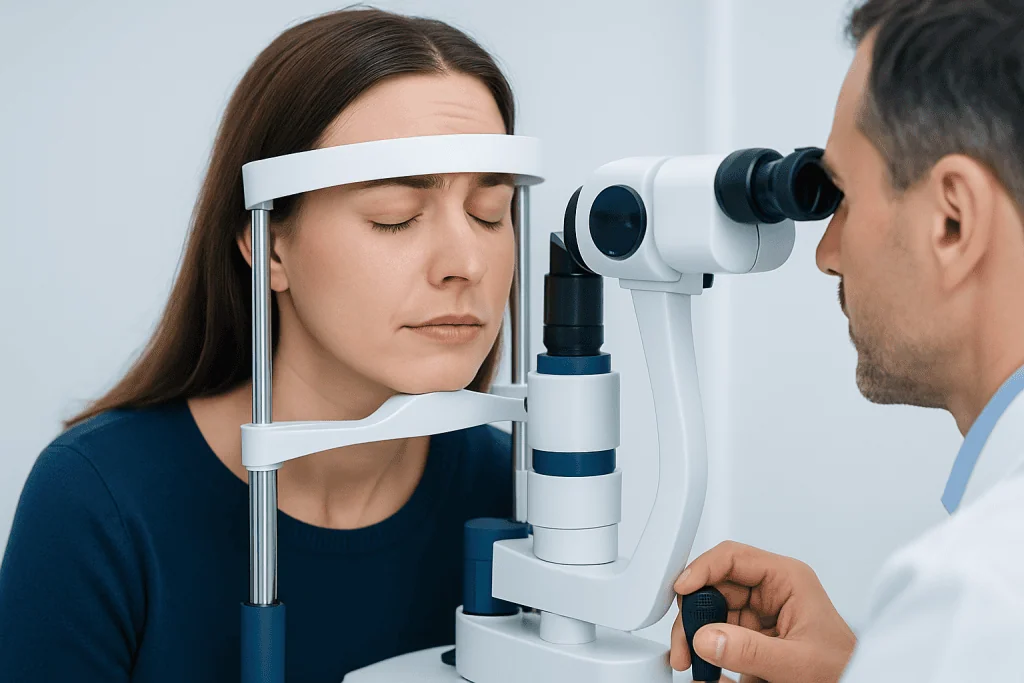
An eye examination typically includes evaluation of the eyelids, eyelashes, blink pattern, tear film and ocular surface. The ophthalmologist or optometrist may use a slit lamp microscope and special dyes to see whether the cornea and conjunctiva show signs of dryness or irritation. These dyes are generally safe and help reveal areas where the eye surface is not well protected.
Additional tests may measure tear volume, tear break-up time and tear film stability. The clinician may also assess the meibomian glands by examining the eyelid margins and the quality of oil secretions. In selected cases, imaging of the glands, inflammation testing, tear osmolarity testing or blood tests for systemic conditions may be considered.
Because dry eye symptoms can overlap with allergy, infection, eyelid disorders, corneal disease and medication effects, a proper examination is important. Accurate diagnosis helps prevent unnecessary treatments and supports a plan that targets the main cause of discomfort.
Treatment Options
Treatment depends on the type and severity of dry eye disease. For mild symptoms, the first step is often regular use of lubricating eye drops, commonly called artificial tears. Preservative-free drops may be preferred when frequent use is needed or when the eyes are sensitive. Lubricating gels or ointments may be useful at night, but they can temporarily blur vision.
When eyelid inflammation or meibomian gland dysfunction is present, treatment may focus on improving oil flow and eyelid health. Warm compresses, gentle lid cleansing and blink exercises may be recommended. In some cases, a doctor may suggest in-office eyelid treatments, gland expression, thermal pulsation, intense pulsed light therapy or other procedures aimed at improving gland function.
If inflammation is a significant driver, prescription eye drops may be used. These can include anti-inflammatory medicines, immunomodulating drops or short courses of other medications under medical supervision. Antibiotic or anti-inflammatory treatment may also be used for blepharitis, rosacea-related eye disease or specific eyelid conditions. The choice of medication should be individualized, and patients should follow the eye specialist’s instructions carefully.
For some patients, tear conservation can help. Punctal plugs are tiny devices placed in the tear drainage openings to keep natural tears on the eye longer. Scleral contact lenses may help selected patients with more advanced ocular surface disease by creating a fluid reservoir over the cornea. Severe cases related to systemic disease may require coordinated care between ophthalmology, rheumatology, dermatology or other specialties.
Prevention and Self-Care
Daily habits can reduce dry eye triggers and support treatment. During screen use, people can consciously blink more often and take regular visual breaks. A simple approach is to look away from the screen periodically, blink fully several times and relax the eyes. Placing screens slightly below eye level may also reduce the exposed eye surface and help tears last longer.
Environmental changes may help. Avoiding direct air from fans, heaters and air conditioners can reduce evaporation. Using a humidifier in dry indoor spaces, wearing wraparound glasses outdoors and staying away from smoke may improve comfort. During flights or long car journeys, lubricating drops may be useful if recommended by an eye-care professional.
Good eyelid hygiene is especially important for people with blepharitis or meibomian gland dysfunction. Warm compresses should be comfortably warm, not hot, and eyelid cleansing should be gentle. Contact lens users should follow lens hygiene instructions carefully and should not continue wearing lenses if they cause pain, redness or blurred vision.
Nutrition and hydration support general health, but dry eye is not always solved by drinking more water. Some patients ask about omega-3 supplements; evidence is mixed, and they may not be suitable for everyone, especially those taking blood thinners or preparing for surgery. It is best to discuss supplements with a doctor, particularly for patients with chronic disease or regular medication use.
When to See a Doctor
A qualified eye-care professional should evaluate dry eye symptoms that are persistent, recurrent or interfering with daily activities. Medical assessment is especially important if symptoms include eye pain, significant redness, discharge, sudden vision changes, light sensitivity, injury, or the feeling that something is stuck in the eye. These signs can have causes other than dry eye and may need prompt care.
People with autoimmune disease, diabetes, thyroid disease, previous eye surgery, contact lens intolerance, or long-term medication use should also mention eye dryness to their doctor. Early treatment can help protect the ocular surface and reduce the chance of symptoms becoming chronic or harder to manage.
Patients who have already tried over-the-counter drops without improvement should seek evaluation rather than continuing to switch products. The issue may be eyelid-related, inflammatory, allergic, medication-related or associated with another medical condition. A more targeted plan often brings better comfort than lubrication alone.
Acibadem International’s multidisciplinary specialists and JCI-accredited hospitals diagnose and treat dry eye disease for international patients, including cases related to ocular surface disorders, eyelid disease and systemic conditions. Patients should consult an ophthalmologist or qualified eye-care professional for recommendations tailored to their eyes and overall health.
Frequently asked questions
Can dry eye disease cause watery eyes?
Yes. Irritation from dry eye can trigger reflex tearing, so the eyes may water even though the tear film is not stable. These reflex tears often lack the balanced oil and mucus components needed for lasting comfort.
Are artificial tears safe to use every day?
Artificial tears are commonly used for dry eye relief and are generally safe when used as directed. Preservative-free drops may be preferred if they are needed many times per day or if the eyes are sensitive. Persistent symptoms should still be assessed by an eye-care professional.
Why do screens make dry eyes worse?
People tend to blink less often and less completely while using computers, phones or tablets. Reduced blinking allows tears to evaporate more quickly, which can increase burning, grittiness and blurred vision. Regular breaks and conscious blinking can help.
Is dry eye disease permanent?
Dry eye disease can be short-term in some situations, such as after environmental exposure or temporary medication use. For many people, it is a chronic condition that improves with ongoing management. The goal is to control symptoms, protect the eye surface and address the underlying cause.
Can contact lenses be worn with dry eye disease?
Some people with mild dry eye can wear contact lenses comfortably with proper lens choice and eye-care guidance. Others may need treatment first, shorter wearing times or a different lens type. Contact lenses should be removed and medical advice sought if they cause pain, redness or vision changes.
When is dry eye a sign of another health problem?
Dry eye may be associated with autoimmune diseases, thyroid disease, skin conditions such as rosacea, diabetes or certain medications. Dry mouth, joint pain, swelling, rashes or unexplained fatigue should be discussed with a doctor. Coordinated medical care can be important when dry eye is part of a broader condition.
This article is for general information only and is not a substitute for professional medical advice. Please consult a qualified doctor about your individual situation.
Explore treatments in Turkey — costs, top hospitals & a free quote
JCI-accredited · board-certified surgeons · reply within 24h
Add us as a Preferred Source to see more of our trusted health content across Google Search, AI Overviews and Discover.
Check your numbers in seconds
BMI, calories, due date, blood pressure and 30+ more clinical calculators — free, instant, doctor-reviewed ranges.

Related Treatments
More from the Health Library

LASIK Eye Surgery: Eligibility, Benefits, and Recovery

LASIK Success Rate: How Effective Is the Procedure?

Are You Awake During LASIK? What Happens in Surgery

Glaucoma Surgery: What It Does and When It Is Recommended

Toddler Tear Duct Surgery: When Is Probing Recommended?