Early Symptoms of Neurodegenerative Disorders: Warning Signs Not to Ignore

Neurodegenerative disorders often begin with mild, gradual changes rather than sudden severe symptoms. Early warning signs may affect memory, movement, balance, speech, mood, sleep, or the ability to perform familiar tasks.
Key Takeaways
- Neurodegenerative disorders often begin with mild, gradual changes rather than sudden severe symptoms.
- Early warning signs may affect memory, movement, balance, speech, mood, sleep, or the ability to perform familiar tasks.
- Many symptoms can also have other causes, so a proper medical assessment is important.
- Early diagnosis can support treatment planning, symptom management, safety, and quality of life.
- A neurologist may use history, examination, cognitive testing, imaging, and laboratory tests to investigate symptoms.
Early symptoms of neurodegenerative disorders are often subtle and may develop gradually over time. Recognizing persistent changes in memory, movement, speech, behavior, or daily function can help people seek timely medical evaluation and support.
Overview
Early symptoms of neurodegenerative disorders can be easy to overlook because they often appear slowly and may be mistaken for normal aging, stress, poor sleep, or other common health issues. Neurodegenerative disorders are conditions in which nerve cells in the brain or nervous system gradually become damaged or lost over time. This group includes illnesses such as Alzheimer’s disease, Parkinson’s disease, frontotemporal dementia, Huntington’s disease, amyotrophic lateral sclerosis, and other related conditions.
The first changes are not the same for every person. Some people notice memory lapses or trouble planning tasks, while others develop tremor, stiffness, balance problems, speech changes, or personality changes. In some cases, family members recognize the problem before the person affected does, especially when changes involve judgment, mood, or behavior.
Not every episode of forgetfulness or clumsiness means a serious neurological disease. However, symptoms that persist, gradually worsen, or interfere with work, driving, communication, or independent living deserve medical attention. Identifying the pattern early can help guide further testing and care.
Common Early Warning Signs
The early symptoms of neurodegenerative disorders vary depending on which parts of the brain or nervous system are most affected. Cognitive symptoms may include increasing forgetfulness, repeating questions, misplacing items, difficulty following conversations, trouble finding words, poor concentration, or difficulty managing finances and medications. These changes are more concerning when they are new, progressive, and noticeable in everyday life.
Movement-related symptoms can include tremor, slowed movement, stiffness, changes in handwriting, reduced facial expression, muscle weakness, poor coordination, or problems with balance. Some people begin walking more slowly, shuffling their feet, or experiencing unexplained falls. These features may be seen in conditions affecting movement pathways, including Parkinson's disease.
Behavioral and emotional changes can also be early clues. A person may become unusually apathetic, irritable, anxious, impulsive, or socially withdrawn. Sleep disturbances, vivid dreams, daytime sleepiness, reduced sense of smell, swallowing difficulty, or changes in bladder function may also occur in some neurodegenerative disorders.
- Memory problems that disrupt daily activities
- Difficulty planning, organizing, or problem-solving
- Tremor, stiffness, or slowed movement
- Balance problems or frequent falls
- Speech, swallowing, or voice changes
- Personality, mood, or behavior changes
How Symptoms Differ by Condition

Different neurodegenerative conditions tend to have different early patterns. In Alzheimer’s disease, early symptoms often involve recent memory loss, difficulty learning new information, and confusion with time or place. In contrast, frontotemporal dementia may begin with changes in behavior, judgment, language, or emotional control rather than memory. For some people, the first clues are subtle language difficulties, such as speaking less fluently or having trouble naming familiar objects.
In Parkinson’s disease and related disorders, the earliest signs may include resting tremor, stiffness, slowness, reduced arm swing, softer speech, constipation, or sleep behavior changes. A person may notice that routine tasks such as buttoning clothes, writing, or getting out of a chair take more effort. In some cases, memory and thinking changes can also appear later in the course of movement disorders.
Neuromuscular and motor neuron conditions may begin with muscle weakness, cramping, twitching, difficulty using the hands, slurred speech, or swallowing problems. Huntington’s disease can present with involuntary movements, clumsiness, mood changes, and cognitive decline. Because symptoms overlap across several conditions, a diagnosis should be based on a full neurological evaluation rather than one symptom alone. People who are concerned about memory-related changes may also read about Alzheimer's disease as one possible cause.
Causes and Risk Factors
Neurodegenerative disorders are complex and usually do not have a single cause. Researchers believe they result from a combination of age-related changes, genetics, abnormal protein buildup, inflammation, environmental exposures, and other biological processes. Advancing age is one of the strongest risk factors for many of these conditions, but some forms can begin earlier in adulthood.
Family history may increase risk, especially when a close relative has a known inherited neurological condition. However, many people diagnosed with neurodegenerative disease have no strong family history. Vascular risk factors such as high blood pressure, diabetes, smoking, and high cholesterol may also affect brain health and can worsen cognitive decline in some individuals.
It is also important to remember that symptoms similar to neurodegenerative disease can be caused by other medical issues. Depression, vitamin deficiencies, thyroid disorders, medication side effects, sleep apnea, stroke, infection, dehydration, and alcohol misuse can all affect memory, movement, or behavior. This is one reason why early professional assessment is so valuable.
Diagnosis and Medical Evaluation
When warning signs are present, diagnosis usually begins with a detailed medical history and neurological examination. The doctor may ask about the timing of symptoms, progression over time, medications, sleep, mood, family history, and how daily life has changed. Input from a family member or caregiver can be very helpful, especially if the person affected is unaware of some changes.
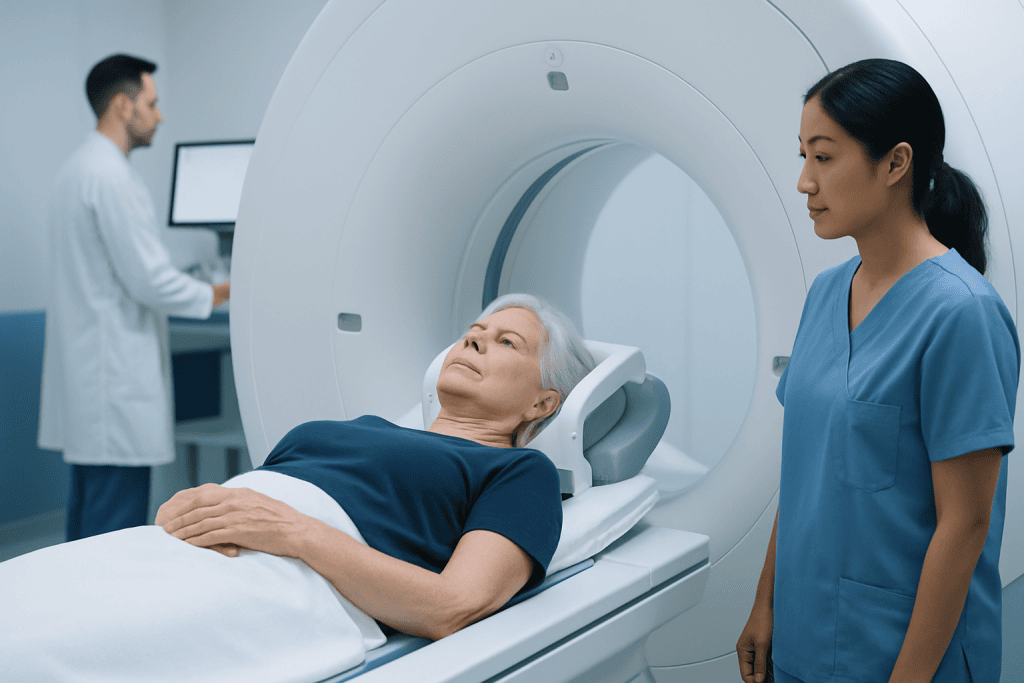
Further assessment may include cognitive screening, more detailed neuropsychological testing, blood tests, and brain imaging such as MRI. In selected cases, specialized imaging or other tests may be used to look for patterns that support a specific diagnosis. These evaluations help distinguish neurodegenerative disease from potentially reversible causes and from other neurological conditions.
The purpose of testing is not only to name the condition but also to understand what functions are affected and how best to support the person. Depending on symptoms, clinicians may recommend MRI scanning to evaluate the brain or neurological rehabilitation to address movement, balance, speech, or functional difficulties. If memory and thinking changes are prominent, referral for neuropsychological testing may also help clarify the pattern of impairment.
Treatment Options and Ongoing Care
There is not one single treatment that cures all neurodegenerative disorders, but many people benefit from a personalized care plan. Treatment may aim to reduce symptoms, slow functional decline in certain conditions, support safety, and improve quality of life. The right approach depends on the diagnosis, the stage of disease, and the person’s goals and daily needs.
Management may include medications for memory, tremor, stiffness, mood symptoms, sleep problems, or behavior changes when appropriate. Rehabilitation can play an important role. Physical therapy may help with balance, walking, and strength; occupational therapy may support independence in daily tasks; and speech and language therapy may help with communication or swallowing issues. Some patients may also benefit from deep brain stimulation when movement symptoms are related to specific disorders and meet specialist criteria.
Good ongoing care often involves a multidisciplinary team that may include neurologists, geriatric specialists, rehabilitation professionals, psychologists, dietitians, and social workers. Near the end of the evaluation and treatment journey, some international patients choose centers such as Acibadem International, where multidisciplinary specialists in JCI-accredited hospitals diagnose and treat neurodegenerative conditions with coordinated care planning.
Prevention, Self-Care, and Daily Support
Not all neurodegenerative disorders can be prevented, but healthy lifestyle habits may support brain and overall nervous system health. Regular physical activity, a balanced diet, good sleep, social engagement, stress management, and control of blood pressure, blood sugar, and cholesterol are sensible steps for many people. Avoiding smoking and limiting alcohol can also support long-term brain health.
For people already experiencing early symptoms, practical self-care can make daily life safer and more manageable. Keeping a symptom diary, using calendars and medication reminders, simplifying home routines, improving lighting, removing trip hazards, and planning regular follow-up visits may all help. Family members should be encouraged to offer support while respecting independence as much as possible.
Emotional support matters as well. A new neurological diagnosis or even the possibility of one can feel overwhelming. Counseling, patient education, support groups, and caregiver guidance can reduce uncertainty and help people make informed decisions about work, driving, finances, and future care preferences.
When to See a Doctor
A doctor should be consulted if memory problems, movement difficulties, speech changes, behavior changes, or loss of daily function persist for weeks or months, especially if symptoms are gradually worsening. It is also wise to seek medical advice if family members notice significant changes that the person affected may not recognize. Early evaluation can help identify treatable causes and support timely planning.
Urgent medical attention is needed if symptoms appear suddenly rather than gradually, such as sudden weakness, facial drooping, new confusion, severe trouble speaking, abrupt vision loss, or sudden inability to walk. These symptoms may suggest stroke or another emergency rather than a neurodegenerative disorder. Rapid assessment is important in these situations.
Even when symptoms are mild, a professional assessment can provide reassurance, identify reversible problems, or establish a useful baseline for future comparison. The goal is not to create alarm, but to take persistent neurological changes seriously and respond in a timely, informed way.
Frequently asked questions
Are early symptoms of neurodegenerative disorders always obvious?
No. Early symptoms are often subtle and may develop gradually over months or years. They can look like ordinary forgetfulness, stress, mood changes, poor sleep, or mild balance problems at first.
Can memory loss be caused by something other than a neurodegenerative disease?
Yes. Memory and concentration problems can also be linked to depression, anxiety, sleep disorders, thyroid problems, vitamin deficiencies, medications, or other medical conditions. That is why a proper medical evaluation is important before assuming a degenerative cause.
What is the difference between normal aging and a warning sign?
Normal aging may involve occasional forgetfulness, such as misplacing items or taking longer to recall a name. Warning signs are usually more persistent, progressive, and disruptive to daily life, such as repeating questions, getting lost in familiar places, or struggling with familiar tasks.
Who should be evaluated first for these symptoms?
A primary care doctor can be a helpful first step, especially to review medications and check for common reversible causes. Many people are then referred to a neurologist, geriatric specialist, or memory clinic for more detailed assessment.
Do movement symptoms always mean Parkinson's disease?
No. Tremor, stiffness, slowed movement, or balance problems can have several causes, including medication effects, essential tremor, stroke, neuropathy, inner ear disorders, or other neurological conditions. A neurological examination helps determine the most likely cause.
Why does early diagnosis matter if some conditions cannot be cured?
Early diagnosis can still be very valuable. It may allow treatment of symptoms, identification of reversible problems, planning for safety and daily support, and earlier access to rehabilitation, counseling, and caregiver resources.
References
- World Health Organization
- National Institute on Aging
- National Institute of Neurological Disorders and Stroke
- Alzheimer's Association
- Parkinson's Foundation
This article is for general information only and is not a substitute for professional medical advice. Please consult a qualified doctor about your individual situation.
Explore treatments in Turkey — costs, top hospitals & a free quote
JCI-accredited · board-certified surgeons · reply within 24h
Add us as a Preferred Source to see more of our trusted health content across Google Search, AI Overviews and Discover.