Entropion Surgery: Procedure, Recovery and Results

Entropion surgery is designed to reposition an inward-turning eyelid and protect the cornea from lash-related irritation. The procedure is commonly performed with local anesthesia, sometimes with sedation, and patients usually return home the same day.
Key Takeaways
- Entropion surgery is designed to reposition an inward-turning eyelid and protect the cornea from lash-related irritation.
- The procedure is commonly performed with local anesthesia, sometimes with sedation, and patients usually return home the same day.
- Swelling, bruising, tearing and mild discomfort are common early after surgery and usually improve steadily.
- Most routine activities can gradually resume within days to weeks, while final healing and eyelid position may take several weeks.
- Prompt assessment is important if eye pain, worsening redness, reduced vision or discharge develops.
Entropion surgery corrects an eyelid that turns inward, allowing the lashes to stop rubbing against the surface of the eye. It is usually an outpatient procedure, and most people experience improving comfort and healing over the first few weeks, although complete settling can take longer.
Entropion Surgery: What It Is and How It Helps
Entropion surgery is an operation that corrects an eyelid that rolls inward toward the eye. When this happens, eyelashes and skin can rub against the cornea, the clear front surface of the eye. This may cause watering, redness, a gritty feeling, light sensitivity and blurred vision. Surgery aims to restore the eyelid’s normal outward position and reduce ongoing damage to the eye surface.
Entropion most often affects the lower eyelid and becomes more common with age because eyelid tissues can loosen over time. It may also occur after scarring, injury, inflammation, previous eyelid procedures or certain neurologic conditions. Temporary measures, such as lubricating drops, ointment, taping or a protective contact lens, may help protect the eye before definitive treatment, but they do not permanently correct the underlying eyelid position.
For persistent entropion, surgery is generally the most effective long-term treatment. The exact technique depends on why the eyelid has turned inward and whether there is laxity, muscle overactivity or scar tissue. An ophthalmologist, often an oculoplastic surgeon, evaluates the eye and eyelid carefully to plan an approach suited to the individual.
Who May Be a Candidate for Entropion Repair?
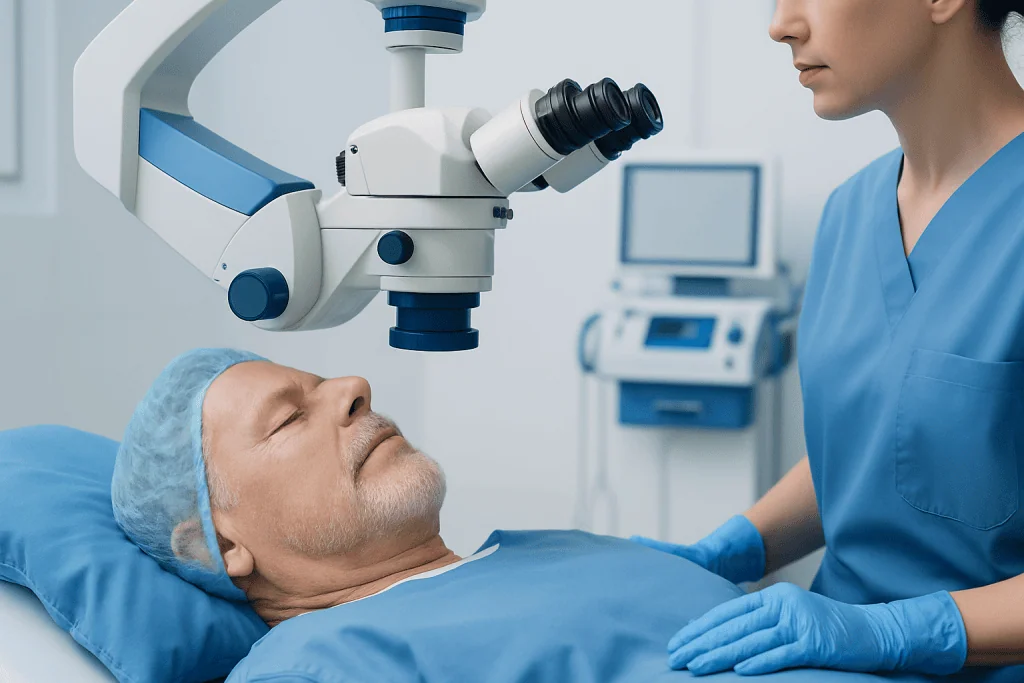
A person may be considered for entropion surgery when the eyelid repeatedly turns inward or when lashes are touching the eye and causing symptoms. Surgery may be recommended even when discomfort is modest if the cornea is being scratched, because repeated friction can lead to a corneal abrasion, infection or scarring that affects vision.
Before recommending surgery, the specialist checks eyelid position and tone, blinking, facial nerve function, the condition of the cornea and any signs of inflammation or scarring. They also review eye medications, blood-thinning medicines, allergies, previous eye operations and general health conditions that could affect anesthesia or healing.
Not every inward-facing lash is caused by entropion. Some people have a small number of misdirected lashes, known as trichiasis, while others have eyelid spasm or scar-related changes. Identifying the cause is important because treatment varies. Related eyelid and eye-surface concerns should be assessed as part of a complete entropion evaluation.
People with significant dry eye, active eye infection, poorly controlled medical conditions or severe inflammation may need treatment or stabilization before surgery. The surgeon will explain whether a brief procedure, a more extensive reconstruction or a staged approach is most appropriate.
How Entropion Surgery Works: Step by Step

Entropion repair is often performed as an outpatient procedure. The eye area is cleaned, and local anesthetic is injected into the eyelid to numb it. Some patients also receive light sedation, depending on their health, anxiety level, the planned procedure and the setting. The person remains comfortable, and the surgical team monitors them throughout.
For age-related lower-lid entropion, the surgeon commonly tightens the lower eyelid and adjusts the tissues that normally pull it outward. This may involve a small incision near the outer corner of the eyelid, repositioning or tightening lower-lid retractors, and placing dissolvable or removable stitches. If scar tissue is causing the inward turn, the procedure may require release of scarring and reconstruction with tissue support.
The operation length varies with the technique and whether one or both eyelids need treatment, but uncomplicated repair is often relatively short. At the end, antibiotic ointment may be placed on the incision or in the eye, and a light dressing may be used in some cases. The surgeon provides individual instructions about drops, ointment, cold compresses and follow-up.
Appropriate planning is central to entropion surgery because the goal is not simply to move lashes away from the eye, but to restore stable, comfortable eyelid position while preserving normal blinking and eye protection.
Benefits, Risks and Expected Results
The main benefit of entropion surgery is reduced rubbing of lashes against the eye. Many people notice less tearing, irritation, grittiness and light sensitivity once the eyelid is correctly positioned. Protecting the cornea can also lower the risk of repeated abrasions and other complications associated with persistent friction.
As with any surgery, there are possible risks. Short-term swelling, bruising, tenderness, tearing, temporary dry-eye symptoms, mild asymmetry and numbness around the incision can occur. Less commonly, there may be bleeding, infection, scarring, an overcorrected outward-turning eyelid, incomplete correction, recurrence or a need for additional treatment.
Vision-threatening complications are uncommon, but any new reduction in vision, severe pain or rapidly increasing swelling requires urgent medical assessment. Following aftercare instructions and attending scheduled reviews helps the clinician identify healing concerns early.
Results are often durable, especially when the operation addresses the specific cause of entropion. However, eyelid tissues continue to change with age, and recurrence can occasionally occur. The surgeon can discuss the expected outcome and any factors that may influence longer-term eyelid position.
Recovery Timeline and Aftercare
Immediately after surgery, the eyelid may look swollen or bruised and can feel tight, watery or mildly sore. Blurred vision may occur temporarily from ointment, tearing or swelling. Patients usually need someone to take them home if sedation was used, and they should avoid driving until vision is clear and they feel safe to do so.
Cold compresses during the first day or two may help limit swelling if advised by the surgeon. The care plan commonly includes keeping the incision clean, using prescribed lubricants or ointment, avoiding rubbing the eye and protecting the area from dust or accidental impact. Contact lens use, eye makeup, swimming, strenuous exercise and heavy lifting may need to be paused for a period determined by the surgeon.
Bruising and noticeable swelling commonly improve over one to two weeks. Stitches that are not dissolvable are often removed at a follow-up visit, frequently within about a week, though timing varies. The eyelid may continue to settle over several weeks, and healing can take longer after more complex reconstruction or in people with underlying eye-surface disease.
For international patients, Acibadem International’s multidisciplinary specialists and JCI-accredited hospitals can assess eyelid conditions and coordinate diagnosis, surgery and follow-up planning. Individual recovery guidance should always come from the treating ophthalmic surgeon.
Common Questions About Healing and Daily Activities
How long does it take to heal after entropion surgery? Initial healing usually occurs over the first one to two weeks, when swelling and bruising begin to settle and many daily activities can be resumed. The eyelid can take several weeks to reach a more stable appearance and position. Recovery may take longer when surgery is more complex, both eyelids are treated or the person has dry eye, scarring or other eye conditions.
How painful is entropion surgery? Local anesthetic should prevent pain during the procedure, although a person may notice pressure or gentle pulling. Afterward, discomfort is usually mild to moderate and often described as soreness, tightness or irritation rather than severe pain. The surgeon may recommend suitable pain relief, and severe or worsening pain should be reported promptly.
How long do you have to sleep sitting up after eyelid surgery? Many surgeons advise sleeping with the head elevated on extra pillows or in a recliner for several nights, and sometimes up to about one week, to help reduce swelling. It is not always necessary to sleep fully upright. The appropriate duration depends on the procedure, the amount of swelling and the surgeon’s instructions.
Why can’t you watch TV after eyelid surgery? Watching television is not universally prohibited, but prolonged screen viewing can reduce blinking and worsen dryness, tearing or eye strain early in recovery. Resting the eyes, taking frequent breaks and following directions about lubricating drops can be helpful. Short periods may be comfortable for some people once vision is clear, but the surgeon’s guidance should take priority.
When to Seek Medical Care
Contact the surgical team promptly if there is increasing rather than improving pain, growing redness, significant warmth around the eyelid, pus-like discharge, persistent bleeding, fever or a wound that appears to open. These symptoms do not always indicate a serious problem, but they need timely assessment.
Urgent eye care is needed for reduced vision, double vision that is new or worsening, severe eye pain, a marked inability to close the eye, sudden prominent swelling, nausea with eye pain, or injury to the operated eye. These symptoms should not be managed by waiting for a routine appointment.
Before surgery, medical advice should be sought promptly for an inward-turning eyelid associated with eye pain, increasing light sensitivity, persistent redness, a foreign-body sensation or changes in vision. Early assessment can protect the cornea while a treatment plan is arranged.
Frequently asked questions
Is entropion surgery performed under general anesthesia?
Many entropion repairs are performed with local anesthesia, sometimes combined with light sedation. General anesthesia may be considered in selected situations, such as complex reconstruction or when it is more appropriate for the person’s health needs. The anesthesia plan is decided by the surgical and anesthesia teams.
Can entropion return after surgery?
Entropion surgery is often effective, but recurrence is possible. The likelihood depends on the cause of entropion, the condition of the eyelid tissues and whether there is ongoing scarring, facial weakness or age-related laxity. Follow-up allows the surgeon to monitor eyelid position and discuss further care if needed.
Will there be a visible scar after entropion surgery?
Incisions are usually placed in or near natural eyelid creases or the outer eyelid area, where scars often become less noticeable as healing progresses. Scar appearance varies between individuals and according to the surgical technique. Protecting the incision and following aftercare instructions support normal healing.
When can someone return to work after entropion surgery?
The timing depends on the type of work, visual demands and the amount of swelling or bruising. Some people with desk-based roles return within several days, while others prefer one to two weeks for greater comfort and a more settled appearance. Jobs involving dust, heavy lifting or physical exertion may require a longer pause.
Can a person shower after entropion surgery?
Bathing and showering instructions vary by surgeon and procedure. In general, people may be asked to keep the incision dry initially and avoid direct water pressure, rubbing and soaps near the eye. The surgical team will explain when gentle washing is safe.
Do lubricating eye drops still need to be used after surgery?
Some people are advised to use lubricating drops or ointment for a period after surgery because the eye can be temporarily dry or irritated during healing. The need and duration depend on the eye surface, surgical technique and existing dry-eye symptoms. Only products recommended by the treating clinician should be used.
References
- American Academy of Ophthalmology
- American Society of Ophthalmic Plastic and Reconstructive Surgery
- National Eye Institute
- Mayo Clinic
This article is for general information only and is not a substitute for professional medical advice. Please consult a qualified doctor about your individual situation.
Explore treatments in Turkey — costs, top hospitals & a free quote
JCI-accredited · board-certified surgeons · reply within 24h
Add us as a Preferred Source to see more of our trusted health content across Google Search, AI Overviews and Discover.