ESWL for Kidney Stones: Who Is a Good Candidate and When It Works Best
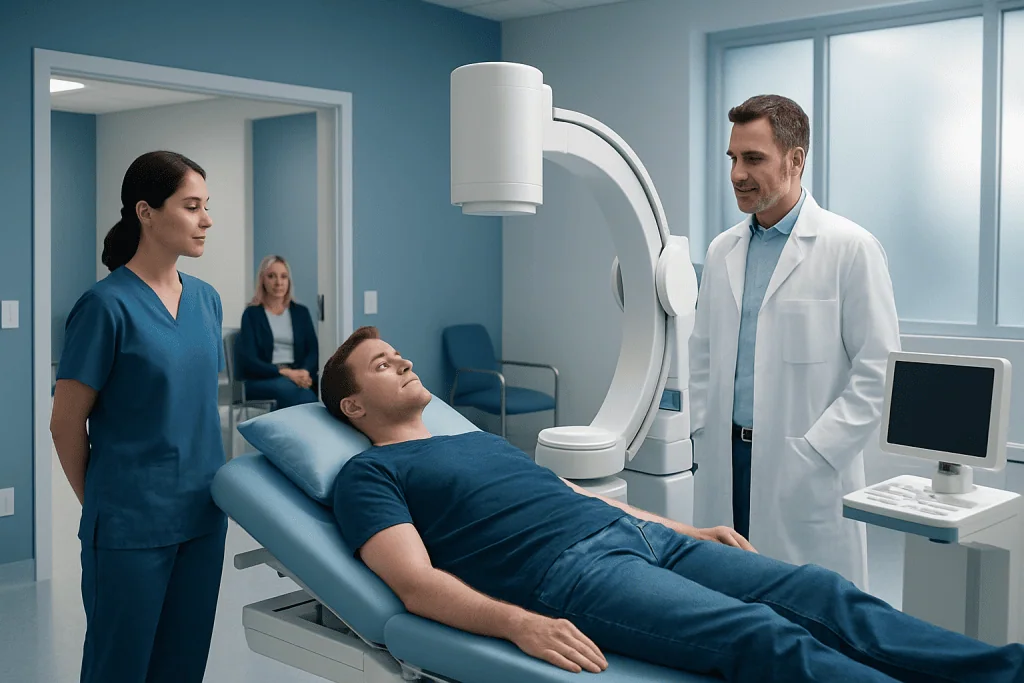
ESWL is a noninvasive option that breaks kidney stones into smaller fragments using shock waves from outside the body. It tends to work best for small to medium stones in the kidney or upper ureter, depending on the stone’s composition and exact location.
Key Takeaways
- ESWL is a noninvasive option that breaks kidney stones into smaller fragments using shock waves from outside the body.
- It tends to work best for small to medium stones in the kidney or upper ureter, depending on the stone’s composition and exact location.
- Not everyone is a good candidate; pregnancy, bleeding disorders, untreated infection, and some anatomical factors may make ESWL unsuitable.
- Imaging tests and stone evaluation help doctors choose between ESWL and other treatments such as ureteroscopy or percutaneous procedures.
- Passing fragments can take days to weeks, so follow-up is important to confirm the stone has cleared.
ESWL for kidney stones is a noninvasive treatment that uses focused shock waves to break stones into smaller pieces so they can pass more easily in the urine. It often works best for certain stone sizes and locations, and a urologist helps decide whether it is the right choice based on the stone, the urinary tract, and the person’s overall health.
Overview: What ESWL Is and How It Works
Extracorporeal shock wave lithotripsy, often called ESWL, is a common treatment for certain kidney stones. “Extracorporeal” means the treatment is delivered from outside the body. During the procedure, a machine sends carefully focused shock waves toward the stone, with the aim of breaking it into smaller pieces that can then pass through the urinary tract more easily.
ESWL does not require a surgical incision. For many patients, that is one of its main advantages. It is usually performed as a day procedure, and recovery is often quicker than with more invasive stone treatments. Even so, it is still a medical procedure that needs proper evaluation, preparation, and follow-up.
ESWL is not the best choice for every stone. Its success depends on several factors, including the stone’s size, location, hardness, and the patient’s body anatomy. A urologist may compare ESWL with other options used for kidney stone treatment to decide which approach is most likely to clear the stone safely and effectively.
Who Is a Good Candidate for ESWL?
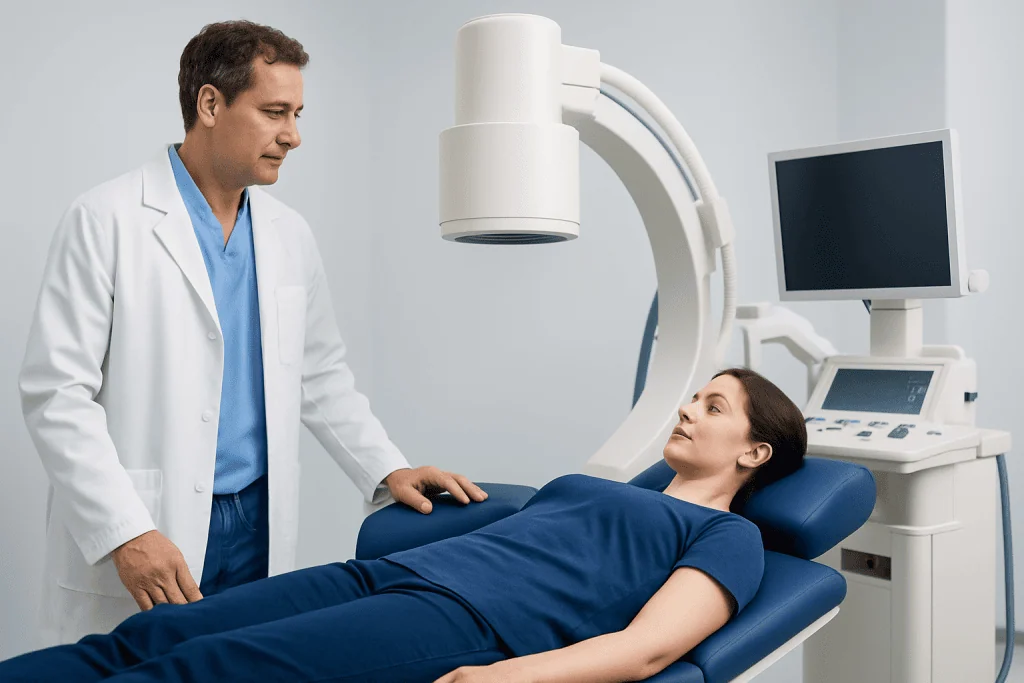
In general, ESWL works best for stones that are relatively small to medium in size and located in the kidney or upper part of the ureter. Stones that are easier to target and not excessively hard are often better suited to this treatment. A person may be a good candidate if the stone is causing symptoms, is unlikely to pass on its own, and the urinary tract below the stone is open enough for fragments to drain.
Doctors also consider the person’s overall health and medical history. Good candidates are usually those who can safely undergo sedation or pain control, do not have an active urinary infection, and do not have factors that significantly increase bleeding risk. Body build and stone visibility on imaging can also affect whether ESWL can be accurately performed.
ESWL may be especially appealing for people who prefer a noninvasive option or who want to avoid endoscopic instruments when appropriate. However, if there is a very large stone burden, a lower chance of fragment passage, or a need for rapid complete removal, another treatment may be recommended instead.
When ESWL Works Best
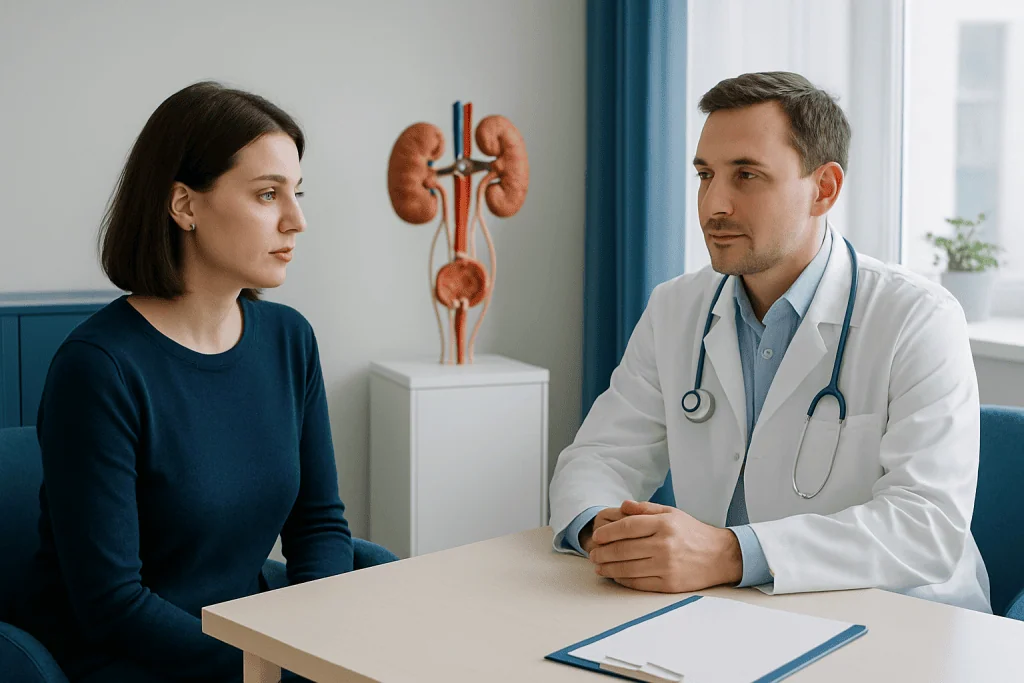
ESWL tends to work best when the stone is in a favorable location and can be clearly seen and precisely targeted. Stones within the kidney itself or in the upper ureter often respond better than stones in other locations. Smaller stones usually break more effectively and pass more easily than larger ones.
Stone composition also matters. Some stones are softer and fragment more readily, while others are denser and more resistant to shock waves. For example, very hard stones may require another technique, because even if they are hit accurately, they may not break enough to pass. Doctors often estimate stone density from imaging and use that information to predict the likelihood of success.
Another important point is what “works best” means for the patient. In some cases, ESWL may reduce the stone into passable fragments but not make the person stone-free immediately. Passing those fragments can take time. A patient who understands that process and can return for follow-up imaging may be more satisfied with the treatment experience.
When ESWL May Not Be the Right Choice
There are clear situations in which ESWL may not be suitable. It is generally avoided during pregnancy because shock waves and imaging guidance may pose risks. It may also be unsafe in people with untreated bleeding disorders or those taking certain blood-thinning medicines unless their doctors carefully manage the situation. An untreated urinary tract infection is another important reason to delay treatment until the infection is controlled.
ESWL may also be less effective when the stone is very large, very hard, or located in a place where fragments are less likely to pass. Some stones in the lower part of the kidney may be more difficult to clear, particularly if urine drainage is not ideal. Obesity, skeletal abnormalities, or certain anatomical differences can make targeting less accurate.
If there is a blockage below the stone, severe pain that needs urgent relief, or concern about kidney function, the care team may recommend a different approach. In these situations, procedures performed through the urinary tract or through a small skin incision can sometimes provide faster or more complete stone removal.
How Doctors Evaluate the Stone Before ESWL
Choosing ESWL starts with a careful diagnosis. The urologist typically uses imaging to confirm the stone’s size, location, and number. A noncontrast CT scan is often very helpful because it can show stone density and anatomy in detail, while ultrasound or X-ray may also be used in selected cases. This evaluation helps estimate how likely ESWL is to succeed and whether another treatment may be more suitable.
Laboratory testing is also important. Urine tests can look for infection, blood, and crystal patterns. Blood tests may assess kidney function and other relevant factors. In some patients, a metabolic evaluation is considered, especially if stones are recurrent. This broader assessment can support both immediate treatment and long-term prevention.
Depending on the case, the care team may use renal ultrasonography or CT and MRI for urology as part of the decision-making process. When infection is suspected, doctors may first address urinary infections before proceeding with stone treatment, because infection can increase the risks of intervention.
What Happens During and After ESWL
Before the procedure, the patient usually receives instructions about eating, drinking, and medicines. Some people need to pause blood-thinning medication under medical guidance. On the day of treatment, the team positions the patient so the shock waves can be focused accurately on the stone. Pain control may involve sedation, anesthesia, or analgesic medicine depending on the center and the individual case.
During ESWL, a series of shock waves is delivered over a set period of time. The patient may feel tapping or discomfort, but the care team monitors pain and safety throughout. The goal is not to remove the stone instantly but to fragment it into smaller pieces.
Afterward, it is common to notice mild blood in the urine, soreness in the back or side, and the passing of stone fragments over days or weeks. Drinking fluids, staying active as advised, and straining the urine if recommended can help. Follow-up imaging is important because symptom relief alone does not always mean the stone has completely cleared.
Benefits, Limits, and Other Treatment Options
The main benefit of ESWL is that it is noninvasive. There is no incision, and many patients go home the same day. Recovery is often relatively quick, and the procedure can be an excellent option when the stone characteristics are favorable. For selected patients, this makes ESWL an appealing balance between effectiveness and convenience.
Its main limitation is that success is not the same for every stone. Some stones require more than one session, and some patients are left with residual fragments that may later cause symptoms or serve as a starting point for new stones. There can also be temporary side effects such as bruising, bleeding in the urine, or colicky pain as fragments pass.
When ESWL is less likely to work well, doctors may recommend alternatives such as ureteroscopy or percutaneous nephrolithotomy. The best treatment depends on the stone and the patient rather than a single “best” method for everyone. In complex cases, care may involve a multidisciplinary approach. Near the end of the care pathway, some international patients choose centers such as Acibadem International, where multidisciplinary specialists in JCI-accredited hospitals diagnose and treat kidney stone conditions including nephrolithiasis.
Prevention, Self-Care, and When to See a Doctor
Even after successful treatment, preventing future stones is an important part of care. General measures often include drinking enough fluid, limiting excess salt, and following personalized dietary advice based on the stone type. Some patients also benefit from medications to reduce stone recurrence, especially if they have repeated episodes or a known metabolic cause.
Patients should contact a doctor if they develop fever, chills, persistent vomiting, severe uncontrolled pain, difficulty urinating, or heavy bleeding in the urine after ESWL. These symptoms do not always mean a serious problem, but they need prompt medical evaluation. Ongoing flank pain or delayed passage of fragments may also require reassessment.
Follow-up matters because stones can recur, and small remaining fragments may not cause symptoms right away. If there is a history of repeated stones, the urologist may recommend further evaluation for causes and tailored prevention strategies. With the right selection and follow-up, ESWL can be a very effective part of long-term kidney stone management.
Frequently asked questions
Is ESWL painful?
Most patients receive pain relief, sedation, or anesthesia to make the procedure more comfortable. Some discomfort can still occur during treatment or later when stone fragments begin to pass.
How long does it take for stone fragments to pass after ESWL?
Fragments may pass over several days to a few weeks. The timing depends on the size and number of fragments, their location, and how easily urine flows through the urinary tract.
Can ESWL remove all kidney stones in one session?
Sometimes it can, but not always. Some stones need more than one ESWL session, and some patients may still have residual fragments that require monitoring or another treatment.
Who should not have ESWL?
ESWL is generally not suitable during pregnancy, with untreated urinary infection, or when bleeding risk is not controlled. It may also be a poor option for very large, very hard, or poorly positioned stones.
Is ESWL better than ureteroscopy?
Neither treatment is best for every situation. ESWL is noninvasive and often easier to recover from, while ureteroscopy may offer a higher immediate stone-free rate for some stones.
Will I need follow-up after ESWL?
Yes. Follow-up imaging helps confirm whether the stone has broken and cleared, because symptoms alone do not always show the full result.
References
- National Institute of Diabetes and Digestive and Kidney Diseases
- European Association of Urology
- American Urological Association
- National Health Service
- Mayo Clinic
This article is for general information only and is not a substitute for professional medical advice. Please consult a qualified doctor about your individual situation.
ESWL in Turkey — costs, top hospitals & a free quote
JCI-accredited · board-certified surgeons · reply within 24h
Add us as a Preferred Source to see more of our trusted health content across Google Search, AI Overviews and Discover.