Eye Care for Older Adults: Common Vision Changes After 60
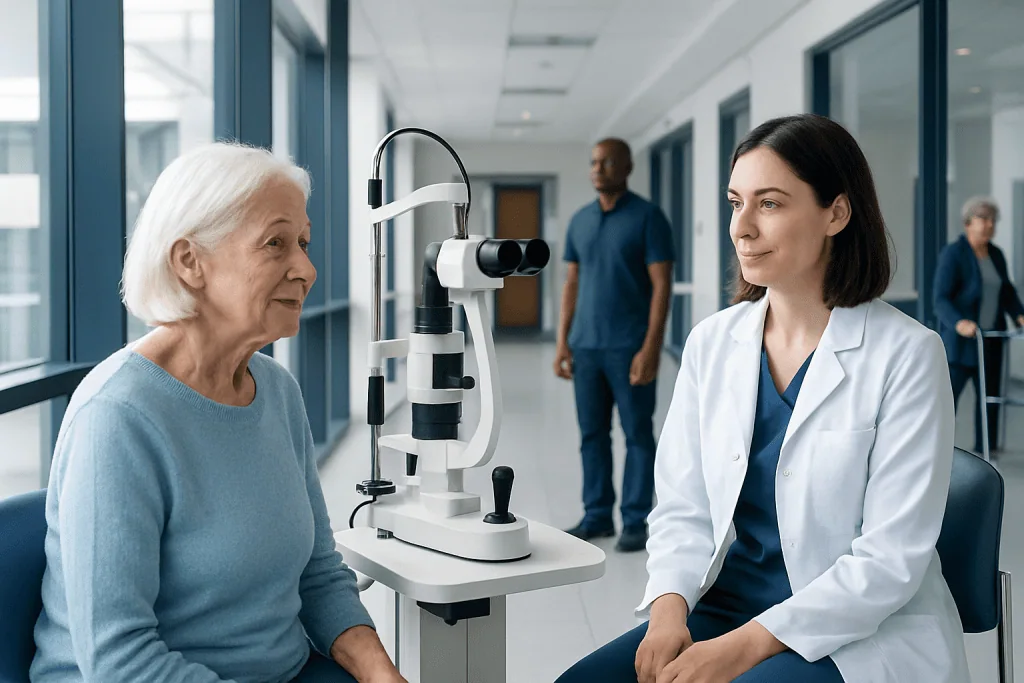
Vision often changes naturally after 60, especially for near focus, contrast sensitivity, and night driving. Common age-related eye conditions include cataracts, dry eye, glaucoma, age-related macular degeneration, and diabetic eye disease.
Key Takeaways
- Vision often changes naturally after 60, especially for near focus, contrast sensitivity, and night driving.
- Common age-related eye conditions include cataracts, dry eye, glaucoma, age-related macular degeneration, and diabetic eye disease.
- Routine comprehensive eye exams are essential because some serious eye diseases may not cause early symptoms.
- Good lighting, control of chronic conditions, UV protection, and healthy lifestyle habits support long-term eye health.
- Sudden vision loss, flashes, new floaters, eye pain, or distorted vision should be assessed promptly.
Eye care for older adults becomes especially important after age 60, when normal aging can affect reading, night vision, tear production, and overall visual clarity. Many changes are manageable, and regular eye exams help detect common age-related conditions early.
Overview: How vision changes with age
Eye care for older adults addresses both normal age-related changes and eye diseases that become more common later in life. After age 60, many people notice that reading small print is harder, bright light feels more uncomfortable, or driving at night becomes less easy than before. These changes do not always mean there is a serious problem, but they should not be ignored.
Aging can affect several parts of the eye. The lens may become less flexible or more cloudy, the pupils may respond more slowly to changes in light, and the eyes may produce fewer tears. Together, these changes can reduce focusing ability, visual sharpness, and comfort.
At the same time, older adults have a higher risk of eye conditions such as cataracts, glaucoma, age-related macular degeneration, and diabetic retinopathy. Some of these disorders develop gradually and painlessly. This is why regular eye examinations remain one of the most important parts of healthy aging.
Common vision changes after 60
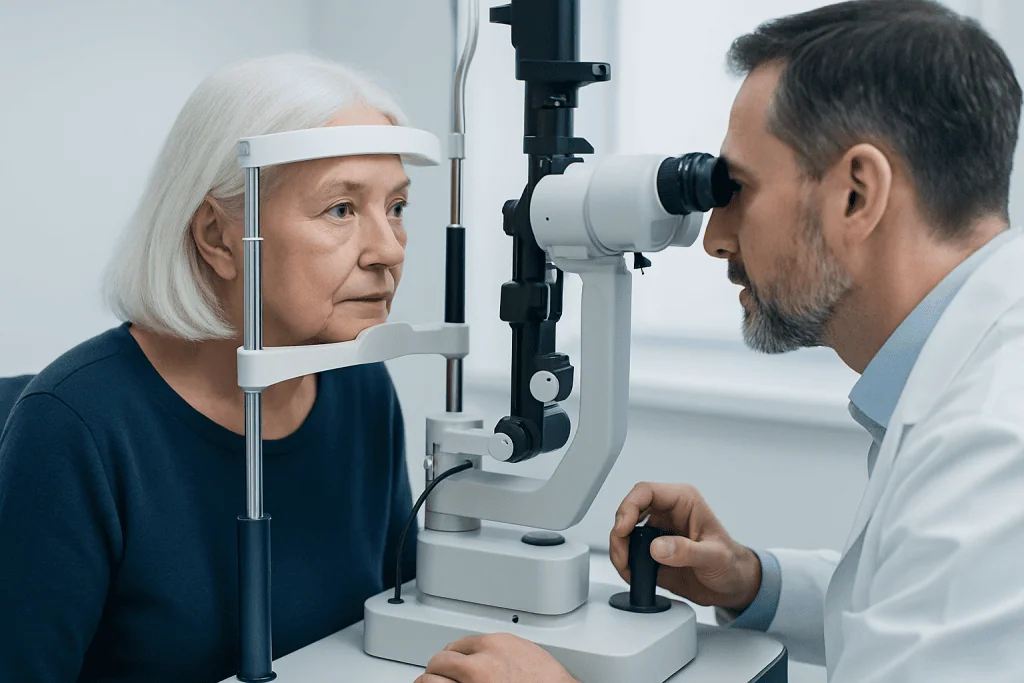
Some visual changes are common with age, even in otherwise healthy eyes. Near vision often becomes less sharp because the eye loses flexibility in focusing. This problem, called presbyopia, usually begins before 60 but often becomes more noticeable over time, especially in dim lighting or during long reading sessions. Some people benefit from updated reading glasses or presbyopia treatment options.
Many older adults also notice reduced contrast sensitivity. This means it may be harder to distinguish objects from their background, especially in low light, fog, or rain. Colors may appear less vivid, and adapting between bright sunlight and indoor settings can take longer than before.
Night vision commonly becomes more difficult with age. Glare from headlights, halos around lights, and slower recovery after bright light exposure can make evening driving less comfortable. Dryness, lens changes, or early cataracts may contribute to these symptoms.
Another frequent change is dry, irritated, or watery eyes. Tear production may decrease with age, and some medications or health conditions can worsen the problem. Paradoxically, very dry eyes may water excessively because the surface of the eye is irritated.
Common eye conditions in older adults
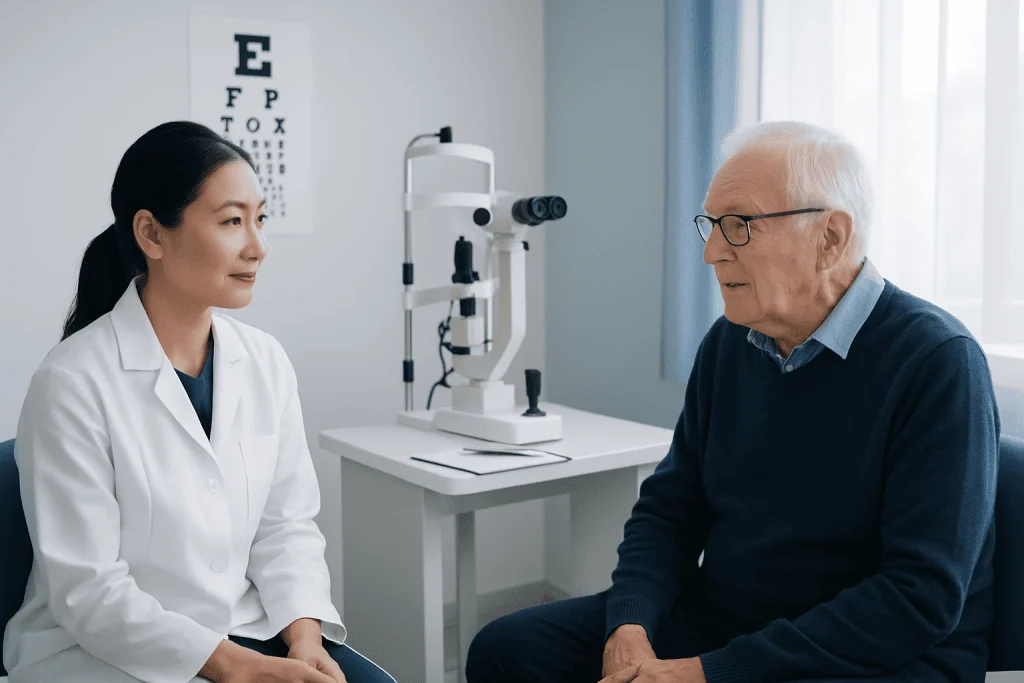
Several eye disorders become more common after age 60. Cataracts occur when the eye’s natural lens becomes cloudy, leading to blurred vision, glare, faded colors, and trouble seeing at night. Cataracts often progress slowly and can usually be treated effectively when they begin to interfere with daily life. Many people are evaluated for cataracts and, when appropriate, cataract surgery.
Glaucoma is a group of conditions that can damage the optic nerve, sometimes in association with increased eye pressure. It may not cause noticeable symptoms early on, which is why routine screening is so important. Without treatment, glaucoma can gradually reduce peripheral vision.
Age-related macular degeneration affects the macula, the part of the retina responsible for central detail vision. It can make reading, recognizing faces, or seeing fine details more difficult. People with central blur or distortion may need assessment for macular diseases.
Diabetes can also affect the eyes over time. Diabetic retinopathy may damage retinal blood vessels and impair vision if not monitored and treated appropriately. Other common concerns in later life include dry eye disease, eyelid changes, and refractive errors such as astigmatism that may require updated correction.
Risk factors that can affect eye health
Age itself is one of the strongest risk factors for vision changes, but it is not the only one. Family history can increase the likelihood of conditions such as glaucoma or macular degeneration. Chronic illnesses, especially diabetes and high blood pressure, can also affect the blood vessels and nerves that support healthy vision.
Smoking is an important modifiable risk factor. It has been linked to a higher risk of cataracts and macular degeneration. Long-term exposure to ultraviolet light may also contribute to some age-related eye damage, which is why sunglasses with UV protection are recommended outdoors.
Certain medications may influence vision or tear production. Some can contribute to dry eye, blurred vision, or light sensitivity. Previous eye injuries, eye surgery, or long-standing refractive problems may also affect visual function later in life.
Lifestyle factors matter as well. Poorly controlled blood sugar, low physical activity, and a diet lacking in fruits, vegetables, and other nutrient-rich foods may have a negative impact on overall eye health. A doctor can help review personal risk factors and determine the most appropriate screening schedule.
How eye problems are diagnosed
A comprehensive eye examination can identify both ordinary age-related changes and serious eye disease. The visit usually includes a review of symptoms, vision testing, a refraction check for glasses, and an examination of the front and back of the eye. Eye pressure may be measured, and the pupils may be dilated so the retina and optic nerve can be examined more clearly.
Additional testing may be recommended depending on symptoms and medical history. Retinal imaging, visual field testing, and optical coherence tomography can help assess the retina and optic nerve in more detail. In some cases, the doctor may suggest eye angiography or other specialized imaging to evaluate blood flow in the retina.
Regular exams are important even when vision seems stable. Conditions such as glaucoma and diabetic retinopathy may progress without obvious warning signs. Early detection often makes treatment simpler and more effective at preserving sight.
Older adults should also mention changes that may seem minor, such as more glare, eye fatigue, or needing brighter light to read. These details help the ophthalmologist or optometrist understand whether symptoms are part of normal aging or a sign of a condition that deserves closer attention.
Treatment options and vision support
Treatment depends on the cause of the vision change. Some people simply need updated glasses, magnifying aids, brighter task lighting, or treatment for dry eye. For others, management may include prescription eye drops, monitoring over time, or procedures to address specific diseases.
Cataracts are often managed with surgery when clouding of the lens significantly affects daily activities such as reading, driving, or recognizing faces. Dry eye may improve with artificial tears, eyelid care, environmental adjustments, and treatment of contributing conditions. Retinal diseases, glaucoma, and diabetic eye disease may require laser therapy, injections, or other targeted approaches.
Low-vision support can also be valuable for people whose eyesight cannot be fully restored. Magnifiers, large-print materials, electronic reading devices, and home lighting changes can improve safety and independence. Occupational support may help with reading, medication management, cooking, and moving around the home more confidently.
When symptoms are complex or involve the optic nerve, eye movement, or neurologic causes, a specialist assessment may be needed through neuro-ophthalmology. Near the end of the care pathway, some international patients may choose centers such as Acibadem International, where multidisciplinary specialists in JCI-accredited hospitals diagnose and treat age-related eye conditions.
Prevention and self-care for healthy aging eyes
Not all eye conditions can be prevented, but several habits can support long-term eye health. Regular comprehensive eye exams are one of the most effective steps, especially after age 60. For people with diabetes, high blood pressure, or a family history of eye disease, follow-up may need to be more frequent.
Daily protective habits also matter. Wearing sunglasses with UV protection, using good reading light, reducing smoking exposure, and taking breaks during visually demanding tasks can all help. People who use digital screens for long periods may benefit from blinking more often and adjusting the screen position and brightness.
General health supports eye health. A balanced diet rich in vegetables, fruits, and healthy fats, along with regular physical activity and good control of blood sugar and blood pressure, can reduce the risk of some vision-threatening conditions. Staying hydrated and discussing medication side effects with a doctor may also help if dry eye is a concern.
- Have routine eye exams as advised by an eye specialist
- Manage diabetes, blood pressure, and cholesterol carefully
- Stop smoking if possible
- Use UV-protective sunglasses outdoors
- Improve home lighting and reduce fall hazards
- Report any new visual symptoms promptly
When to see a doctor urgently
Many age-related vision changes develop gradually, but some symptoms should be assessed without delay. Sudden loss of vision, a curtain-like shadow, new flashes of light, a shower of floaters, severe eye pain, or sudden double vision can signal a problem that needs prompt medical attention.
Distorted central vision, straight lines appearing wavy, or rapid worsening of reading vision should also be evaluated soon. These symptoms may be related to retinal or macular problems rather than normal aging. Redness with pain, marked light sensitivity, or discharge should likewise be checked by a professional.
Even when symptoms seem mild, persistent blur, worsening glare, or increasing difficulty with daily tasks such as reading labels or walking in dim light are good reasons to arrange an eye exam. Early care often protects vision and provides reassurance.
Older adults should not assume that all visual changes are simply due to age. A qualified doctor or eye specialist can determine whether the cause is expected aging, a treatable problem, or a condition that requires closer follow-up.
Frequently asked questions
Are vision changes after 60 always a sign of eye disease?
No. Some changes, such as needing brighter light to read or finding near work more difficult, are common with aging. However, regular eye exams are still important because some eye diseases can develop without obvious early symptoms.
How often should older adults have an eye exam?
The exact schedule depends on age, medical history, and risk factors. In general, adults over 60 should have regular comprehensive eye exams, and people with diabetes, glaucoma risk, or existing eye disease may need more frequent follow-up.
What are the first signs of cataracts?
Common early signs include blurred or cloudy vision, glare from lights, faded colors, and more difficulty driving at night. Cataracts usually develop gradually, so people may not notice the change right away.
Why do older eyes become dry even when they water a lot?
Aging can reduce the quality or quantity of tears, which irritates the surface of the eye. In response, the eyes may produce reflex tearing, so watery eyes can actually be a sign of dryness.
Can healthy habits really help protect vision in later life?
Yes, healthy habits can support eye health and lower the risk of some conditions. Good blood sugar and blood pressure control, not smoking, using UV protection, and attending regular eye exams are all helpful.
When is blurred vision an emergency?
Blurred vision needs urgent attention if it starts suddenly or occurs with eye pain, flashes, floaters, a dark curtain over vision, or new distortion. These symptoms may indicate a retinal, vascular, or neurologic problem and should be assessed promptly.
References
- American Academy of Ophthalmology
- National Eye Institute
- Centers for Disease Control and Prevention
- World Health Organization
- National Institute on Aging
This article is for general information only and is not a substitute for professional medical advice. Please consult a qualified doctor about your individual situation.
Explore treatments in Turkey — costs, top hospitals & a free quote
JCI-accredited · board-certified surgeons · reply within 24h
Add us as a Preferred Source to see more of our trusted health content across Google Search, AI Overviews and Discover.