Eyelids: An Evidence-Based Guide for Patients

Eyelids protect the eye surface and help distribute tears with every blink. Common eyelid problems include irritation, allergy, infection, styes, chalazia, and age-related drooping.
Key Takeaways
- Eyelids protect the eye surface and help distribute tears with every blink.
- Common eyelid problems include irritation, allergy, infection, styes, chalazia, and age-related drooping.
- Warning signs include sudden swelling, severe pain, vision changes, trauma, or inability to close the eye.
- Diagnosis usually involves a medical history and eye examination, with imaging or blood tests only when needed.
- Treatment depends on the cause and may include warm compresses, eyelid hygiene, medicines, or surgery.
Eyelids are thin, protective structures that help keep the eyes moist, clear debris, and support healthy vision. Changes such as swelling, redness, pain, drooping, or lumps are common and often treatable, but some symptoms need prompt medical attention.
Overview: what the eyelids do and why they matter
Eyelids are more than simple folds of skin. They protect the surface of the eyes from dust, bright light, dryness, and minor injury. With each blink, the eyelids spread tears evenly across the cornea, which helps keep vision clear and the eye surface comfortable.
Each eyelid contains skin, muscle, connective tissue, oil-producing glands, and the eyelashes. These structures work together to open and close the eye, support tear film stability, and trap particles before they reach the eye. When any part becomes irritated or inflamed, symptoms can range from mild discomfort to vision-related concerns.
Many eyelid changes are temporary and improve with basic care. However, persistent swelling, drooping, crusting, tenderness, new lumps, or changes in blinking may point to a condition that benefits from professional assessment. A patient-friendly understanding of eyelids is useful because eyelid symptoms can reflect both local eye problems and general health issues such as allergies, skin conditions, or infection.
Common eyelid symptoms and what they may suggest
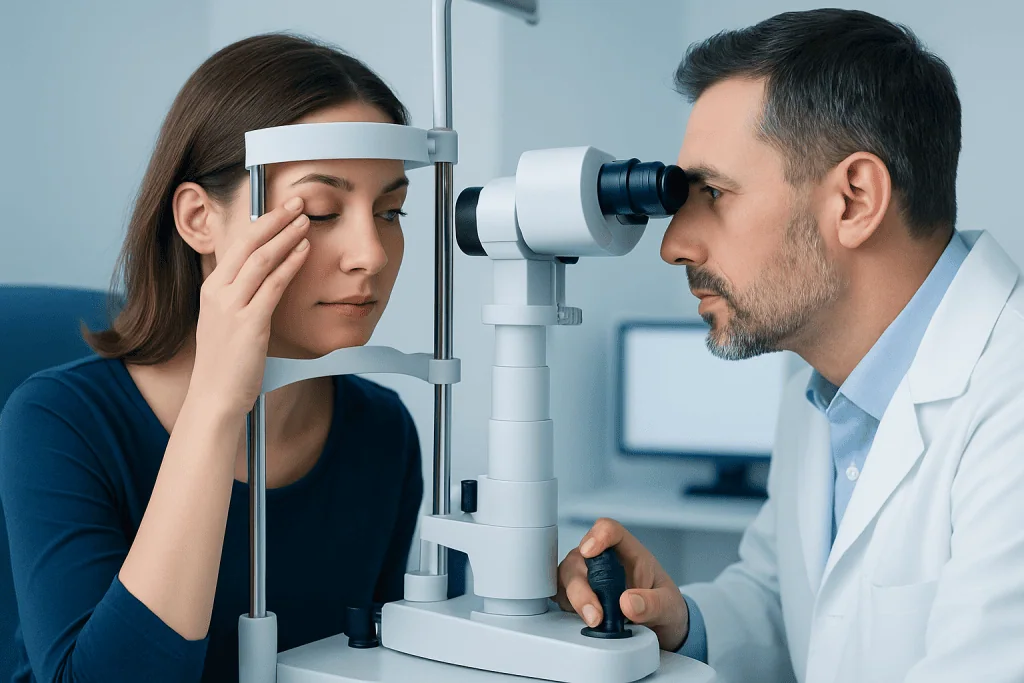
Eyelid symptoms often overlap, so one sign does not always indicate one specific condition. Redness, swelling, itching, burning, crusting on waking, watery eyes, and a feeling of heaviness are common complaints. These may happen with eyelid inflammation, allergy, irritation from cosmetics or contact lenses, or a blocked oil gland.
Lumps along the eyelid margin are also common. A tender red bump may be a stye, while a firmer painless lump deeper in the lid may be a chalazion. Some people notice the eyelid turning inward or outward, drooping over the pupil, twitching, or difficulty fully closing the eye. These changes can affect comfort and, in some cases, visual function.
Symptoms that deserve closer attention include severe pain, fever, rapidly increasing swelling, double vision, reduced vision, light sensitivity, or swelling spreading around the eye. Eyelid changes can also occur alongside broader eye conditions, including glaucoma or cataract, although these conditions primarily affect structures inside the eye rather than the eyelid itself.
- Itching may suggest allergy or blepharitis.
- Tender swelling may suggest a stye or infection.
- Crusting at the lash line often points to blepharitis.
- Drooping may be age-related or linked to nerve or muscle problems.
- Inability to close the eye can lead to dryness and corneal irritation.
Causes and risk factors
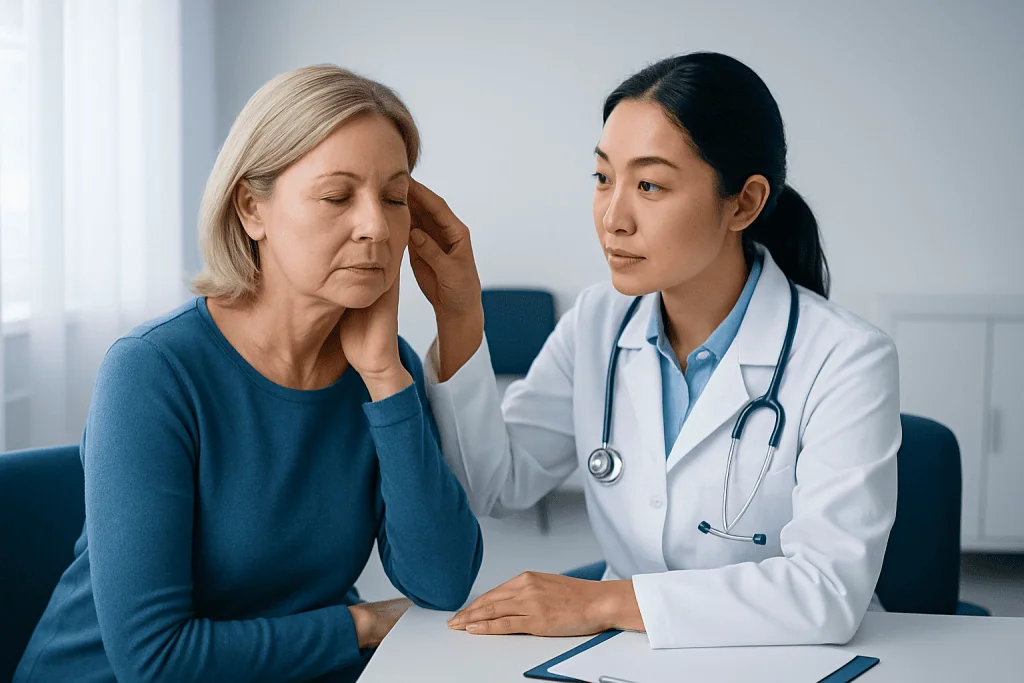
Eyelid problems have many causes. Inflammation of the eyelid margin, known as blepharitis, is one of the most common. It may be related to oil gland dysfunction, sensitive skin conditions such as seborrheic dermatitis or rosacea, or bacterial overgrowth on the eyelid margins. Allergies can also trigger itching, swelling, and redness, especially during pollen season or after exposure to pet dander, dust, makeup, or skincare products.
Blocked glands inside the eyelid can lead to a chalazion, while acute infection of a lash follicle or gland can cause a stye. Viral infections, including those affecting the skin around the eye, may also involve the eyelids. Trauma, burns, insect bites, and rubbing the eyes can worsen irritation. Contact lens use, especially poor lens hygiene, can contribute to eyelid and eye surface problems.
Age is another important factor. Over time, eyelid skin and supporting tissues can loosen, causing drooping or outward turning of the eyelid. This may lead to tearing, dryness, or visual obstruction. Less commonly, thyroid eye disease, autoimmune conditions, nerve disorders, or tumors can affect the eyelids. A history of heavy sun exposure can increase the risk of skin cancers on the eyelid, so any persistent scaly, bleeding, or changing lesion should be checked.
How eyelid conditions are diagnosed
Diagnosis begins with a careful history. A clinician may ask when the symptoms started, whether one or both eyelids are involved, and whether there is pain, itching, discharge, fever, or vision change. Questions about contact lens use, recent illness, skin conditions, allergies, eye drops, cosmetics, and injury can help narrow the cause.
The physical examination usually includes inspection of the eyelid skin, lashes, lid margin, tear film, and eye movements. The doctor may gently evert the eyelid to look at the inner surface and assess for blocked glands, foreign material, or inflammation. Vision testing may be done to make sure the eye itself is not being affected.
Additional tests are only sometimes needed. If there is concern about deeper infection, thyroid-related changes, trauma, or an unusual mass, imaging or laboratory tests may be recommended. A suspicious or persistent lesion may require biopsy. If an eyelid problem coexists with disorders of the eye surface or lens, an eye specialist may also evaluate whether procedures such as LASIK or cataract surgery are relevant to the patient’s wider visual care, although these do not treat the eyelid itself.
Treatment options for eyelid problems
Treatment depends on the cause. For many mild conditions, simple supportive care is effective. Warm compresses can help open blocked oil glands and reduce discomfort from a stye or chalazion. Gentle eyelid cleansing may improve blepharitis by removing crusts and excess oil from the lash line. Avoiding eye makeup or contact lenses for a short time may reduce irritation while healing occurs.
Medication may be needed in some cases. Doctors may recommend lubricating drops or ointments for dryness, allergy treatment for itchy swollen lids, or antibiotic medicine when bacterial infection is suspected. Some inflammatory conditions need short-term prescription treatments. Because the skin around the eye is delicate, self-treating with random creams or leftover medications is not advisable.
Structural eyelid problems sometimes need procedures. A persistent chalazion may be drained, and abnormal lid position or drooping may be corrected surgically if it causes discomfort, exposure of the eye, or reduced field of vision. In selected patients, blepharoplasty may be used to address functional excess eyelid tissue, and specialists may also consider oculoplastic procedures for reconstruction or eyelid repair when medically indicated.
Daily care, prevention, and self-care habits
Good eyelid care can reduce irritation and lower the chance of recurring symptoms. Washing the hands before touching the eyes, removing eye makeup fully, and replacing cosmetics regularly are simple but important steps. Contact lenses should be worn and cleaned exactly as instructed, and lenses should never be shared.
For people prone to blepharitis, regular lid hygiene may help control symptoms. This may include warm compresses followed by gentle cleaning of the eyelid margins with products recommended by a clinician. People with allergies can benefit from identifying triggers and reducing exposure where possible. If new skincare or makeup seems to cause redness or itching, stopping it is sensible until medical advice is obtained.
Protecting the eyelids from sun exposure is also important because eyelid skin is thin and vulnerable. Sunglasses that block ultraviolet light and appropriate sun protection around the face can help. General health habits such as adequate sleep, managing skin conditions, and not smoking may also support eye and eyelid comfort.
- Do not squeeze a stye or chalazion.
- Avoid rubbing itchy eyelids.
- Do not share towels, eye drops, or makeup.
- Seek advice before using steroid creams near the eyes.
When to seek medical care
Many eyelid concerns are mild, but certain symptoms should be assessed promptly. Medical care is important if swelling is severe or rapidly worsening, if the eyelid is very painful, or if there is fever, spreading redness, or pus. These can suggest a more significant infection that needs treatment.
Urgent evaluation is also recommended if an eyelid problem is accompanied by blurred vision, double vision, difficulty moving the eye, sensitivity to light, or trauma. A drooping eyelid that appears suddenly, especially with headache, weakness, or facial changes, should not be ignored because it may signal a neurological problem.
A non-healing sore, persistent lump, loss of eyelashes in one area, recurrent bleeding, or a changing pigmented lesion on the eyelid should be checked by a doctor. Multidisciplinary specialists at Acibadem International, working in JCI-accredited hospitals, diagnose and treat eyelid and eye conditions for international patients when further assessment or treatment is needed.
Frequently asked questions
What is the main function of the eyelids?
The eyelids protect the eyes from dust, injury, and excessive light. They also spread tears across the eye surface with each blink, which helps keep the eyes moist and vision clear.
Why are my eyelids swollen?
Eyelid swelling can happen بسبب allergy, irritation, infection, a blocked oil gland, or rubbing the eyes. If swelling is severe, painful, or linked to vision changes or fever, a doctor should evaluate it promptly.
What is the difference between a stye and a chalazion?
A stye is usually a tender, red, painful bump caused by an acute infection near an eyelash or gland. A chalazion is often a firmer, less painful lump caused by blockage and inflammation of an oil gland inside the eyelid.
Can eyelid twitching be serious?
Most eyelid twitching is harmless and temporary. It is often linked to fatigue, stress, caffeine, or eye strain, but persistent twitching or twitching with other neurological symptoms should be assessed by a clinician.
When is a droopy eyelid a medical concern?
A droopy eyelid can be a concern if it appears suddenly, blocks vision, affects one side more than the other, or comes with headache, double vision, or weakness. Gradual drooping may be age-related, but it still deserves evaluation if it affects comfort or sight.
How can a person care for the eyelids at home?
Simple care includes hand hygiene, avoiding rubbing the eyes, removing makeup carefully, and using warm compresses when advised. People with recurring eyelid irritation may benefit from regular eyelid cleansing recommended by an eye specialist.
This article is for general information only and is not a substitute for professional medical advice. Please consult a qualified doctor about your individual situation.
Explore treatments in Turkey — costs, top hospitals & a free quote
JCI-accredited · board-certified surgeons · reply within 24h
Add us as a Preferred Source to see more of our trusted health content across Google Search, AI Overviews and Discover.

More from the Health Library

Stomach Low — Explained by Medical Evidence, Not Myths

Holosystolic Murmur: What Patients Need to Know

Gracilis Muscle: What Patients Need to Know

Thyroid Peroxidase Antibodies: What Patients Need to Know

Skinny Big Breasts: An Evidence-Based Guide for Patients