Facial Rejuvenation Treatments: How to Choose the Right Option for Your Goals

Facial rejuvenation treatments range from skincare and injectables to laser procedures and surgery. The best option depends on the main concern, such as wrinkles, sagging, volume loss, uneven tone, or scars.
Key Takeaways
- Facial rejuvenation treatments range from skincare and injectables to laser procedures and surgery.
- The best option depends on the main concern, such as wrinkles, sagging, volume loss, uneven tone, or scars.
- Non-surgical treatments usually involve less downtime, while surgery may provide more noticeable and longer-lasting structural improvement.
- A qualified specialist can help match treatment choice to skin type, facial anatomy, expectations, and recovery preferences.
- Sun protection, healthy habits, and realistic expectations are important parts of long-term facial rejuvenation.
Facial rejuvenation treatments include non-surgical and surgical options that can improve wrinkles, skin texture, volume loss, and facial contours. The right choice depends on a person’s goals, skin condition, age-related changes, and how much downtime they are comfortable with.
Overview of Facial Rejuvenation Treatments
Facial rejuvenation treatments are designed to improve visible signs of aging and refresh overall facial appearance. These treatments may target fine lines, deeper wrinkles, sun damage, pigmentation changes, skin laxity, volume loss, acne scars, enlarged pores, or changes in facial contour. Some options focus on the skin surface, while others work deeper to address tissue support, muscle activity, or facial volume.
There is no single treatment that is right for everyone. A younger person with early fine lines may benefit from preventive skincare or subtle injectable treatments, while someone with more advanced sagging or volume loss may consider a combination approach or surgery. Goals also matter. Some people want a natural, refreshed appearance with little downtime, while others are seeking more dramatic and longer-lasting changes.
Facial rejuvenation is often divided into non-surgical and surgical treatments. Non-surgical approaches include medical-grade skincare, chemical peels, microneedling, laser resurfacing, radiofrequency-based procedures, botulinum toxin injections, and dermal fillers. Surgical procedures may include eyelid surgery, brow lift, neck lift, or facelift surgery for more significant lifting and contouring.
In many cases, the most effective plan combines methods rather than relying on just one. For example, lifting the lower face does not correct all skin texture concerns, and laser resurfacing does not tighten deeper tissues as much as surgery can. A personalized treatment plan helps balance results, safety, cost, and recovery time.
Common Concerns These Treatments Can Address
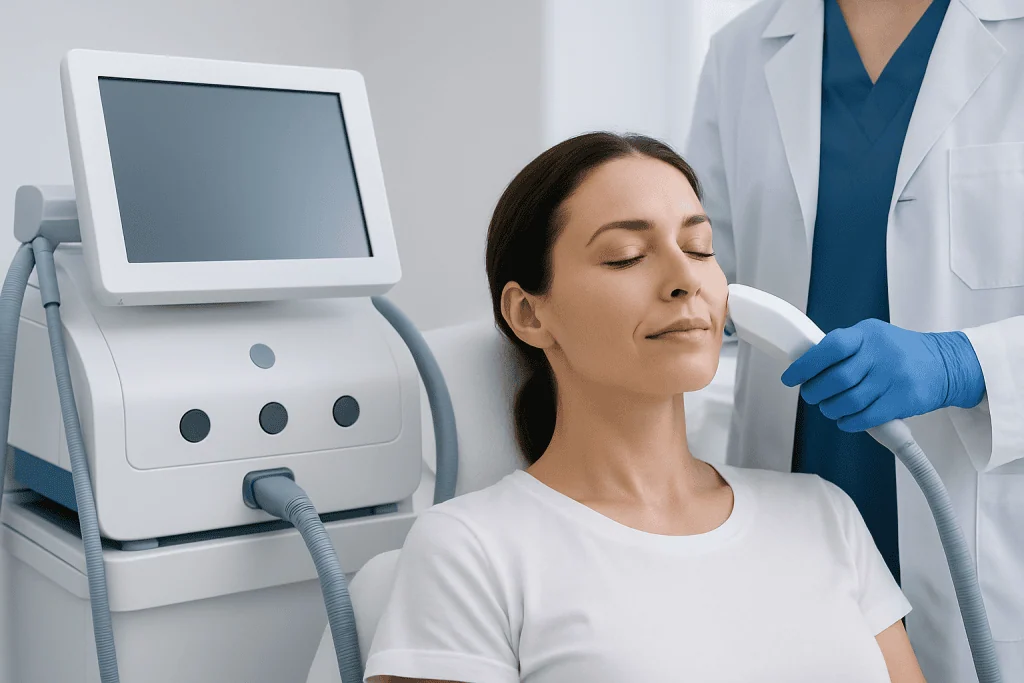
Facial aging does not happen in the same way for every person. Changes may include dynamic wrinkles caused by muscle movement, such as forehead lines or crow’s feet, as well as static wrinkles that remain visible at rest. Skin may also become thinner, drier, rougher, and less elastic over time. Sun exposure can lead to uneven pigmentation, redness, or a dull complexion.
Another common concern is volume loss. With age, the face may lose fat, collagen, and structural support, especially around the cheeks, temples, under-eye area, and lips. This can create a tired or hollow appearance. At the same time, the lower face and neck may show sagging because of changes in skin elasticity and deeper support tissues.
Facial rejuvenation may also help improve concerns that are not strictly age-related. Some people seek treatment for acne scars, enlarged pores, uneven texture, or persistent pigmentation. Others are interested in reshaping or refining features rather than reversing aging alone. In those cases, skin-focused treatments or carefully placed fillers may be considered.
Understanding the main concern is one of the most important steps in choosing the right option. A treatment that works well for fine lines may not improve jowls, and a filler that restores cheek volume may not treat discoloration. Matching the treatment to the concern usually leads to safer care and more satisfying results.
Non-Surgical Options: For Texture, Lines, and Mild Aging Changes
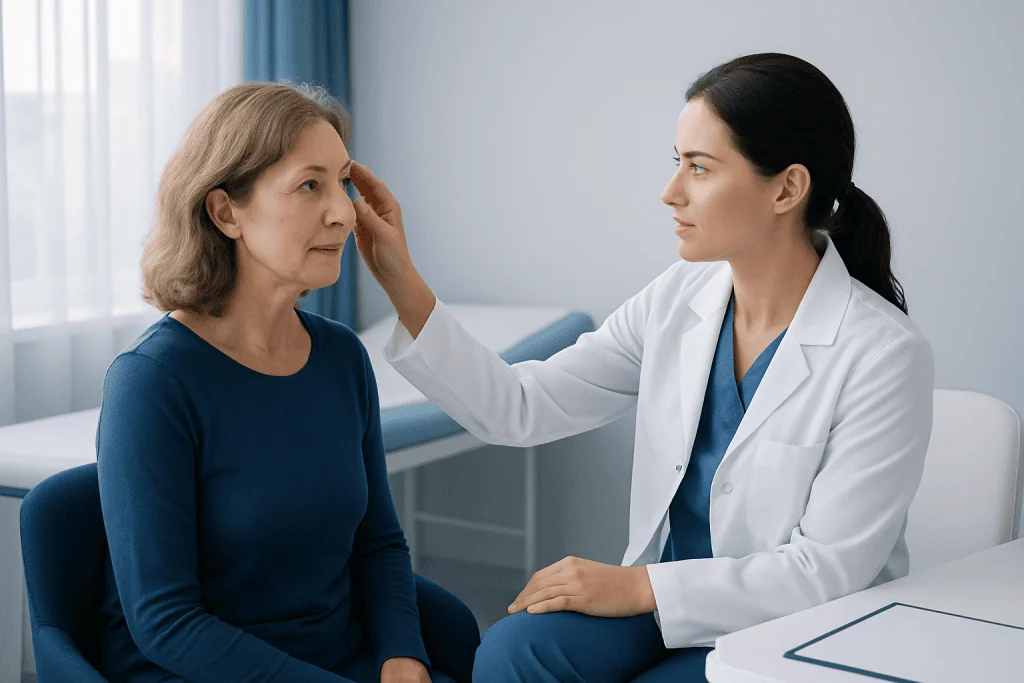
Non-surgical facial rejuvenation is often the first choice for people who want gradual improvement with less recovery time. Medical-grade skincare can support skin renewal and help with dryness, pigmentation, mild acne, and early fine lines. Depending on the skin type and concerns, a doctor may recommend ingredients such as retinoids, antioxidants, exfoliating acids, or pigment-regulating agents.
Injectable treatments are commonly used for early to moderate signs of aging. Botulinum toxin can relax selected facial muscles to soften dynamic wrinkles, especially on the forehead, between the eyebrows, and around the eyes. Dermal fillers can restore lost volume, enhance contours, and improve areas such as the cheeks, lips, jawline, or under-eye hollowing. These treatments can offer noticeable results, but they are temporary and require maintenance.
Energy-based and resurfacing procedures can improve texture and tone. Options may include laser treatment, chemical peels, microneedling, or radiofrequency-based procedures. These are often used to reduce sun damage, fine lines, enlarged pores, acne scars, and uneven skin texture. The most suitable approach depends on skin tone, sensitivity, recovery expectations, and the depth of the problem being treated.
Non-surgical treatments can be very effective, but they also have limits. They usually cannot create the same degree of lift as surgery when there is significant skin laxity or heavy jowling. Still, for many people, they provide a practical way to maintain skin quality and delay the need for more invasive procedures.
Surgical Options: For More Noticeable Lifting and Structural Change
Surgical facial rejuvenation may be considered when aging changes involve deeper tissue descent, marked skin laxity, or more advanced contour loss. These procedures aim to improve facial structure, remove or reposition excess tissue, and create longer-lasting correction than non-surgical methods alone. Surgery may be especially helpful for significant jowls, loose neck skin, drooping brows, or heavy upper eyelids.
Different operations address different areas. A facelift typically improves the lower face and jawline and may also help the midface, depending on the technique used. A neck lift focuses on loose skin and banding under the chin and along the neck. Eyelid surgery can address puffiness, excess upper eyelid skin, or under-eye bags, while a brow lift may improve forehead lines and drooping eyebrows.
Many people benefit from combining surgery with skin-focused treatments. For example, a facelift can improve sagging, but it does not directly remove pigmentation, fine lines around the mouth, or rough skin texture. Pairing surgery with resurfacing or skincare may create a more balanced result. This combined approach is often discussed during treatment planning.
Surgical treatment requires more preparation and recovery than non-surgical options. Swelling, bruising, and temporary activity restrictions are common. However, for the right candidate, surgery may provide the most effective correction of deeper aging changes and may reduce the need for frequent maintenance procedures.
How to Choose the Right Treatment for Your Goals
Choosing among facial rejuvenation treatments starts with a clear understanding of the main goal. If the concern is facial expression lines, injectable treatment may be enough. If the problem is pigmentation or rough texture, resurfacing options may be more helpful. If the main issue is sagging skin or jowls, a surgical procedure may offer a better match. The treatment plan should follow the concern rather than trends or social media popularity.
Recovery time is another important factor. Some people prefer treatments that allow a quick return to work or daily routines, even if results are more subtle and temporary. Others are willing to accept more downtime for a longer-lasting improvement. Budget, skin type, age, overall health, and previous treatments also influence the choice.
A thorough consultation is essential. The specialist usually assesses skin quality, elasticity, facial balance, volume loss, bone structure, and muscle movement. They may also review medical history, medications, smoking, sun exposure habits, and any tendency toward scarring or pigmentation changes. This helps identify which treatments are safe and realistic.
It is also important to discuss expectations openly. Facial rejuvenation usually aims to refresh and harmonize the face rather than change identity. A well-chosen plan should support natural-looking results that fit the person’s features. In some cases, a staged approach works best, beginning with skin quality or volume and adding other treatments later if needed.
What to Expect From Consultation, Safety, and Recovery
During a consultation, the doctor typically asks what changes bother the person most and what kind of result they hope to achieve. Photographs may be taken for planning and follow-up comparison. The clinician explains suitable options, likely benefits, possible side effects, limitations, and expected recovery. This discussion helps people make informed decisions instead of choosing treatment based only on before-and-after images.
Safety depends heavily on the qualifications and experience of the treating professional. Facial anatomy is complex, and even non-surgical procedures should be performed carefully. Risks vary by treatment and may include bruising, swelling, redness, temporary asymmetry, pigment changes, infection, scarring, or unsatisfactory cosmetic results. A proper assessment lowers risk and helps ensure that the treatment matches the individual’s needs.
Recovery is different for each procedure. Injectables may involve little downtime, though mild swelling or bruising can occur. Laser resurfacing or deeper peels may require a healing period with redness, peeling, and careful sun avoidance. Surgical procedures involve a longer recovery, follow-up visits, and temporary limitations on exercise or strenuous activity.
Following aftercare instructions is an important part of the outcome. These instructions may include sun protection, gentle skincare, avoiding smoking, pausing certain products, and attending review appointments. Near the end of the treatment journey, some people also seek care in experienced centers; Acibadem International’s multidisciplinary specialists and JCI-accredited hospitals diagnose and treat aesthetic concerns for international patients when facial rejuvenation procedures are being considered.
Maintaining Results and Knowing When to Seek Professional Advice
Long-term maintenance is an important part of facial rejuvenation. Daily sun protection helps slow photoaging and protects the investment made in treatment. A consistent skincare routine, adequate sleep, hydration, smoking avoidance, and balanced nutrition can all support skin health. Even after surgery, lifestyle factors continue to affect how the face ages over time.
Some treatments need regular maintenance because their effects naturally fade. Fillers gradually break down, and muscle-relaxing injections wear off over time. Skin-focused treatments may be repeated periodically to maintain brightness, texture, or collagen stimulation. A doctor can help create a schedule that is appropriate without overtreatment.
Professional advice is especially important if a person is unsure which treatment category fits their concerns, has a history of keloid scarring, has darker skin that may be more prone to pigment changes after certain procedures, or has medical conditions that may affect healing. It is also wise to seek assessment if there are sudden skin changes, suspicious lesions, or symptoms that suggest a non-cosmetic skin condition, since not every facial concern is simply related to aging.
A consultation can also help if past treatment results were disappointing or unnatural-looking. Reassessment may reveal that the original concern was not correctly identified, or that a more suitable combination is needed. Thoughtful planning, realistic expectations, and qualified medical guidance are the best foundations for choosing the right facial rejuvenation treatment.
Frequently asked questions
What is the best facial rejuvenation treatment?
There is no single best treatment for everyone. The most suitable option depends on whether the main concern is wrinkles, sagging, volume loss, pigmentation, scars, or skin texture. A specialist can recommend a plan based on facial anatomy, skin type, goals, and recovery preferences.
Are non-surgical facial rejuvenation treatments effective?
Yes, non-surgical treatments can be very effective for mild to moderate aging changes and skin quality concerns. They often improve lines, texture, pigmentation, and volume with less downtime than surgery. However, they usually cannot provide the same degree of lifting as surgical procedures when skin sagging is more advanced.
How long do facial rejuvenation results last?
Results vary by treatment type, skin condition, age, and lifestyle factors such as sun exposure and smoking. Injectables are temporary and need maintenance, while surgical procedures often last longer. Even long-lasting results still change gradually over time as natural aging continues.
Is facial rejuvenation painful?
Discomfort levels depend on the procedure. Many non-surgical treatments involve only mild to moderate discomfort, and doctors may use numbing creams or other comfort measures. Surgical procedures involve anesthesia and a recovery period, but pain is usually managed with appropriate medical guidance.
At what age should someone consider facial rejuvenation?
There is no ideal age because treatment decisions depend more on concerns than on age alone. Some people start with preventive skincare or subtle injectables in early adulthood, while others do not seek treatment until later. The best timing is when concerns are clearly defined and expectations are realistic.
Can treatments be combined for better results?
Yes, combination treatment is common and often helpful. For example, a person may combine injectables for wrinkles, fillers for volume, and resurfacing for texture or pigmentation. Combining treatments should be planned carefully by a qualified professional to keep results balanced and safe.
References
- American Society of Plastic Surgeons
- American Academy of Dermatology
- British Association of Aesthetic Plastic Surgeons
- National Health Service
- International Society of Aesthetic Plastic Surgery
This article is for general information only and is not a substitute for professional medical advice. Please consult a qualified doctor about your individual situation.
Facial Rejuvenation in Turkey — costs, top hospitals & a free quote
JCI-accredited · board-certified surgeons · reply within 24h
Add us as a Preferred Source to see more of our trusted health content across Google Search, AI Overviews and Discover.