Femto LASIK Recovery: When Vision Clears and When You Can Travel

Many patients notice better vision within 24 to 48 hours, but mild fluctuation is common early on. Dryness, glare, halos, and light sensitivity often improve gradually over days to weeks.
Key Takeaways
- Many patients notice better vision within 24 to 48 hours, but mild fluctuation is common early on.
- Dryness, glare, halos, and light sensitivity often improve gradually over days to weeks.
- Travel is often possible soon after Femto LASIK, but the timing should match the surgeon’s follow-up plan.
- Careful use of prescribed eye drops and avoiding eye rubbing are important for recovery.
- Anyone with worsening pain, sudden vision loss, or increasing redness should seek urgent medical advice.
Femto LASIK recovery is generally fast, but vision does not become perfectly stable at the same pace for everyone. Most people notice clearer sight within the first few days, while full healing, comfort, and travel readiness depend on the eyes healing well and follow-up checks going as planned.
Overview of Femto LASIK Recovery
Femto LASIK is a type of laser vision correction that uses a femtosecond laser to create a thin corneal flap, followed by an excimer laser to reshape the cornea. It is commonly used to treat refractive errors such as astigmatism, nearsightedness, and farsightedness. Compared with older blade-based techniques, this method is designed to offer high precision and a predictable recovery experience for many suitable patients.
Recovery after Femto LASIK is usually measured in stages. The surface of the eye starts healing quickly, which is why many people notice an improvement in vision within a day or two. However, the cornea continues to settle over time, so visual sharpness, night vision, and eye comfort may keep improving for several weeks.
It is also important to separate “functional recovery” from “complete healing.” A person may be able to read, use a phone, or return to routine activities quite early, yet still have temporary dryness or fluctuating vision. This is normal in many cases and does not automatically mean there is a problem.
The recovery timeline is influenced by the person’s prescription, tear quality, corneal health, and how closely aftercare instructions are followed. A thorough eye examination before surgery helps identify whether Femto LASIK is the best option or whether another refractive approach may be more appropriate.
When Vision Usually Clears
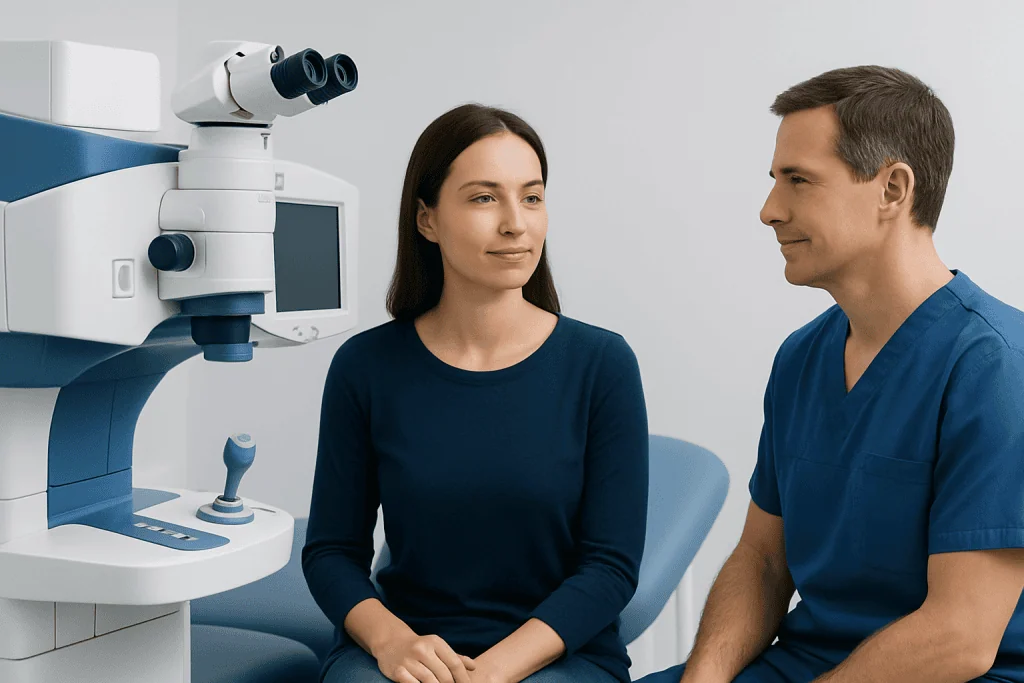
Many patients find that vision begins to clear within the first 24 hours after Femto LASIK. Reading signs, recognizing faces, and moving around comfortably often become easier very quickly. Even so, the first day may still include some blur, watery eyes, mild burning, or a feeling that something is in the eye.
During the first few days, vision can change from hour to hour. This fluctuation is often related to tear film instability and early corneal healing rather than a permanent problem. One eye may also seem to recover faster than the other, which can be unsettling but is commonly seen in routine recovery.
For many people, daily activities feel much easier within a few days, and vision continues to sharpen over the first one to two weeks. Fine visual tasks such as prolonged screen work, night driving, or reading very small print may take longer to feel comfortable. Halos, glare, and light sensitivity often improve gradually rather than all at once.
Although people often ask for an exact day when vision becomes “perfect,” there is no single timetable that fits everyone. Some patients experience rapid clarity, while others need more time for dryness and night-vision symptoms to settle. The surgeon’s follow-up visits are important because they confirm whether the healing pattern is expected.
Common Symptoms During Healing
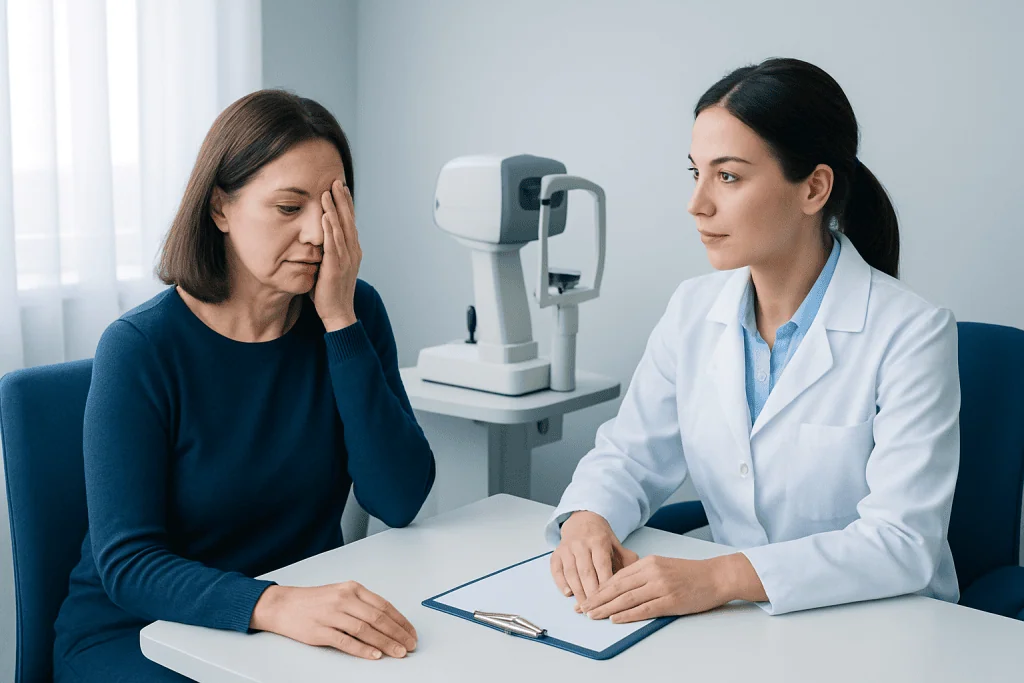
Early Femto LASIK recovery usually involves mild and temporary symptoms. Common experiences include blurry vision, light sensitivity, tearing, a gritty sensation, and eye dryness. These symptoms are often strongest on the day of surgery and then improve steadily over the next several days.
Dry eye symptoms are especially common because corneal nerves need time to recover after the procedure. The eyes may feel tired, sting in air-conditioned spaces, or become more uncomfortable during long periods of reading or screen use. Preservative-free lubricating drops are often recommended to support comfort and help the tear film stay stable.
Some people notice halos around lights, glare at night, or reduced contrast in dim environments. These visual effects can be more noticeable in the early healing stage and often improve as swelling decreases and the corneal surface becomes smoother. Temporary fluctuations do not always reflect the final result.
Symptoms that are not typical include severe pain, a sudden drop in vision, increasing redness, thick discharge, or a new shadow in the visual field. These may suggest infection, inflammation, flap displacement, or another complication and should be assessed quickly by an eye specialist.
What Affects Healing Time
Healing time after Femto LASIK can vary based on both eye-related and lifestyle factors. A stronger prescription, pre-existing dry eye, contact lens overuse, or subtle corneal irregularity may make recovery feel slower. For some patients, another procedure such as PRK or ReLEx SMILE may be considered depending on corneal measurements and visual goals.
How the eyes are treated after surgery also matters. Rubbing the eyes, missing prescribed drops, swimming too soon, or exposing the eyes to dust and smoke can irritate the healing surface. Even if discomfort seems mild, good aftercare helps reduce risk and supports stable visual outcomes.
General health may play a role as well. Conditions that affect wound healing, hormone-related changes, and some medications can influence dryness and recovery speed. If there is any history of eye disease, previous surgery, or persistent irritation, the surgeon may plan closer follow-up.
Not everyone is an ideal candidate for LASIK in the first place. People with significant corneal thinning, unstable prescriptions, or disorders such as keratoconus may need different management, including keratoconus treatment rather than corneal laser reshaping. Proper patient selection is one of the most important parts of a smooth recovery.
Travel After Femto LASIK: When Is It Safe?
Travel after Femto LASIK is often possible fairly soon, but the safest timing depends on the surgeon’s instructions and the planned follow-up schedule. Many patients can travel after their first postoperative check if the eyes look stable and there are no concerns. The key issue is not only comfort during travel but also access to timely review if symptoms arise.
Flying itself does not usually damage the LASIK result, but airplane cabins are dry and can make the eyes feel irritated. Using lubricating drops, staying hydrated, and avoiding touching the eyes can help. It is wise to keep all prescribed eye drops in hand luggage and continue them exactly as directed.
Long-distance or international travel may need more planning. Patients should ask whether they need a next-day review, a one-week review, or another check before leaving. They should also know where to seek urgent eye care at their destination in case of pain, worsening vision, or increasing redness.
Certain travel-related activities may need to wait longer than the journey itself. Swimming pools, hot tubs, dusty outdoor environments, and eye makeup can increase irritation or infection risk during the early healing phase. If travel is for medical tourism or scheduled around the procedure, the surgical team can help build a safe timeline that includes both rest and review. Acibadem International’s multidisciplinary eye specialists in JCI-accredited hospitals diagnose and treat refractive conditions for international patients and can guide postoperative planning when travel is involved.
Aftercare and Self-Care Tips
Good aftercare supports comfort and reduces the risk of complications. Patients are usually advised to use prescribed antibiotic and anti-inflammatory drops for a limited period, along with lubricating tears. It is important to follow the exact schedule provided by the treating ophthalmologist and not stop drops early without advice.
Protecting the eyes in the first days is also important. Helpful steps often include wearing the provided eye shields while sleeping, avoiding eye rubbing, and limiting exposure to dust, smoke, and strong wind. Sunglasses can make outdoor light more comfortable and may reduce the urge to squint.
Screen use, reading, and close work are often possible soon after surgery, but taking breaks is helpful because staring can worsen dryness. Many specialists suggest short, regular pauses to blink fully and refresh the tear film. This can make a noticeable difference in comfort during computer use.
Patients who previously relied on lenses should not restart them unless a doctor specifically advises it. If vision is not settling as expected, the eye team may reassess for dryness, residual refractive error, or other issues. Occasionally, symptoms unrelated to LASIK recovery, such as irritation from conjunctivitis, may need separate treatment.
When to See a Doctor
Routine follow-up after Femto LASIK is an essential part of care, even when recovery seems smooth. These visits allow the surgeon to check the corneal flap, monitor healing, and confirm that the visual changes match expectations. Patients should keep all appointments, especially in the first days and weeks.
A doctor should be contacted promptly if there is severe or increasing pain, sudden worsening of vision, marked redness, sensitivity to light that is getting worse, or discharge from the eye. These are not the usual pattern of recovery and may indicate infection, inflammation, or flap-related problems. Early treatment can be very important.
Patients should also ask for review if vision remains very blurry beyond the expected period, if one eye seems much worse than the other, or if dryness is interfering significantly with daily life. Sometimes the solution is simple, such as more intensive lubrication, but assessment is still important. Persistent concerns should not be ignored.
Anyone considering vision correction should remember that LASIK is one option among several. In some cases, surgeons may discuss alternatives such as LASIK in broader terms or surface procedures based on corneal shape, eye health, and lifestyle. A personalized plan gives the best chance of safe treatment and a more confident recovery.
Frequently asked questions
How long does Femto LASIK recovery usually take?
Initial recovery is often quick, with many people noticing better vision within one to two days. However, complete visual stabilization and improvement in dryness or night-vision symptoms can take several weeks.
When can vision be expected to become clear after Femto LASIK?
Vision often becomes noticeably clearer within the first 24 to 48 hours. It is still common for clarity to fluctuate in the early days, especially when the eyes feel dry.
Is it safe to fly after Femto LASIK?
Flying is often safe after Femto LASIK if the first postoperative assessment is satisfactory and the surgeon agrees. The main issue is dry cabin air and the need for follow-up, so lubricating drops and careful planning are important.
When can someone travel internationally after Femto LASIK?
International travel may be possible soon after surgery for some patients, but it should be planned around follow-up appointments. A surgeon may advise staying nearby until the eye is checked and healing is confirmed to be stable.
What symptoms are normal during Femto LASIK healing?
Mild blur, dryness, light sensitivity, tearing, and a gritty feeling are common early symptoms. Temporary glare or halos at night can also happen and often improve gradually.
What symptoms after Femto LASIK need urgent attention?
Severe pain, sudden vision loss, increasing redness, or discharge should be assessed urgently. These symptoms are not typical of routine recovery and may need prompt treatment.
References
- American Academy of Ophthalmology
- National Eye Institute
- American Society of Cataract and Refractive Surgery
- Royal College of Ophthalmologists
This article is for general information only and is not a substitute for professional medical advice. Please consult a qualified doctor about your individual situation.
Femto LASIK in Turkey — costs, top hospitals & a free quote
JCI-accredited · board-certified surgeons · reply within 24h
Add us as a Preferred Source to see more of our trusted health content across Google Search, AI Overviews and Discover.

Ophthalmology
Comprehensive eye care from laser vision correction to retina, cornea and cataract surgery.
75 specialists in this unit