Fractured Vertebrae: What Patients Need to Know
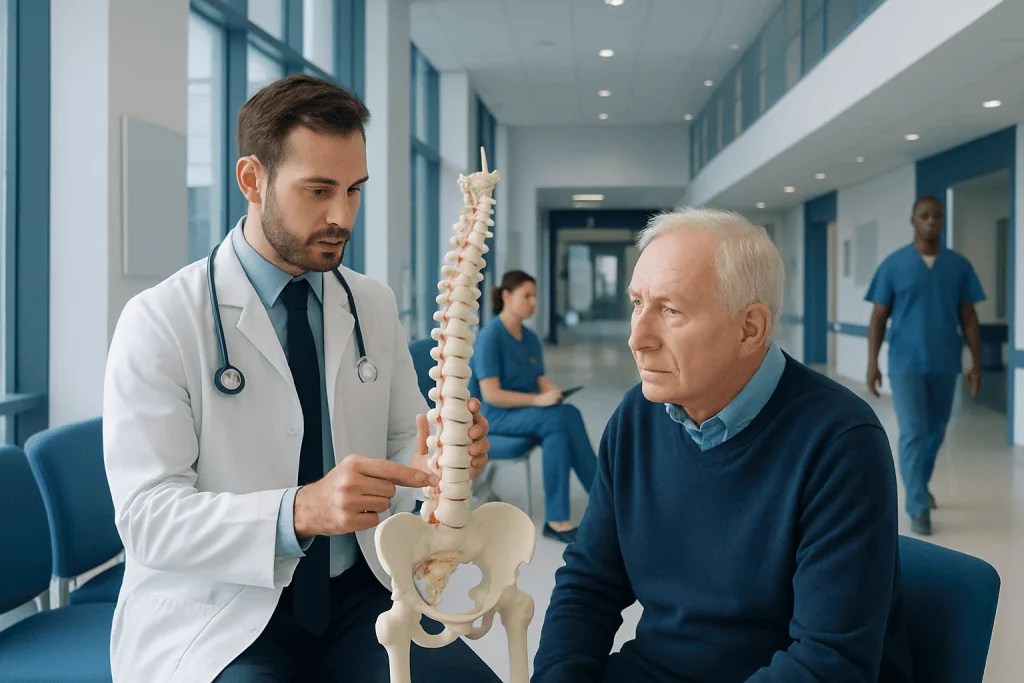
Fractured vertebrae may happen after a fall or accident, or with little trauma when bones are weakened by osteoporosis. Symptoms can include sudden back pain, reduced height, stooped posture, or numbness and weakness if nerves are affected.
Key Takeaways
- Fractured vertebrae may happen after a fall or accident, or with little trauma when bones are weakened by osteoporosis.
- Symptoms can include sudden back pain, reduced height, stooped posture, or numbness and weakness if nerves are affected.
- Diagnosis usually involves a physical exam and imaging such as X-ray, CT, or MRI.
- Treatment may include pain control, bracing, activity changes, physical therapy, and in selected cases procedures or surgery.
- Prompt medical care is important after significant trauma or if back pain occurs with leg weakness, numbness, or bladder or bowel changes.
Fractured vertebrae are breaks in one or more spinal bones, often caused by osteoporosis, trauma, or cancer affecting bone strength. Some cause sudden severe pain, while others develop gradually, so diagnosis and treatment depend on the fracture pattern, symptoms, and overall health.
Overview: what fractured vertebrae mean
Fractured vertebrae are breaks in the bones of the spine. The spine is made up of stacked vertebrae that protect the spinal cord and help support posture and movement. A fracture can affect the front, middle, or back part of a vertebra, and the severity ranges from a small compression injury to a more unstable break involving several parts of the bone.
Many people think a spinal fracture only happens after a major accident, but this is not always the case. In older adults and in people with fragile bones, a vertebra can fracture during a minor fall, lifting, bending, or even coughing. These are often called compression fractures because the vertebral body collapses or becomes wedge-shaped.
Not every vertebral fracture causes the same symptoms or needs the same treatment. Doctors look at the location of the fracture, how stable the spine is, whether the nerves are affected, and what caused the break. This careful evaluation helps guide the safest treatment plan and lowers the risk of long-term pain or deformity.
How symptoms can appear
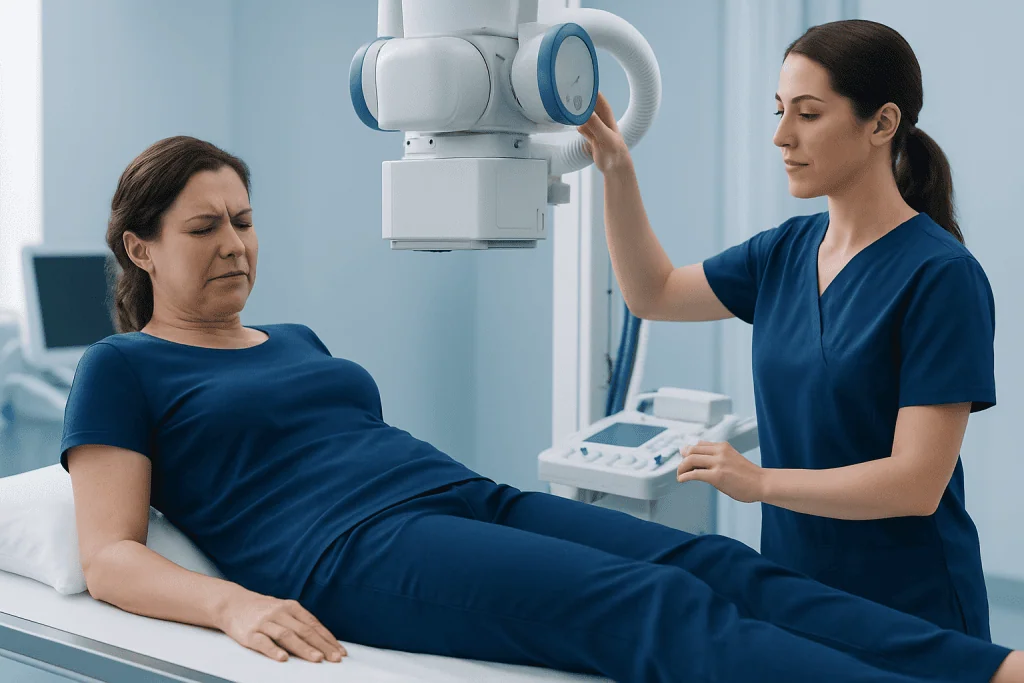
Symptoms of fractured vertebrae can begin suddenly or develop over time. A person may feel sharp mid-back or lower-back pain after a fall, twist, or impact. The pain often gets worse with standing, walking, or changing position, and may improve somewhat when lying down.
Some fractures are more subtle. A person may notice gradually worsening back pain, loss of height, or a more rounded upper back posture. This pattern is common in osteoporotic compression fractures, which can sometimes be mistaken for ordinary back strain, especially if there was no obvious injury.
If the fracture irritates or compresses nearby nerves, symptoms may go beyond pain. These can include numbness, tingling, weakness in the legs, trouble walking, or pain that radiates into the chest, abdomen, or limbs depending on the fracture level. Urgent assessment is needed if bowel or bladder control changes or if weakness appears.
- Sudden back pain after trauma
- Pain that worsens with movement or standing
- Loss of height or stooped posture
- Numbness, tingling, or leg weakness
- Difficulty walking or maintaining balance
Common causes and risk factors
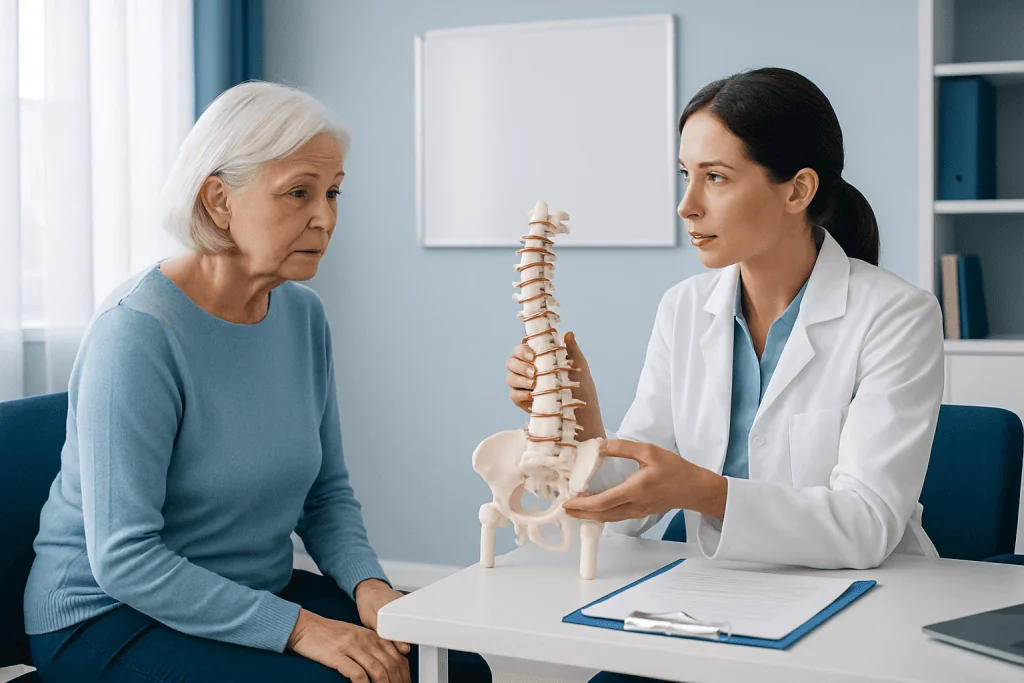
The most common cause of fractured vertebrae in older adults is osteoporosis. This condition reduces bone density and strength, making vertebrae more likely to collapse under normal daily forces. Women after menopause, older adults, and people with a family history of fragile bones are at higher risk, but osteoporosis can affect men as well.
Trauma is another important cause. Road traffic accidents, sports injuries, falls from height, and direct impacts can produce more severe spinal fractures. In younger adults, traumatic fractures are often linked to high-energy events and may occur together with injuries to other bones, muscles, or internal organs.
Cancer that spreads to bone or starts in the spine can weaken vertebrae and lead to pathologic fractures. Long-term corticosteroid use, smoking, low body weight, low calcium or vitamin D intake, and certain chronic illnesses can also increase fracture risk. In some cases, doctors investigate whether an apparently minor fracture may signal underlying osteoporosis or another bone-weakening condition.
How doctors diagnose vertebral fractures
Diagnosis begins with a medical history and physical examination. The doctor asks about the timing of pain, recent trauma, previous fractures, osteoporosis risk, cancer history, and nerve-related symptoms. During the exam, they check spinal tenderness, posture, movement, strength, sensation, and reflexes.
Imaging is often needed to confirm fractured vertebrae and understand their pattern. Plain X-rays may show compression or alignment changes, but CT scans can provide more detail about the bone structure and whether the fracture is stable. MRI is especially useful when doctors need to assess the spinal cord, nerves, soft tissues, or whether a fracture is new or old.
Additional tests may be recommended depending on the likely cause. A bone density scan can help assess osteoporosis risk. Blood tests may be used if infection, cancer, or metabolic bone disease is suspected. When pain is severe or the diagnosis is uncertain, a specialist in spine surgery or spinal disorders may help guide the next steps.
Treatment options and recovery
Treatment depends on how serious the fracture is and whether the spine remains stable. Many stable compression fractures can be managed without surgery. Conservative care may include pain-relieving medicines, short-term activity modification, gradual return to movement, and sometimes a brace to support healing and reduce painful motion.
Physical therapy is often introduced as pain improves. The goals are to protect the spine, strengthen the muscles that support posture, improve balance, and help the person return safely to daily activities. For people whose fracture is related to weak bones, treatment of the underlying cause matters as much as the fracture itself. This may include bone health assessment, nutrition guidance, and medicines that help reduce the risk of future fractures.
In selected cases, procedures or surgery may be considered. This is more likely if pain remains severe despite conservative treatment, if the fracture is unstable, or if there is pressure on the spinal cord or nerves. Depending on the situation, care may involve kyphoplasty or vertebroplasty or more extensive orthopedic rehabilitation after treatment. Doctors tailor the plan to symptom severity, overall health, and imaging findings.
Recovery time varies. Some people improve over several weeks, while others need months to regain comfort and confidence in movement. Follow-up is important to monitor healing, check posture and function, and adjust treatment if pain persists or new symptoms appear.
Prevention and self-care after a fracture
Preventing fractured vertebrae often begins with protecting bone strength. Adequate calcium and vitamin D intake, weight-bearing exercise, avoiding smoking, and limiting excess alcohol can support bone health. People at risk of osteoporosis should ask a clinician whether bone density testing is appropriate, especially after menopause, with increasing age, or after a low-impact fracture.
Fall prevention is also important. Good lighting, secure rugs, supportive footwear, vision correction, and balance training can reduce the chance of injury at home. People taking medicines that cause dizziness should review them with a doctor if they are concerned about falling.
After a vertebral fracture, self-care should focus on safe movement rather than prolonged bed rest. Resting briefly during severe pain can help, but too much inactivity may lead to muscle weakness, stiffness, and slower recovery. A clinician or therapist can advise on posture, lifting limits, and when it is safe to resume work, driving, or exercise.
People with repeated spinal fractures may need ongoing evaluation to reduce future risk. This can include treatment of osteoporosis, review of nutrition and physical activity, and assessment for conditions that weaken bone. In some cases, a broader review for related problems such as spinal alignment changes or other degenerative spine conditions may be helpful.
When to seek medical care
Medical assessment is important for any new significant back pain after a fall, accident, or direct impact. It is also important when back pain starts suddenly without major injury in an older adult or in someone known to have osteoporosis, cancer, or long-term steroid use. Early diagnosis can help prevent ongoing pain, worsening deformity, or missed nerve injury.
Urgent care is needed if back pain occurs with weakness, numbness, trouble walking, severe pain that does not improve, or changes in bladder or bowel control. These symptoms may suggest pressure on the spinal cord or nerves and should not be ignored. Fever, unexplained weight loss, or a history of cancer also deserve prompt evaluation.
For international patients needing assessment or ongoing care, Acibadem International’s multidisciplinary specialists and JCI-accredited hospitals diagnose and treat spinal fractures using individualized plans based on imaging findings, symptoms, and overall health.
Frequently asked questions
Can fractured vertebrae heal on their own?
Many stable vertebral fractures can heal with time, pain management, and guided activity changes. However, healing should still be monitored by a clinician because some fractures are unstable or may lead to long-term pain, posture changes, or nerve problems if not treated properly.
Are fractured vertebrae always caused by a serious accident?
No. In people with osteoporosis or other bone-weakening conditions, a vertebra may fracture after a minor fall or even routine daily movement. In younger adults with stronger bones, vertebral fractures are more often related to high-energy trauma.
What is the difference between a compression fracture and other spinal fractures?
A compression fracture usually means the front part of the vertebra has collapsed, often because the bone is weak. Other spinal fractures may involve different parts of the vertebra and can be more unstable, especially after major trauma.
Do all fractured vertebrae need surgery?
No. Many people improve with non-surgical treatment such as pain control, bracing, and physical therapy. Surgery or procedures are usually reserved for severe pain that does not improve, unstable fractures, or cases where nerves or the spinal cord are at risk.
How long does recovery from fractured vertebrae take?
Recovery varies depending on the type of fracture, age, bone health, and whether nerves are involved. Some people improve within a few weeks, while others need several months of treatment and rehabilitation.
Can a fractured vertebra cause paralysis?
Most vertebral compression fractures do not cause paralysis. However, a fracture that narrows the spinal canal or injures the spinal cord can cause serious nerve symptoms, so urgent medical care is needed if there is weakness, numbness, or loss of bladder or bowel control.
This article is for general information only and is not a substitute for professional medical advice. Please consult a qualified doctor about your individual situation.
Joint and spine care in Turkey — expert assessment & treatment
JCI-accredited · board-certified surgeons · reply within 24h
Add us as a Preferred Source to see more of our trusted health content across Google Search, AI Overviews and Discover.

More from the Health Library

Aspirin: An Evidence-Based Guide for Patients

Stiolto Respimat — Explained by Medical Evidence, Not Myths

Foci: Symptoms, Causes, and Treatment — Complete Patient Guide

Prosthetic Arm: A Complete Medical Overview

Thyroid Nodule — Explained by Medical Evidence, Not Myths

Risk of Sids Month by Month — Explained by Medical Evidence, Not Myths
Orthopedic Surgery & Traumatology Specialists at Acibadem

Fzt. A.Sercan Soyarslan
Physical Medicine & Rehabilitation
Dr. Abdullah Yener İnce
Orthopedic Surgery & Traumatology
Dr. Adnan Abbasoğlu
Orthopedic Surgery & Traumatology
Prof. Dr. Ahmet Alanay
Orthopedic Surgery & Traumatology