Frigidity: A Complete Medical Overview

Frigidity is an outdated term and is not the preferred medical diagnosis today. Persistent problems with desire, arousal, orgasm, or pain can have physical, emotional, or relationship-related causes.
Key Takeaways
- Frigidity is an outdated term and is not the preferred medical diagnosis today.
- Persistent problems with desire, arousal, orgasm, or pain can have physical, emotional, or relationship-related causes.
- Assessment usually includes a medical history, medication review, and sometimes a pelvic exam or lab tests.
- Treatment depends on the cause and may include counseling, pelvic care, hormonal evaluation, or treatment of underlying conditions.
- Sexual concerns are common and treatable, and discussing them with a qualified clinician can be helpful and appropriate.
Frigidity is an older, non-medical term once used to describe persistent low sexual desire, reduced arousal, or difficulty enjoying sexual activity. Today, doctors use more precise terms and assess hormonal, physical, psychological, and relationship factors to find supportive, evidence-based treatment options.
Overview
Frigidity is an older term that has been used to describe reduced sexual interest, difficulty becoming aroused, limited sexual pleasure, or a general lack of responsiveness during sexual activity. In modern medicine, the term is considered imprecise and outdated because it does not explain the specific problem or its cause. Instead, clinicians use clearer terms such as low sexual desire, sexual arousal disorder, orgasm difficulties, or sexual pain disorders.
Sexual function is complex and influenced by the body, mind, relationships, and life circumstances. A person may notice changes during periods of stress, after childbirth, during menopause, while taking certain medications, or when living with chronic illness. For this reason, an accurate evaluation looks beyond the symptom alone and explores the broader health picture.
It is also important to distinguish occasional changes in sexual interest from an ongoing problem. Desire can naturally vary over time and from person to person. A medical concern usually arises when symptoms are persistent, cause distress, affect well-being or relationships, and are not better explained by a temporary situation.
Symptoms and how it may appear
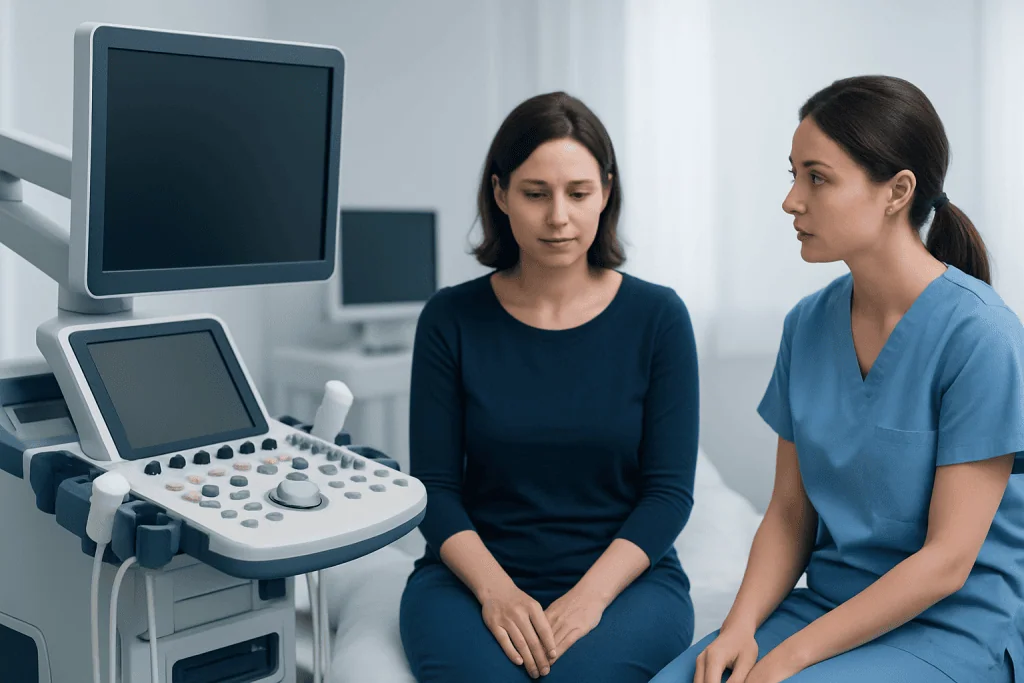
People once described as having frigidity may actually be experiencing one or more specific symptoms. Some have little or no interest in sexual activity, while others feel desire but struggle to become physically aroused. Some may have trouble reaching orgasm, and others may avoid intimacy because of discomfort or pain.
Symptoms can appear in different ways. They may be present all the time or only in certain situations. They may begin early in sexual life, or they may develop later after a period of normal sexual function. In some cases, the difficulty occurs only with a particular partner or under particular emotional or medical circumstances.
- Persistently low or absent sexual desire
- Difficulty becoming aroused despite interest
- Reduced genital sensation or lubrication
- Difficulty reaching orgasm
- Avoidance of intimacy because of distress, fear, or discomfort
- Pain during sexual activity, which may suggest another condition such as vaginismus
Because these symptoms can overlap, a clinician usually asks detailed but respectful questions to understand which part of sexual function is affected most. This helps guide treatment and avoids labeling all concerns under one vague term.
Causes and risk factors

There is rarely one single cause. Sexual difficulties often develop from a combination of biological, psychological, and social factors. Hormonal shifts can affect desire and arousal, especially around menopause, after childbirth, or during breastfeeding. Conditions that cause fatigue, pain, circulation problems, or nerve changes may also interfere with sexual response.
Medications are another common factor. Some antidepressants, blood pressure medicines, hormonal treatments, and other drugs can reduce libido or make arousal and orgasm more difficult. Chronic illnesses such as diabetes, thyroid disorders, depression, anxiety, and pelvic floor problems may also contribute. Vaginal dryness, especially after menopause, can lead to discomfort that then affects desire.
Emotional and relationship factors matter as well. Stress, poor sleep, body image concerns, unresolved conflict, past trauma, fear of pain, and cultural beliefs about sexuality can all play a role. In some people, sexual symptoms are linked to mood disorders or previous negative experiences; in others, they reflect a relationship issue rather than a primary physical condition.
Sometimes sexual pain is the main reason for reduced interest. When intercourse is painful, the body may naturally become tense or avoidant. Conditions such as vaginal dryness, pelvic floor dysfunction, endometriosis, infection, or dyspareunia may need to be assessed before desire and arousal can improve.
How doctors diagnose the problem
Diagnosis begins with a careful conversation rather than a single test. The clinician usually asks about the exact symptoms, when they started, whether they happen in all situations or only some, and how much distress they cause. Questions may also cover general health, menstrual history, menopause status, childbirth history, medications, sleep, stress, and relationship context.
A physical examination may be recommended if there is pain, dryness, bleeding, pelvic discomfort, or a suspected hormonal or gynecologic issue. A pelvic exam can help identify vaginal changes, infections, skin conditions, muscle tension, or signs of menopause-related dryness. In selected cases, blood tests may be ordered to assess thyroid function, blood sugar, or hormone-related issues, depending on the person’s symptoms and overall health.
Doctors also consider mental health because anxiety, depression, trauma, and chronic stress commonly affect sexual well-being. This does not mean the symptoms are “just psychological.” Rather, sexual function depends on many interacting systems, so diagnosis aims to understand all contributing factors.
If pain is prominent, specialist evaluation may be helpful. Some patients benefit from assessment by gynecology, endocrinology, pelvic floor rehabilitation, or mental health professionals with expertise in sexual medicine. A multidisciplinary approach often provides the clearest path forward.
Treatment options
Treatment is tailored to the cause. If symptoms are related to medication side effects, a doctor may review alternatives. If hormonal changes, vaginal dryness, or menopause are involved, medical treatment may focus on those issues. When pain is part of the picture, managing the source of pain is often a key first step before sexual interest can improve.
Non-drug approaches are often important. Education, open communication with a partner, stress reduction, and counseling can all help. Therapy may be useful when symptoms are linked to anxiety, trauma, relationship difficulties, or negative expectations around sex. Pelvic floor physical therapy can help some people who have muscle tension or pain with penetration, and targeted care may be considered for vaginismus treatment when appropriate.
When vaginal dryness or tissue changes are significant, clinicians may discuss moisturizers, lubricants, or menopause-related care. For selected patients, a gynecologist may recommend evaluation and management strategies similar to those used in menopause treatment if hormonal decline is contributing to symptoms. If there is an underlying endocrine or metabolic issue, treating that condition may improve sexual function over time.
Sometimes the most helpful treatment is addressing an underlying disorder rather than the sexual symptom itself. For example, better management of depression, diabetes, pelvic pain, or sleep problems may improve desire and arousal. In complex cases, clinicians may coordinate care across gynecology, endocrinology, mental health, and rehabilitation. Acibadem International’s multidisciplinary specialists in JCI-accredited hospitals evaluate and treat sexual health concerns for international patients when expert assessment is needed.
Prevention and self-care
Not all sexual difficulties can be prevented, but supportive self-care can improve overall sexual well-being. Good sleep, regular physical activity, stress management, and attention to chronic health conditions can all make a difference. Reducing alcohol excess and stopping smoking may also support circulation, energy, and general health.
Communication is another important part of self-care. People may benefit from discussing comfort, expectations, timing, and any pain with a partner. Taking time for intimacy, reducing pressure to perform, and using lubricants when needed can make sexual activity more comfortable and less stressful.
For those who notice vaginal dryness, pelvic discomfort, or persistent pain, early medical advice is helpful. Self-treatment may not address the true cause if the problem is due to infection, hormonal change, pelvic floor dysfunction, or another gynecologic condition. If fertility, hormone balance, or broader reproductive concerns are present, a clinician may also consider whether related assessment such as fertility evaluation and support is appropriate in the wider care plan.
When to seek medical care
Medical care is worth seeking when sexual symptoms are persistent, cause distress, affect relationships, or reduce quality of life. A person should not feel that these concerns are too minor or too personal to discuss. Sexual health is a normal part of overall health, and clinicians are trained to address it respectfully.
Prompt evaluation is especially important if low desire or arousal is accompanied by pain, bleeding, pelvic pressure, sudden hormonal changes, mood symptoms, or new problems after starting a medication. Medical advice is also recommended when symptoms appear after childbirth, during menopause, or alongside chronic illnesses such as diabetes or thyroid disease.
Urgent care may be needed for severe pelvic pain, fever, unusual discharge, or symptoms that suggest infection or another acute condition. In most cases, however, the first step is simply booking a non-urgent appointment with a primary care doctor, gynecologist, or another qualified specialist for a full assessment.
Frequently asked questions
Is frigidity a medical diagnosis?
Not in modern clinical practice. Frigidity is an outdated term that has largely been replaced by more specific diagnoses such as low sexual desire, sexual arousal disorder, orgasm disorder, or sexual pain disorders. Using precise terms helps doctors identify the actual cause and choose suitable treatment.
Can low sexual desire be normal sometimes?
Yes. Sexual desire naturally changes with stress, fatigue, life events, hormonal shifts, relationship changes, and general health. It becomes more of a medical concern when the change is persistent, causes distress, or significantly affects quality of life.
Can hormones cause symptoms once called frigidity?
They can contribute in some people. Menopause, postpartum changes, breastfeeding, thyroid disorders, and other hormonal shifts may affect desire, lubrication, comfort, and arousal. Hormones are only one part of the picture, so doctors usually assess physical and emotional factors together.
Are relationship problems always the cause?
No. Relationship stress can affect sexual well-being, but physical conditions, medications, pain, hormonal changes, anxiety, depression, and sleep problems can also be important causes. Many people have more than one contributing factor.
What kind of doctor should evaluate sexual dysfunction?
A primary care doctor or gynecologist is often a good place to start. Depending on the symptoms, care may also involve an endocrinologist, pelvic floor physical therapist, psychologist, psychiatrist, or a clinician with expertise in sexual medicine. The right specialist depends on whether the main issue is pain, hormones, mood, medication effects, or another condition.
Can sexual dysfunction be treated without medication?
Often, yes. Counseling, pelvic floor therapy, treatment of pain, stress reduction, better sleep, communication strategies, and management of underlying health conditions may all help. Some people need medical treatment as well, but non-drug approaches are an important part of care.
References
- World Health Organization
- American College of Obstetricians and Gynecologists
- National Institute of Child Health and Human Development
- Mayo Clinic
- International Society for Sexual Medicine
This article is for general information only and is not a substitute for professional medical advice. Please consult a qualified doctor about your individual situation.
Explore treatments in Turkey — costs, top hospitals & a free quote
JCI-accredited · board-certified surgeons · reply within 24h
Add us as a Preferred Source to see more of our trusted health content across Google Search, AI Overviews and Discover.
Check your numbers in seconds
BMI, calories, due date, blood pressure and 30+ more clinical calculators — free, instant, doctor-reviewed ranges.