Gastric Bypass Surgery: How It Works and Who May Benefit

Gastric bypass surgery works by making the stomach smaller and rerouting part of the small intestine. It can support significant long-term weight loss and may improve obesity-related conditions such as type 2 diabetes and sleep apnea.
Key Takeaways
- Gastric bypass surgery works by making the stomach smaller and rerouting part of the small intestine.
- It can support significant long-term weight loss and may improve obesity-related conditions such as type 2 diabetes and sleep apnea.
- Not everyone with excess weight is a candidate; careful medical, nutritional, and psychological evaluation is important.
- Lifelong follow-up, vitamin supplementation, and healthy habits are essential after surgery.
- As with any major surgery, gastric bypass has risks as well as benefits and should be discussed with an experienced bariatric team.
Gastric bypass surgery is a type of weight loss surgery that changes the stomach and small intestine to help people eat less and absorb fewer calories. It may be recommended for some adults with severe obesity, especially when lifestyle changes alone have not led to lasting results or when obesity-related health problems are present.
Overview: What Gastric Bypass Surgery Is
Gastric bypass surgery is a bariatric procedure designed to help with significant, sustained weight loss. The most common form is called Roux-en-Y gastric bypass. During the operation, the surgeon creates a small pouch from the upper part of the stomach and connects it to a lower section of the small intestine. This allows food to bypass most of the stomach and part of the intestine.
This change helps in two main ways. First, the smaller stomach pouch limits how much food can be eaten at one time. Second, bypassing part of the digestive tract changes how the body absorbs calories and nutrients. It may also affect gut hormones involved in hunger, fullness, and blood sugar regulation.
Gastric bypass is one of several surgical options used to treat severe obesity. It is often considered alongside other procedures such as bariatric surgery in general, gastric sleeve surgery, or gastric bypass procedures. The best choice depends on a person’s weight, medical history, eating patterns, and treatment goals.
For many patients, surgery is not a cosmetic procedure. It is a medical treatment for obesity and obesity-related health conditions. In people living with morbid obesity, gastric bypass may offer health benefits that go beyond the number on the scale.
How Gastric Bypass Works in the Body
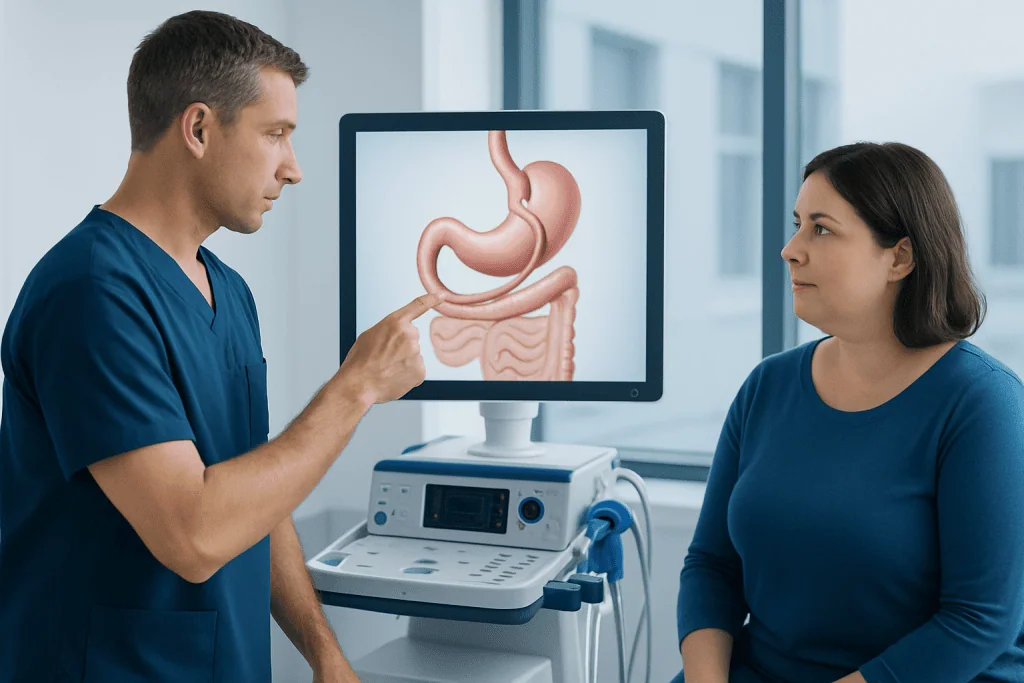
After gastric bypass, the small stomach pouch fills quickly, so patients usually feel full after eating much smaller portions than before. This can make it easier to reduce calorie intake without relying on willpower alone. Meals need to be eaten slowly, in small amounts, and chewed well.
The intestinal rerouting also changes digestion. Because food bypasses part of the small intestine, fewer calories and some nutrients are absorbed. This contributes to weight loss, but it is also why lifelong vitamin and mineral supplementation is necessary after surgery.
Hormonal changes are another important part of the procedure’s effect. Many people notice reduced hunger and better control of blood sugar after surgery. In some patients with type 2 diabetes, blood sugar levels improve quickly, sometimes even before major weight loss occurs.
These combined effects can help patients lose a meaningful amount of excess weight over time. Results vary from person to person, and surgery works best when paired with long-term lifestyle changes, regular follow-up, and nutritional guidance.
Who May Benefit From Gastric Bypass Surgery

Gastric bypass may be considered for adults with severe obesity, particularly when supervised diet, exercise, and medical treatment have not produced sufficient long-term weight loss. Eligibility is usually based on body mass index, overall health, and whether obesity is contributing to serious medical problems.
Doctors may consider this surgery for people who have obesity-related conditions such as type 2 diabetes, high blood pressure, obstructive sleep apnea, fatty liver disease, joint pain, or reflux symptoms. In some cases, gastric bypass may be preferred over other procedures when stronger metabolic effects are desired or when reflux is a major concern.
However, not every person with excess weight is a candidate. The safest and most effective outcomes are seen in people who understand the procedure, are willing to make lifelong diet and lifestyle changes, and can commit to medical follow-up. A full evaluation often includes blood tests, nutrition assessment, psychological screening, and sometimes heart, lung, or digestive system testing.
Some people may be better suited to a different approach, such as a gastric balloon or another type of weight-loss procedure, depending on their health profile and goals. A bariatric specialist can explain the benefits and limitations of each option.
Potential Benefits and Possible Risks
The main benefit of gastric bypass surgery is substantial weight loss that can often be maintained better than with lifestyle changes alone. Many patients also experience improvement in obesity-related conditions, including better blood sugar control, lower blood pressure, reduced sleep apnea symptoms, and improved mobility and quality of life.
Even so, gastric bypass is major surgery and carries risks. Short-term surgical risks can include bleeding, infection, blood clots, anesthesia-related complications, or leaks where the digestive tract is joined. These risks vary depending on the patient’s overall health and the experience of the surgical team.
Long-term risks can include vitamin and mineral deficiencies, dumping syndrome, bowel obstruction, ulcers, gallstones, hernias, or weight regain. Some patients may develop abdominal wall problems after surgery or after major weight changes, such as incisional hernia in certain situations. Careful follow-up helps detect and manage complications early.
Because of these possible risks, doctors weigh the expected benefits against the potential complications for each individual. For many people with severe obesity and serious related health issues, the long-term health gains can be meaningful when surgery is performed in an appropriate setting and followed by ongoing care.
Diagnosis, Assessment, and Preparing for Surgery
Before gastric bypass is scheduled, the bariatric team performs a detailed assessment. This usually includes a review of weight history, previous attempts at weight loss, current medications, and existing health conditions. Blood tests are commonly used to check for anemia, vitamin deficiencies, diabetes, liver function, kidney function, and thyroid issues.
Patients often meet with several specialists, such as a surgeon, dietitian, internist, psychologist, and anesthesiologist. This team approach helps confirm that surgery is appropriate and that the patient is well prepared for the changes ahead. Some people may also need sleep studies, endoscopy, imaging, or heart testing before the operation.
Preparation typically includes nutrition education, advice on portion sizes, hydration, protein intake, and avoiding smoking or alcohol misuse. Patients are usually asked to follow a preoperative eating plan to reduce liver size and improve surgical safety. Learning what recovery and lifelong follow-up will involve is an important part of preparation.
Many centers perform the operation using minimally invasive techniques such as gastric laparoscopic surgery, which may support a shorter hospital stay and recovery in suitable patients. The exact method depends on the surgeon’s assessment and the individual case.
Recovery, Diet, and Long-Term Care
Recovery after gastric bypass happens in stages. In the first days and weeks, patients move from clear liquids to fuller liquids, then to soft foods, and later to regular textured meals in small portions. The timeline varies, but the goal is to help the new stomach pouch heal while teaching eating habits that support long-term success.
Patients are usually encouraged to walk early after surgery, drink fluids regularly in small sips, and avoid eating too quickly. Protein intake becomes especially important. Carbonated drinks, high-sugar foods, and large meals can cause discomfort and may contribute to complications such as dumping syndrome.
Lifelong vitamin and mineral supplementation is essential because the surgery affects nutrient absorption. Doctors often recommend ongoing monitoring of iron, vitamin B12, folate, calcium, vitamin D, and other nutrients. Regular follow-up visits help track weight loss, nutrition, medications, and any new symptoms.
Long-term success depends on habits as much as on the operation itself. Healthy eating, physical activity, sleep, stress management, and support from healthcare professionals all matter. Some people may also benefit from counseling or support groups as they adjust to physical and emotional changes after surgery.
When to See a Doctor and Ongoing Support
A doctor should be consulted if a person is considering weight loss surgery and has severe obesity or obesity-related medical problems. A bariatric evaluation can help clarify whether gastric bypass is suitable, what alternatives exist, and what outcomes may reasonably be expected.
After surgery, prompt medical advice is important if there is fever, worsening abdominal pain, repeated vomiting, signs of dehydration, chest pain, shortness of breath, black stools, or trouble swallowing. These symptoms do not always mean a serious complication, but they should be assessed without delay.
Long-term follow-up is just as important as the operation itself. Patients need regular reviews of nutrition, weight changes, medications, and emotional well-being. Ongoing care helps the medical team respond early if weight regain, nutrient deficiencies, or digestive symptoms develop.
For international patients seeking evaluation or treatment, Acibadem International’s multidisciplinary specialists and JCI-accredited hospitals provide diagnosis and care for obesity and bariatric conditions. The most appropriate plan should always be personalized and discussed with a qualified medical team.
Frequently asked questions
Is gastric bypass surgery the same as gastric sleeve surgery?
No. Gastric bypass creates a small stomach pouch and reroutes part of the small intestine, while gastric sleeve surgery removes a large portion of the stomach without intestinal bypass. Both can support weight loss, but they work somewhat differently and may suit different patients.
How much weight can a person lose after gastric bypass surgery?
Weight loss varies from person to person and depends on factors such as starting weight, health conditions, eating habits, and long-term follow-up. Many patients lose a significant amount of excess weight, especially when they follow dietary guidance and stay physically active. A bariatric specialist can explain what may be realistic in an individual case.
Can gastric bypass help with type 2 diabetes?
Yes, it can help many people with type 2 diabetes. Blood sugar levels often improve after surgery because of weight loss and hormonal changes in the digestive system. Some patients need less diabetes medication, but treatment changes should always be supervised by a doctor.
Will a person need vitamins for life after gastric bypass?
In most cases, yes. Because the surgery changes nutrient absorption, lifelong vitamin and mineral supplements are usually necessary. Regular blood tests are also important to detect and correct deficiencies early.
Is gastric bypass reversible?
Gastric bypass is generally considered a permanent procedure. In selected situations, revision or reversal surgery may be possible, but these operations are complex and not routinely performed. This is why careful preoperative counseling is so important.
What foods should be avoided after gastric bypass surgery?
Patients are usually advised to avoid large meals, high-sugar foods, and foods that are hard to tolerate during recovery. Eating too quickly, drinking with meals, or choosing foods low in protein may also cause discomfort or poor nutrition. The exact diet plan should come from the bariatric team.
References
- World Health Organization
- American Society for Metabolic and Bariatric Surgery
- National Institute of Diabetes and Digestive and Kidney Diseases
- National Health Service
- Mayo Clinic
This article is for general information only and is not a substitute for professional medical advice. Please consult a qualified doctor about your individual situation.
Gastric Bypass in Turkey — costs, top hospitals & a free quote
JCI-accredited · board-certified surgeons · reply within 24h
Add us as a Preferred Source to see more of our trusted health content across Google Search, AI Overviews and Discover.
Check your numbers in seconds
BMI, calories, due date, blood pressure and 30+ more clinical calculators — free, instant, doctor-reviewed ranges.

Bariatric & Metabolic Surgery
Surgical and endoscopic treatments for obesity and metabolic conditions.