Gastroparesis: Delayed Stomach Emptying Symptoms and Care

Gastroparesis means delayed stomach emptying, often causing nausea, early fullness, bloating, vomiting or fluctuating blood sugar. Diabetes, some surgeries, certain medicines, viral illnesses and nerve or muscle disorders can contribute, but sometimes no clear cause is found.
Key Takeaways
- Gastroparesis means delayed stomach emptying, often causing nausea, early fullness, bloating, vomiting or fluctuating blood sugar.
- Diabetes, some surgeries, certain medicines, viral illnesses and nerve or muscle disorders can contribute, but sometimes no clear cause is found.
- Diagnosis usually involves ruling out a blockage and measuring stomach emptying with tests such as gastric emptying scintigraphy.
- Treatment may include diet changes, hydration, blood sugar management, medicines and, in selected cases, endoscopic or surgical therapies.
- Persistent vomiting, dehydration, weight loss, severe abdominal pain or inability to keep food or fluids down should be assessed promptly.
Gastroparesis is a digestive condition in which the stomach empties food more slowly than expected, without a physical blockage. With the right diagnosis, nutrition plan and medical care, many people can reduce symptoms and protect their overall health.
Overview
Gastroparesis is a condition in which the stomach takes longer than normal to move food into the small intestine. The word means partial paralysis of the stomach, but in practice it often describes reduced or poorly coordinated stomach muscle movement rather than complete paralysis. Importantly, gastroparesis is diagnosed when delayed emptying occurs without a mechanical blockage, such as a tumor, ulcer-related narrowing or scar tissue.
Normally, the stomach relaxes to receive food, grinds it into smaller particles and releases it in a controlled way. This process depends on stomach muscles, hormones and nerves, especially the vagus nerve. When these signals are disrupted, food may remain in the stomach for too long, leading to symptoms that can vary from mild and occasional to persistent and disruptive.
Gastroparesis can affect nutrition, hydration, medication absorption and blood sugar control. However, it is a manageable condition for many patients. Care usually focuses on identifying the cause, improving stomach emptying when possible, relieving symptoms and helping the person maintain safe nutrition and quality of life.
Gastroparesis Symptoms
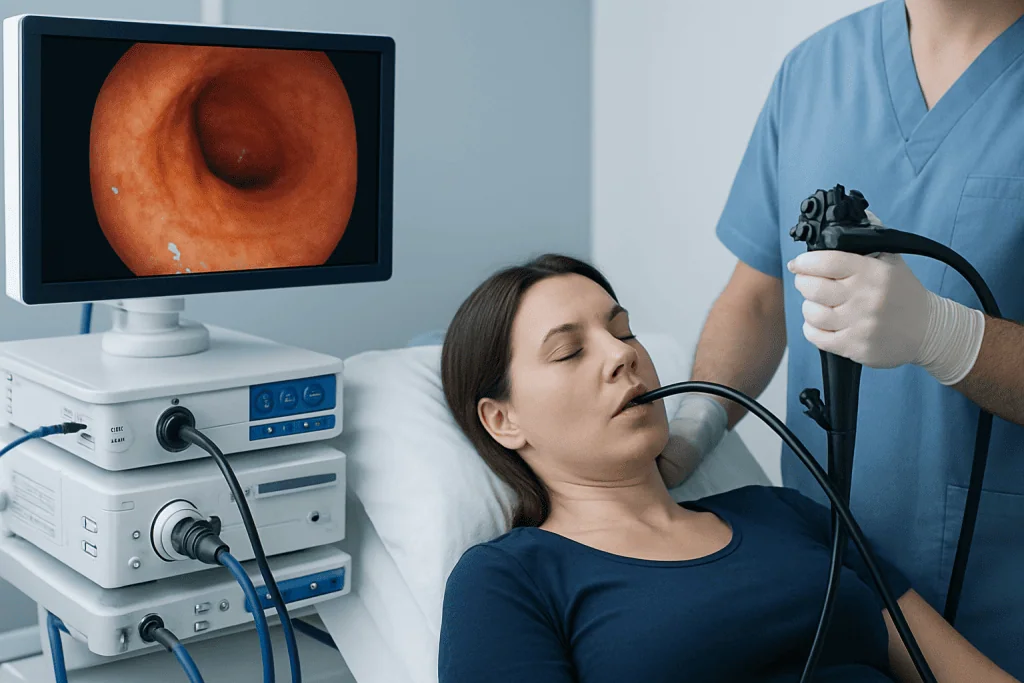
Symptoms can differ from person to person and may change over time. Some people notice symptoms most after larger meals or foods high in fat or fiber, while others feel uncomfortable even after small amounts. Symptoms do not always match the degree of delay seen on testing, so a medical evaluation is important when problems persist.
Common gastroparesis symptoms include:
- Nausea, which may be frequent or meal-related
- Vomiting undigested food several hours after eating
- Early satiety, meaning feeling full after a few bites
- Abdominal bloating, pressure or upper abdominal discomfort
- Loss of appetite or unintentional weight loss
- Heartburn or reflux symptoms
- Unpredictable blood glucose levels in people with diabetes
Vomiting, reduced intake and difficulty tolerating meals can lead to dehydration, vitamin or mineral deficiencies and fatigue. People with diabetes may experience a challenging cycle: delayed food absorption can make blood sugar rise later than expected, while high blood sugar itself can slow stomach emptying further. This is one reason coordinated care between gastroenterology, endocrinology and nutrition professionals can be helpful.
Causes and Risk Factors
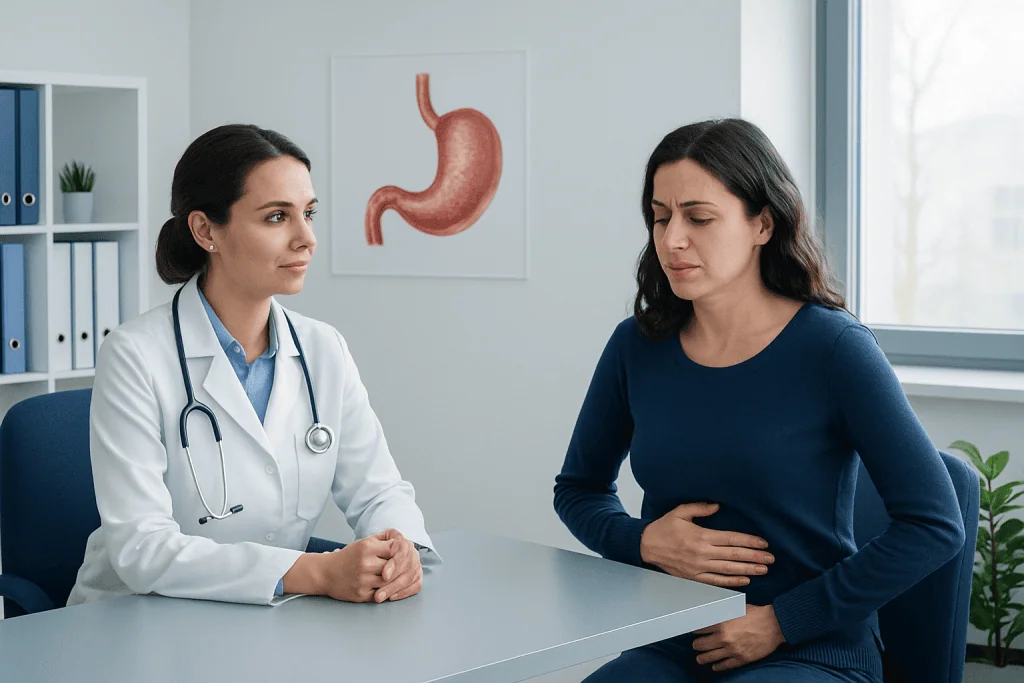
Gastroparesis can occur when nerves, muscles or pacemaker cells in the stomach do not coordinate normally. Diabetes is one of the best-known causes, particularly when blood glucose has been difficult to control over time. High blood sugar may damage nerves and can also temporarily slow gastric emptying, even without permanent nerve injury.
Other possible causes include surgery involving the stomach, esophagus or vagus nerve; certain viral infections; connective tissue diseases; Parkinson disease and other neurologic conditions; thyroid disease; kidney disease; and some autoimmune or metabolic disorders. In many cases, no definite cause is identified. This is called idiopathic gastroparesis, and treatment still focuses on symptom relief and nutritional support.
Several medicines can slow stomach emptying or worsen symptoms. These may include opioid pain medicines, some antidepressants, anticholinergic medicines, certain medications used for diabetes or weight management and some blood pressure or nausea medicines. Patients should not stop prescribed medicines on their own, but they should bring a complete medication list to their doctor so safer alternatives can be considered if appropriate.
Diagnosis
Diagnosing gastroparesis begins with a careful medical history, physical examination and review of medicines, diabetes control, prior operations and weight changes. Because many conditions can cause nausea, vomiting, bloating or early fullness, doctors first look for other explanations. These may include peptic ulcer disease, gallbladder disease, intestinal obstruction, reflux disease, pancreatitis, pregnancy, thyroid problems or functional dyspepsia.
An upper endoscopy, abdominal imaging or laboratory tests may be used to rule out obstruction, inflammation, infection or metabolic causes. Once blockage has been excluded, stomach emptying can be measured. The most commonly used test is gastric emptying scintigraphy, in which a patient eats a small standardized meal containing a safe tracer and images are taken over several hours to see how quickly the stomach empties.
Other tests may be considered depending on availability and the clinical situation. These include a gastric emptying breath test, wireless motility capsule testing or specialized motility studies. The doctor interprets results together with symptoms, nutrition status and other health conditions, because treatment decisions should be based on the whole clinical picture rather than a single test result.
Treatment Options
Gastroparesis treatment is individualized. The first goals are to correct dehydration, improve nutrition, reduce nausea and vomiting, and address reversible causes such as high blood sugar or medicines that slow the stomach. Mild cases may improve with diet changes and careful follow-up, while more persistent cases may require prescription medicines or procedures.
Dietary treatment is often central. Many patients do better with smaller, more frequent meals that are lower in fat and lower in insoluble fiber, because fat and fibrous foods can delay emptying. Soft foods, blended meals, soups or nutrient-rich liquids may be easier to tolerate because liquids often leave the stomach more predictably than solids. A dietitian can help prevent unnecessary food restriction and protect protein, calorie, vitamin and mineral intake.
Medicines may be used to stimulate stomach movement or control nausea and vomiting. Prokinetic medicines can help the stomach contract more effectively, while antiemetic medicines may reduce nausea. These medications can have side effects and may not be suitable for everyone, so they should be used under medical supervision. If diabetes is present, the timing and type of meals, glucose monitoring and diabetes medicines may need adjustment by the treating clinician.
For severe or treatment-resistant gastroparesis, additional options may be discussed. These can include feeding support through a tube placed beyond the stomach, venting procedures to relieve severe distention, gastric electrical stimulation in selected patients, or endoscopic and surgical treatments directed at the pylorus, the stomach outlet. These approaches are considered carefully, usually by specialists, after confirming the diagnosis and weighing benefits and risks.
Prevention and Self-Care
Gastroparesis cannot always be prevented, especially when it follows surgery, infection or an unexplained nerve or muscle problem. Still, self-care can reduce symptom flares and support daily functioning. Patients are often encouraged to eat slowly, chew well, avoid very large meals and remain upright for one to two hours after eating if comfortable.
Helpful habits may include choosing smaller meals four to six times daily, limiting greasy foods, reducing tough skins, seeds and high-fiber bulk when they worsen symptoms, and using liquids or pureed foods during flares. Adequate fluids are important, especially if vomiting occurs. Alcohol and smoking can aggravate digestive symptoms and are best avoided or reduced with professional support.
People with diabetes may benefit from close communication with their diabetes care team. More frequent glucose checks, individualized meal planning and medication adjustments can help manage delayed and unpredictable absorption. Keeping a symptom and food diary can also reveal patterns, such as specific foods, meal sizes, stress, infections or medications that trigger symptoms.
When to See a Doctor
A person should seek medical advice if nausea, vomiting, early fullness, bloating or unexplained weight loss continues for more than a short period, recurs frequently or interferes with eating. Early evaluation helps identify treatable causes and prevents complications such as dehydration or malnutrition. People with diabetes should also seek care if stomach symptoms are accompanied by repeated high or low blood sugar readings.
Prompt medical attention is important if a person cannot keep fluids down, has signs of dehydration such as dizziness or very little urination, vomits blood, has black stools, develops severe or worsening abdominal pain, or experiences persistent vomiting with weakness. These symptoms do not always mean a serious condition is present, but they require timely assessment.
Gastroparesis care may involve gastroenterologists, endocrinologists, dietitians, radiologists and, in selected cases, endoscopy or surgery teams. Acibadem International provides diagnosis and treatment for digestive motility disorders through multidisciplinary specialists in JCI-accredited hospitals for international patients. Patients should discuss individual risks, test results and treatment options with a qualified doctor who knows their medical history.
Frequently asked questions
Is gastroparesis the same as acid reflux?
No. Gastroparesis means the stomach empties more slowly than expected, while acid reflux means stomach contents flow back into the esophagus. The two conditions can overlap because food staying in the stomach longer may contribute to reflux symptoms. A doctor can help determine which condition is causing symptoms and whether both are present.
Can gastroparesis go away?
It depends on the cause. Some cases improve, especially if related to a temporary illness, a medication effect or better blood sugar control. Other cases are long-term and need ongoing management with diet changes, medicines and follow-up care.
What foods are usually easier with gastroparesis?
Many people tolerate small portions of soft, low-fat, lower-fiber foods better than large solid meals. Soups, smoothies, purees, yogurt, eggs, tender lean proteins and well-cooked peeled vegetables may be easier for some patients. Tolerance varies, so a dietitian can help create a balanced plan.
Are high-fiber foods always bad for gastroparesis?
Not always, but some high-fiber foods can be difficult to empty from the stomach and may worsen fullness, bloating or nausea. Tough vegetable skins, seeds, legumes and fibrous fruits may be especially challenging for some people. Fiber choices should be individualized to maintain nutrition while reducing symptoms.
How is gastroparesis diagnosed?
Doctors usually first rule out a blockage or another condition that could explain symptoms. The most common test to measure emptying is gastric emptying scintigraphy, which tracks how a standardized meal leaves the stomach over several hours. Other tests may be used depending on the patient and the hospital.
When is gastroparesis an emergency?
Urgent care is needed if a person cannot keep fluids down, has signs of dehydration, vomits blood, has black stools or develops severe abdominal pain. These symptoms need prompt medical assessment. People with diabetes should also seek help for repeated vomiting with unstable blood sugar.
References
- National Institute of Diabetes and Digestive and Kidney Diseases
- American College of Gastroenterology
- Mayo Clinic
- Cleveland Clinic
- International Foundation for Gastrointestinal Disorders
This article is for general information only and is not a substitute for professional medical advice. Please consult a qualified doctor about your individual situation.
Persistent digestive symptoms? Get evaluated in Turkey
JCI-accredited · board-certified surgeons · reply within 24h
Add us as a Preferred Source to see more of our trusted health content across Google Search, AI Overviews and Discover.
Check your numbers in seconds
BMI, calories, due date, blood pressure and 30+ more clinical calculators — free, instant, doctor-reviewed ranges.

Gastroenterology
Diagnosis and treatment of the digestive system and liver, with advanced endoscopy.
46 specialists in this unit