

Hair Implants for Black Males: How Afro Hair Transplants Work

Afro-textured hair has curved follicles that require specialized harvesting and implantation techniques. A full evaluation should identify the cause of hair loss before any transplant is planned.
Key Takeaways
- Afro-textured hair has curved follicles that require specialized harvesting and implantation techniques.
- A full evaluation should identify the cause of hair loss before any transplant is planned.
- Natural hairline design, donor area assessment, and scalp health are central to good results.
- Both FUT and FUE may be used, but the best method depends on the patient’s hair pattern and goals.
- Aftercare and ongoing treatment for hair loss can help protect transplanted and non-transplanted hair.
Hair implants for Black males can produce natural-looking results when the procedure is tailored to Afro-textured hair and the causes of hair loss. Success depends on careful planning, experienced technique, and realistic expectations about density, healing, and long-term care.
Overview: How Hair Implants Work for Afro-Textured Hair
Hair implants for Black males are a form of hair transplantation in which hair follicles are moved from a donor area, usually the back or sides of the scalp, to areas affected by thinning or baldness. The goal is to restore hair in a way that looks natural, respects the person’s hair texture, and fits the face and age. In men with Afro-textured hair, planning is especially important because the curl pattern affects how the follicle sits under the skin and how the final result will appear.
Afro-textured hair often provides an advantage in visual coverage because tightly curled hair can create the appearance of fullness even when fewer grafts are used than might be needed in straighter hair types. At the same time, the follicles themselves tend to curve beneath the scalp. This makes harvesting and placement more technically demanding and means the procedure should be performed by a team familiar with textured hair restoration.
Hair transplantation is not a one-size-fits-all treatment. The surgeon considers the cause of hair loss, donor hair quality, scalp condition, hairline goals, and the risk of future hair loss. In some cases, a person may also benefit from broader aesthetic scalp surgery planning if there is scarring or a scalp issue that affects treatment choices.
Who May Be a Good Candidate

A good candidate usually has stable enough donor hair, an identified pattern of hair loss, and realistic expectations about what surgery can achieve. Many Black men seek treatment for male pattern hair loss, which often affects the temples, hairline, and crown. Others may have traction-related hair loss, scarring from injury, or thinning linked to inflammation of the scalp.
Before planning surgery, the doctor should determine whether hair loss is active or stable. This matters because some conditions can continue to damage follicles over time, reducing the benefit of a transplant if they are not treated first. A careful scalp examination helps distinguish common pattern baldness from inflammatory or scarring disorders.
People with a history of raised scars should mention this during consultation. Some individuals are more prone to keloid scars, and this can affect decisions about technique, incision size, and healing expectations. A transplant may still be possible in selected patients, but the approach should be individualized.
- Suitable donor hair at the back or sides of the scalp
- Hair loss that is understood and reasonably stable
- Healthy scalp skin without uncontrolled inflammation
- Realistic goals for density and coverage
- Commitment to aftercare and follow-up
Why Afro Hair Transplants Need a Specialized Approach

The main difference in Afro hair transplantation is the shape of the follicle. Although the hair may look tightly coiled above the scalp, the follicle below the skin is often curved or hook-shaped. This means graft harvesting must be done with great care to avoid cutting or damaging the follicle. Transection, which means accidentally injuring the follicle during extraction, can reduce graft survival.
Texture also affects design. Afro-textured hair can give excellent visual density, but natural-looking results depend on the direction, angle, and grouping of implanted hairs. Hairline creation should reflect the patient’s age, facial proportions, and existing pattern of loss rather than aiming for an unnaturally low or sharp hairline. In many cases, subtle design creates the most believable outcome.
Scalp health is another major consideration. Some Black men may have conditions such as folliculitis, traction damage, or central centrifugal scarring alopecia, all of which require diagnosis before surgery. If there has been previous injury or scalp tissue damage, reconstruction planning may overlap with principles used in treating burns or other scar-related scalp changes.
Causes of Hair Loss in Black Men
The most common reason for hair transplantation in men is androgenetic alopecia, also called male pattern hair loss. This condition is influenced by genetics and hormones and usually causes progressive thinning at the temples, hairline, and crown. It often develops gradually and may continue over time, so long-term planning is important.
Not all hair loss in Black men is male pattern baldness. Traction alopecia can occur from chronic tension on the hair, such as tight braids, twists, loc maintenance, or frequent styling that pulls at the hairline. This type of loss may improve early on if traction stops, but long-standing cases can become permanent and may later be considered for transplantation once the area is stable.
Inflammatory scalp disorders are another important cause. These can include folliculitis, scarring alopecias, and other dermatologic conditions that may lead to tenderness, bumps, itching, or smooth scarred patches. A transplant should generally be delayed until inflammation is fully assessed and controlled. Prior surgery, injury, or facial trauma involving the scalp may also influence whether hair restoration is appropriate and how it should be performed.
Evaluation and Diagnosis Before Surgery
A proper consultation includes a detailed medical history, scalp examination, and discussion of expectations. The surgeon looks at the pattern of hair loss, donor area density, hair shaft thickness, curl pattern, and any signs of inflammation or scarring. Photos are often taken to support planning and to compare progress over time.
Diagnosis matters because a transplant works best when the reason for hair loss is understood. The doctor may ask about family history, grooming habits, medications, prior procedures, and symptoms such as pain or itching. In some cases, a dermatologist may be involved, especially if there is concern about active scalp disease.
Some patients need additional testing before proceeding. This may include blood tests when nutritional or hormonal issues are suspected, or occasionally a scalp biopsy if a scarring alopecia is possible. When surgery is considered, the team maps donor supply carefully so that grafts are used efficiently and the donor area remains natural in appearance.
Treatment Options and Techniques
The two main harvesting methods are follicular unit transplantation, known as FUT, and follicular unit extraction, known as FUE. FUT removes a narrow strip of scalp from the donor region and then separates it into grafts under magnification. FUE removes individual follicular units one by one. In Afro-textured hair, both techniques can be effective, but the choice depends on follicle curvature, donor characteristics, hairstyle preferences, and surgeon experience.
FUE is popular because it avoids a linear scar, but it can be technically more challenging in tightly curled hair due to the curved follicles below the scalp. FUT may allow more controlled dissection in selected patients and can sometimes reduce the risk of follicle damage during harvesting. Neither method is automatically best for every person. The right plan is the one that protects graft quality while matching the patient’s goals and healing priorities.
Placement of grafts is as important as harvesting. The surgeon determines the number of grafts, angle of insertion, distribution across the hairline and crown, and the balance between density and naturalness. Some patients may discuss hair restoration within a broader cosmetic surgery consultation, while others with visible scalp scars may benefit from strategies related to scalp-focused reconstructive planning.
- FUT may be considered when preserving follicle integrity is a priority and a linear scar is acceptable.
- FUE may suit patients who prefer shorter hairstyles and want to avoid a strip scar.
- Some people need more than one session to reach their desired coverage.
- Medical treatment may be recommended to help protect existing non-transplanted hair.
Recovery, Results, and Self-Care
After the procedure, mild swelling, tenderness, and crusting around grafts are common and usually temporary. The care team provides instructions on washing, sleeping position, activity limits, and when to resume hair products or grooming practices. Following these instructions closely helps protect the newly placed grafts during the early healing period.
Transplanted hairs often shed in the first weeks after surgery before new growth begins. This can be expected and does not necessarily mean the grafts failed. New hair growth is gradual, and visible improvement usually develops over several months, with fuller maturation taking longer. Because Afro-textured hair curls and expands in volume, the appearance of density can continue to improve as the hair lengthens.
Self-care also includes protecting the scalp from tension and irritation. Tight hairstyles, harsh chemical treatments, and frequent friction should be avoided while healing and approached carefully afterward. Ongoing treatment may be advised to slow future hair loss in untreated areas. Near the end of the process, some international patients choose centers such as Acibadem International, where multidisciplinary specialists in JCI-accredited hospitals evaluate and treat hair and scalp concerns as part of individualized care.
When to See a Doctor and Questions to Ask
A doctor should evaluate hair loss that is rapid, patchy, painful, itchy, or associated with bumps, scaling, or scarring. These features can suggest an inflammatory or medical cause that needs treatment before cosmetic restoration is considered. It is also wise to seek medical advice if the hairline is receding steadily or if there is significant thinning at a young age.
During consultation, helpful questions include what type of hair loss is present, whether it is stable, which harvesting method is recommended, and how many grafts may be realistic. Patients may also ask how the team approaches Afro-textured follicles, what the likely healing pattern will be, and whether future sessions might be needed. Clear communication supports informed decisions and more realistic expectations.
Prompt follow-up is important after surgery if there is worsening pain, marked redness, drainage, fever, or concern about poor healing. These symptoms do not always mean a serious problem, but they should be reviewed. A qualified surgeon or dermatologist can also help if the result seems uneven, if shock loss occurs, or if there are signs that underlying scalp disease is active.
Frequently asked questions
Do hair implants work well for Black males?
Yes, hair implants can work very well for Black males when the procedure is adapted to Afro-textured hair. The key is careful handling of curved follicles, natural hairline design, and a proper diagnosis of the cause of hair loss.
Why is Afro hair transplantation considered more complex?
Afro-textured hair often has follicles that curve beneath the scalp, even when the hair’s curl pattern is visible only above the skin. This makes harvesting and placing grafts more technically demanding and increases the importance of surgeon experience.
Is FUE or FUT better for Afro-textured hair?
Neither method is universally better. FUE avoids a linear scar but can be more challenging in tightly curled follicles, while FUT may allow more controlled graft preparation in some patients. The best option depends on scalp anatomy, hairstyle preference, donor area features, and the surgeon’s expertise.
Can a transplant help a receding hairline caused by traction?
It can in some cases, especially when traction alopecia has become stable and the damaging hairstyle practices have stopped. However, active tension, inflammation, or scarring should be addressed first to improve the chances of a good result.
How long does it take to see results after an Afro hair transplant?
Early shedding of transplanted hairs is common in the first weeks, and new growth usually starts gradually over the following months. More noticeable improvement often appears by several months, while fuller cosmetic results can take longer as the hair matures and gains length.
Can transplanted hair fall out later?
Transplanted follicles are usually chosen from areas that are more resistant to common male pattern hair loss, so they often continue to grow long term. However, non-transplanted native hair can still thin over time, which is why ongoing follow-up and medical treatment may be recommended.
References
- American Academy of Dermatology
- International Society of Hair Restoration Surgery
- British Association of Dermatologists
- National Health Service
- DermNet
This article is for general information only and is not a substitute for professional medical advice. Please consult a qualified doctor about your individual situation.
Afro Hair Transplant in Turkey — costs, top hospitals & a free quote
JCI-accredited · board-certified surgeons · reply within 24h
Add us as a Preferred Source to see more of our trusted health content across Google Search, AI Overviews and Discover.

Hair Transplant
Modern FUE and DHI hair restoration with natural, lasting results.
Related Treatments
Related Conditions
More from the Health Library



Related Specialists
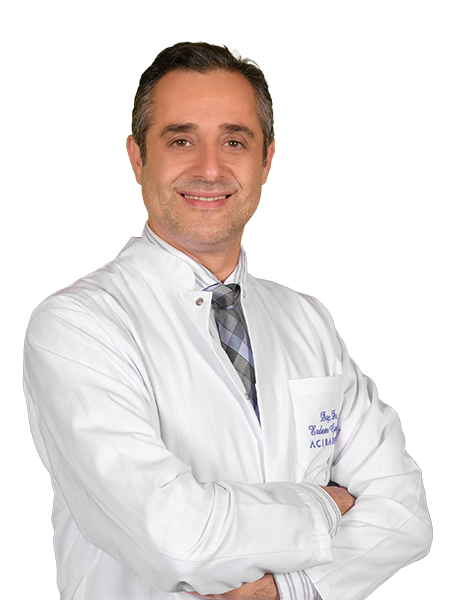
Assoc. Prof. Dr. Erdem Güven (m)
Aesthetic Plastic & Reconstructive Surgery
Prof. Dr. Şükrü Yazar
Aesthetic Plastic & Reconstructive Surgery
Prof. Dr. Hakan Ağır
Aesthetic Plastic & Reconstructive Surgery
Prof. Dr. Bülent Saçak
Aesthetic Plastic & Reconstructive Surgery