Heart Failure: Symptoms, Causes, and Long-Term Management

Heart failure does not mean the heart has stopped; it means the heart is not pumping efficiently enough to meet the body’s needs. Common symptoms include shortness of breath, fatigue, swelling in the legs or abdomen, rapid weight gain, and reduced exercise tolerance.
Key Takeaways
- Heart failure does not mean the heart has stopped; it means the heart is not pumping efficiently enough to meet the body’s needs.
- Common symptoms include shortness of breath, fatigue, swelling in the legs or abdomen, rapid weight gain, and reduced exercise tolerance.
- The most common causes include coronary artery disease, previous heart attack, high blood pressure, valve disease, cardiomyopathy, and rhythm disorders.
- Diagnosis usually involves a physical examination, blood tests, electrocardiogram, echocardiography, and sometimes advanced imaging or coronary testing.
- Treatment may include lifestyle changes, medications, devices, procedures, and ongoing follow-up tailored to the type and severity of heart failure.
- People with heart failure should seek urgent care for severe breathlessness, chest pain, fainting, confusion, or rapidly worsening swelling.
Heart failure is a long-term condition in which the heart cannot pump blood as effectively as the body needs. With early diagnosis, evidence-based treatment, and careful daily management, many people can reduce symptoms and maintain a good quality of life.
Overview
Heart failure is a chronic medical condition in which the heart cannot fill with blood or pump blood as effectively as it should. Despite the name, heart failure does not mean the heart has stopped working. It means the heart needs support because its pumping function, filling function, or both are not meeting the body’s needs as well as they should.
Heart failure can affect the left side of the heart, the right side, or both. It may develop after damage to the heart muscle, such as a heart attack, or after years of strain from high blood pressure, valve disease, rhythm problems, or other conditions. Some people have reduced ejection fraction, meaning the heart’s main pumping chamber does not squeeze strongly enough. Others have preserved ejection fraction, meaning the heart squeezes normally but is stiff and does not fill well.
Although heart failure is usually a long-term condition, it can often be managed effectively. Treatment aims to reduce symptoms, prevent hospital admissions, slow disease progression, and help people stay active and independent. A personalized care plan typically includes medications, lifestyle measures, regular monitoring, and treatment of the underlying cause whenever possible.
Heart Failure Symptoms
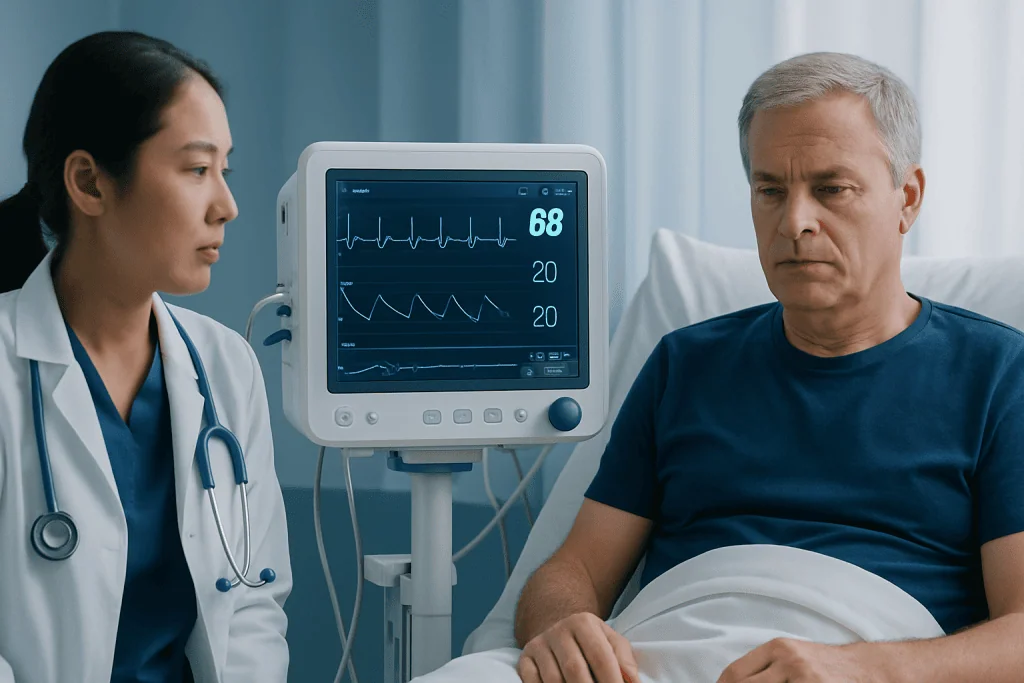
Heart failure symptoms can appear gradually or come on suddenly. They often occur because fluid builds up in the lungs, legs, abdomen, or other tissues, and because muscles and organs are not receiving enough oxygen-rich blood during activity. Symptoms may vary from day to day and can be mild at first, which is why early medical evaluation is important.
Common symptoms include shortness of breath during exertion, difficulty breathing when lying flat, waking at night feeling breathless, persistent tiredness, reduced ability to exercise, swelling of the feet or ankles, and unexplained weight gain over a few days. Some people notice a dry cough, wheezing, bloating, loss of appetite, dizziness, or a faster heartbeat.
- Shortness of breath with walking, climbing stairs, or lying down
- Swollen ankles, legs, feet, or abdomen
- Fatigue, weakness, or reduced stamina
- Rapid weight gain due to fluid retention
- Palpitations, dizziness, or feeling lightheaded
- Persistent cough, especially at night
Symptoms do not always reflect the severity of the condition. Some people with significant heart changes may feel only mild discomfort, while others may feel very limited. Keeping a symptom and weight diary can help the healthcare team identify worsening fluid retention early and adjust treatment safely.
Causes and Risk Factors

Heart failure often develops when another condition damages or overloads the heart. Coronary artery disease is one of the most common causes because narrowed heart arteries can reduce blood flow to the heart muscle. A heart attack may leave scar tissue that weakens the heart’s pumping ability. Long-standing high blood pressure can also make the heart work harder, causing the muscle to thicken, stiffen, or eventually weaken.
Other causes include heart valve disease, cardiomyopathy, congenital heart disease, myocarditis, abnormal heart rhythms such as atrial fibrillation, and certain endocrine or metabolic conditions. Some cancer treatments, alcohol misuse, stimulant drug use, severe lung disease, kidney disease, and sleep apnea can contribute to or worsen heart failure. In some cases, no single cause is identified.
Risk factors include older age, smoking, diabetes, obesity, high cholesterol, sedentary lifestyle, family history of cardiomyopathy, and untreated high blood pressure. Having one risk factor does not mean a person will develop heart failure, but the risk increases when several factors are present. Managing these conditions early can help protect heart health and reduce the chance of future complications.
Diagnosis
Diagnosis begins with a detailed medical history and physical examination. The doctor asks about symptoms, previous heart disease, blood pressure, medications, family history, and lifestyle factors. During the examination, the doctor may listen for abnormal heart or lung sounds, check the pulse and blood pressure, and look for swelling in the legs, enlarged neck veins, or signs of fluid overload.
Common tests include blood tests, an electrocardiogram, chest X-ray, and echocardiography. Blood tests may assess kidney function, thyroid function, anemia, electrolytes, and heart-related markers such as natriuretic peptides. An electrocardiogram records the heart’s electrical activity and may show rhythm problems, prior heart attack, or strain. An echocardiogram is especially important because it shows heart structure, valve function, chamber size, and ejection fraction.
Depending on the suspected cause, further testing may be recommended. This can include cardiac MRI, CT coronary angiography, stress testing, coronary angiography, rhythm monitoring, or lung and sleep studies. The goal is not only to confirm heart failure, but also to identify the type, severity, and underlying cause so that treatment can be targeted appropriately.
Treatment Options
Heart failure treatment is individualized according to the type of heart failure, symptoms, kidney function, blood pressure, heart rhythm, and underlying cause. Many people benefit from a combination of lifestyle changes and medications. Treatment plans are usually adjusted over time, so regular follow-up is an important part of care.
Medications may include drugs that help the heart pump more efficiently, relax blood vessels, remove extra fluid, protect the kidneys and heart, or control heart rhythm and blood pressure. Diuretics can reduce fluid-related symptoms, while other long-term medications may help slow progression and reduce the risk of worsening heart failure. People should not stop or change heart medications without medical advice, even when they feel well.
Some patients may need procedures or devices. These may include treatment for blocked coronary arteries, valve repair or replacement, pacemakers, implantable cardioverter-defibrillators, or cardiac resynchronization therapy for selected rhythm and pumping problems. In advanced cases, specialized treatments such as mechanical circulatory support or heart transplantation may be considered after careful evaluation.
Cardiac rehabilitation may be recommended when appropriate. This supervised program combines safe exercise training, education, nutrition guidance, and emotional support. It can help patients understand their condition, improve confidence, and build healthier routines under professional supervision.
Long-Term Management and Self-Care
Daily self-care is central to long-term heart failure management. Patients are often advised to weigh themselves at the same time each day, monitor symptoms, take medications exactly as prescribed, and attend scheduled appointments. A sudden increase in weight, worsening breathlessness, or more swelling can be an early sign of fluid retention and should be reported to the healthcare team.
Nutrition and fluid guidance should be personalized, especially for people with kidney disease, low blood pressure, or complex medication plans. Many patients are advised to limit excess salt because sodium can worsen fluid retention. Eating a balanced diet rich in vegetables, fruits, whole grains, lean proteins, and healthy fats supports overall cardiovascular health. Alcohol, smoking, and recreational drug use can worsen heart function and should be discussed openly with a doctor.
Physical activity is usually beneficial when it is safe and tailored to the person’s condition. Gentle walking, supervised rehabilitation, and gradual activity increases can improve stamina and mood. However, exercise plans should be discussed with a healthcare professional, particularly after a recent hospitalization, new symptoms, or changes in medication.
Vaccinations, sleep quality, stress management, and treatment of related conditions such as diabetes, high blood pressure, sleep apnea, and atrial fibrillation are also important. Heart failure care works best when patients, family members, cardiologists, primary care doctors, nurses, dietitians, and rehabilitation specialists communicate regularly.
Prevention
Not all cases of heart failure can be prevented, but many risk factors can be reduced. Preventing coronary artery disease, controlling blood pressure, treating diabetes, maintaining a healthy weight, and avoiding smoking are among the most important steps. People with a family history of cardiomyopathy or sudden cardiac death should discuss screening with a qualified clinician.
Regular health checks can detect high blood pressure, high cholesterol, diabetes, kidney disease, and rhythm disorders before they cause major symptoms. Early treatment of heart valve disease, thyroid disorders, sleep apnea, and recurrent arrhythmias can also reduce strain on the heart. For people already diagnosed with heart disease, following the treatment plan can lower the risk of progression to heart failure.
Healthy routines do not need to be extreme to be effective. Consistent movement, a heart-friendly diet, medication adherence, good sleep, and avoiding tobacco all contribute to long-term cardiovascular protection. Prevention is most successful when it is realistic, sustainable, and guided by medical advice based on the person’s overall health.
When to See a Doctor
A person should arrange a medical evaluation if they develop ongoing shortness of breath, swelling of the ankles or legs, unexplained fatigue, a persistent cough when lying down, rapid weight gain, or reduced ability to perform usual activities. These symptoms can have several causes, and a doctor can determine whether heart failure or another condition is responsible.
Urgent medical care is needed for severe breathlessness at rest, chest pain or pressure, fainting, confusion, blue lips, coughing up pink frothy sputum, or a very fast or irregular heartbeat with dizziness or weakness. People already diagnosed with heart failure should also seek prompt advice if symptoms suddenly worsen or if they gain weight rapidly over a short period, according to the plan provided by their healthcare team.
International patients who need evaluation or ongoing care can access multidisciplinary cardiology services at Acibadem International, where JCI-accredited hospitals diagnose and treat heart failure and related cardiovascular conditions. As with all heart conditions, the most appropriate care plan should be based on a specialist assessment and the patient’s individual medical needs.
Frequently asked questions
Does heart failure mean the heart is about to stop?
No. Heart failure means the heart is not pumping or filling as effectively as the body needs. It is usually a chronic condition that can often be managed with medications, lifestyle changes, monitoring, and treatment of the underlying cause.
Can heart failure be cured?
Some causes of heart failure can improve significantly if the underlying problem is treated, such as certain valve problems, rhythm disorders, or reversible heart muscle inflammation. For many people, heart failure is a long-term condition. Treatment focuses on controlling symptoms, slowing progression, preventing complications, and supporting daily life.
What is ejection fraction?
Ejection fraction is the percentage of blood pumped out of the heart’s main pumping chamber with each beat. It is commonly measured by echocardiography. A reduced ejection fraction means the heart is not squeezing strongly enough, while preserved ejection fraction means the heart may squeeze normally but be too stiff to fill properly.
Why is daily weighing important in heart failure?
Daily weight monitoring can help detect fluid retention before symptoms become severe. A sudden increase in weight over a few days may mean the body is holding extra fluid. Patients should follow the action plan given by their healthcare team and report concerning changes promptly.
Is exercise safe for people with heart failure?
Exercise is often helpful when it is appropriate for the person’s condition and introduced gradually. Many patients benefit from walking or supervised cardiac rehabilitation. A doctor should review exercise plans, especially after hospitalization, new symptoms, or changes in treatment.
What foods should people with heart failure avoid?
Many people with heart failure are advised to reduce excess salt because sodium can worsen fluid retention. Highly processed foods, salty snacks, and frequent restaurant meals may contain large amounts of sodium. Nutrition advice should be personalized, particularly for people with kidney disease, diabetes, or other medical conditions.
When is heart failure an emergency?
Emergency care is needed for severe shortness of breath, chest pain, fainting, confusion, blue lips, or coughing up pink frothy sputum. A very fast or irregular heartbeat with dizziness or weakness also needs urgent evaluation. People with known heart failure should follow their clinician’s emergency plan if symptoms worsen suddenly.
This article is for general information only and is not a substitute for professional medical advice. Please consult a qualified doctor about your individual situation.
Heart Failure in Turkey — costs, top hospitals & a free quote
JCI-accredited · board-certified surgeons · reply within 24h
Add us as a Preferred Source to see more of our trusted health content across Google Search, AI Overviews and Discover.
Check your numbers in seconds
BMI, calories, due date, blood pressure and 30+ more clinical calculators — free, instant, doctor-reviewed ranges.

Cardiology Department
Diagnosis and treatment of heart and vascular conditions, from prevention to advanced interventional procedures.
93 specialists in this unitRelated Treatments
Related Conditions
More from the Health Library

Cardiology Checkup: Tests You May Need and What They Mean

Pulmonary Hypertension: What It Means and How Doctors Confirm It

Silent Ischemia: When Coronary Artery Disease Has Few Symptoms

Dental Clearance Before Heart Bypass Surgery: Why Infection Prevention Matters

Coronary Artery Disease: Plaque Buildup, Testing, and Treatment

Atrial Fibrillation: Symptoms, Risks, and Treatment Options
Cardiology Specialists at Acibadem

Asst. Prof. Dr. Gökhan Arslanhan
Cardiovascular Surgery
Prof. Dr. Gültekin Karakuş
Cardiology
Assoc. Prof. Dr. Hakan Hasdemir
Cardiology
Prof. Dr. Haldun Akgöz
Cardiology