Hepatitis Symptoms and Diagnosis: When Liver Inflammation Needs Testing

Hepatitis means liver inflammation and can have viral, autoimmune, toxic, metabolic, or medication-related causes. Many people with hepatitis have no symptoms early on, so blood tests are often essential for diagnosis.
Key Takeaways
- Hepatitis means liver inflammation and can have viral, autoimmune, toxic, metabolic, or medication-related causes.
- Many people with hepatitis have no symptoms early on, so blood tests are often essential for diagnosis.
- Common symptoms include fatigue, nausea, abdominal discomfort, dark urine, pale stools, and jaundice.
- Diagnosis usually starts with liver blood tests and may also include viral testing, ultrasound, and sometimes liver biopsy.
- Treatment depends on the cause and may range from monitoring and lifestyle changes to antiviral or immune-modifying medicines.
- Medical evaluation is especially important for jaundice, severe abdominal pain, confusion, persistent vomiting, or signs of dehydration.
Hepatitis is inflammation of the liver, and its symptoms can be mild, vague, or absent at first. Because early signs are easy to miss, timely testing helps identify the cause, guide treatment, and protect long-term liver health.
Overview of hepatitis
Hepatitis is the medical term for inflammation of the liver. The liver plays many important roles, including processing nutrients, making proteins, helping the body fight infection, and removing waste products from the blood. When the liver becomes inflamed, these functions can be affected, sometimes only slightly and sometimes more significantly.
There are several types and causes of hepatitis. Viral infections such as hepatitis A, hepatitis B, and hepatitis C are well-known causes, but hepatitis can also result from alcohol, certain medications, toxins, autoimmune disease, and metabolic conditions. In some people, a related liver problem such as fatty liver disease may also contribute to inflammation or raise concern during testing.
Hepatitis may be acute, meaning it develops over a short period of time, or chronic, meaning it lasts for months or years. Acute hepatitis sometimes resolves completely, while chronic hepatitis may slowly damage the liver if it is not recognized and managed. This is why symptoms, even when mild, should not be ignored if they persist.
Many patients are surprised to learn that hepatitis does not always cause obvious symptoms at first. In fact, some cases are found only because routine blood tests show abnormal liver enzymes. Understanding the warning signs and how diagnosis works can help people seek care early and reduce the risk of complications.
Symptoms of hepatitis
Hepatitis symptoms vary depending on the cause, how quickly the inflammation began, and whether liver injury is mild or more advanced. Some people feel generally unwell, while others have no symptoms at all. This lack of early warning signs is one reason liver testing can be so important.
Common symptoms may include tiredness, low appetite, nausea, vomiting, low-grade fever, muscle aches, and discomfort or heaviness in the upper right side of the abdomen, where the liver is located. Some people also notice dark urine, pale or clay-colored stools, itchy skin, or yellowing of the eyes and skin, known as jaundice.
Jaundice does not always mean hepatitis, but it is a sign that the liver or bile flow needs prompt evaluation. In some cases, symptoms appear suddenly over days; in others, they develop gradually and are easy to mistake for a minor illness, stress, or digestive upset. Ongoing fatigue or unexplained digestive symptoms deserve medical attention, especially if they are accompanied by changes in urine or stool color.
More severe symptoms can occur when liver function is significantly affected. These may include marked weakness, confusion, easy bruising, swelling in the abdomen or legs, or bleeding problems. Such symptoms need urgent assessment, as they can indicate serious liver dysfunction.
- Fatigue and weakness
- Nausea or vomiting
- Loss of appetite
- Upper right abdominal discomfort
- Dark urine or pale stools
- Jaundice
- Itching
Causes and risk factors

Hepatitis is not a single disease with one cause. Viral hepatitis is one major category. Hepatitis A usually spreads through contaminated food or water, while hepatitis B and hepatitis C are commonly spread through blood or certain body fluids. Travel history, food exposures, sexual history, household exposure, and past medical procedures can all help a doctor estimate risk.
Nonviral causes are also common. Alcohol-related liver injury can lead to hepatitis, and some prescription medicines, over-the-counter pain relievers, herbal supplements, and chemical toxins may inflame the liver. Autoimmune hepatitis happens when the immune system mistakenly attacks liver tissue. Some inherited or metabolic disorders can also damage the liver over time.
Risk factors depend on the underlying cause but may include heavy alcohol use, sharing needles or personal items that may have blood on them, unprotected sex, exposure to unscreened blood products in some settings, obesity, diabetes, and a family history of liver disease. People with other autoimmune conditions may be at higher risk for autoimmune hepatitis as well.
Because risk factors are diverse, doctors usually ask detailed questions about medications, supplements, work exposures, travel, alcohol use, past infections, and family history. This conversation is an important part of diagnosis and helps focus testing on the most likely explanation for liver inflammation.
How hepatitis is diagnosed
Diagnosis usually begins with a medical history, symptom review, and physical examination. A doctor may look for jaundice, abdominal tenderness, signs of fluid retention, or clues that point to chronic liver disease. However, a normal physical exam does not rule hepatitis out, especially in the early stages.
Blood tests are the foundation of hepatitis diagnosis. These commonly include liver enzymes such as ALT and AST, bilirubin, alkaline phosphatase, albumin, and clotting-related tests that help show how well the liver is functioning. If hepatitis is suspected, doctors may order specific viral tests, autoimmune markers, and other blood work to look for metabolic or inherited causes.
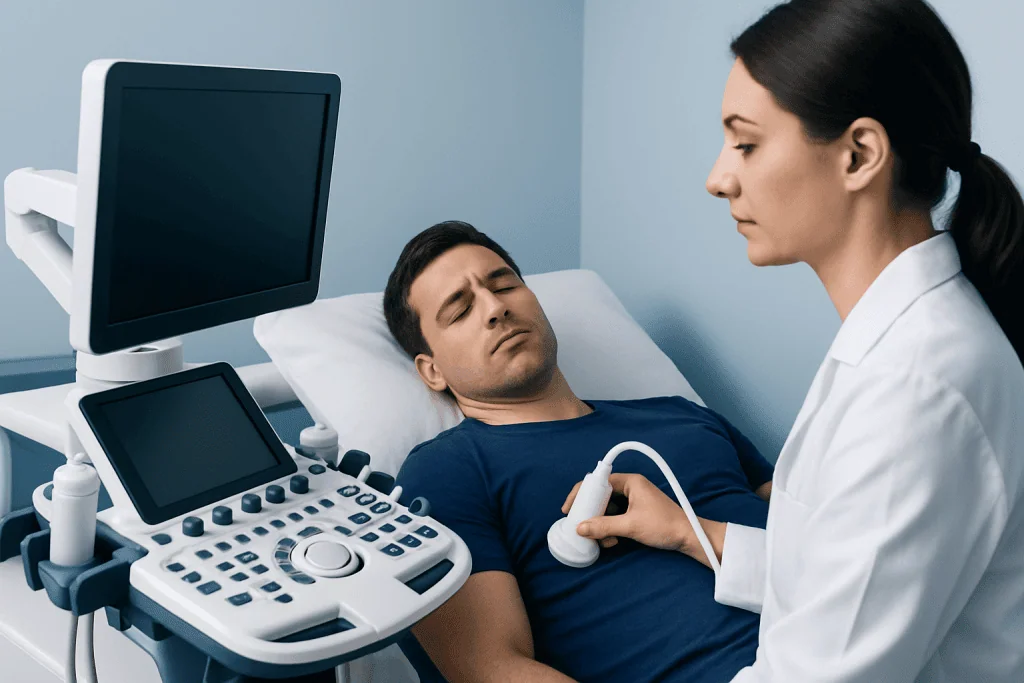
Imaging tests may also be helpful. An abdominal ultrasound can assess the size and structure of the liver, look for bile duct blockage, and identify signs of scarring or fatty change. In selected cases, more detailed imaging or elastography may be used to estimate fibrosis. Some people are also evaluated through broader liver disease assessment when the cause is unclear or chronic injury is suspected.
A liver biopsy is not needed for every patient, but it can sometimes help confirm the diagnosis, measure inflammation, or assess scarring. Doctors decide on biopsy based on the clinical picture, blood tests, and imaging results. For many patients, careful testing can identify the cause without an invasive procedure.
Treatment options
Treatment for hepatitis depends entirely on the cause, the severity of liver inflammation, and whether the illness is acute or chronic. Some cases improve with rest, hydration, avoiding alcohol, and stopping a medicine or supplement that may be irritating the liver. Others require targeted treatment and long-term follow-up.
Viral hepatitis may need supportive care alone, or it may require antiviral treatment, especially in some chronic infections. For patients with suspected or confirmed viral causes, doctors may discuss evaluation and management through hepatitis care tailored to the specific virus and the condition of the liver. Autoimmune hepatitis is often treated with medicines that calm the immune response, while toxin- or drug-related hepatitis focuses on removing the trigger and monitoring recovery.
If hepatitis has already caused scarring, additional treatment may be needed to manage complications. Long-standing liver inflammation can progress to fibrosis or cirrhosis in some individuals, so follow-up testing is important even after symptoms improve. When there is concern about advanced liver injury, specialists may also assess for cirrhosis-related complications and monitor liver function over time.
Nutrition, safe medication use, and regular follow-up are key parts of care. Patients should not start or stop medicines on their own without medical advice, since the liver processes many drugs and supplements. A personalized treatment plan helps reduce liver stress and supports recovery as much as possible.
Prevention and self-care
Not all hepatitis can be prevented, but many causes are at least partly avoidable. Vaccination is available for hepatitis A and hepatitis B and is one of the most effective preventive steps for people who are eligible. Good hand hygiene, safe food and water practices, and avoiding risky exposures also lower the chance of infection.
Self-care matters both before and after diagnosis. Avoiding alcohol is especially important when the liver is inflamed, because alcohol can worsen injury and slow healing. Patients should also use medicines carefully and talk to a doctor before taking herbal supplements or nonprescription products, since some can harm the liver.
Maintaining a healthy weight, staying physically active, and managing conditions such as diabetes or high cholesterol can support liver health. These habits are especially helpful when liver inflammation is linked to metabolic causes. Regular medical follow-up is important for anyone with chronic hepatitis or ongoing abnormal liver tests.
People with viral hepatitis may need guidance on how to reduce the chance of passing infection to others. This may include safe sex practices, not sharing razors or toothbrushes, and proper handling of blood exposure. A healthcare professional can explain which precautions are necessary for the specific type of hepatitis.
When to see a doctor
Medical evaluation is important if symptoms suggest hepatitis, especially when they last more than a few days or keep returning. Persistent fatigue, nausea, poor appetite, unexplained abdominal discomfort, or dark urine should not be dismissed if there is no clear reason for them. Testing is particularly important for people with known risk factors such as recent travel, heavy alcohol use, exposure to infected blood, or a family history of liver disease.
Urgent medical attention is needed for jaundice, confusion, severe abdominal pain, persistent vomiting, fainting, dehydration, or signs of bleeding. These symptoms can indicate more serious liver dysfunction or another condition that needs prompt treatment. Pregnancy, older age, and chronic medical conditions can also increase the importance of timely assessment.
Even if symptoms are mild, a doctor may recommend testing because hepatitis can be silent for a long time. Early diagnosis helps identify the cause, protects the liver, and may also prevent spread to others in cases of viral hepatitis. Specialist care may be helpful when the diagnosis is unclear, tests remain abnormal, or chronic disease is suspected.
Near the end of the diagnostic process, patients who need specialist input may choose centers with coordinated liver care. Acibadem International’s multidisciplinary specialists in JCI-accredited hospitals diagnose and treat hepatitis and related liver conditions for international patients.
Frequently asked questions
Can hepatitis cause symptoms without jaundice?
Yes. Many people with hepatitis never develop jaundice, especially in early or mild disease. Fatigue, nausea, poor appetite, abdominal discomfort, or abnormal blood tests may be the only signs.
What blood tests are used to diagnose hepatitis?
Doctors usually start with liver function and liver enzyme tests, including ALT, AST, bilirubin, and related markers. Depending on the results, they may order viral hepatitis tests, autoimmune markers, and tests for metabolic or inherited liver conditions.
Is hepatitis always caused by a virus?
No. While hepatitis A, B, and C are common viral causes, liver inflammation can also result from alcohol, medications, toxins, autoimmune disease, or metabolic disorders. That is why accurate testing is important before treatment decisions are made.
Can hepatitis go away on its own?
Some forms of acute hepatitis can improve with time and supportive care, depending on the cause. Others may become chronic or lead to complications, so medical follow-up is important even if symptoms start to improve.
When is imaging needed for hepatitis?
Imaging such as ultrasound is often used when doctors want to look at liver structure, bile ducts, or signs of fatty change or scarring. It is not a replacement for blood tests, but it can add useful information and help rule out other causes of symptoms.
Should someone avoid alcohol if hepatitis is suspected?
Yes. Alcohol can place extra stress on an inflamed liver and may worsen liver damage. Until a doctor gives guidance, avoiding alcohol is a sensible and protective step.
References
- World Health Organization
- Centers for Disease Control and Prevention
- National Institute of Diabetes and Digestive and Kidney Diseases
- American Association for the Study of Liver Diseases
This article is for general information only and is not a substitute for professional medical advice. Please consult a qualified doctor about your individual situation.
Hepatitis in Turkey — costs, top hospitals & a free quote
JCI-accredited · board-certified surgeons · reply within 24h
Add us as a Preferred Source to see more of our trusted health content across Google Search, AI Overviews and Discover.

Gastroenterology
Diagnosis and treatment of the digestive system and liver, with advanced endoscopy.
46 specialists in this unit