

Hormones of Birth Control: What Patients Need to Know

Hormonal birth control may contain estrogen and progestin together or progestin alone. These hormones prevent pregnancy by stopping ovulation, thickening cervical mucus, and changing the uterine lining.
Key Takeaways
- Hormonal birth control may contain estrogen and progestin together or progestin alone.
- These hormones prevent pregnancy by stopping ovulation, thickening cervical mucus, and changing the uterine lining.
- Different methods release hormones in different amounts and on different schedules.
- Benefits can include lighter periods, less menstrual pain, and acne improvement for some people.
- Side effects and risks vary, so a clinician should help match the method to the patient’s health history.
Hormones of birth control are synthetic versions of estrogen, progestin, or both that help prevent pregnancy in several ways. They can be effective and safe for many people, but the best option depends on medical history, preferences, and tolerance of side effects.
Overview: what the hormones of birth control do
The hormones of birth control are lab-made versions of the body’s natural reproductive hormones. Depending on the method, they contain estrogen and progestin together or progestin alone. These hormones mainly work by preventing ovulation, thickening cervical mucus so sperm have more difficulty reaching an egg, and making the lining of the uterus less suitable for pregnancy.
Hormonal birth control is not one single treatment. It includes pills, patches, vaginal rings, injections, implants, and hormonal intrauterine devices. Each method delivers hormones in a different way, which can affect convenience, bleeding patterns, side effects, and how suitable it is for a person’s overall health.
Many patients want to know whether these hormones are “strong” or harmful. In practice, the answer depends on the formulation, dose, method, and the individual patient. Modern options are designed to balance effectiveness with safety, and many people use them not only for contraception but also for menstrual symptoms, acne, or cycle control.
Which hormones are used in birth control?
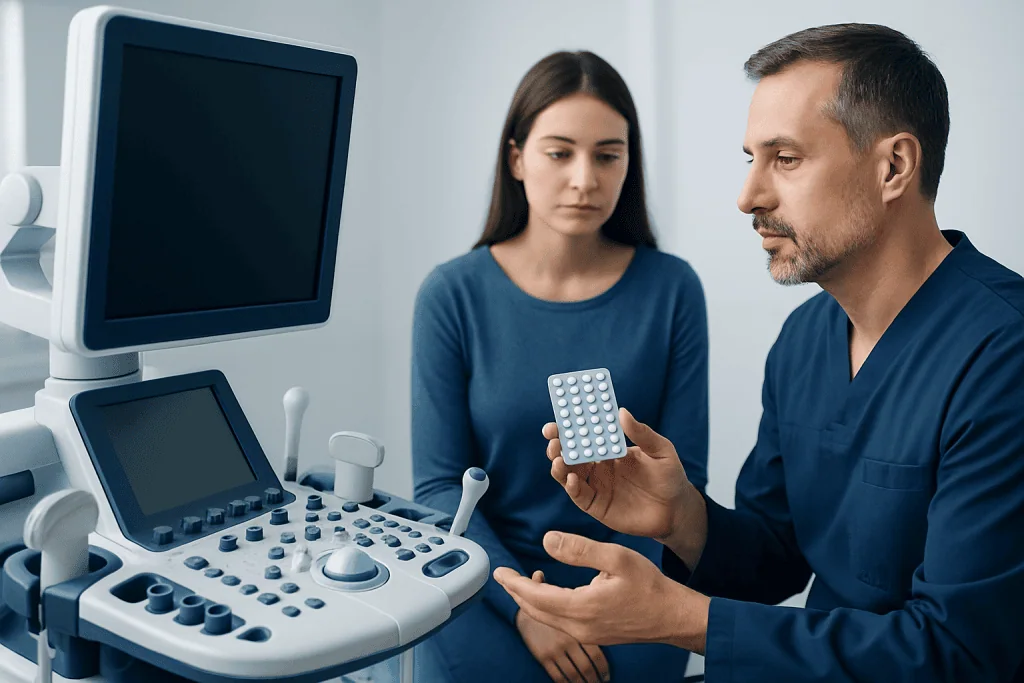
Most hormonal contraceptives use one of two hormone categories: estrogen and progestin. Estrogen in birth control is usually ethinyl estradiol or a similar compound. Progestin is a synthetic form of progesterone, but there are several different progestins, and they do not all behave exactly the same way in the body.
Combined hormonal methods contain both estrogen and progestin. These include many birth control pills, the patch, and the vaginal ring. Progestin-only methods include the mini-pill, the contraceptive injection, the implant, and most hormonal IUDs. For some patients, progestin-only options are preferred because they avoid estrogen-related risks.
The hormone profile matters because it influences both benefits and side effects. For example, one pill formulation may help with acne or cycle control, while another may be chosen to reduce estrogen exposure. A doctor may also review related conditions such as polycystic ovary syndrome if hormones are being considered for both contraception and symptom management.
- Estrogen: helps suppress ovulation and supports cycle regulation.
- Progestin: thickens cervical mucus, thins the uterine lining, and may also suppress ovulation.
- Combination methods: often offer predictable bleeding patterns.
- Progestin-only methods: may be suitable when estrogen is not advised.
How hormonal birth control works in the body

The main effect of hormonal birth control is to reduce the chance of fertilization and pregnancy. Combined methods usually suppress ovulation reliably when used correctly. Many progestin-only methods also prevent ovulation, though some rely more strongly on thickening cervical mucus and changing the uterine lining.
Hormones work through the endocrine system and the brain-ovary signaling pathway. In simple terms, they reduce the hormonal signals that tell the ovaries to mature and release an egg. At the same time, they make cervical mucus thicker, which creates a physical barrier to sperm movement.
The uterine lining also becomes thinner with many methods. This is one reason some patients notice lighter periods or less cramping over time. Although patients often describe this as “stopping periods,” the exact bleeding pattern depends on the method, and some methods may cause irregular spotting at first.
Hormonal methods do not protect against sexually transmitted infections. Barrier protection may still be recommended depending on a person’s sexual health needs.
Common benefits, side effects, and possible risks
Beyond pregnancy prevention, the hormones of birth control may offer additional benefits. Some patients have lighter periods, less menstrual pain, reduced bleeding-related iron loss, fewer ovarian cysts, and better symptom control in conditions linked to the menstrual cycle. Certain methods may also help with acne or symptoms related to endometriosis.
Common side effects can include nausea, breast tenderness, spotting between periods, headaches, mood changes, bloating, or changes in bleeding patterns. These effects are often mild and may improve after the first few months, but not every patient responds the same way. A side effect that is acceptable for one person may be disruptive for another.
Some risks are uncommon but important to discuss with a clinician. Estrogen-containing methods may not be suitable for people with a history of blood clots, certain types of migraine, uncontrolled high blood pressure, some liver conditions, or smoking at an older reproductive age. Risk assessment should always be individualized.
Weight changes are a frequent concern. Evidence does not show major weight gain with most hormonal methods for most users, although appetite, fluid retention, and personal experience can vary. Patients who are unhappy with one method often do well after switching to another formulation or delivery method.
Types of hormonal birth control and how they differ
Different methods use the same general hormonal principles but vary in convenience and duration. Daily pills can be combined or progestin-only. The patch is replaced on a schedule through the skin, and the ring sits in the vagina and releases hormones locally for a set time before replacement.
Long-acting reversible contraception includes the implant and hormonal IUD. These options work for months to years and can be a good choice for patients who want highly effective contraception without daily action. The implant releases progestin through a small rod under the skin, while hormonal IUDs release progestin inside the uterus. Some patients seeking long-term options may discuss IUD insertion with a gynecologist.
The contraceptive injection is another progestin-only option given at regular intervals. It can be useful for those who prefer not to remember a daily method, though it may cause irregular bleeding and a delay in return to fertility after stopping in some patients.
Choosing a method is rarely just about effectiveness. It also involves menstrual goals, privacy, ease of use, plans for pregnancy, comfort with devices, and any medical conditions that affect eligibility. A gynecology visit can help compare options, and some patients may benefit from broader gynecology care if they also have cycle symptoms or pelvic concerns.
How doctors choose the safest option
Choosing hormonal birth control begins with a careful medical history. A clinician will usually ask about blood pressure, smoking, migraines, liver disease, blood clot history, menstrual symptoms, recent pregnancy, breastfeeding, and medicines that may interfere with hormone metabolism. Family history can also be relevant, but personal history usually guides safety decisions more strongly.
In many cases, no extensive testing is needed before starting birth control, but a blood pressure check is especially important for estrogen-containing methods. Pregnancy may need to be excluded based on timing, symptoms, or a test. Depending on symptoms, the doctor may also evaluate other gynecologic issues such as abnormal bleeding or pelvic pain.
Method choice can also depend on whether a patient wants predictable monthly bleeding, fewer periods, or the possibility of having very light or absent bleeding. People with migraine with aura, a strong clotting history, or certain cardiovascular risks may be guided toward non-estrogen options. If symptoms suggest another underlying condition, referral for obstetrics and gynecology evaluation may be appropriate.
Self-care, monitoring, and when to seek medical care
Patients using hormonal birth control can help reduce problems by taking or using the method exactly as directed and attending regular follow-up if recommended. It can be useful to track bleeding changes, headaches, mood changes, or other symptoms for the first few months. This information helps a clinician decide whether side effects are likely to settle or whether another method may be a better fit.
Healthy habits still matter while using hormonal contraception. Not smoking, keeping blood pressure monitored, and reviewing any new medicines or supplements with a doctor can all support safer use. If a patient misses pills or is unsure whether the method was used correctly, a pharmacist or clinician can advise on backup contraception and emergency options.
Medical care should be sought promptly for severe chest pain, shortness of breath, sudden leg swelling, weakness on one side, severe new headache, vision changes, or heavy bleeding. These symptoms do not usually mean a serious problem, but they should be checked without delay because they can signal uncommon complications.
Patients should also arrange a routine medical review if side effects are persistent, periods become very troublesome, mood symptoms worsen, or there is concern about fertility planning. Near the end of the care pathway, some international patients choose assessment at Acibadem International, where multidisciplinary specialists in JCI-accredited hospitals diagnose and treat women’s health conditions in a coordinated setting.
Frequently asked questions
What are the hormones of birth control?
They are synthetic versions of reproductive hormones used to prevent pregnancy. Some methods contain both estrogen and progestin, while others contain only progestin. These hormones affect ovulation, cervical mucus, and the uterine lining.
Do all birth control methods contain the same hormones?
No. Different methods use different hormone combinations, doses, and delivery systems. A pill, patch, ring, implant, injection, and hormonal IUD may all work differently even though they belong to the same general category of hormonal contraception.
Are hormones of birth control safe?
They are safe for many patients, but not every method is suitable for every person. Safety depends on factors such as age, blood pressure, migraine history, smoking, blood clot risk, and other medical conditions. A clinician can help identify the safest option.
Can hormonal birth control help with painful or heavy periods?
Yes, many hormonal methods can make periods lighter, less painful, or more predictable. Some can also reduce bleeding enough that periods become very light or stop temporarily. This effect is often considered a treatment benefit rather than a problem.
Do birth control hormones cause weight gain?
Most studies do not show major weight gain with most hormonal methods for most users. However, some people notice changes in appetite, bloating, or fluid retention. If weight changes are bothersome, a different method may be worth discussing.
How long does it take for hormones of birth control to leave the body?
This depends on the method. Daily pills, patches, and rings stop affecting the body fairly quickly after they are discontinued, while injections may take longer to wear off fully. Return to fertility can vary, so patients planning pregnancy should ask their doctor for method-specific guidance.
References
- World Health Organization
- Centers for Disease Control and Prevention
- American College of Obstetricians and Gynecologists
- National Institute for Health and Care Excellence
- Mayo Clinic
This article is for general information only and is not a substitute for professional medical advice. Please consult a qualified doctor about your individual situation.
Explore treatments in Turkey — costs, top hospitals & a free quote
JCI-accredited · board-certified surgeons · reply within 24h
Add us as a Preferred Source to see more of our trusted health content across Google Search, AI Overviews and Discover.
Check your numbers in seconds
BMI, calories, due date, blood pressure and 30+ more clinical calculators — free, instant, doctor-reviewed ranges.

More from the Health Library

Neurobion: An Evidence-Based Guide for Patients

103 Fever — Explained by Medical Evidence, Not Myths

Where Is the Eustachian Tube Located: What Patients Need to Know

Prophylaxis: What Patients Need to Know

Average Waist Size for Women: An Evidence-Based Guide for Patients

Percutaneous Nephrolithotomy: A Complete Medical Overview
Gynecology & Obstetrics Specialists at Acibadem

Assoc. Prof. Dr. Aylin Önder Dirican
Gynecology & Obstetrics
Dr. Aylin Tatlıadım
Gynecology & Obstetrics
Dr. Ayşe Dişli Gürler
Gynecology & Obstetrics
Dr. Aysel Özkaynak
Gynecology & Obstetrics