How Cancer Spreads: Local Growth, Lymph Nodes, and Metastasis Explained

Cancer often begins in one place and may first grow into nearby tissue before spreading farther. Lymph nodes can act as pathways and filters where cancer cells may travel and settle.
Key Takeaways
- Cancer often begins in one place and may first grow into nearby tissue before spreading farther.
- Lymph nodes can act as pathways and filters where cancer cells may travel and settle.
- Metastasis means cancer has spread to a distant part of the body and formed a new tumor there.
- Not all cancers spread in the same way, and some remain localized for a long time.
- Imaging, biopsy, and staging tests help doctors find out whether and where cancer has spread.
- Treatment depends on the cancer type, stage, overall health, and whether spread is local, regional, or distant.
How cancer spreads usually follows a stepwise pattern: local growth into nearby tissue, possible spread to lymph nodes, and sometimes metastasis to distant organs. Understanding these stages can help patients and families make sense of diagnosis, staging, and treatment decisions.
Overview: what it means when cancer spreads
Cancer starts when abnormal cells grow out of control. In many cases, it begins in one organ or tissue, such as the breast, lung, colon, or skin. Over time, some cancers remain confined to their original location, while others gain the ability to grow into nearby structures or travel to other parts of the body.
When people ask how cancer spreads, doctors usually describe three main patterns. The first is local growth, where the tumor expands into nearby tissue. The second is regional spread, often involving nearby lymph nodes. The third is metastasis, which means cancer cells have traveled farther away and formed new tumors in distant organs such as the liver, lungs, bones, or brain.
This process does not happen in exactly the same way for every cancer. Some cancers spread early, while others grow slowly and remain localized for longer. The chance and pattern of spread depend on the cancer type, how aggressive the cells are, and how early the disease is found.
Local growth: the first step in cancer spread
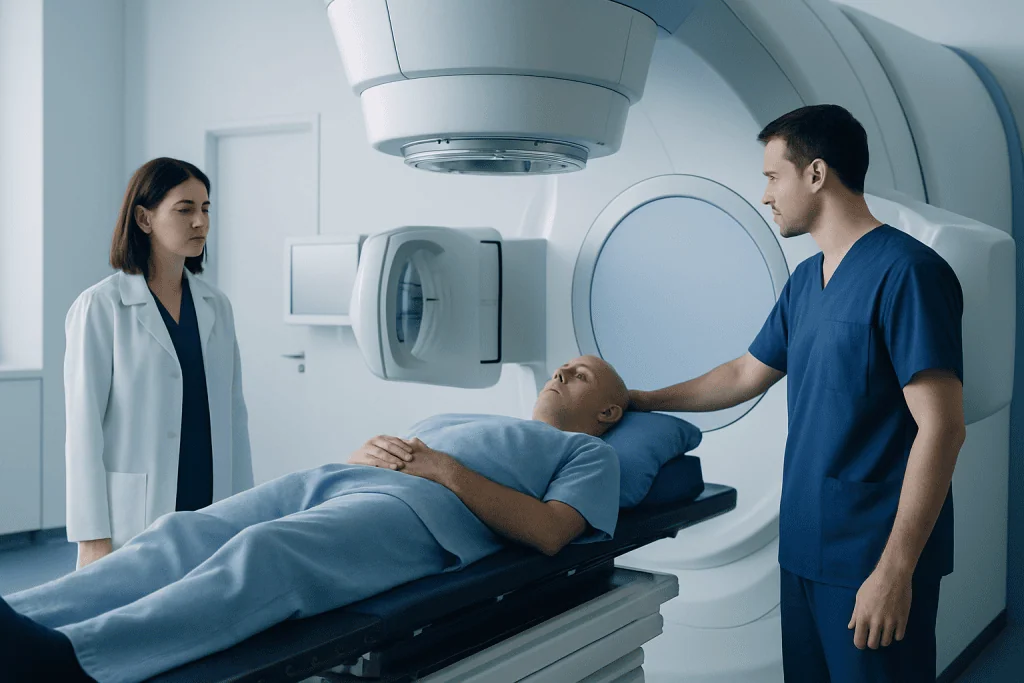
Local growth means a cancer enlarges at its place of origin and begins to invade the normal tissue around it. This happens because cancer cells can ignore the usual boundaries that keep healthy cells in their proper place. Instead of stopping where they should, they may push into nearby fat, muscle, nerves, blood vessels, or organs.
For example, a tumor that starts in the colon may grow through the wall of the bowel. A lung tumor may extend into nearby airways or chest structures. A skin cancer may spread deeper into the layers under the skin. Even before cancer reaches distant organs, this local invasion can affect symptoms, organ function, and treatment planning.
Doctors often assess local growth as part of cancer staging. The size of the tumor and how deeply it has invaded nearby tissue can influence whether surgery is possible and whether other treatments, such as radiation therapy or systemic cancer treatment, may be recommended.
How lymph nodes are involved
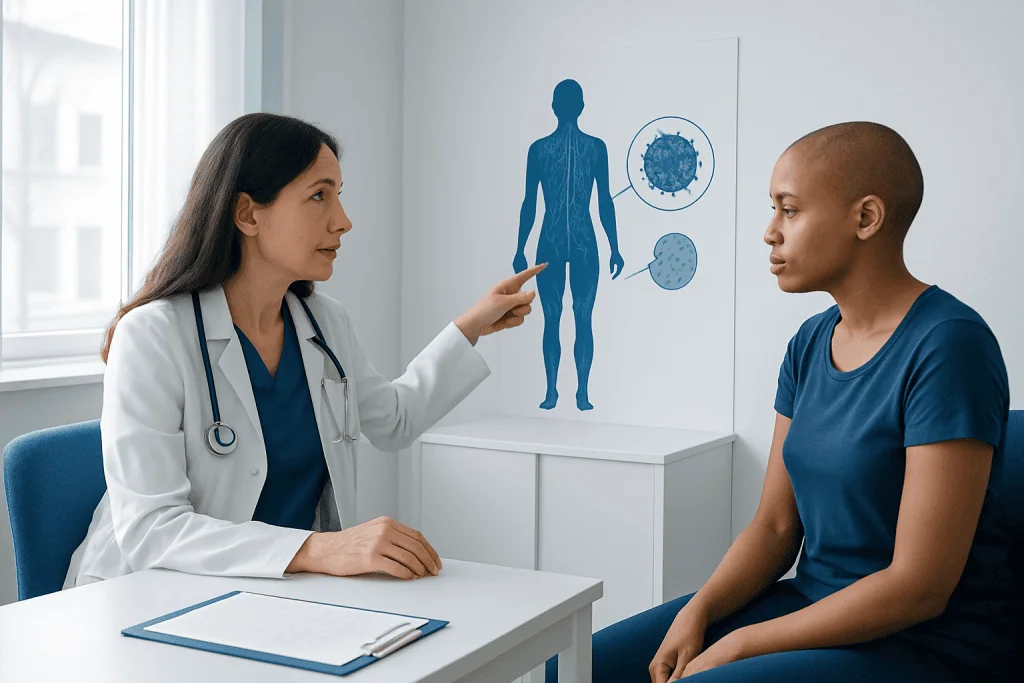
Lymph nodes are small, bean-shaped structures that are part of the body’s lymphatic system. This network helps move lymph fluid and supports immune function. Because lymphatic vessels run throughout the body, cancer cells can sometimes enter them and travel to nearby lymph nodes.
When cancer reaches lymph nodes, it does not always mean it has spread widely through the body. In many cases, lymph node involvement represents regional spread rather than distant metastasis. However, it is still an important finding because it can show that cancer cells have developed the ability to move beyond the original tumor.
Doctors may examine lymph nodes with imaging tests, physical examination, or biopsy. In some cancers, surgeons remove one or more nodes to look for cancer cells under a microscope. Lymph node findings help determine stage and guide treatment decisions, especially in conditions such as breast cancer and lung cancer.
- Nearby lymph nodes may become enlarged, but enlargement does not always mean cancer.
- Some lymph nodes with cancer look normal on scans and are only detected by biopsy.
- The number and location of affected nodes can influence treatment recommendations.
Metastasis: when cancer spreads to distant organs
Metastasis happens when cancer cells break away from the original tumor, survive in the bloodstream or lymphatic system, and settle in another part of the body. There, they may begin to grow and form a new tumor. These new tumors are made of the original cancer cells, not the cells of the organ where they have settled. For example, breast cancer that spreads to the bone is still called metastatic breast cancer, not bone cancer.
Different cancers tend to spread to different places. Colon cancer commonly spreads to the liver, lung cancer may spread to the brain or bones, and prostate cancer often spreads to bone. These patterns help doctors decide which tests may be most useful and what symptoms to ask about.
Metastatic cancer is usually more complex to treat because disease is present beyond the original site. Even so, treatment can still help control the cancer, relieve symptoms, and in some cases keep the disease stable for long periods. Depending on the situation, care may include chemotherapy, targeted medicines, immunotherapy, surgery, radiation, or a combination of approaches.
Why some cancers spread and others do not
Cancer spread depends on the biology of the tumor. Some cancer cells develop changes that help them detach, move, avoid the immune system, and grow in new environments. Other tumors may grow slowly and never acquire these features, or they may do so only after many years.
The risk of spread also depends on where a cancer begins, how large it is, how abnormal the cells look under the microscope, and whether it has reached lymphatic channels or blood vessels. Certain types of cancer are known to be more aggressive, while others are often discovered before they have spread.
It is important to remember that stage is not the same as prognosis for every person. Two people may have the same stage of cancer but different treatment options and outcomes because of tumor biology, age, general health, and how the cancer responds to therapy. This is one reason cancer care is often planned by a multidisciplinary team.
How doctors diagnose and stage cancer spread
To understand how far a cancer has spread, doctors combine several kinds of information. These often include the medical history, physical examination, blood tests, imaging studies, and biopsy results. Imaging may involve ultrasound, CT, MRI, PET-CT, bone scan, or other tests depending on the suspected cancer type and site of spread.
A biopsy remains the key test for confirming cancer. It can identify the cell type, show how aggressive it appears, and sometimes reveal molecular features that help guide treatment. If there is concern that a distant lesion could represent metastasis, doctors may recommend a biopsy of that area as well.
Staging describes the extent of disease. Many cancers use the TNM system: T for the size or extent of the primary tumor, N for nearby lymph node involvement, and M for distant metastasis. Staging helps doctors communicate clearly, compare treatment approaches, and choose the most appropriate care plan. In some patients, advanced imaging and PET-CT scanning can help identify areas of possible spread that need closer evaluation.
Treatment options when cancer has spread
Treatment is tailored to the individual. For localized cancer, surgery may be the main treatment, sometimes combined with radiation or drug therapy. If lymph nodes are involved, doctors may still aim for cure, but the treatment plan may become more intensive and include combinations of surgery, systemic therapy, and radiation.
When cancer is metastatic, treatment usually focuses on controlling the disease throughout the body. This often means systemic therapy, such as chemotherapy, targeted therapy, hormone therapy, or immunotherapy, depending on the cancer type. Local treatments can still play an important role, especially to relieve symptoms or treat limited areas of spread.
Supportive care is also a central part of treatment. Managing pain, fatigue, appetite changes, emotional stress, and treatment side effects can improve quality of life at every stage. Near the end of the care pathway, patients seeking expert evaluation may wish to know that Acibadem International’s multidisciplinary specialists at JCI-accredited hospitals diagnose and treat many forms of cancer for international patients.
Can cancer spread be prevented or found earlier?
Not all cancer spread can be prevented, but early detection can make a major difference. Cancers found before they invade deeply or reach lymph nodes are often easier to treat. Screening programs for certain cancers, such as breast, cervical, colorectal, and some lung cancers in high-risk individuals, can help detect disease earlier.
People can also lower their overall cancer risk by avoiding tobacco, limiting alcohol, maintaining a healthy weight, staying physically active, protecting skin from excessive sun exposure, and keeping up with recommended vaccines and screening. These steps do not guarantee prevention, but they support long-term health.
For someone already diagnosed with cancer, following the treatment plan and attending regular follow-up appointments are important. Follow-up care helps doctors monitor response to treatment, look for signs of recurrence or spread, and address new symptoms promptly. Patients should always ask their care team which symptoms require urgent attention.
When to see a doctor
Anyone with persistent, unexplained symptoms should speak with a doctor. Symptoms do not necessarily mean cancer, but medical assessment is important if there is a lump that does not go away, unexplained weight loss, ongoing pain, changes in bowel or bladder habits, unusual bleeding, a persistent cough, or new neurological symptoms such as weakness or severe headaches.
For people who already have a cancer diagnosis, new symptoms should not be ignored. Worsening pain, shortness of breath, jaundice, confusion, new swelling, or unexplained bone pain can sometimes suggest progression or complications that need timely evaluation. Early review may allow faster symptom relief and more treatment options.
If a person has a strong family history of cancer or concerns about inherited risk, discussing screening and genetic counseling with a qualified doctor may also be helpful. Clear communication with the care team can reduce uncertainty and support better decisions at every stage.
Frequently asked questions
Does every cancer spread?
No. Some cancers stay localized and never spread beyond their original site. Others can spread locally, to lymph nodes, or to distant organs, depending on the cancer type and its biology.
What is the difference between local spread and metastasis?
Local spread means the tumor grows into nearby tissues around where it started. Metastasis means cancer cells have traveled to a distant part of the body and formed a new tumor there.
If cancer is found in lymph nodes, is it always stage 4?
No. Cancer in nearby lymph nodes usually means regional spread, not necessarily distant metastatic disease. Stage 4 generally refers to cancer that has spread to distant organs or tissues, although staging details vary by cancer type.
How do doctors know whether cancer has spread?
Doctors use a combination of physical examination, imaging tests, blood tests, and biopsy results. The exact tests depend on the type of cancer, the symptoms, and which areas of spread are suspected.
Can metastatic cancer be treated?
Yes. Although metastatic cancer is often more complex to manage, many treatments can help control it, relieve symptoms, and improve quality of life. Some people live for long periods with metastatic disease, especially when the cancer responds well to therapy.
What symptoms might suggest cancer has spread?
Symptoms depend on where the cancer has spread and may include unexplained weight loss, persistent pain, cough, shortness of breath, bone pain, jaundice, headaches, or neurological changes. These symptoms can also have many non-cancer causes, so medical evaluation is important.
References
- World Health Organization
- National Cancer Institute
- American Cancer Society
- National Comprehensive Cancer Network
- European Society for Medical Oncology
This article is for general information only and is not a substitute for professional medical advice. Please consult a qualified doctor about your individual situation.
Persistent digestive symptoms? Get evaluated in Turkey
JCI-accredited · board-certified surgeons · reply within 24h
Add us as a Preferred Source to see more of our trusted health content across Google Search, AI Overviews and Discover.