How Does LASIK Work? Step-by-Step Vision Correction

LASIK works by reshaping the cornea to improve how light focuses in the eye. The procedure is usually quick, and vision often begins improving within days.
Key Takeaways
- LASIK works by reshaping the cornea to improve how light focuses in the eye.
- The procedure is usually quick, and vision often begins improving within days.
- Not everyone is a good candidate; a detailed eye exam is essential before treatment.
- Common side effects include temporary dryness, glare, and fluctuating vision during healing.
- Alternative procedures such as [[TREATMENT:prk|PRK]] or [[TREATMENT:lasek|LASEK]] may be better for some patients.
LASIK is a laser vision correction procedure that reshapes the cornea so light focuses more clearly on the retina. It is commonly used to treat nearsightedness, farsightedness, and astigmatism, helping many people rely less on glasses or contact lenses.
Overview: What LASIK Does
LASIK stands for laser-assisted in situ keratomileusis. It is a type of laser vision correction designed to reduce refractive errors, which are focusing problems that cause blurred vision. The procedure changes the shape of the cornea, the clear front surface of the eye, so that incoming light is focused more accurately onto the retina.
When the eye does not focus light correctly, a person may have nearsightedness, farsightedness, or astigmatism. Glasses and contact lenses correct these problems from outside the eye. LASIK aims to correct them at the corneal level, which can reduce the need for visual aids in everyday life.
LASIK is one of several refractive surgery options. It is not the right choice for everyone, but for suitable candidates it can provide clear, stable vision with relatively fast recovery. A comprehensive evaluation by an ophthalmologist helps determine whether LASIK or another approach, such as iLASIK, is most appropriate.
How LASIK Works Step by Step
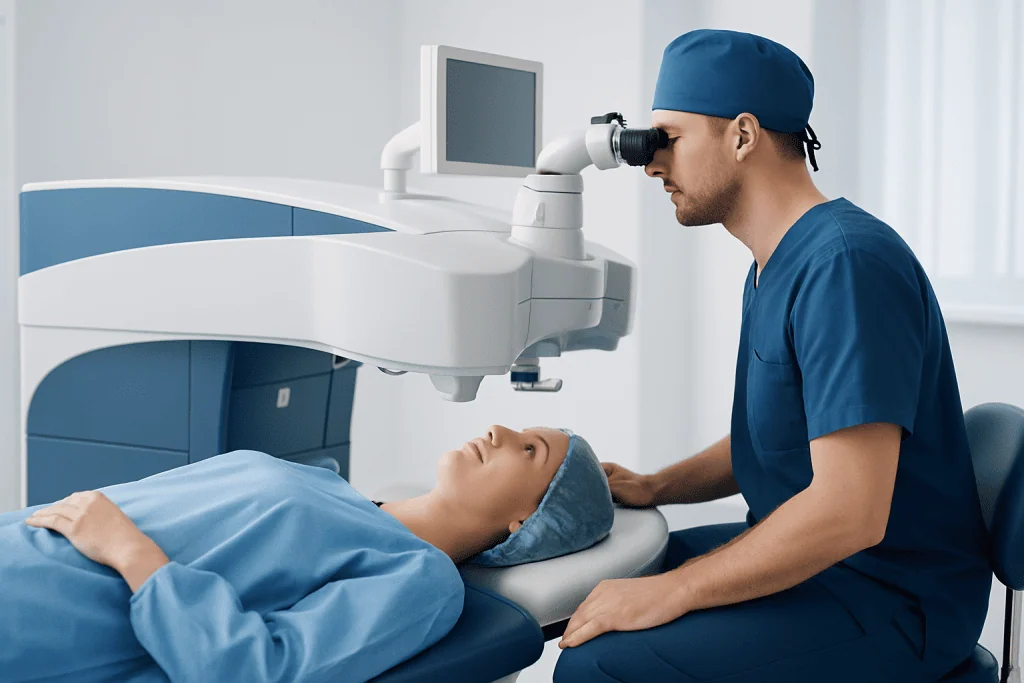
The basic goal of LASIK is to reshape the cornea with a highly precise laser. Before the treatment starts, numbing eye drops are used to keep the procedure comfortable. The eye is then gently positioned so the surgeon can work safely and accurately.
In the first step, a very thin flap is created in the outer layer of the cornea. This may be done with a microkeratome blade or with a femtosecond laser, depending on the technique used. The flap is carefully lifted to expose the underlying corneal tissue.
Next, an excimer laser removes microscopic amounts of corneal tissue in a planned pattern. For nearsightedness, the cornea is flattened slightly. For farsightedness, the central cornea is made steeper. For astigmatism, the laser smooths an uneven corneal shape. The laser treatment itself usually lasts only seconds to a minute, depending on the prescription.
After reshaping is complete, the corneal flap is gently placed back into position. It naturally adheres without stitches in most cases. Because the flap acts like a biological bandage, healing can begin quickly, which is one reason LASIK recovery is often faster than some other procedures.
Who May Be a Good Candidate

Good LASIK candidates are usually adults with a stable eyeglass or contact lens prescription, healthy corneas, and no major untreated eye disease. The prescription should generally be unchanged for a period of time before surgery, because changing vision can affect the final result.
A thorough preoperative assessment is important. The ophthalmologist checks corneal thickness, corneal shape, tear production, pupil size, and the overall health of the eyes. This helps confirm whether LASIK is safe and whether there is enough corneal tissue for reshaping.
Some people may not be ideal candidates for LASIK. Examples include those with very thin corneas, significant dry eye, certain corneal diseases such as keratoconus, uncontrolled diabetes, pregnancy-related vision changes, or eye conditions like advanced cataracts. In such cases, a doctor may recommend another solution, such as contact lenses, another laser procedure, or lens-based treatment.
- Adults with stable vision are often the best candidates.
- Healthy corneas are essential for safety and long-term results.
- Pregnancy, active eye infection, or uncontrolled medical conditions may delay surgery.
- A detailed consultation is needed to confirm suitability.
What to Expect Before, During, and Right After Surgery
Before LASIK, the patient has a complete eye examination and measurements are taken to map the cornea and determine the laser treatment plan. Contact lenses often need to be stopped for a period before the evaluation, because they can temporarily change the cornea’s shape and affect accuracy.
On the day of treatment, the procedure is usually done on an outpatient basis. The patient remains awake, but numbing drops are used, and some people may receive medication to help them relax. The eyes are cleaned, the surgeon performs the treatment, and both eyes may often be treated in the same session if appropriate.
Immediately afterward, the eyes may feel watery, mildly irritated, or sensitive to light. Vision can be hazy at first, but many people notice improvement quite soon. A protective shield may be used, and the doctor provides instructions about eye drops, rubbing the eyes, bathing, screen use, and returning to work or exercise.
Follow-up visits are important because they allow the ophthalmologist to monitor healing and vision. These checkups help detect dryness, inflammation, or other issues early. Ongoing care through general ophthalmology services can support a smooth recovery and long-term eye health.
Benefits, Limitations, and Possible Side Effects
The main benefit of LASIK is improved unaided vision. Many people become much less dependent on glasses or contact lenses for daily activities such as driving, reading signs, or sports. Recovery is often relatively quick, and discomfort is usually mild and short-lived.
However, LASIK has limits. It may greatly reduce the need for glasses, but it does not guarantee perfect vision in every situation. Some people still need glasses for certain tasks, and age-related changes such as presbyopia can still develop later, even after successful LASIK.
Temporary side effects are fairly common during healing. These can include dry eyes, glare, halos around lights, fluctuating vision, and increased light sensitivity. In many cases these symptoms improve over weeks to months. Lubricating drops and careful follow-up can help manage recovery.
Although serious complications are uncommon, they are possible. Problems may include infection, inflammation, flap-related issues, undercorrection, overcorrection, or visual symptoms that last longer than expected. That is why careful patient selection and experienced surgical planning are so important, especially when using advanced ophthalmic lasers.
LASIK Compared With Other Vision Correction Options
LASIK is not the only option for refractive correction. Glasses and contact lenses remain effective, non-surgical choices for many people. For those who are not suitable for LASIK, other procedures may offer better safety or outcomes depending on corneal thickness, lifestyle, and prescription.
PRK and LASEK are alternative laser procedures that reshape the cornea without creating the same type of flap used in LASIK. These options may be considered for people with thinner corneas or certain occupational or sports-related needs. Healing can take longer than LASIK, but they can provide excellent visual results in the right patient.
Lens-based procedures may be discussed for some patients, especially when age-related lens changes are present. For example, someone with a visually significant cataract may benefit more from cataract surgery with an intraocular lens than from corneal laser surgery. The best approach depends on the individual eye rather than a single procedure fitting everyone.
Recovery, Self-Care, and When to Seek Medical Advice
Most people can return to many normal activities within a short time, but full visual stabilization may take longer. During recovery, it is important to use prescribed eye drops, avoid rubbing the eyes, and protect the eyes from irritants such as dust, smoke, and untreated pool water. Sunglasses can also help with light sensitivity outdoors.
Dryness is one of the most common short-term concerns after LASIK. Using lubricating drops as advised and taking breaks during screen use may improve comfort. People should also follow their doctor’s guidance about driving, makeup, exercise, and travel in the days after surgery.
Medical advice should be sought promptly if there is significant pain, worsening redness, sudden drop in vision, increasing discharge, or symptoms that feel different from the expected mild irritation after surgery. While most recovery is smooth, these signs deserve assessment by an eye specialist.
For patients seeking evaluation or treatment abroad, Acibadem International’s multidisciplinary specialists and JCI-accredited hospitals provide diagnosis and treatment for vision correction needs, with care plans tailored to each patient’s eye health and goals.
Frequently asked questions
How long does the LASIK procedure take?
LASIK is usually a short outpatient procedure. The laser part often takes less than a minute per eye, while the full visit in the procedure room is typically longer because of preparation and positioning.
Is LASIK painful?
Most people feel little to no pain during LASIK because numbing eye drops are used. Some mild pressure, irritation, tearing, or a gritty feeling can happen afterward, but this usually improves quickly.
How soon can vision improve after LASIK?
Many patients notice clearer vision within a day or two, although vision can fluctuate during early healing. Full stabilization may take several weeks or longer depending on the individual eye.
Can LASIK permanently fix vision?
LASIK permanently changes the shape of the cornea, but eyesight can still change over time due to aging or other eye conditions. Some people may later need glasses for reading or certain activities, especially with presbyopia.
Who should not have LASIK?
LASIK may not be suitable for people with thin or irregular corneas, significant dry eye, certain corneal diseases, unstable vision, pregnancy-related vision changes, or untreated eye disease. A full eye examination is the safest way to find out whether it is appropriate.
What is the difference between LASIK and PRK?
Both procedures use a laser to reshape the cornea, but LASIK involves creating a corneal flap, while PRK treats the corneal surface without the same flap. LASIK often has faster visual recovery, while PRK may be preferred for some people with thinner corneas or specific lifestyle needs.
This article is for general information only and is not a substitute for professional medical advice. Please consult a qualified doctor about your individual situation.
LASIK in Turkey — costs, top hospitals & a free quote
JCI-accredited · board-certified surgeons · reply within 24h
Add us as a Preferred Source to see more of our trusted health content across Google Search, AI Overviews and Discover.

Related Treatments
More from the Health Library

Can Contact Lenses Correct Astigmatism? Types, Fit, and Daily Comfort

Strabismus: Crossed Eyes, Double Vision, and Treatment

Ocular Prosthetics: What to Expect From Fitting, Appearance, and Long-Term Care
Corneal Transplant: When It Is Needed and What to Expect

Chalazion Surgery: When a Persistent Eyelid Lump Needs Removal