How Gastric Sleeve Surgery Works: Stomach Changes, Hunger, and Weight Loss

Gastric sleeve surgery removes a large portion of the stomach, leaving a narrow sleeve-shaped pouch. The surgery supports weight loss by limiting food intake and reducing hunger signals such as ghrelin.
Key Takeaways
- Gastric sleeve surgery removes a large portion of the stomach, leaving a narrow sleeve-shaped pouch.
- The surgery supports weight loss by limiting food intake and reducing hunger signals such as ghrelin.
- Most patients still need long-term dietary changes, physical activity, and regular medical follow-up.
- It is usually considered for people with obesity or obesity-related health problems after careful evaluation.
- Benefits may include weight loss and improvement in conditions such as type 2 diabetes, sleep apnea, and high blood pressure.
- Like all surgery, it carries risks and requires discussion with a qualified bariatric team.
Gastric sleeve surgery is a common weight loss operation that makes the stomach much smaller and changes hunger-related hormones. These effects can help patients feel full sooner, eat less, and achieve meaningful weight loss when combined with lifelong nutrition and lifestyle habits.
Overview: What Gastric Sleeve Surgery Does
Gastric sleeve surgery, also called sleeve gastrectomy, is a type of bariatric surgery designed to help with long-term weight loss. During the procedure, a surgeon removes a large part of the stomach and leaves behind a smaller, tube-like stomach or “sleeve.” Because the new stomach holds much less food, patients usually feel full sooner and eat smaller portions.
The operation does more than simply reduce stomach size. It also changes some of the body’s hormonal signals involved in hunger, fullness, blood sugar regulation, and metabolism. This is one reason many people notice not only reduced meal size but also less appetite after surgery.
Gastric sleeve surgery is often considered for people living with obesity, especially when diet, exercise, and other non-surgical methods have not led to enough weight loss or when weight is affecting health. It is one of the most commonly performed forms of bariatric surgery because it can be effective while avoiding intestinal rerouting.
For selected patients with severe morbid obesity, gastric sleeve surgery may improve quality of life and reduce the burden of obesity-related conditions. However, it is best understood as a tool rather than a quick fix. Long-term success depends on follow-up care, balanced eating, physical activity, and ongoing support.
How the Stomach Changes After Surgery
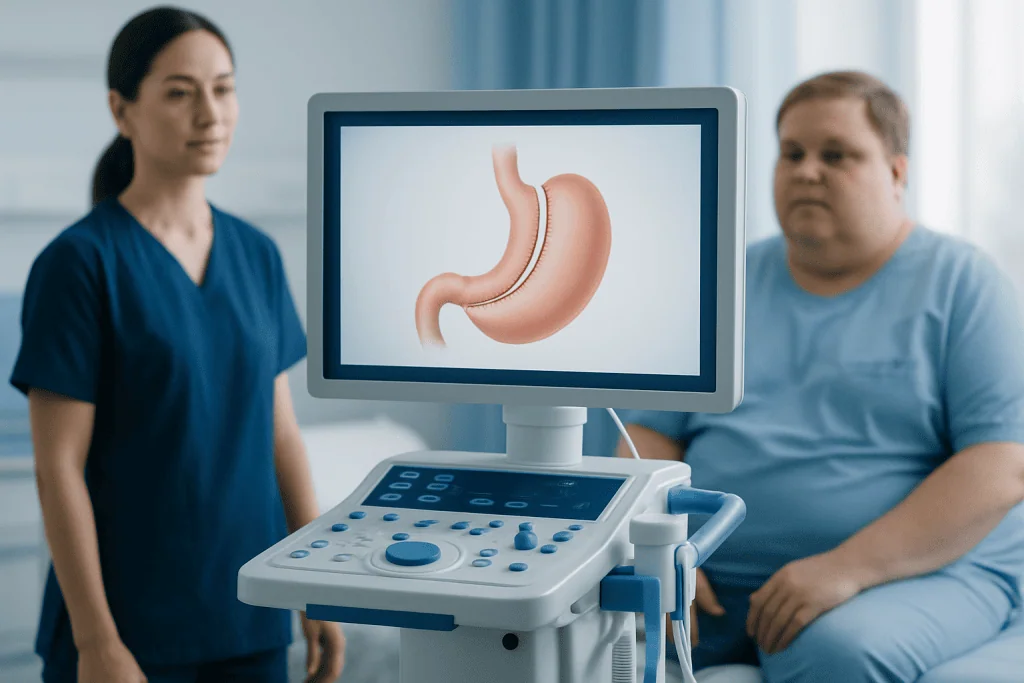
In gastric sleeve surgery, about 70% to 80% of the stomach is typically removed. The remaining stomach becomes a narrow, banana-shaped pouch. Food still follows the normal path through the digestive system, moving from the stomach into the small intestine, but the amount the stomach can comfortably hold is much smaller.
This change affects eating in practical ways. Before surgery, the stomach can stretch to hold a large meal. After surgery, only a small amount of food fits at one time. Eating too quickly or taking large bites may cause discomfort, pressure, nausea, or vomiting, especially during recovery and the early adjustment period.
The sleeve-shaped stomach also empties differently than the original stomach. Digestion still occurs in a familiar sequence, but meal timing, portion size, and food texture become more important. Patients are usually guided through stages that begin with liquids, then soft foods, and finally regular textured foods in carefully controlled amounts.
Because the intestines are not bypassed, nutrient absorption is generally less affected than with gastric bypass. Even so, patients can still develop vitamin or mineral deficiencies if they do not follow supplement recommendations and postoperative nutrition advice.
Why Hunger Often Decreases
One of the most interesting effects of gastric sleeve surgery is its impact on hunger. The part of the stomach that produces much of the hormone ghrelin is largely removed during surgery. Ghrelin is often called the “hunger hormone” because it helps signal appetite to the brain. When ghrelin levels fall, many patients feel less hungry than they did before surgery.
This hormonal shift can make it easier to follow a reduced-calorie eating plan. Patients often describe becoming satisfied with smaller meals and having fewer intense cravings, especially in the months after surgery. However, hunger can gradually change over time, and emotional or habitual eating patterns may still need attention.
Other hormones involved in fullness and blood sugar control may also change after sleeve gastrectomy. These changes may contribute to improved insulin sensitivity and better control of type 2 diabetes in some patients. The effects vary from person to person, but they are an important reason the operation is considered metabolic as well as restrictive.
Still, gastric sleeve surgery does not remove all appetite forever. Stress, poor sleep, certain medications, and highly processed foods can influence hunger after surgery. Learning to recognize physical hunger versus emotional eating remains a key part of long-term success.
How Gastric Sleeve Surgery Leads to Weight Loss
Weight loss after gastric sleeve surgery happens through several connected mechanisms. First, the stomach is smaller, so patients naturally eat less at one sitting. Second, reduced hunger hormones may make it easier to stay within a healthier calorie intake. Third, many patients become more motivated to adopt lasting lifestyle habits because surgery marks a major turning point in treatment.
In the months after surgery, rapid weight loss is common, especially when the recommended eating plan is followed carefully. Over time, weight loss usually slows, and the goal shifts toward maintaining results. This is why regular follow-up with the bariatric team is so important. Monitoring nutrition, activity, emotional well-being, and weight trends can help patients stay on track.
Weight loss can also improve or reduce obesity-related conditions. Some people see better blood sugar control, lower blood pressure, improved cholesterol levels, less joint strain, and relief from obstructive sleep apnea symptoms. The degree of improvement depends on factors such as starting weight, overall health, age, and adherence to medical advice.
When discussing options, doctors may compare gastric sleeve surgery with other procedures such as gastric balloon treatment or other forms of stomach reduction. The best choice depends on body mass index, medical conditions, prior treatment attempts, eating behaviors, and patient preferences.
Who May Be a Candidate and How Doctors Evaluate It
Gastric sleeve surgery is usually considered for adults with obesity, particularly when excess weight is affecting health or when structured weight loss efforts have not been enough. Exact candidacy varies, but doctors often consider body mass index, the presence of conditions such as type 2 diabetes or sleep apnea, and whether the patient is ready for permanent lifestyle changes.
The evaluation process is thorough because the operation requires preparation and long-term commitment. Patients may undergo blood tests, imaging or endoscopy when needed, and assessments by specialists in surgery, nutrition, and sometimes psychology or psychiatry. The goal is to make sure surgery is appropriate, safe, and matched to the patient’s needs.
Doctors also review past abdominal operations, digestive symptoms, medication use, smoking status, and sleep patterns. If a patient has a separate abdominal wall problem such as an incisional hernia, that may also be part of surgical planning. Careful assessment helps the team reduce risk and coordinate treatment effectively.
Equally important is education. Patients need to understand meal progression after surgery, the importance of protein and hydration, lifelong vitamin supplementation, and the need for routine follow-up. A well-informed patient is better prepared for recovery and for maintaining results over time.
The Procedure, Recovery, and Possible Risks
Gastric sleeve surgery is most often performed using minimally invasive techniques, with small incisions and a camera-guided approach. This is why patients may hear it described as laparoscopic gastric surgery. During the procedure, the surgeon staples and divides the stomach vertically, removing the larger curved portion and leaving the slender sleeve.
Recovery varies, but many patients begin walking soon after surgery and start with a liquid diet before gradually advancing foods according to their care plan. Fatigue, mild discomfort, and a period of adjustment are common. Following instructions on fluids, protein intake, incision care, and activity helps support healing and reduce complications.
As with any operation, risks exist. These can include bleeding, infection, blood clots, leakage from the staple line, nausea, vomiting, acid reflux, narrowing of the sleeve, or problems related to anesthesia. Long-term issues can include vitamin and mineral deficiencies, weight regain, or difficulty tolerating certain foods if eating habits are not adapted.
Most risks can be reduced through careful patient selection, experienced surgical care, and close postoperative monitoring. Patients should tell their medical team promptly about severe abdominal pain, fever, shortness of breath, trouble swallowing, repeated vomiting, or signs of dehydration. Near the end of the care journey, some international patients may choose centers such as Acibadem International, where multidisciplinary specialists and JCI-accredited hospitals evaluate and treat bariatric conditions.
Life After Surgery: Diet, Self-care, and Long-term Success
Life after gastric sleeve surgery involves new eating habits that protect the smaller stomach and support weight loss. Meals are usually small, slow, and focused on protein first. Patients are often advised to chew thoroughly, avoid drinking large amounts with meals, and stop eating as soon as they feel comfortably full. These habits can help prevent pain, regurgitation, and overeating.
Hydration is another priority. Because the stomach is smaller, patients may need to sip fluids throughout the day rather than drinking large amounts at once. Vitamin and mineral supplements are usually recommended long term, since even without intestinal bypass, reduced intake can make deficiencies more likely.
Physical activity, sleep, and emotional health all matter. Gentle walking usually starts early after surgery, then progresses toward regular exercise as approved by the doctor. Behavioral support can help patients manage emotional eating, body image changes, and social situations involving food. These tools make it easier to keep weight off over the years.
Regular follow-up visits allow the care team to monitor weight trends, nutrition, lab results, and any side effects such as reflux or persistent nausea. Surgery is most effective when paired with lifelong partnership between the patient and healthcare professionals. For some people who are not ready for surgery, doctors may discuss alternatives such as non-surgical stomach reduction approaches.
Frequently asked questions
Is gastric sleeve surgery the same as sleeve gastrectomy?
Yes. Gastric sleeve surgery and sleeve gastrectomy are two names for the same operation. Both refer to removing a large part of the stomach and leaving a smaller sleeve-shaped stomach.
How does gastric sleeve surgery reduce hunger?
It often lowers levels of ghrelin, a hormone linked to appetite, because much of the stomach area that produces it is removed. Many patients feel less hungry after surgery, although appetite can change over time.
How much can a person eat after gastric sleeve surgery?
The new stomach is much smaller, so meals are usually much smaller than before surgery. Exact amounts vary by healing stage and individual tolerance, which is why patients follow a structured plan from their surgeon and dietitian.
Does gastric sleeve surgery change digestion?
Food still travels through the digestive tract in the usual direction, so digestion remains broadly similar. The main changes are the smaller stomach size, altered fullness signals, and hormonal effects related to appetite and metabolism.
Can weight come back after gastric sleeve surgery?
Yes, weight regain can happen if old eating habits return, physical activity is limited, or follow-up care is missed. Surgery is a powerful tool, but long-term results depend on ongoing lifestyle changes and medical support.
Who should talk to a doctor about gastric sleeve surgery?
Anyone whose weight is affecting health or daily life and who has not achieved enough benefit from non-surgical approaches should consider a medical evaluation. A bariatric specialist can explain whether surgery, another procedure, or a non-surgical plan may be most appropriate.
References
- World Health Organization
- American Society for Metabolic and Bariatric Surgery
- National Institute of Diabetes and Digestive and Kidney Diseases
- Mayo Clinic
- National Health Service
This article is for general information only and is not a substitute for professional medical advice. Please consult a qualified doctor about your individual situation.
Gastric Sleeve Surgery in Turkey — costs, top hospitals & a free quote
JCI-accredited · board-certified surgeons · reply within 24h
Add us as a Preferred Source to see more of our trusted health content across Google Search, AI Overviews and Discover.
Check your numbers in seconds
BMI, calories, due date, blood pressure and 30+ more clinical calculators — free, instant, doctor-reviewed ranges.

Bariatric & Metabolic Surgery
Surgical and endoscopic treatments for obesity and metabolic conditions.