How Long Before a Pulmonary Embolism Kills You? Causes, Explanations, and Next Steps

A severe pulmonary embolism can become dangerous within minutes to hours, but early diagnosis and treatment greatly improve outcomes. Most episodes of chest discomfort or breathlessness are not caused by a pulmonary embolism, but certain warning signs need urgent medical care.
Key Takeaways
- A severe pulmonary embolism can become dangerous within minutes to hours, but early diagnosis and treatment greatly improve outcomes.
- Most episodes of chest discomfort or breathlessness are not caused by a pulmonary embolism, but certain warning signs need urgent medical care.
- Pulmonary embolism often starts as a blood clot in a deep vein, usually in the leg, that travels to the lungs.
- Doctors use symptoms, risk factors, blood tests, and imaging such as CT pulmonary angiography to confirm the diagnosis.
- Treatment may include blood thinners, oxygen, clot-dissolving medicine, or procedures to remove or reduce the clot.
A pulmonary embolism can be life-threatening very quickly if the blockage is large or causes sudden strain on the heart, sometimes within minutes to hours. Many chest symptoms turn out not to be a pulmonary embolism, but sudden shortness of breath, chest pain, fainting, or coughing blood should be assessed urgently.
Overview: the short answer
The answer to how long before a pulmonary embolism kills you is that there is no single timeline. A large pulmonary embolism can become life-threatening within minutes to hours because it may suddenly block blood flow in the lungs and put severe strain on the heart. Smaller clots may cause milder symptoms at first, but they still need prompt medical evaluation because they can worsen or lead to complications.
It is also important to keep this concern in perspective. Most episodes of chest pain, fast heartbeat, or shortness of breath are not caused by a pulmonary embolism. Even so, doctors take these symptoms seriously when they appear suddenly, especially if a person has risk factors such as recent surgery, long travel, cancer, pregnancy, immobility, or a history of blood clots.
A pulmonary embolism, often called a blood clot in the lung, usually happens when part of a clot breaks away from a deep vein in the leg or pelvis and travels to the lungs. This is closely related to deep vein thrombosis, and the two conditions are often considered together because preventing and treating one helps prevent the other.
Why timing can vary so much
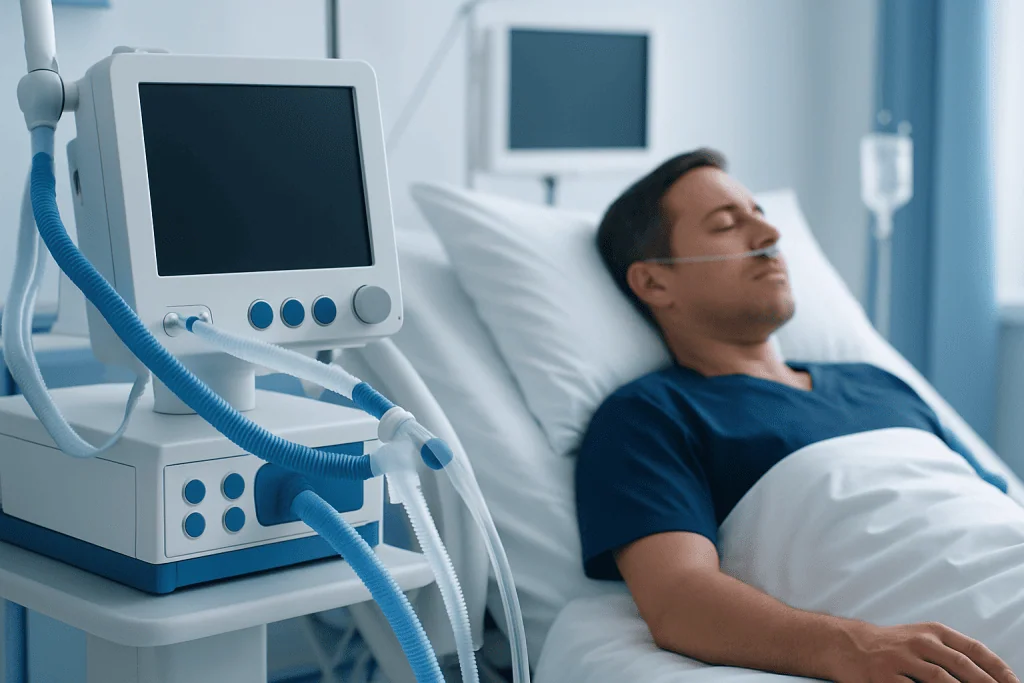
The speed and severity of a pulmonary embolism depend on several factors. These include the size of the clot, how many arteries in the lungs are blocked, whether the person already has heart or lung disease, and how well the body can maintain oxygen levels and circulation. A large clot in a main pulmonary artery may cause sudden collapse, while smaller clots may produce symptoms that build over hours or days.
Another reason the timeline differs is that some pulmonary embolisms are immediately unstable and others are not. In a high-risk or “massive” pulmonary embolism, blood pressure can fall, the right side of the heart can fail, and the person may become confused, faint, or critically short of breath. In lower-risk cases, the person may remain alert and stable but still need urgent treatment to prevent the clot from growing or new clots from forming.
This is why medical teams focus less on predicting an exact number of hours and more on identifying danger signs quickly. Prompt treatment can be lifesaving, and many people recover well when a pulmonary embolism is diagnosed early.
Symptoms that should not be ignored
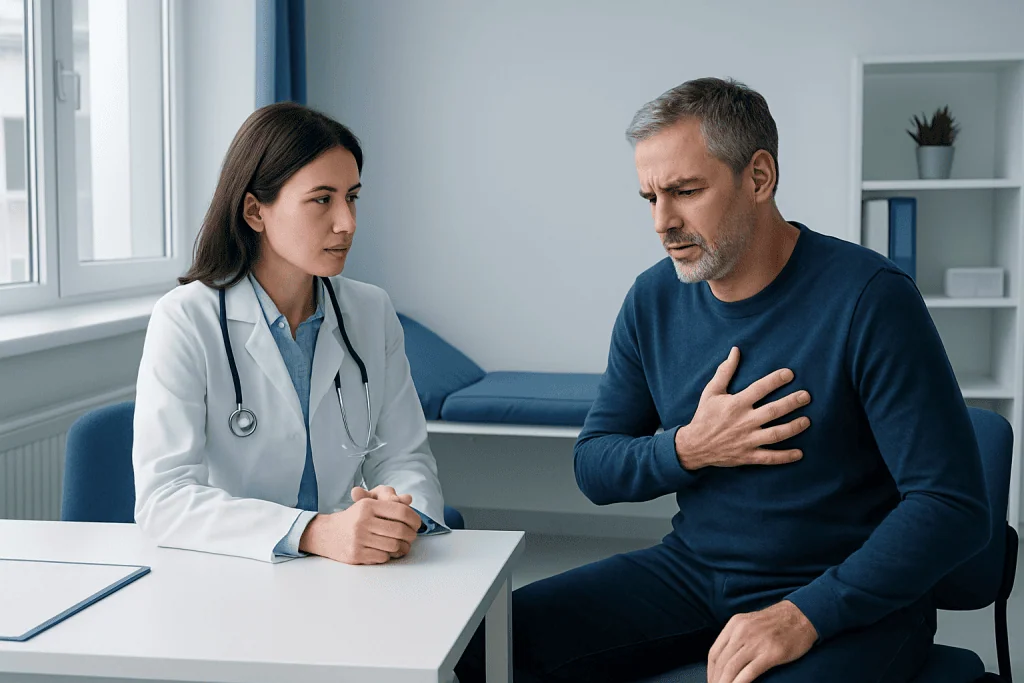
The most common symptoms of pulmonary embolism are sudden shortness of breath, chest pain that may feel worse when breathing in, and a fast heart rate. Some people also develop cough, lightheadedness, sweating, anxiety, or low oxygen levels. In more serious cases, there may be fainting, blue lips, marked weakness, or coughing up blood.
Not everyone has all of these symptoms, and some symptoms overlap with pneumonia, asthma, a panic attack, heart problems, or a muscle strain. That is why the pattern matters. Symptoms that start abruptly, are unexplained, or occur after a period of immobility or recent illness deserve urgent attention.
Symptoms in the leg can also provide a clue because the clot often begins there. Signs may include:
- Swelling in one leg
- Calf or thigh pain or tenderness
- Warmth in the skin
- Redness or discoloration
If leg symptoms appear together with chest pain or shortness of breath, doctors become more concerned about a clot that has traveled to the lung.
Causes and risk factors
Most pulmonary embolisms begin with a clot in a deep vein. Blood is more likely to clot when flow slows down, the vessel wall is injured, or the blood is more prone to clotting than usual. This can happen after surgery, during prolonged bed rest, on a long flight or car trip, or with certain medical conditions.
Important risk factors include recent hospitalization, major injury, cancer, pregnancy and the weeks after delivery, hormone-based medications, smoking, obesity, older age, inherited clotting disorders, and a personal or family history of clotting problems. Chronic illnesses such as heart failure and some inflammatory diseases may also raise the risk.
Sometimes a pulmonary embolism occurs without an obvious trigger. That does not mean the symptoms are less serious. It simply means the medical team may need a broader evaluation to look for hidden risk factors and to decide how long treatment should continue.
How doctors diagnose it
When pulmonary embolism is suspected, doctors first assess how stable the person is. They check blood pressure, heart rate, oxygen level, breathing effort, and signs of shock. This early assessment helps determine whether emergency treatment is needed before all test results are back.
Next, a clinician reviews symptoms and risk factors and may use a structured assessment tool to estimate the likelihood of pulmonary embolism. Blood tests such as a D-dimer can help rule out a clot in some low-risk patients, but a positive result does not prove the diagnosis by itself.
The imaging test used most often is CT pulmonary angiography, which can show clots in the arteries of the lungs. Some people may need a lung ventilation-perfusion scan instead, especially if CT contrast is not suitable. Ultrasound of the legs may identify a deep vein clot, and an echocardiogram can show whether the right side of the heart is under strain. Depending on the situation, doctors may also use CT imaging and a structured medical check-up to evaluate causes, severity, and the safest treatment plan.
Treatment options and what happens next
Treatment usually starts as soon as doctors judge that pulmonary embolism is likely, especially if the risk is high. The main treatment is anticoagulation, often called blood-thinning medicine, which helps stop existing clots from getting bigger and reduces the chance of new clots forming. This does not instantly dissolve the clot, but it gives the body time to break it down naturally.
If the pulmonary embolism is causing low blood pressure, severe oxygen problems, or collapse, more aggressive treatment may be needed. This can include clot-dissolving medication, catheter-based procedures, or in selected emergencies, surgery. In supportive care, doctors may give oxygen, fluids in carefully chosen amounts, pain relief, and monitoring in hospital.
Recovery and follow-up depend on clot size, underlying risk factors, and overall health. Some people are treated in hospital, while carefully selected lower-risk patients may continue treatment at home with close supervision. For advanced care, this may involve interventional radiology procedures or support from cardiology specialists if the heart is affected. Near the end of the care pathway, some international patients choose centers such as Acibadem International, where multidisciplinary specialists in JCI-accredited hospitals evaluate and treat pulmonary embolism and related clotting conditions.
When to seek medical care
Emergency care is needed right away for sudden shortness of breath, chest pain that feels sharp or worse with breathing, fainting, coughing up blood, severe palpitations, blue lips, or new confusion. These symptoms do not always mean pulmonary embolism, but they can signal a potentially dangerous problem involving the lungs or heart and should not be watched at home.
Urgent medical review is also sensible for one-sided leg swelling or pain, especially after surgery, long travel, illness, or a period of reduced movement. If symptoms are mild but new and unexplained, a clinician can judge whether testing is needed. It is safer to be checked than to miss an early clot.
People who have had pulmonary embolism or a previous deep vein clot should follow their doctor’s advice closely, including taking anticoagulants exactly as prescribed and attending follow-up visits. New chest symptoms during treatment still need medical review because doctors may need to confirm whether symptoms are from the clot, another condition, or a treatment-related issue.
Prevention and self-care
Prevention focuses on reducing the chance of deep vein clots. During travel or periods of sitting, it helps to move the legs regularly, stand up when possible, stay reasonably hydrated, and avoid remaining still for many hours. After surgery or illness, following advice on walking, compression devices, and preventive medication is important.
People with known risk factors should discuss them with a clinician before major surgery, pregnancy, or long-distance travel. Preventive measures may include compression stockings in some cases or anticoagulant medicine when the risk is high. Smoking cessation, gradual return to activity, and management of chronic medical conditions can also support vascular health.
Self-care after a pulmonary embolism includes taking medicines exactly as directed, asking before starting new supplements or over-the-counter drugs, and learning the warning signs of recurrence or bleeding. Emotional recovery matters too. It is common to feel anxious after a sudden clotting event, and discussing symptoms and recovery milestones with a doctor can be reassuring and helpful.
Frequently asked questions
Can a pulmonary embolism kill you instantly?
A very large pulmonary embolism can cause collapse or death very quickly, sometimes within minutes, because it may sharply reduce blood flow through the lungs and strain the heart. However, not all pulmonary embolisms behave this way, and many people survive with prompt emergency treatment.
Is pulmonary embolism always fatal if untreated?
No, it is not always immediately fatal, but it can become dangerous without treatment. Even smaller clots can grow, recur, or place ongoing stress on the lungs and heart, which is why urgent medical evaluation is important.
What does pulmonary embolism chest pain feel like?
Many people describe it as a sharp or stabbing pain that may feel worse when taking a deep breath, coughing, or moving. Some people feel pressure, tightness, or only shortness of breath rather than obvious pain.
Can you have a pulmonary embolism and still walk and talk normally?
Yes. Some people with smaller or less unstable pulmonary embolisms remain awake, able to speak, and even continue normal activity for a time. That does not make it safe to ignore, because symptoms can worsen and treatment may still be needed urgently.
How is pulmonary embolism different from a heart attack?
A pulmonary embolism is usually caused by a blood clot blocking an artery in the lungs, while a heart attack happens when blood flow to part of the heart muscle is blocked. The symptoms can overlap, especially chest pain and shortness of breath, so emergency evaluation is often needed to tell them apart.
Can pulmonary embolism symptoms come and go?
They can. Some people notice intermittent shortness of breath, chest discomfort, or a racing heart, especially with activity, while others develop sudden severe symptoms. Symptoms that are unexplained, recurrent, or paired with leg swelling should be assessed by a doctor.
References
- Centers for Disease Control and Prevention
- National Heart, Lung, and Blood Institute
- American Heart Association
- European Society of Cardiology
- National Institute for Health and Care Excellence
This article is for general information only and is not a substitute for professional medical advice. Please consult a qualified doctor about your individual situation.
Pulmonary Embolism in Turkey — costs, top hospitals & a free quote
JCI-accredited · board-certified surgeons · reply within 24h
Add us as a Preferred Source to see more of our trusted health content across Google Search, AI Overviews and Discover.
Check your numbers in seconds
BMI, calories, due date, blood pressure and 30+ more clinical calculators — free, instant, doctor-reviewed ranges.