How Long Can Pink Eye Survive on Surfaces? Here Is What the Evidence Says

Pink eye can survive on surfaces for hours to days depending on whether it is caused by a virus, bacteria, or a noninfectious trigger. Viral conjunctivitis is the main concern for surface spread; allergic conjunctivitis is not contagious.
Key Takeaways
- Pink eye can survive on surfaces for hours to days depending on whether it is caused by a virus, bacteria, or a noninfectious trigger.
- Viral conjunctivitis is the main concern for surface spread; allergic conjunctivitis is not contagious.
- Hands, towels, pillowcases, makeup, and contact lens items are common ways germs move from surface to eye.
- Cleaning high-touch items and avoiding shared personal products can reduce transmission.
- Eye pain, light sensitivity, vision changes, or symptoms in contact lens wearers should be medically assessed.
Pink eye is often mild and short-lived, but many people worry about whether it can linger on everyday objects. The answer depends on the cause: viral and some bacterial forms may remain on hands and shared surfaces long enough to spread, while allergic pink eye does not spread at all.
Overview: how long pink eye may remain on surfaces
In many cases, pink eye, also called conjunctivitis, is harmless and improves with time or simple treatment. When people ask how long can pink eye survive on surfaces, the evidence-based answer is that it varies by cause: infectious forms, especially viral conjunctivitis, can remain on hands and objects long enough to spread for hours and sometimes days, while allergic or irritant-related pink eye does not live on surfaces in a contagious way because it is not caused by an infection.
This question matters because conjunctivitis often spreads indirectly. A person may touch eye discharge, then touch a doorknob, phone, towel, sink handle, makeup item, or bedding. Another person can then pick up the germs on their hands and transfer them to their own eyes. Even when pink eye is mild, this chain of contact is why good hygiene is important at home, at school, and in workplaces.
There is no single survival time that applies to every germ. Different viruses and bacteria behave differently outside the body, and survival also depends on the type of surface, moisture, temperature, and cleaning practices. In practical terms, shared fabrics and high-touch surfaces should be treated as potentially contaminated during the contagious period, especially if visible eye discharge is present.
Why survival time differs by the cause of pink eye
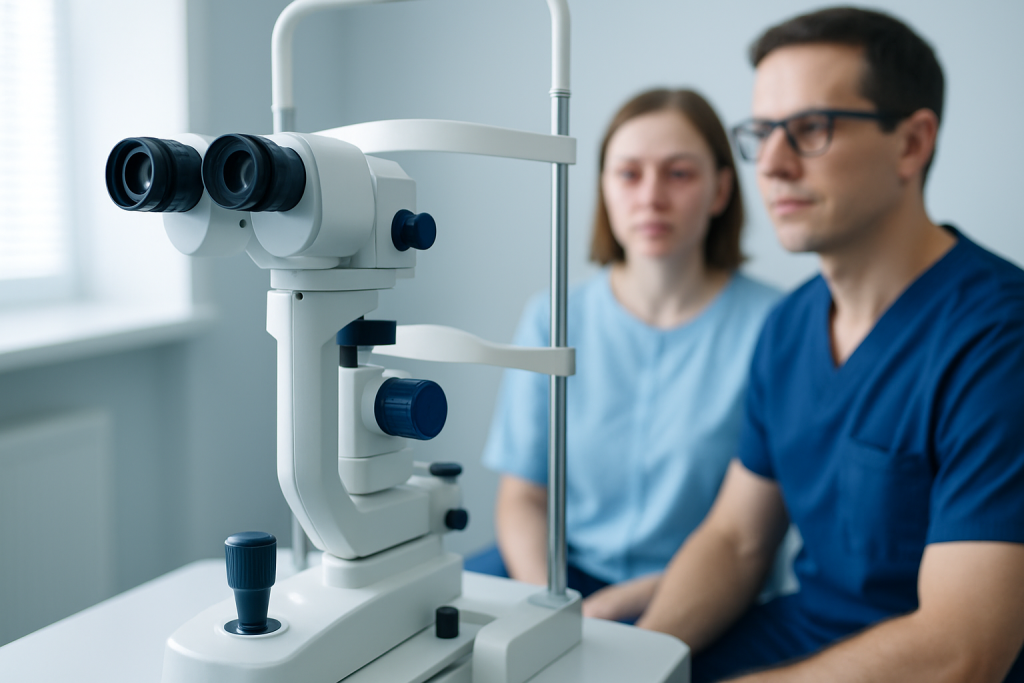
Pink eye is a symptom pattern rather than one single disease. It can be caused by viruses, bacteria, allergies, irritation from smoke or chemicals, dry eye, or contact lens problems. This is why two people with similar redness may have very different risks of spreading it to others. Conjunctivitis caused by allergies is not contagious, so surface survival is not really the issue in those cases.
Viral conjunctivitis is the most common infectious type. Viruses that affect the eye, especially adenoviruses, are known to survive outside the body better than many people expect. They can persist on nonporous surfaces such as plastic, metal, or glass longer than on some absorbent materials, although exact survival times differ between viral strains and real-world conditions.
Bacterial conjunctivitis can also spread through contaminated hands or objects, but bacteria usually survive differently from viruses and may be more affected by drying and cleaning. Noninfectious forms, such as allergic or irritant conjunctivitis, may still cause redness, tearing, or itching, but they do not pass from one person to another by touching surfaces.
- Most concerning for surface spread: viral conjunctivitis
- Can spread, but survival varies: bacterial conjunctivitis
- Not contagious: allergic, irritant, and many dry-eye related cases
Which surfaces and objects are most likely to spread it

Not all surfaces pose the same risk. The most important factor is whether contaminated secretions from the eye reach an item that another person then touches before washing their hands. This makes personal items and high-touch objects more relevant than large, untouched surfaces.
Items most often involved include towels, washcloths, pillowcases, tissues, eye drops that touch the eye, cosmetics, makeup brushes, contact lens cases, eyeglasses, phones, keyboards, faucets, and door handles. Fabrics can matter because they come into close contact with the face, while hard surfaces matter because many people touch them repeatedly throughout the day.
Shared eye makeup and contact lens supplies deserve special attention. These products can transfer microbes directly to the eyelid and eye surface. If symptoms begin after lens wear, clinicians may also consider conditions beyond routine pink eye, including keratitis, which can be more serious and needs prompt assessment.
How pink eye usually spreads and how long a person may be contagious
Pink eye usually spreads when infected eye discharge gets onto hands, then onto objects, then back to the eye. It can also spread by direct person-to-person contact or, for some viral causes, through respiratory droplets that lead to hand and surface contamination. Children often spread it more easily because they may rub their eyes and touch shared items frequently.
The contagious period depends on the cause. Viral conjunctivitis is often contagious while symptoms are active, especially when tearing and discharge are present. Bacterial conjunctivitis may become less contagious after appropriate antibiotic treatment has started, but medical advice may vary depending on the suspected organism and the person’s setting, such as school or healthcare work.
Because it is difficult to know the exact cause without an exam, it is sensible to act as though pink eye could spread if there is redness plus discharge, crusting, or recent exposure to someone with infectious conjunctivitis. That means avoiding shared linens and close contact with the eyes until symptoms improve and a clinician has clarified the likely cause if needed.
Symptoms, red flags, and when to seek medical care
Many cases of pink eye cause mild redness, watering, grittiness, itching, or crusting of the eyelids, and these symptoms often settle without long-term problems. That said, a red eye is not always simple conjunctivitis. Some symptoms suggest a different or more serious eye condition and should not be ignored.
Medical care is important if there is moderate to severe eye pain, sensitivity to light, blurred or reduced vision, marked swelling, thick pus that is worsening, symptoms in only one eye that are severe, a recent eye injury, chemical exposure, or symptoms in a person who wears contact lenses. Infants, people with weakened immune systems, and those who have recently had eye surgery also need prompt medical advice.
A doctor will usually ask about the start of symptoms, discharge, contact with infected people, allergy history, recent cold symptoms, contact lens use, and whether one or both eyes are affected. The examination may include checking vision, looking closely at the conjunctiva and cornea, assessing eyelids and discharge, and deciding whether more specialized eye examination or urgent ophthalmology review is needed. At Acibadem International, multidisciplinary specialists in JCI-accredited hospitals diagnose and treat eye conditions for international patients.
Diagnosis and treatment options
Most conjunctivitis is diagnosed clinically, meaning the doctor uses the history and eye examination rather than relying on a single lab test. Swabs or cultures are usually reserved for severe, recurrent, unusual, or treatment-resistant cases, or when specific infections are suspected. The main goal is to distinguish uncomplicated conjunctivitis from other causes of a red eye, such as corneal infection, inflammation inside the eye, or glaucoma.
Treatment depends on the cause. Viral conjunctivitis often improves with supportive care such as cool compresses, lubricating drops, and careful hygiene. Bacterial conjunctivitis may be treated with antibiotic eye medication when appropriate, while allergic conjunctivitis may respond to allergen avoidance, lubricating drops, and anti-allergy treatment. If symptoms suggest a corneal problem, especially in contact lens users, a more targeted approach may be needed, and corneal treatment is considered only for select severe corneal diseases rather than routine pink eye.
People should avoid self-treating with leftover eye drops, especially steroid drops, unless prescribed by an eye specialist. Steroids can worsen some infections or delay healing. If there is significant eyelid disease, blocked tear drainage, or repeated infections, doctors may assess nearby structures and, in selected cases, discuss related procedures such as oculoplastic surgery when the underlying problem is not the conjunctivitis itself but an eyelid or tear system disorder.
Prevention, cleaning, and self-care at home
The most effective way to reduce spread is to interrupt hand-to-eye transfer. Hands should be washed often with soap and water, especially after touching the face, wiping discharge, putting in eye drops, or handling contact lenses. Alcohol-based hand sanitizer can help when soap and water are not available, though washing is especially useful when there is visible discharge.
At home, it is sensible to clean frequently touched surfaces and avoid sharing personal items until symptoms have cleared. Launder pillowcases, washcloths, and towels regularly, and replace or stop using eye makeup that was used during the infection. Contact lens wearers should stop using lenses until a clinician says it is safe to restart, and lens cases or solutions linked to the episode should be discarded.
- Do not share towels, makeup, eye drops, or contact lens supplies.
- Clean phones, glasses, counters, and bathroom fixtures routinely.
- Use a fresh tissue or clean cloth to wipe discharge, then throw it away or wash it.
- Wash bedding and face cloths in the usual laundry cycle and dry them fully.
- Avoid rubbing the eyes, which can worsen irritation and spread germs.
For comfort, cool compresses and preservative-free lubricating drops may soothe irritation in many mild cases. If symptoms continue, worsen, or do not fit a typical mild picture, professional assessment is the safest next step.
Frequently asked questions
How long can pink eye survive on surfaces exactly?
There is no single exact timeframe for every case. Infectious pink eye, especially viral conjunctivitis, may survive on some surfaces for hours and sometimes days, depending on the germ, the surface, and how well the area is cleaned. Allergic pink eye does not spread from surfaces.
Can pink eye spread from pillowcases, towels, or sheets?
Yes, infectious pink eye can spread through shared fabrics if eye discharge gets onto them and another person then touches their eyes. Towels, washcloths, and pillowcases are common items to wash and avoid sharing during the contagious period. Regular laundering and handwashing help reduce the risk.
Is viral pink eye more likely to spread from surfaces than allergic pink eye?
Yes. Viral pink eye is contagious and can spread through contaminated hands and objects. Allergic pink eye is caused by the body's response to allergens, so it is not passed from person to person.
How can someone clean the home after pink eye?
The priority is cleaning high-touch surfaces and washing personal fabrics rather than trying to disinfect every area. Phones, door handles, sink handles, counters, glasses, pillowcases, towels, and makeup items deserve the most attention. It also helps to stop sharing personal eye-related products until symptoms are gone.
When is pink eye no longer contagious?
That depends on the cause. Viral pink eye may remain contagious while tearing and discharge continue, whereas bacterial pink eye may become less contagious after appropriate treatment begins. Because the exact cause is not always obvious at home, a doctor can give the most reliable guidance.
Should contact lens wearers be more concerned about pink eye?
Yes, because a red eye in a contact lens wearer can sometimes signal a corneal infection rather than simple conjunctivitis. Lenses should usually be removed and not worn again until a clinician advises it is safe. Prompt review is important if there is pain, light sensitivity, or blurred vision.
References
- American Academy of Ophthalmology
- Centers for Disease Control and Prevention
- National Eye Institute
- American Optometric Association
This article is for general information only and is not a substitute for professional medical advice. Please consult a qualified doctor about your individual situation.
Explore treatments in Turkey — costs, top hospitals & a free quote
JCI-accredited · board-certified surgeons · reply within 24h
Add us as a Preferred Source to see more of our trusted health content across Google Search, AI Overviews and Discover.