How Long Do Dental Implants Last? Factors That Affect Long-Term Success

Many dental implants can function for decades when they are well placed and properly maintained. The implant post often lasts longer than the crown attached to it, which may need repair or replacement over time.
Key Takeaways
- Many dental implants can function for decades when they are well placed and properly maintained.
- The implant post often lasts longer than the crown attached to it, which may need repair or replacement over time.
- Good oral hygiene, healthy gums, and regular dental visits are among the most important factors for long-term success.
- Smoking, uncontrolled diabetes, teeth grinding, and untreated gum disease can shorten implant lifespan.
- Early signs of trouble include pain, mobility, bleeding around the implant, swelling, or difficulty chewing.
Dental implants are designed to be a long-term solution for missing teeth, and many remain stable for decades. Their lifespan depends not only on the implant itself, but also on gum health, bone support, bite forces, daily care, and regular dental follow-up.
Overview: Are Dental Implants Permanent?
Dental implants are artificial tooth roots, usually made from biocompatible titanium or ceramic materials, that are placed into the jawbone to support a crown, bridge, or full-arch restoration. They are intended to be a long-lasting replacement for missing teeth and are widely used because they can feel secure, preserve jawbone function, and restore appearance and chewing ability.
Although implants are often described as a permanent option, it is more accurate to say they are a long-term treatment. Many implants remain successful for decades, especially when the surrounding bone and gums stay healthy. However, the visible restoration attached to the implant, such as a crown, may wear down sooner than the implant itself and may need adjustment or replacement over time.
The long-term result depends on a combination of surgical planning, healing, oral hygiene, lifestyle habits, and routine professional care. Patients considering dental implants should understand that the treatment does not end once the implant is placed; ongoing maintenance is an essential part of keeping the implant stable and functional.
How Long Do Dental Implants Usually Last?
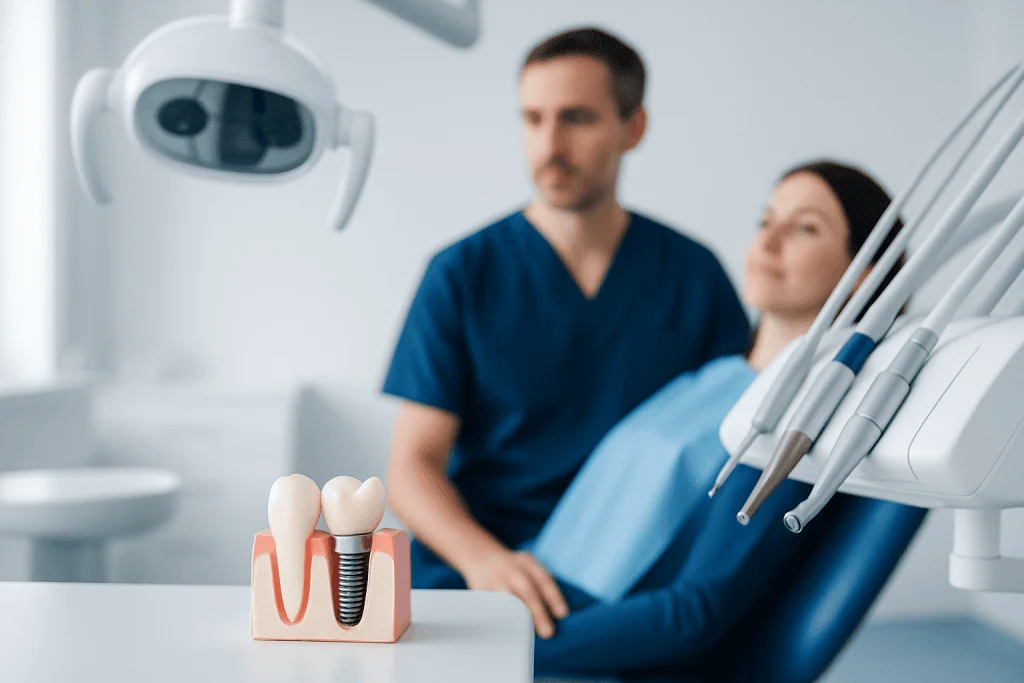
There is no single lifespan that applies to every patient, because dental implant longevity varies from person to person. In general, the implant post embedded in the bone can last for many years and often for decades if osseointegration, the process where bone bonds with the implant surface, remains strong and the surrounding tissues stay healthy.
The crown or bridge on top of the implant may not last as long as the implant fixture itself. These visible parts are exposed to daily chewing forces, temperature changes, and normal wear. As a result, they sometimes need repair or replacement after years of use, even when the implant underneath remains secure.
Long-term success is usually judged by several factors, not just by whether the implant is still in place. Dentists look at comfort, stability, bone levels around the implant, healthy gums, and the ability to chew normally. A dental implant that remains comfortable, functional, and free from inflammation is generally considered successful.
Factors That Affect Long-Term Success

Several medical, dental, and lifestyle factors influence how long implants last. One of the most important is the quality and quantity of jawbone available at the time of placement. Adequate bone helps anchor the implant firmly. In some cases, additional support with dental bone grafts may be recommended before or during implant treatment to improve stability and support healing.
Gum health is equally important. Implants do not get cavities, but the tissues around them can become inflamed or infected. If plaque builds up, the patient may develop peri-implant mucositis or peri-implantitis, conditions that can damage soft tissue and bone. People with a history of severe periodontal disease may still receive implants, but they often need particularly careful long-term monitoring.
Lifestyle habits can also strongly affect implant survival. Smoking reduces blood flow and can interfere with healing, while uncontrolled diabetes may make infection and delayed healing more likely. Teeth grinding or clenching can place excessive stress on implants and restorations; patients with bruxism may benefit from bite evaluation and a night guard when appropriate.
The experience of the dental team and the accuracy of treatment planning matter as well. Proper implant position, bite alignment, and restoration design help distribute forces evenly. For this reason, implant care is often coordinated within broader general dentistry follow-up to monitor both the implant and the rest of the mouth.
Signs That an Implant May Be Failing
Dental implant problems can occur early, during healing, or later, after years of use. Early failure is often related to poor integration with bone, infection, or excessive movement during healing. Late failure is more commonly linked to chronic inflammation, bone loss, overloading from the bite, or inadequate home care.
Possible warning signs include persistent pain, swelling, bleeding when brushing, pus, a bad taste, gum recession around the implant, or the feeling that the implant or attached crown has become loose. Difficulty chewing or changes in the way the teeth meet may also signal a problem that needs professional assessment.
Not every symptom means the implant has failed, and some issues involve the crown, screw, or surrounding gum rather than the implant post itself. Because small problems are usually easier to treat than advanced bone loss, prompt dental evaluation is important whenever symptoms appear. Early intervention may help preserve the implant and prevent more extensive treatment.
How Dentists Evaluate Implant Health
Regular dental follow-up is essential because implant health cannot be judged by appearance alone. During checkups, the dentist examines the gums around the implant, checks for plaque and inflammation, evaluates bite forces, and assesses whether the implant feels stable. Professional cleaning around implants is also important because it helps control plaque in areas that may be difficult to reach at home.
Dental imaging may be used to monitor bone levels around the implant and detect problems before symptoms become obvious. X-rays can show whether the bone supporting the implant remains stable or whether progressive loss has started. Clinical findings and imaging together help determine whether the implant is healthy, needs maintenance, or requires treatment for a developing complication.
If the restoration on top of the implant is chipped, worn, or poorly fitting, the dentist may recommend repair or replacement. In some cases, the implant itself is sound but the attached crown needs attention. This is one reason why implant longevity should be understood as the combined lifespan of the implant and the prosthetic components, which may age differently.
Treatment Options if Problems Develop
Treatment depends on the cause of the problem. If the issue is limited to plaque accumulation and early soft tissue inflammation, improved cleaning techniques and professional care may be enough. The dentist may recommend more frequent maintenance visits, changes in oral hygiene tools, or treatment of nearby gum disease to protect the implant environment.
When the crown, connector, or screw is damaged or worn, repair or replacement may restore function without removing the implant. For example, an implant-supported restoration may need adjustment or a new dental crown if biting forces, wear, or material breakdown affect comfort or appearance.
If there is significant bone loss, deep infection, or mobility of the implant itself, more complex treatment may be needed. This can include cleaning of the implant surface, treatment of surrounding tissues, temporary removal of the restoration, or in some cases removal of the implant. After healing, the dentist may reassess whether replacement is possible and whether the bone and gums need additional preparation first.
Prevention and Self-Care for a Longer Implant Lifespan
Good home care is one of the most practical ways to support implant longevity. Patients are usually advised to brush carefully twice a day, clean between teeth and implants with floss or interdental brushes as instructed, and attend regular professional cleanings. Because implants can develop inflammatory problems even without tooth decay, consistent plaque control is essential.
General health also matters. Avoiding tobacco, managing diabetes well, eating a balanced diet, and following post-treatment instructions all support healing and long-term tissue health. If a patient grinds their teeth, a custom night guard may reduce excess pressure on the implant and restoration.
Patients should also protect the implant from avoidable trauma and avoid using the teeth to bite very hard objects. Those receiving full-arch restorations such as All-on-4 treatment may need specific cleaning and maintenance instructions because the prosthetic design can create areas where plaque collects more easily. Care plans are most successful when they are tailored to the patient’s oral anatomy, gum condition, and bite pattern.
Near the end of the care journey, some patients choose follow-up in specialized centers. Acibadem International’s multidisciplinary specialists and JCI-accredited hospitals diagnose and treat dental implant conditions for international patients, with treatment plans based on individual needs and long-term oral health goals.
When to See a Dentist
A patient should contact a dentist if there is persistent discomfort, swelling, bleeding around the implant, looseness of the crown, or a feeling that the implant moves. These symptoms do not always mean the implant is lost, but they do require timely assessment. Waiting too long can allow soft tissue inflammation to progress into bone loss.
It is also wise to seek evaluation if chewing feels uneven, if the bite has changed, or if the implant area is difficult to clean because of a restoration design issue. Even in the absence of symptoms, regular checkups are important because implant disease can develop silently in its early stages.
People considering implants should have a full dental and medical assessment beforehand, including evaluation of gum health, bone support, smoking status, and relevant medical conditions. A well-planned start, combined with long-term maintenance, offers the best chance that an implant will remain stable and useful for many years.
Frequently asked questions
Can dental implants last a lifetime?
Some dental implants do last for decades and may remain in place for much of a person’s life. However, no treatment can be guaranteed to last forever, and success depends on oral hygiene, gum health, bone support, overall health, and regular dental care.
What part of a dental implant wears out first?
The restoration attached to the implant, such as the crown or bridge, often wears out before the implant post in the bone. It may need repair or replacement over time due to normal chewing forces, material wear, or bite changes.
Do dental implants fail often?
Dental implants are generally considered a reliable treatment when patients are properly selected and the implants are carefully maintained. Problems are more likely when there is poor oral hygiene, smoking, uncontrolled diabetes, untreated gum disease, or excessive bite stress.
How can a person help dental implants last longer?
Daily brushing, cleaning between teeth and implants, and attending routine dental visits are key steps. Avoiding smoking, managing medical conditions such as diabetes, and addressing teeth grinding can also improve long-term success.
Can gum disease affect dental implants?
Yes. Even though implants cannot develop cavities, the gums and bone around them can become inflamed or infected. This can lead to tissue damage and bone loss if not treated early.
Is it normal for a dental implant crown to feel loose?
A loose feeling is not considered normal and should be checked by a dentist. In some cases the crown or screw is loose rather than the implant itself, and this may be repairable if treated promptly.
References
- American Dental Association
- National Institute of Dental and Craniofacial Research
- European Federation of Periodontology
- Centers for Disease Control and Prevention
- World Health Organization
This article is for general information only and is not a substitute for professional medical advice. Please consult a qualified doctor about your individual situation.
Dental Implants in Turkey — costs, top hospitals & a free quote
JCI-accredited · board-certified surgeons · reply within 24h
Add us as a Preferred Source to see more of our trusted health content across Google Search, AI Overviews and Discover.

Dental & Oral Health
Full-scope dental care from implants and aesthetics to oral and maxillofacial surgery.
151 specialists in this unitRelated Treatments
More from the Health Library



Related Specialists

Assoc. Prof. Dr. Ferit Bayram
Oral & Dental Health
Assoc. Prof. Dr. Yeliz Çavuşoğlu Yüce
Oral & Dental Health
Assoc. Prof. Dr. Mutlu Keskin
Oral & Dental Health
Prof. Dr. Ülkü Noyan
Oral & Dental Health