How to Choose a Neuroradiology Center: Expertise, Technology, and Safety Checks
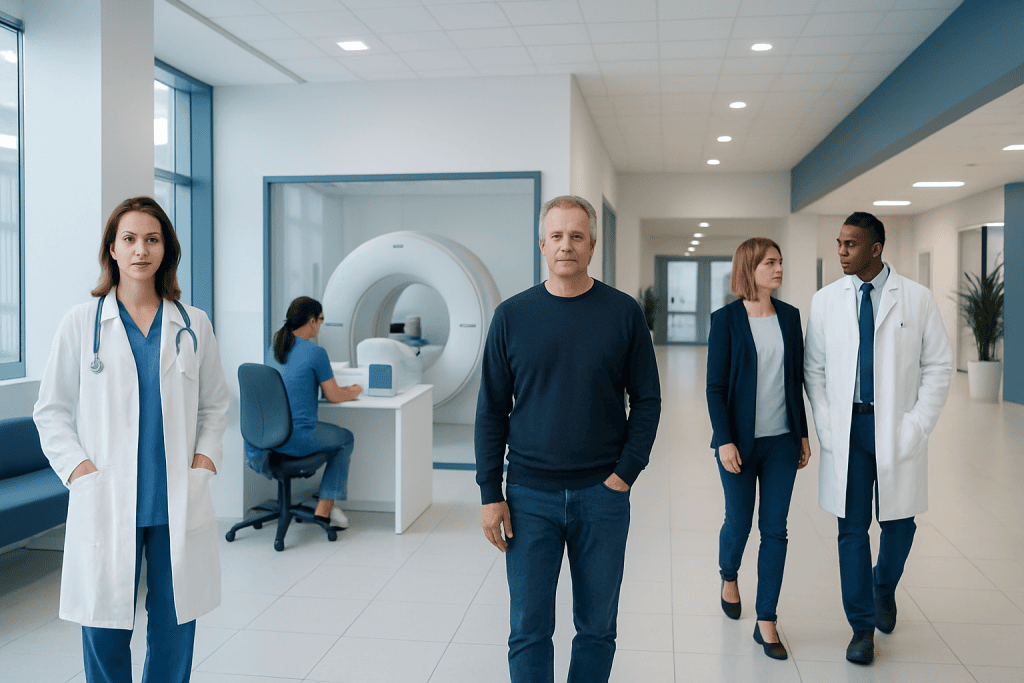
A good neuroradiology center combines experienced specialists with high-quality imaging equipment. Safety checks matter, especially for MRI screening, contrast use, radiation control, and emergency readiness.
Key Takeaways
- A good neuroradiology center combines experienced specialists with high-quality imaging equipment.
- Safety checks matter, especially for MRI screening, contrast use, radiation control, and emergency readiness.
- Fast scheduling is helpful, but image quality, expert interpretation, and teamwork with other specialists are just as important.
- Patients should ask who reads the scan, how results are explained, and whether second opinions are available.
- Centers that coordinate with neurology, neurosurgery, stroke, and cancer teams can be especially valuable for complex cases.
Choosing a neuroradiology center involves more than finding a scanner nearby. Patients should look for specialist expertise, modern imaging technology, strong safety practices, and clear communication that supports accurate diagnosis and confident care.
Overview: What a Neuroradiology Center Does
A neuroradiology center focuses on imaging of the brain, spine, head, neck, and nervous system. These centers use techniques such as MRI, CT, angiography, and sometimes image-guided procedures to help diagnose and monitor a wide range of conditions. A high-quality neuroradiology center supports care for symptoms like severe headaches, seizures, dizziness, weakness, numbness, back pain, memory concerns, vision changes, and suspected stroke.
Not every imaging facility offers the same depth of expertise in neurological imaging. General radiology centers may provide standard scans, but a dedicated neuroradiology center is more likely to have specialists trained to recognize subtle findings in the nervous system. This can be especially important for complex or time-sensitive problems such as tumors, aneurysms, inflammatory disease, trauma, and spinal disorders.
For patients and families, choosing a center can feel overwhelming. The best choice is usually one that balances medical expertise, technology, safety, convenience, and communication. Looking at these factors one by one can make the decision much easier and more reassuring.
Why Specialist Expertise Matters
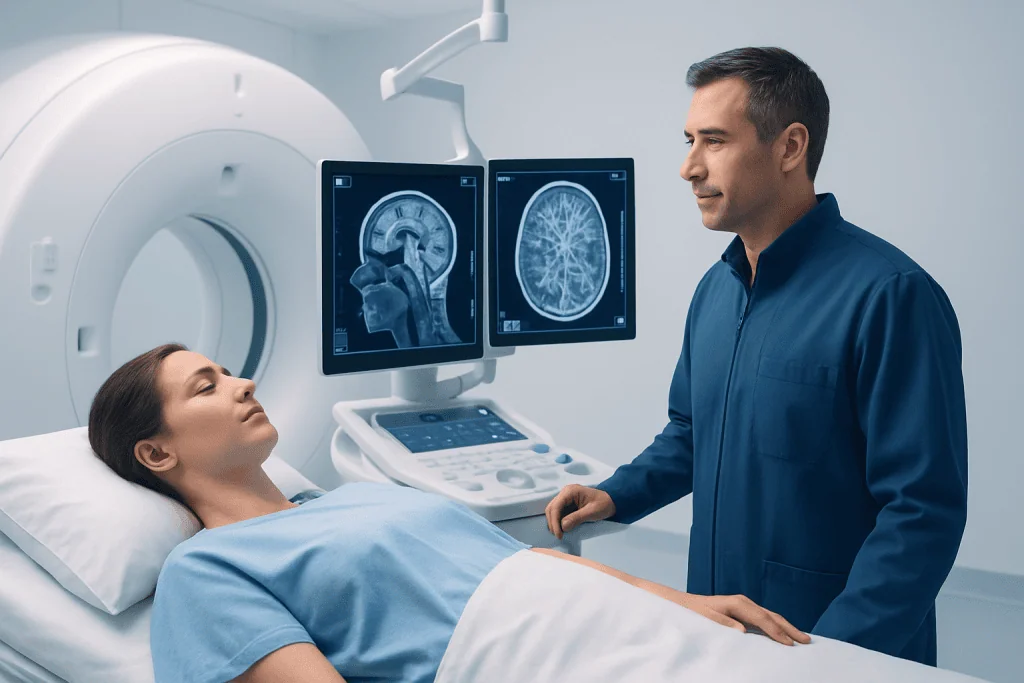
The person interpreting the images is just as important as the machine taking them. In a strong neuroradiology center, scans are reviewed by radiologists with advanced training in diseases of the brain, spine, and nervous system. This specialization helps improve the recognition of subtle abnormalities and supports more precise reports for the treating doctor.
It is helpful for patients to ask whether a scan will be read by a fellowship-trained neuroradiologist or a general radiologist. This question is especially relevant if the concern involves complex conditions such as multiple sclerosis, epilepsy, tumors, vascular abnormalities, or spine disease. Subspecialty review may be valuable when a previous scan was unclear or when symptoms and earlier results do not seem to match.
Expertise also includes teamwork. The best centers often work closely with neurologists, neurosurgeons, stroke specialists, oncologists, and spine teams. This multidisciplinary approach can make a difference when imaging findings need to be quickly connected to treatment decisions, such as planning neurosurgical care or evaluating a possible stroke.
- Ask who interprets the scan and what their subspecialty training is.
- Check whether the center routinely handles neurological and spinal cases.
- Find out if doctors can review prior scans for comparison.
- Ask whether second-opinion reads are available for complex cases.
Technology and Imaging Quality to Look For
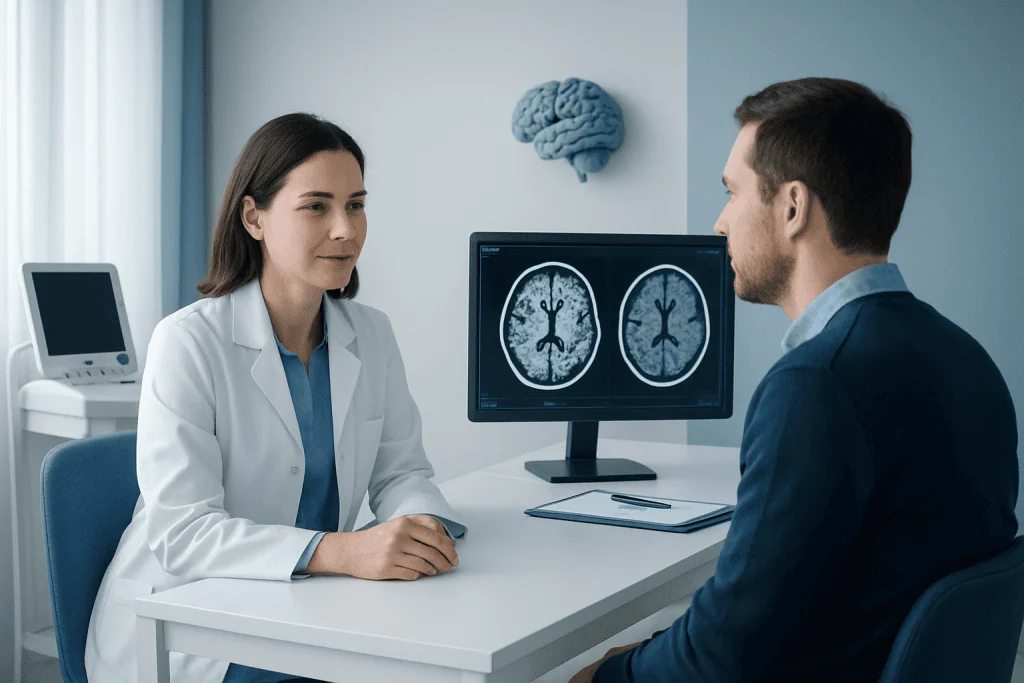
Modern equipment can improve image detail, speed, and patient comfort. In neuroradiology, the most commonly used tests include MRI for soft tissues and nerves, CT for emergencies and bone detail, and vascular imaging such as CT angiography, MR angiography, or catheter angiography. The right center should have technology that matches the patient’s needs rather than using a one-size-fits-all approach.
For example, MRI quality can vary depending on scanner strength, software, and the protocols used for specific questions. A center experienced in neurological imaging may offer dedicated brain, spine, pituitary, inner ear, epilepsy, or vascular protocols. This can be helpful when doctors are evaluating conditions such as tumors, demyelinating disease, or a suspected brain tumor.
Technology also matters for comfort and access. Some centers offer shorter scan times, motion-correction tools, quieter MRI systems, or support for patients who feel claustrophobic. If contrast dye may be needed, it is reasonable to ask why it is recommended and whether non-contrast options are suitable. Good technology is most valuable when it is used thoughtfully by experienced teams.
Safety Checks Every Patient Should Consider
Safety is one of the most important parts of choosing a neuroradiology center. MRI, CT, and contrast-enhanced studies are generally safe when proper screening and protocols are followed. Patients should expect the center to review medical history, medications, allergies, pregnancy status when relevant, kidney function if contrast may be used, and any implanted devices such as pacemakers, clips, or stimulators.
MRI safety screening should be careful and consistent. Because MRI uses a strong magnetic field, even small metal objects or certain implants can create risks. A reliable center will ask detailed questions before the scan and confirm whether any implanted device is MRI-compatible. Patients should not hesitate to mention previous surgery, metal exposure at work, or uncertainty about an implant.
For CT-based imaging, radiation safety matters. A good center uses the lowest reasonable radiation dose needed to answer the clinical question, especially for children and patients who may need repeated scans. If contrast dye is used in CT or MRI, the team should explain possible side effects, ask about prior reactions, and be prepared to respond if a reaction occurs. Centers offering MRI or CT scanning should have clear emergency procedures and trained staff available.
- Expect screening for implants, allergies, pregnancy, and kidney health.
- Ask how the center manages contrast reactions and urgent findings.
- For CT, ask whether dose-reduction protocols are used.
- For MRI, confirm that safety checks are done before entering the scan room.
Questions About Diagnosis, Reporting, and Communication
Even excellent images are less useful if the report is delayed, unclear, or difficult to access. A patient-friendly neuroradiology center should explain what the test is for, what to expect during the scan, and when the results will be available. Many patients also appreciate online access to reports and images, especially if they are seeing more than one specialist.
Clear communication between the neuroradiologist and the referring doctor is essential. In urgent situations, such as suspected bleeding, stroke, or spinal cord compression, important findings should be communicated quickly and directly. Patients can ask how urgent results are handled and whether the center has pathways for emergency neurological care.
It is also useful to know whether prior studies from another hospital can be uploaded and compared. Comparing current and older scans can help avoid unnecessary repeat imaging and may improve accuracy. If the diagnosis remains uncertain, some centers can support second-opinion review or consultation with related services such as neurology and spine specialists.
Practical Factors: Access, Comfort, and Coordination
Convenience should not be the only factor, but it still matters. Patients may want to consider appointment availability, location, parking, interpreter services, assistance for mobility needs, and whether sedation support is available for those who cannot comfortably complete an MRI. For families managing chronic neurological conditions, easier access can reduce stress and improve continuity of care.
Insurance coverage, estimated out-of-pocket costs, and preauthorization support are also worth checking in advance. Administrative efficiency can make a big difference, especially if imaging is needed quickly or across several appointments. A well-organized center will help patients prepare documents, transfer records, and understand next steps.
Coordination becomes especially important when imaging is linked to treatment planning. For example, a center connected to stroke, oncology, neurosurgery, or interventional teams may speed up care when findings need rapid follow-up. In complex cases, integrated services can help patients move more smoothly from diagnosis to treatment, including options such as advanced radiology services where appropriate.
Red Flags and Signs of a High-Quality Center
There are a few warning signs patients should take seriously. These include limited answers to safety questions, unclear information about who reads the scan, poor communication about results, or pressure to undergo tests without a clear reason. A center should be able to explain the purpose of the study, whether contrast is needed, and what happens if the scan reveals something urgent.
On the other hand, strong centers usually show consistent standards. They use structured screening, provide clear preparation instructions, maintain clean and organized facilities, and encourage questions. Staff should explain what to do before, during, and after the scan in a calm and respectful way.
Patients may also look for signs of quality oversight, such as accreditation, experienced technologists, and collaboration with hospital-based specialist teams. Near the end of the care journey, some people also value international coordination. Acibadem International’s multidisciplinary specialists and JCI-accredited hospitals diagnose and treat neurological conditions for international patients, with neuroradiology integrated into broader clinical care when needed.
- Good sign: clear safety screening and explanation of the test.
- Good sign: neuroradiology expertise and easy access to reports.
- Red flag: vague answers about implants, contrast, or emergency protocols.
- Red flag: no clear plan for communicating urgent results.
How Patients Can Make the Final Decision
Choosing a neuroradiology center often comes down to matching the center’s strengths to the patient’s medical needs. Someone with a routine headache evaluation may prioritize access and communication, while someone with suspected aneurysm, tumor, seizures, or spine compression may benefit most from highly specialized expertise and close hospital coordination. Asking a few focused questions can make the choice more confident.
Useful questions include: Who will interpret the scan? Is the center experienced with this specific neurological problem? What technology and protocols are used? How are safety checks handled? When will results be sent to the doctor? Is there a pathway for urgent findings? These questions are practical, appropriate, and often very revealing.
If more than one center is available, comparing them side by side can help. Patients do not need to become technical experts; they simply need enough information to choose a safe, capable, and responsive team. When in doubt, the referring physician, neurologist, or neurosurgeon can often help guide the decision based on the clinical situation.
Frequently asked questions
What is a neuroradiology center?
A neuroradiology center is an imaging service focused on the brain, spine, head, neck, and nervous system. It usually performs and interprets scans such as MRI, CT, and vascular imaging for neurological conditions.
Why does subspecialty training in neuroradiology matter?
Neuroradiologists receive advanced training in imaging of the nervous system, which can help with complex or subtle findings. This can be especially important for conditions involving the brain, spinal cord, blood vessels, or cranial nerves.
Is newer imaging equipment always better?
Not always, but modern equipment can improve image quality, speed, and comfort. What matters most is whether the center uses the right protocol for the clinical question and has experienced specialists interpreting the images.
What safety questions should patients ask before an MRI or CT?
Patients can ask about screening for implants, allergies, kidney function, pregnancy, and previous reactions to contrast dye. They may also ask how the center handles emergencies, urgent findings, and radiation dose reduction for CT.
How quickly should results be available?
Timing depends on the type of scan and the urgency of the situation. Routine studies may take longer, while urgent findings such as bleeding or suspected stroke should be communicated quickly to the treating team.
Can patients request a second opinion on neuroradiology images?
Yes, in many situations a second-opinion review is possible and reasonable. It may be helpful if the diagnosis is unclear, symptoms do not match the report, or a major treatment decision depends on the imaging.
References
- Radiological Society of North America
- American College of Radiology
- World Health Organization
- National Institute of Neurological Disorders and Stroke
- U.S. Food and Drug Administration
This article is for general information only and is not a substitute for professional medical advice. Please consult a qualified doctor about your individual situation.
Neuroradiology in Turkey — costs, top hospitals & a free quote
JCI-accredited · board-certified surgeons · reply within 24h
Add us as a Preferred Source to see more of our trusted health content across Google Search, AI Overviews and Discover.

More from the Health Library


Related Specialists

Dr. Süveyda Yeşilaras
Emergency Service
Prof. Dr. Ersin Erek
Cardiovascular Surgery
Prof. Dr. Sabahattin Umman (m)
Cardiology
Dr. Nesibe Sönmez Demiryoğuran
Emergency Service