How to Choose Between Surgical and Non-Surgical Stomach Reduction
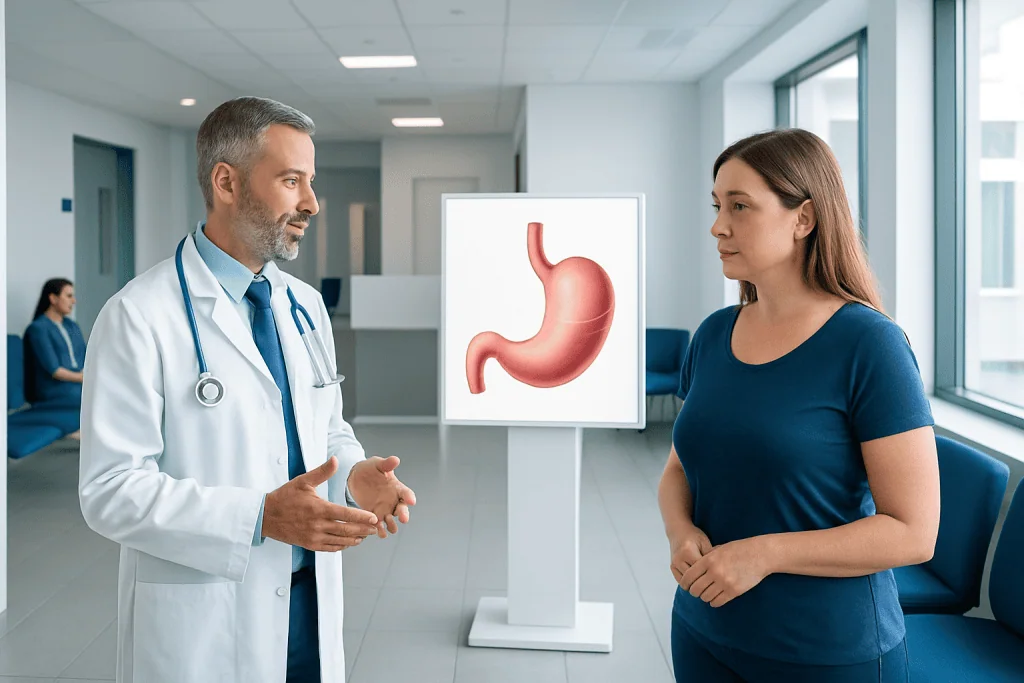
Surgical and non-surgical stomach reduction work in different ways and suit different patients. Body mass index, obesity-related conditions, and previous weight-loss efforts all help guide the choice.
Key Takeaways
- Surgical and non-surgical stomach reduction work in different ways and suit different patients.
- Body mass index, obesity-related conditions, and previous weight-loss efforts all help guide the choice.
- Surgery usually leads to greater and more durable weight loss, but it involves more recovery and lifelong follow-up.
- Non-surgical options may be less invasive, but results are often more modest and may require repeat or additional treatment.
- A specialist assessment is important to match the safest and most effective option to the individual.
Stomach reduction options can help with weight loss when lifestyle changes alone have not been enough. Choosing between surgical and non-surgical approaches depends on a person’s body weight, medical needs, goals, and readiness for long-term lifestyle change.
Overview: What stomach reduction means
Stomach reduction is a general term for treatments that help a person eat less by reducing stomach capacity or changing how the digestive system handles food. These treatments are used as part of obesity care, especially when structured diet, exercise, and behavioral strategies have not led to enough weight loss or when weight-related health problems are present.
There are two broad pathways: surgical and non-surgical. Surgical options physically alter the stomach, and sometimes the intestines, to support substantial and longer-term weight loss. Non-surgical options aim to reduce stomach space or improve appetite control without an operation. Both approaches work best when combined with nutrition support, physical activity, and long-term medical follow-up.
Choosing between the two is not simply a matter of preference. Doctors usually consider body mass index, existing conditions such as type 2 diabetes or sleep apnea, eating patterns, previous abdominal surgery, medication use, and a person’s ability to commit to follow-up care. The goal is to select the option with the best balance of effectiveness, safety, and sustainability.
Surgical stomach reduction options
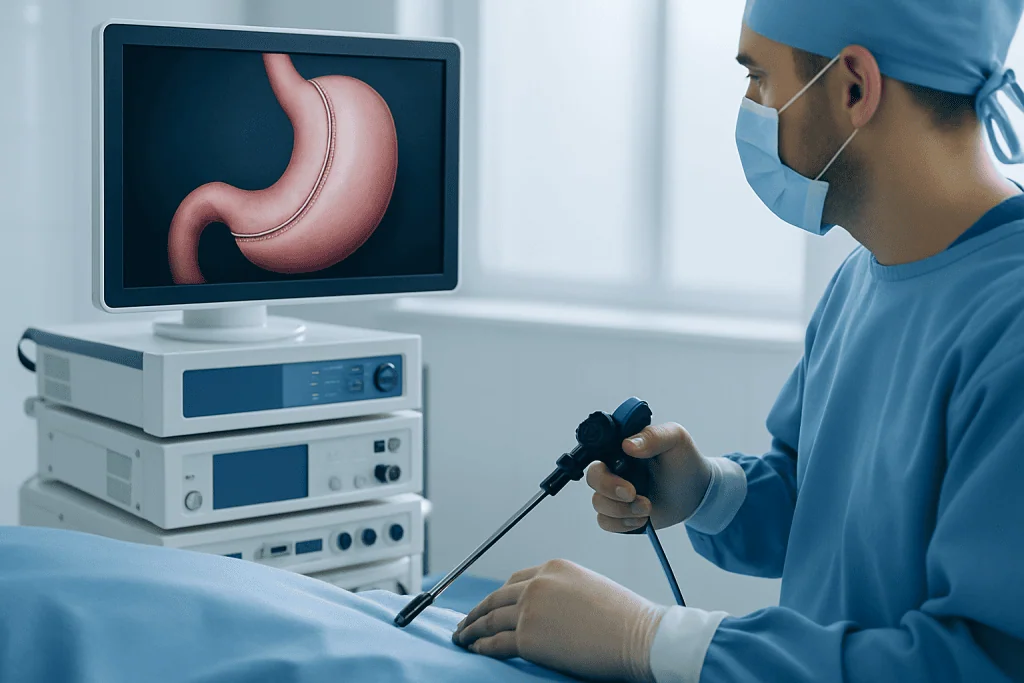
Surgical stomach reduction is often discussed under the wider umbrella of bariatric surgery. These operations usually make the stomach smaller, which helps a person feel full sooner and eat smaller meals. Some procedures also change digestion and hormone signals involved in hunger, fullness, and blood sugar regulation.
Common procedures include gastric sleeve surgery, also called sleeve gastrectomy, and gastric bypass. In sleeve surgery, a large portion of the stomach is removed, leaving a narrower tube-shaped stomach. In gastric bypass, a small stomach pouch is created and part of the small intestine is rerouted, which affects both food intake and absorption.
These operations are usually performed using minimally invasive techniques such as laparoscopy, which may mean smaller incisions and a shorter hospital stay than open surgery. Even so, surgery is still a major medical treatment. It requires preoperative evaluation, anesthesia, a recovery period, and lifelong attention to diet, vitamins, and follow-up visits.
- Surgical options generally produce greater weight loss than non-surgical methods.
- They may improve obesity-related conditions such as type 2 diabetes, high blood pressure, and fatty liver disease.
- They involve higher upfront risk and more permanent anatomical change.
Non-surgical stomach reduction options

Non-surgical stomach reduction includes methods that do not require permanent surgical changes to the digestive tract. One of the best-known options is the gastric balloon, a soft balloon placed in the stomach through the mouth using an endoscope. Once filled, it takes up space in the stomach, helping a person feel full sooner.
Another broad category includes medically supervised programs sometimes described as stomach reduction without surgery. These may combine dietary therapy, exercise planning, behavioral counseling, and in some cases prescription medications that reduce appetite, improve fullness, or support better blood sugar control. While these methods do not physically remove part of the stomach, they can still be effective for selected patients.
Non-surgical options are often attractive to people who prefer a less invasive approach, are not ready for surgery, or do not meet criteria for an operation. However, their effects are usually less dramatic than surgery, and long-term success depends heavily on consistent lifestyle change and regular follow-up. Some devices are temporary, so weight regain can happen if healthy habits are not maintained after removal.
How doctors decide which option may fit best
The decision starts with a full obesity assessment rather than with a single number on the scale. Doctors often look at BMI, waist circumference, weight history, and whether obesity-related conditions are present. A person with severe morbid obesity or significant metabolic disease may benefit more from surgery because it generally leads to larger and more sustained weight loss.
Medical history also matters. Specialists review reflux symptoms, previous abdominal procedures, liver health, medications, heart and lung conditions, and mental health factors that could affect treatment success. Eating behaviors such as binge eating, frequent grazing, or high-calorie liquid intake can also influence which option is more suitable and what support is needed before and after treatment.
Personal goals are equally important. Some people mainly want moderate weight loss with less downtime, while others need more substantial weight reduction to improve mobility, fertility, diabetes control, or surgical fitness for another procedure. A multidisciplinary team may include a bariatric surgeon, gastroenterologist, dietitian, psychologist, and endocrinologist to help match the treatment plan to the individual.
In addition, readiness for long-term change is essential. Surgery is not a shortcut, and non-surgical treatment is not an easy route. Both require careful eating, regular activity, sleep and stress management, and attendance at follow-up appointments. The most appropriate choice is the one a patient can follow safely and consistently over time.
Benefits, limitations, and risks to weigh
Surgical stomach reduction usually offers the strongest weight-loss effect and the greatest chance of improving obesity-related diseases. For some patients, surgery can lead to better diabetes control, reduced blood pressure, improved sleep apnea symptoms, and better quality of life. It may be especially useful when obesity is severe or when previous non-surgical treatment has not worked well enough.
Its limitations include the need for anesthesia, recovery time, possible surgical complications, and lifelong nutrition monitoring. Depending on the procedure, risks may include bleeding, infection, leakage, blood clots, bowel problems, reflux, ulcers, or vitamin and mineral deficiencies. These risks vary by operation and by the patient’s overall health.
Non-surgical treatment usually has a lower immediate procedural risk and may involve less interruption to daily life. For example, an endoscopic balloon does not require abdominal incisions, and medication-based or lifestyle-based treatment avoids an operation. These approaches can be a useful first step, especially for people with mild to moderate obesity or those who want to delay surgery while improving health.
However, non-surgical methods often lead to less weight loss than surgery, and results may be less durable without strong long-term support. Some patients also experience side effects such as nausea, vomiting, abdominal discomfort, or medication intolerance. If weight regain occurs, doctors may recommend another therapy or consider surgery later as part of ongoing obesity treatment.
Evaluation before treatment and what to expect afterward
Before any stomach reduction treatment, patients usually undergo a structured medical evaluation. This may include blood tests, nutritional screening, assessment for diabetes or sleep apnea, and in some cases endoscopy or imaging. Doctors also ask about medications, alcohol use, smoking, pregnancy plans, and previous attempts at weight loss. The purpose is to improve safety and choose the most suitable treatment.
Preparation often includes meeting a dietitian to learn how eating will change after treatment. Patients may need to practice smaller meals, focus on protein, reduce sugary drinks, and improve hydration habits. Psychological evaluation may also be helpful, especially if emotional eating, anxiety, depression, or disordered eating patterns could affect long-term outcomes.
After treatment, follow-up is not optional. Surgical patients usually progress from liquids to soft foods and then to regular small meals over time. They may need lifelong vitamin and mineral supplementation, depending on the procedure. Non-surgical patients also need continued review to monitor symptoms, weight change, nutrition, and whether the chosen approach is working well enough.
Whichever route is chosen, success is measured over months and years, not days. A realistic plan includes regular movement, structured meals, sleep care, and support for behavior change. In international centers such as Acibadem International, multidisciplinary specialists in JCI-accredited hospitals evaluate and treat patients seeking both surgical and non-surgical weight-loss care.
Lifestyle, self-care, and long-term success
No stomach reduction method can replace healthy daily habits. Long-term success depends on eating patterns that provide enough protein, fiber, fluids, vitamins, and minerals while limiting excess calories. Most patients benefit from planned meals, slower eating, careful portion control, and avoiding frequent snacking or high-calorie drinks.
Physical activity supports weight maintenance, muscle mass, heart health, and emotional well-being. The right program depends on a person’s fitness level, joint health, and medical conditions. It often starts with walking and low-impact exercise, then gradually progresses. Sleep and stress management also matter because poor sleep and chronic stress can increase hunger and make weight maintenance harder.
Support systems are important. Regular visits with a doctor or dietitian can help identify early signs of nutrient deficiency, weight regain, reflux, or unhelpful eating behaviors. Family support, counseling, and structured weight-management programs can improve long-term adherence and confidence.
Patients should also be aware that excess body weight can affect other health issues, including abdominal wall problems such as incisional hernia in some individuals after prior surgery. Comprehensive weight care therefore focuses not only on the scale but on overall health, function, and quality of life.
When to speak with a doctor
A medical consultation is a good idea when a person has been unable to lose enough weight with well-structured lifestyle changes, or when weight is affecting health, mobility, fertility, sleep, or emotional well-being. Professional advice is especially important if there are conditions such as type 2 diabetes, high blood pressure, fatty liver disease, joint pain, or suspected sleep apnea.
Prompt medical review is also needed if a patient considering treatment has symptoms such as severe reflux, persistent vomiting, trouble swallowing, black stools, unexplained abdominal pain, or signs of poor nutrition. These symptoms do not always mean a serious problem, but they should be assessed before deciding on a stomach reduction plan.
Patients who have already had a procedure should contact their care team if they develop dehydration, persistent nausea, fever, increasing abdominal pain, difficulty eating, or rapid weight regain. Early advice can often prevent complications from becoming more significant.
The best next step is usually a discussion with a qualified bariatric or obesity specialist. A personalized assessment can clarify whether surgery, a non-surgical option, or a staged approach is most appropriate for the individual’s needs and goals.
Frequently asked questions
Is surgical stomach reduction better than non-surgical treatment?
Neither option is universally better for everyone. Surgery usually leads to greater and longer-lasting weight loss, but it is more invasive and requires lifelong follow-up. Non-surgical treatment may suit people who need a less invasive approach or who have lower treatment targets.
Who is usually considered for bariatric surgery?
Bariatric surgery is often considered for people with obesity who have not achieved enough weight loss with structured non-surgical treatment, especially if weight-related conditions are present. Eligibility depends on BMI, overall health, eating patterns, and readiness for long-term lifestyle change. A specialist team makes the recommendation after full assessment.
Can a gastric balloon help avoid surgery?
For some patients, yes. A gastric balloon can support meaningful weight loss without an operation and may be used as a first treatment or as a bridge to improve health before surgery. However, it is usually temporary, so long-term results depend on maintaining healthy habits after treatment.
How much weight loss can be expected?
Weight loss varies widely by treatment type, starting weight, medical conditions, and adherence to follow-up. In general, surgical procedures tend to produce more substantial and durable weight loss than non-surgical methods. A doctor can give more realistic expectations after reviewing the individual case.
Are stomach reduction treatments reversible?
Some non-surgical options, such as a gastric balloon, are temporary and removable. Many surgical procedures are intended to be permanent, even if some can be revised in selected situations. This is why careful counseling before treatment is so important.
Will lifestyle changes still be necessary after treatment?
Yes. All stomach reduction methods work best when combined with long-term changes in eating, physical activity, sleep, and follow-up care. Without these habits, weight regain or nutritional problems can occur even after successful treatment.
References
- World Health Organization
- National Institute of Diabetes and Digestive and Kidney Diseases
- American Society for Metabolic and Bariatric Surgery
- National Institute for Health and Care Excellence
- European Association for the Study of Obesity
This article is for general information only and is not a substitute for professional medical advice. Please consult a qualified doctor about your individual situation.
Medical weight-loss options in Turkey — costs & eligibility
JCI-accredited · board-certified surgeons · reply within 24h
Add us as a Preferred Source to see more of our trusted health content across Google Search, AI Overviews and Discover.
Check your numbers in seconds
BMI, calories, due date, blood pressure and 30+ more clinical calculators — free, instant, doctor-reviewed ranges.