HPV Vaccine — Explained by Medical Evidence, Not Myths
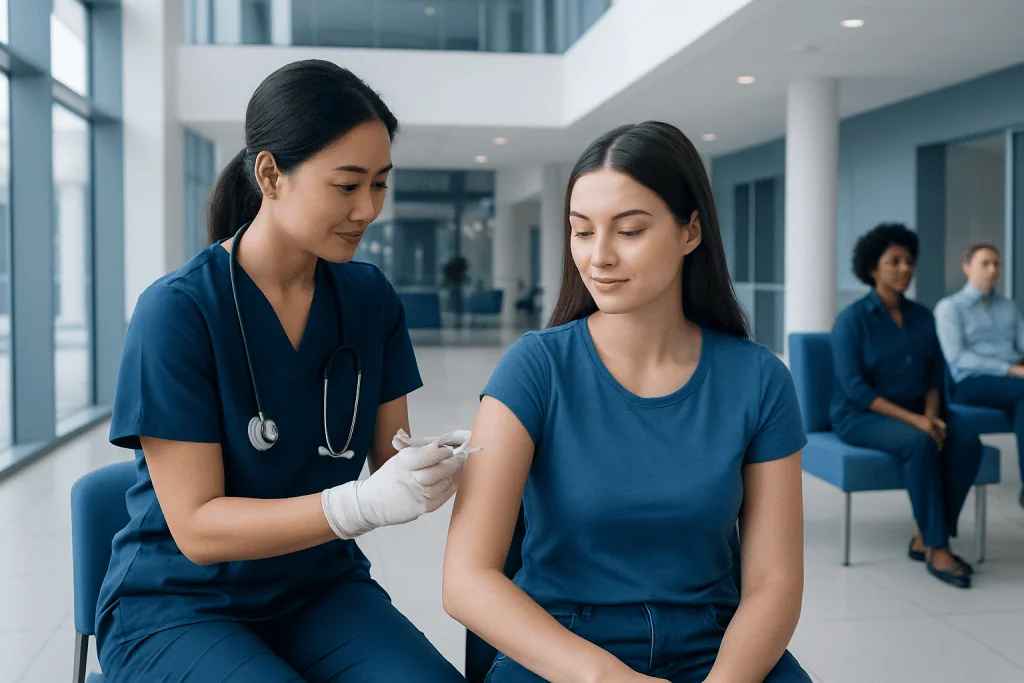
The hpv vaccine prevents infection from high-risk HPV types that can lead to several cancers and from types that cause most genital warts. It does not treat an existing HPV infection, abnormal Pap test, or HPV-related disease.
Key Takeaways
- The hpv vaccine prevents infection from high-risk HPV types that can lead to several cancers and from types that cause most genital warts.
- It does not treat an existing HPV infection, abnormal Pap test, or HPV-related disease.
- Vaccination works best before sexual exposure to HPV, which is why it is routinely recommended in early adolescence.
- Common side effects are usually mild, such as arm soreness, fatigue, or brief dizziness after the injection.
- Even after vaccination, routine cervical cancer screening remains important because no vaccine covers every cancer-causing HPV type.
The hpv vaccine helps protect against the types of human papillomavirus most strongly linked to cervical cancer, other anogenital cancers, some throat cancers, and genital warts. Medical evidence shows it is safest and most effective when given before exposure to HPV, but it can still benefit many older adolescents and adults after discussion with a doctor.
Overview: what the HPV vaccine does and why it matters
The hpv vaccine is a preventive vaccine that helps the immune system recognize and block certain types of human papillomavirus (HPV). HPV is a very common virus spread mainly through intimate skin-to-skin contact. Most HPV infections clear on their own, but some persist and can lead to cancer over time. The vaccine is designed to reduce that risk before infection occurs.
Medical evidence supports HPV vaccination as an important cancer-prevention measure. The vaccine targets the HPV types most often linked to cervical cancer and also helps prevent cancers of the vulva, vagina, penis, anus, and some cancers of the mouth and throat. It also protects against the HPV types that cause most genital warts.
One point often misunderstood is that the vaccine does not treat active HPV infection or remove already established cell changes. It is best understood as prevention, not therapy. For people who have questions about HPV itself, related conditions may include HPV infection and cervical cancer.
Who should get the HPV vaccine and when
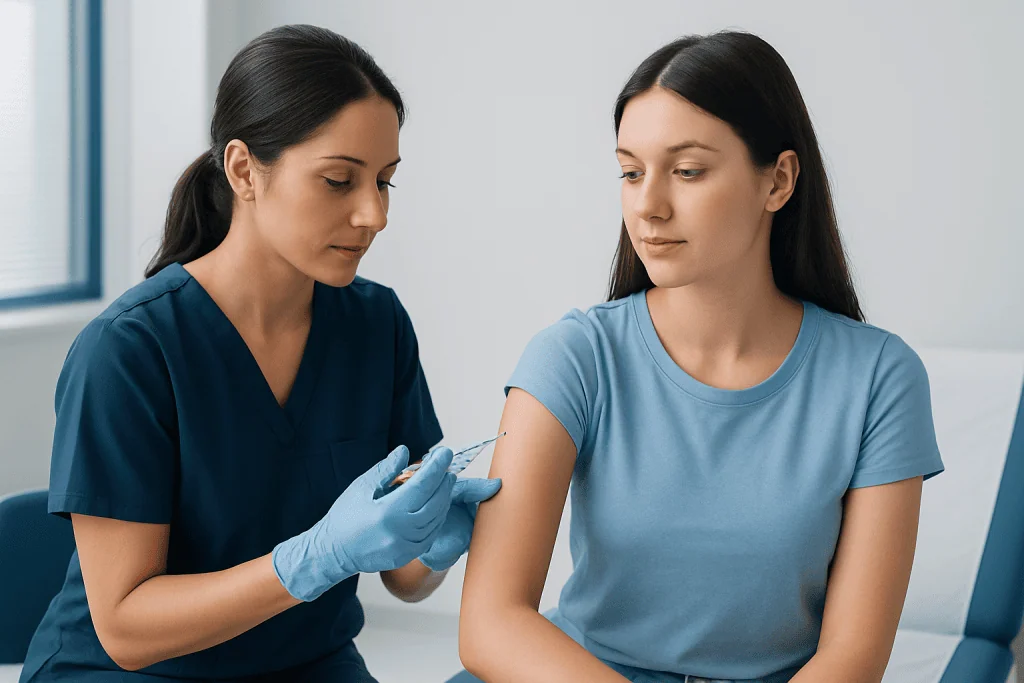
HPV vaccination is usually recommended in early adolescence because the immune response is strong at this age and protection is most useful before any exposure to the virus. In many countries, routine vaccination begins around ages 9 to 12, and it may be offered to both girls and boys. Catch-up vaccination is commonly recommended through the teen years and young adulthood, depending on local guidelines.
The number of doses depends mainly on the age at which vaccination starts and certain health conditions. Younger adolescents often need fewer doses than those who begin later. People with weakened immune systems may need a different schedule, so a clinician should confirm the right plan.
Adults who were not vaccinated on time may still benefit in some situations. The benefit is usually smaller with increasing age because prior HPV exposure becomes more likely, but vaccination may still protect against types a person has not yet encountered. A healthcare professional can help weigh likely benefit, age, medical history, and sexual health factors.
What conditions can the vaccine help prevent?

The strongest public health benefit of the hpv vaccine is prevention of HPV-related cancers. Persistent infection with high-risk HPV types can cause precancerous changes in the cervix and, less commonly, in other tissues. By preventing those infections, vaccination lowers the chance that abnormal cells will develop later.
The vaccine also helps prevent many cases of genital warts, which are caused by low-risk HPV types. Although genital warts are not cancer, they can be distressing, may recur, and often require office-based treatments. Related treatment pathways may involve colposcopy for abnormal cervical findings or specialist gynecologic oncology care if further evaluation is needed.
It is important to remember that the vaccine does not replace screening. Cervical screening such as Pap tests and HPV testing can detect changes early, often before symptoms appear. Vaccination and screening work best as partners: one helps prevent disease, while the other helps find problems early if they occur.
Safety, side effects, and myths explained by evidence
HPV vaccines have been studied extensively before and after approval. Major health authorities consider them safe, and ongoing monitoring continues to track rare adverse events. For most people, side effects are mild and short-lived, such as pain, redness, or swelling in the arm, tiredness, headache, or a mild fever.
Some adolescents and young adults may feel faint after any injection, including the HPV vaccine. For that reason, clinics often ask people to sit or lie down briefly after vaccination. Immediate severe allergic reactions are rare, but anyone with a known severe allergy to a vaccine component should discuss this with their doctor before receiving it.
Several common myths are not supported by evidence. The vaccine does not cause HPV infection, because it does not contain live virus. It does not affect fertility, and it does not encourage earlier or riskier sexual behavior. It also cannot eliminate the need for cervical screening later in life, because no vaccine protects against every cancer-related HPV type.
People who are pregnant are generally advised to delay HPV vaccination until after pregnancy, although routine pregnancy testing before vaccination is not usually required. If a dose was given before pregnancy was recognized, this is not usually a reason for alarm, but the person should inform their healthcare team for individualized guidance.
How doctors decide about HPV vaccination
For many children and adolescents, the decision is straightforward because vaccination is part of routine preventive care. For older teens and adults, the discussion may be more individualized. A doctor may ask about prior vaccination, general health, immune status, pregnancy, and any history of severe allergic reactions.
Testing for HPV before vaccination is not routinely needed. A person can have benefited from the vaccine even if they have been exposed to one HPV type, because the vaccine may still protect against other types it covers. Likewise, a past abnormal Pap test does not automatically mean vaccination has no value.
If there are already symptoms or abnormal screening results, the focus may shift toward evaluation rather than vaccination alone. This may include gynecologic examination, Pap smear screening, HPV testing, or targeted examination of tissue. In selected cases, specialists may also coordinate care for suspected genital warts or precancerous cervical changes.
What to expect before and after vaccination
Before vaccination, the healthcare team usually reviews age, previous doses, allergies, current illness, and pregnancy status if relevant. A mild cold is not always a reason to postpone vaccination, but a clinician may delay it during a moderate or severe acute illness. Clear communication about past reactions to vaccines is helpful.
The vaccine is given as an injection, usually in the upper arm. After the injection, brief observation is common, especially for adolescents who may feel lightheaded. Most people can return to normal activities the same day, though some prefer to rest if the arm feels sore or if they feel tired.
Simple self-care measures are often enough for mild side effects. These may include moving the arm gently, applying a cool compress, drinking fluids, and resting if needed. If symptoms are unusual, severe, or persistent, medical advice should be sought promptly rather than relying on myths shared online or by word of mouth.
Prevention beyond the vaccine
HPV vaccination is a major step in prevention, but it is not the only one. Routine cervical screening remains essential because it can identify high-risk HPV infection or cell changes early. People should follow the screening schedule recommended in their country and talk with their doctor if they have had abnormal results in the past.
Safer sexual practices can also reduce HPV transmission, although they do not eliminate it completely because HPV can spread through skin-to-skin contact in areas not covered by condoms. Limiting tobacco use is also important, as smoking is associated with a higher risk of persistent HPV infection and cervical cell changes.
General health measures support the immune system as well. These include keeping up with other vaccines, managing chronic conditions, and attending regular health checks. For international patients who need coordinated evaluation, Acibadem International’s multidisciplinary specialists in JCI-accredited hospitals diagnose and treat HPV-related conditions and provide preventive care guidance.
When to seek medical care
Medical advice should be sought if there are signs of a severe allergic reaction after any vaccine, such as trouble breathing, swelling of the face or throat, widespread hives, or severe weakness. These reactions are uncommon, but they require urgent attention. Persistent high fever or symptoms that seem unusual for a mild vaccine reaction should also be assessed.
A doctor should also be consulted if there are symptoms that could suggest HPV-related disease rather than a vaccine issue. These may include genital warts, bleeding after sex, unexplained vaginal bleeding, persistent pelvic pain, or an abnormal cervical screening result. Many of these symptoms can have causes other than HPV, but they deserve proper evaluation.
Parents and adults with questions about timing, missed doses, immune suppression, or vaccination after a prior HPV diagnosis should not hesitate to ask a qualified clinician. Individual circumstances matter, and a personalized discussion is often the best way to separate evidence-based guidance from misinformation.
Frequently asked questions
Does the HPV vaccine prevent cancer?
Yes. The HPV vaccine helps prevent infection with HPV types that are responsible for many cases of cervical cancer and several other cancers. It works best when given before exposure to the virus.
Can someone still get HPV after vaccination?
Yes, because the vaccine does not protect against every single HPV type. However, it covers the most important high-risk types and greatly reduces the risk of the diseases they cause. That is why screening is still needed after vaccination.
Is the HPV vaccine safe?
Current medical evidence and long-term monitoring support the safety of HPV vaccines. Most side effects are mild, such as arm soreness, tiredness, headache, or brief dizziness. Serious allergic reactions are rare but require urgent medical care.
Does the HPV vaccine treat an existing HPV infection?
No. The vaccine is preventive and does not clear an active HPV infection or reverse established abnormal cell changes. People with an abnormal Pap test or HPV-related symptoms still need medical evaluation and follow-up.
Is the HPV vaccine only for girls and women?
No. HPV can affect people of all sexes, and vaccination is recommended for boys and men as well as girls and women in many health systems. This broader approach helps protect individuals and reduces circulation of the virus.
What if a person missed the recommended age for vaccination?
They may still benefit, depending on age, health status, and previous exposure to HPV. Catch-up vaccination is commonly advised for many older adolescents and young adults. A clinician can explain whether vaccination is likely to be helpful in a specific situation.
References
- World Health Organization
- Centers for Disease Control and Prevention
- American Cancer Society
- American College of Obstetricians and Gynecologists
- European Centre for Disease Prevention and Control
This article is for general information only and is not a substitute for professional medical advice. Please consult a qualified doctor about your individual situation.
Oncology care in Turkey — second opinion and treatment plan
JCI-accredited · board-certified surgeons · reply within 24h
Add us as a Preferred Source to see more of our trusted health content across Google Search, AI Overviews and Discover.