Hypothyroidism: An Evidence-Based Guide for Patients

Hypothyroidism means the thyroid gland is underactive and produces too little thyroid hormone. Common symptoms include tiredness, feeling cold, dry skin, constipation, weight gain, and slowed thinking.
Key Takeaways
- Hypothyroidism means the thyroid gland is underactive and produces too little thyroid hormone.
- Common symptoms include tiredness, feeling cold, dry skin, constipation, weight gain, and slowed thinking.
- Diagnosis is usually based on symptoms, medical history, and blood tests such as TSH and free T4.
- Most people are treated effectively with daily levothyroxine and regular follow-up blood tests.
- Symptoms can develop gradually, so some people may not recognize the condition at first.
- Pregnancy, autoimmune disease, thyroid surgery, and certain medicines can increase risk.
Hypothyroidism is a condition in which the thyroid gland does not make enough thyroid hormone, causing the body to slow down. It is common, usually manageable, and is typically diagnosed with blood tests and treated with daily hormone replacement.
Overview
Hypothyroidism is an underactive thyroid. This means the thyroid gland, a small butterfly-shaped gland in the neck, does not produce enough hormones to support normal body functions. Because thyroid hormones help regulate energy use, temperature, heart rate, digestion, and many other processes, low hormone levels can make the body feel as though it is slowing down.
The condition may develop gradually over months or years. Many symptoms are nonspecific, such as fatigue or weight changes, so hypothyroidism can be easy to overlook at first. In many cases, however, it is straightforward to identify with blood tests and can be managed successfully with ongoing treatment.
Hypothyroidism can affect adults of any age and also occurs in children and babies. It is more common in women and becomes more likely with increasing age, but anyone with symptoms or risk factors may need evaluation. A person may hear related terms such as primary hypothyroidism, subclinical hypothyroidism, or autoimmune thyroid disease; these describe different forms or stages of reduced thyroid function.
How the Thyroid Affects the Body
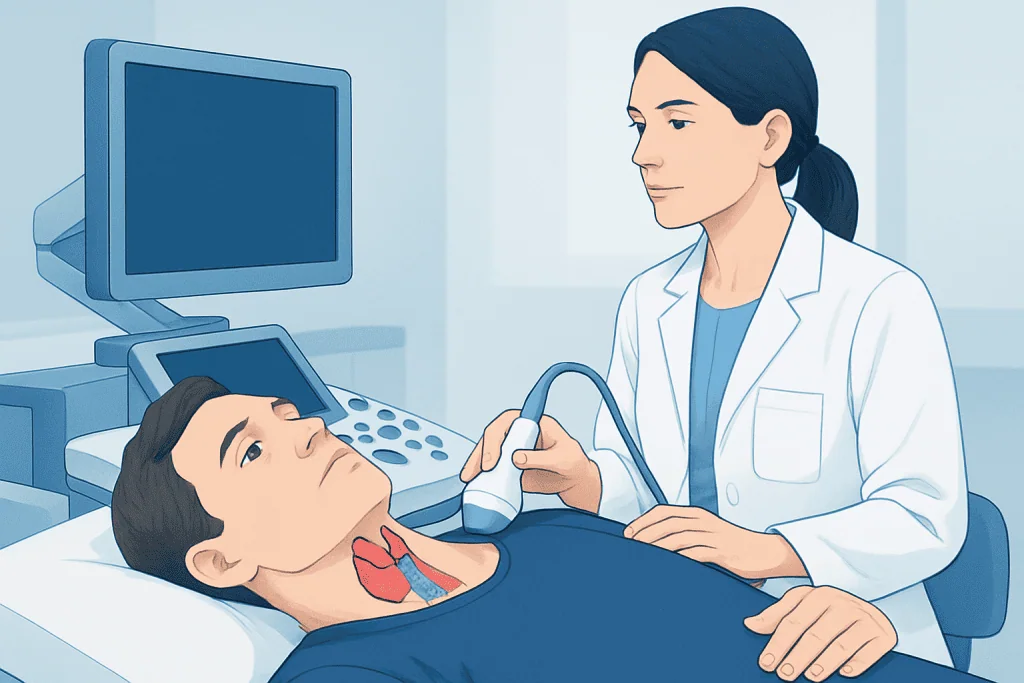
The thyroid makes two main hormones, thyroxine (T4) and triiodothyronine (T3). These hormones travel through the bloodstream and influence how cells use energy. They support normal growth, help maintain body temperature, contribute to heart and digestive function, and play a role in brain function, mood, and reproductive health.
The thyroid is controlled by the pituitary gland, which releases thyroid-stimulating hormone (TSH). When thyroid hormone levels fall, the pituitary usually makes more TSH to signal the thyroid to work harder. This relationship is why TSH is one of the most important tests used to diagnose hypothyroidism.
When thyroid hormone levels are too low, systems throughout the body may work more slowly. This can lead to subtle changes at first, such as mild tiredness or dry skin, and later to more noticeable symptoms. Understanding this whole-body effect helps explain why hypothyroidism can look different from one person to another.
Symptoms and Signs

Hypothyroidism symptoms often begin gradually. Some people have only a few mild symptoms, while others develop a broader pattern over time. Because these symptoms can overlap with stress, aging, anemia, depression, or other medical issues, testing is often needed to confirm the cause.
Common symptoms and signs may include:
- Persistent tiredness or low energy
- Feeling cold more easily than usual
- Unexplained weight gain or difficulty losing weight
- Dry skin, brittle nails, or hair thinning
- Constipation
- Slower thinking, poor concentration, or memory problems
- Low mood
- Hoarse voice
- Puffy face or swelling
- Muscle aches, cramps, or weakness
- Slow heart rate
- Heavy or irregular menstrual periods
In more advanced cases, symptoms can become more pronounced. Children may have growth or developmental concerns, while older adults may present mainly with fatigue, cognitive slowing, or depression-like symptoms. If an enlarged thyroid is present, a person may also have a visible or palpable neck swelling called a goiter.
These symptoms do not always mean a person has hypothyroidism. Still, a pattern of persistent symptoms, especially when several occur together, is a good reason to discuss evaluation with a doctor.
Causes and Risk Factors
The most common cause of hypothyroidism in many regions is autoimmune thyroiditis, often called Hashimoto thyroiditis. In this condition, the immune system gradually damages the thyroid, reducing its ability to make hormones. This may occur on its own or alongside other autoimmune conditions.
Other causes include thyroid surgery, radioactive iodine treatment, inflammation of the thyroid, some medicines, and less commonly problems affecting the pituitary gland. In areas with low iodine intake, iodine deficiency can also lead to hypothyroidism, although this is less common where iodine nutrition is adequate. People who have had treatment for thyroid cancer may also later require lifelong thyroid hormone replacement.
Important risk factors include:
- Female sex
- Older age
- Personal or family history of thyroid disease
- Other autoimmune conditions, such as type 1 diabetes or celiac disease
- Previous thyroid surgery or neck radiation
- Pregnancy or the months after delivery
- Use of certain medications, such as lithium or amiodarone
Pregnancy deserves special attention because thyroid hormones are important for both maternal health and fetal development. Thyroid function may be monitored more closely in people who are pregnant, planning pregnancy, or have a history of thyroid disease.
Diagnosis and Testing
Doctors diagnose hypothyroidism by combining symptoms, medical history, physical examination, and blood tests. The main tests are TSH and free T4. In primary hypothyroidism, TSH is usually high because the pituitary is trying to stimulate the thyroid, while free T4 is low.
Sometimes a person has a high TSH but a normal free T4. This is often called subclinical hypothyroidism. Whether it needs treatment depends on several factors, including the TSH level, symptoms, age, pregnancy status, and whether thyroid antibodies are present. Blood tests for thyroid peroxidase antibodies may help suggest autoimmune thyroid disease.
Imaging is not usually needed for routine hypothyroidism. However, if there is a thyroid nodule, enlarged gland, or concern about a structural problem, a doctor may request a thyroid ultrasound. If a person has a lump or suspicious finding, further evaluation may overlap with workups used for thyroid cancer, though most people with hypothyroidism do not have cancer.
Regular follow-up is an important part of diagnosis and care. Thyroid levels can change over time, especially after starting treatment, during pregnancy, after illness, or when medications change.
Treatment Options
The standard treatment for hypothyroidism is thyroid hormone replacement, most commonly levothyroxine. This medicine replaces the hormone the thyroid is no longer making in adequate amounts. When prescribed correctly and monitored over time, it is usually effective at relieving symptoms and restoring normal hormone levels.
Doctors choose the dose based on factors such as age, body size, heart health, severity of hormone deficiency, and pregnancy status. Follow-up blood tests are used to adjust treatment. It can take several weeks after a dose change to see the full effect in blood results, so patience and regular monitoring are important.
For best results, patients are often advised to take levothyroxine consistently and to ask their doctor or pharmacist about interactions. Calcium, iron, and some other medicines or supplements can affect absorption if taken too close together. A doctor may also review whether there are related conditions that need care, such as anemia, high cholesterol, infertility concerns, or a goiter that may require specialist assessment, including thyroid surgery in selected situations.
Not everyone with borderline thyroid test changes needs medication immediately. In some cases, careful observation with repeat blood tests is appropriate. People should not start, stop, or change thyroid medicine on their own, because too little or too much thyroid hormone can both cause health problems.
Living Well With Hypothyroidism
Most people with hypothyroidism can live well with treatment and follow-up. Once thyroid hormone levels are corrected, symptoms often improve gradually. Energy, bowel habits, skin dryness, and mental clarity may recover over time, though the timeline varies from person to person.
Self-care supports treatment but does not replace it. Helpful habits include taking medication exactly as prescribed, keeping follow-up appointments, telling doctors about all supplements and medicines, and asking whether thyroid testing is needed during pregnancy or after medication changes. A balanced diet, regular physical activity, good sleep, and management of stress can also help overall well-being.
It is important not to assume every symptom is caused by the thyroid. If fatigue, weight changes, or mood symptoms continue despite normal thyroid tests, a doctor may look for other explanations. This may include assessment for nutrient deficiencies, sleep disorders, mental health concerns, digestive issues, or hormonal conditions that sometimes overlap with thyroid disease.
For people who need specialist care, multidisciplinary endocrine and surgical teams may be involved. Acibadem International’s multidisciplinary specialists in JCI-accredited hospitals diagnose and treat thyroid conditions for international patients, including evaluation with endocrinology care and, when needed, comprehensive check-up services.
When to Seek Medical Care
A person should seek medical advice if they have ongoing symptoms such as fatigue, constipation, feeling unusually cold, hair thinning, dry skin, heavy periods, or unexplained weight gain. Evaluation is also sensible for anyone with a strong family history of thyroid disease, a personal history of autoimmune disease, previous thyroid treatment, or concerns during pregnancy.
Prompt review is especially important if symptoms are worsening, if there is neck swelling, or if blood tests have already shown abnormal thyroid function. Parents should seek medical care for infants or children with feeding difficulty, poor growth, prolonged jaundice, developmental concerns, or marked fatigue.
Urgent medical attention is needed for severe symptoms such as confusion, extreme drowsiness, fainting, shortness of breath, chest pain, or a dramatic decline in general condition. These problems may have many causes, but they should never be ignored. A qualified doctor can determine whether hypothyroidism or another condition is involved.
Frequently asked questions
What is hypothyroidism in simple terms?
Hypothyroidism means the thyroid gland is not making enough thyroid hormone. Because thyroid hormones help regulate many body functions, low levels can make the body feel slower and less energetic.
Can hypothyroidism cause weight gain?
Yes, hypothyroidism can contribute to modest weight gain, partly by slowing metabolism and sometimes causing fluid retention. However, weight changes can have many causes, so blood testing is needed to confirm whether the thyroid is involved.
Is hypothyroidism curable?
In many people, hypothyroidism is a long-term condition rather than a temporary one. The good news is that it is usually managed very effectively with thyroid hormone replacement and regular follow-up.
How is hypothyroidism diagnosed?
Diagnosis is usually made with a review of symptoms, a physical examination, and blood tests. The most important tests are TSH and free T4, and some people also need thyroid antibody testing.
How long does treatment take to work?
Some people begin to feel better within a few weeks, but full improvement may take longer. Blood tests are usually repeated after a dose change because thyroid levels need time to stabilize.
Can hypothyroidism affect pregnancy?
Yes, thyroid hormone is important during pregnancy for both the pregnant person and the developing baby. People who are pregnant or planning pregnancy should discuss thyroid testing and treatment with their doctor.
References
- American Thyroid Association
- National Institute of Diabetes and Digestive and Kidney Diseases
- Mayo Clinic
- National Health Service
- Endocrine Society
This article is for general information only and is not a substitute for professional medical advice. Please consult a qualified doctor about your individual situation.
Hypothyroidism in Turkey — costs, top hospitals & a free quote
JCI-accredited · board-certified surgeons · reply within 24h
Add us as a Preferred Source to see more of our trusted health content across Google Search, AI Overviews and Discover.
Check your numbers in seconds
BMI, calories, due date, blood pressure and 30+ more clinical calculators — free, instant, doctor-reviewed ranges.

Check-up & Preventive Medicine
Comprehensive health screenings designed for early detection and prevention.
1 specialists in this unit