Interstitial Cystitis in Men: Symptoms That Can Mimic a UTI

Interstitial cystitis in men can look like a UTI, but urine tests are often negative for infection. Common symptoms include bladder or pelvic pain, urinary urgency, frequent urination, and discomfort that may improve after urinating.
Key Takeaways
- Interstitial cystitis in men can look like a UTI, but urine tests are often negative for infection.
- Common symptoms include bladder or pelvic pain, urinary urgency, frequent urination, and discomfort that may improve after urinating.
- Diagnosis usually involves ruling out other causes such as infection, prostate conditions, stones, and bladder disorders.
- Treatment often combines lifestyle changes, bladder training, pelvic floor care, and medicines tailored to symptoms.
- Men should seek medical care for blood in the urine, fever, severe pain, or urinary retention.
Interstitial cystitis in men is a chronic bladder pain condition that can cause urgency, frequency, and discomfort similar to a urinary tract infection, even when no infection is found. Because symptoms overlap with other urologic problems, careful medical evaluation is important to reach the right diagnosis and plan treatment.
Overview
Interstitial cystitis in men, also called painful bladder syndrome, is a long-term condition that causes bladder-related pain, pressure, or discomfort along with urinary symptoms such as urgency and frequent urination. Although interstitial cystitis is often discussed more in women, men can also develop it. In men, it may be overlooked at first because the symptoms can resemble a urinary tract infection, chronic prostatitis, or other urologic problems.
A key feature of interstitial cystitis is that symptoms persist or recur without clear evidence of a typical bacterial infection. A man may feel as though he has a UTI, yet urine culture results can come back normal. This can be frustrating and confusing, especially when symptoms continue over time.
The condition affects quality of life in different ways. Symptoms may interfere with sleep, work, exercise, travel, and sexual activity. Many people notice that symptoms come and go, with periods of relative relief followed by flares triggered by stress, diet, or other factors.
Because several bladder and urinary conditions can cause similar complaints, interstitial cystitis is usually diagnosed after other causes have been considered. A urologist may also evaluate related bladder conditions to make sure the symptoms are not due to another underlying problem.
Symptoms That Can Mimic a UTI
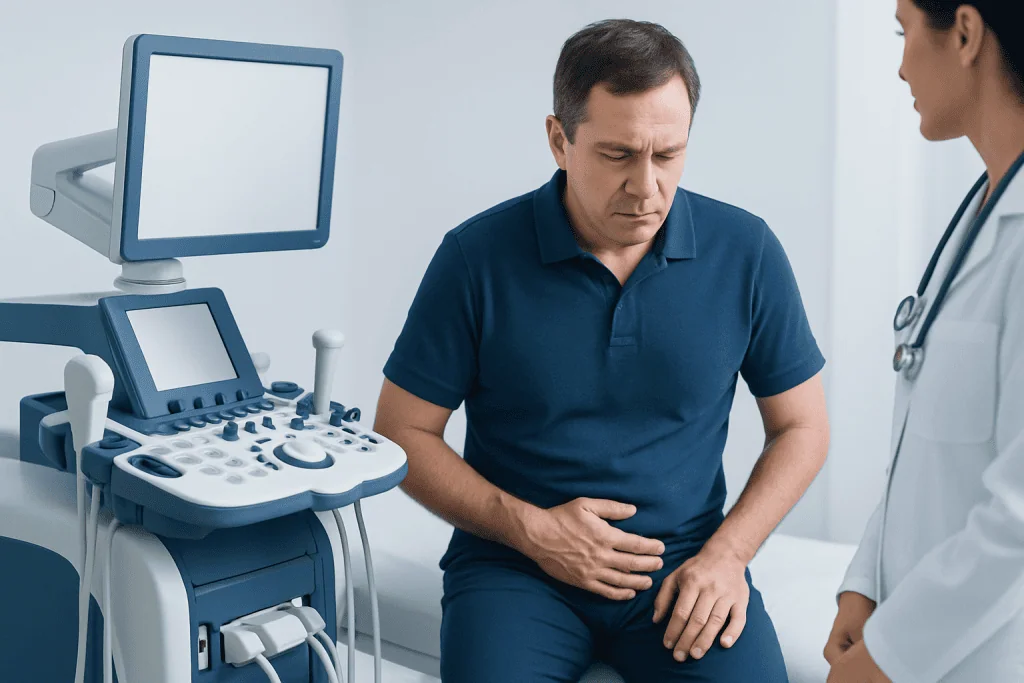
The symptoms of interstitial cystitis in men can closely resemble those of a urinary tract infection. Many men describe a constant urge to urinate, frequent trips to the bathroom, burning or discomfort with urination, and a feeling of pressure in the lower abdomen or bladder area. However, unlike a typical UTI, fever and a clearly positive urine culture are often absent.
Pain is often the symptom that helps distinguish interstitial cystitis from some other urinary issues. The discomfort may be felt in the bladder, pelvis, lower abdomen, perineum, penis, scrotum, or lower back. Some men notice that the pain worsens as the bladder fills and improves somewhat after urinating.
Symptoms vary from person to person. Common complaints include:
- Frequent urination during the day or night
- Sudden urgency to urinate
- Bladder, pelvic, or perineal pain
- Burning or discomfort during urination
- Pain during or after ejaculation in some men
- A sensation of incomplete bladder emptying
These symptoms can overlap with prostatitis, urethral irritation, overactive bladder, stones, and infection. For that reason, persistent UTI-like symptoms in men should not be self-diagnosed. A proper assessment helps identify whether infection is present or whether another explanation, such as interstitial cystitis, is more likely.
Possible Causes and Risk Factors

The exact cause of interstitial cystitis in men is not fully understood. Experts believe it may result from several factors rather than a single problem. Possible mechanisms include changes in the bladder lining, irritation of sensory nerves, inflammation, pelvic floor muscle dysfunction, or abnormal pain processing by the nervous system.
In some men, symptoms appear after a bladder infection, pelvic procedure, or period of significant stress, but this does not happen in every case. Others may have overlapping conditions such as irritable bowel syndrome, chronic pelvic pain syndromes, or pelvic floor tension. These associations suggest that the bladder, pelvic muscles, and nervous system may all play a role.
Risk factors are not as clearly defined as they are for some other diseases. However, men with chronic pelvic pain, recurrent urinary symptoms without infection, or sensitivity to certain foods and beverages may be more likely to be evaluated for interstitial cystitis. Symptom flares are sometimes linked to caffeinated drinks, alcohol, acidic foods, spicy foods, stress, prolonged sitting, or sexual activity.
It is important to remember that interstitial cystitis is not the same as a bacterial infection and is not considered a sexually transmitted infection. Still, because other conditions can produce similar symptoms, a doctor may also check for infection, stones, or structural issues affecting the urinary tract.
How Doctors Diagnose It
There is no single test that confirms interstitial cystitis in every case. Diagnosis usually begins with a detailed medical history and physical examination, including questions about pain, urinary frequency, urgency, triggers, sexual symptoms, and how long the problem has been present. The doctor may also ask about fluid intake, diet, bowel habits, medicines, and previous infections.
Urinalysis and urine culture are commonly used to look for infection or blood in the urine. If symptoms seem like a UTI but tests do not support infection, the doctor may consider interstitial cystitis along with other possibilities. In some situations, additional evaluation for urinary infections may still be needed if symptoms change or new warning signs appear.
Further testing depends on the individual case. It may include bladder diaries, ultrasound imaging, or cystoscopy to examine the bladder lining, especially if there is blood in the urine or concern about another bladder condition. In selected patients, renal ultrasonography or other imaging studies can help rule out stones, obstruction, or kidney-related causes of urinary symptoms.
Doctors also consider conditions that can mimic interstitial cystitis, such as chronic prostatitis, overactive bladder, urethral stricture, bladder stones, and, less commonly, tumors. The goal is not only to identify interstitial cystitis but also to make sure a more urgent or treatable cause is not missed.
Treatment Options
Treatment for interstitial cystitis in men is individualized because symptoms and triggers vary widely. Most care plans use a stepwise approach, starting with conservative measures and adding other therapies if needed. Improvement may take time, and treatment often focuses on reducing symptoms, calming flares, and improving daily function rather than offering a single quick cure.
Common options include education about the condition, avoiding personal trigger foods or drinks, timed voiding, and bladder training. Doctors may also recommend medicines to help with pain, bladder irritation, or urinary urgency. In some cases, other approaches such as bladder instillations, nerve-related therapies, or procedures are considered when symptoms are more persistent.
Pelvic floor physical therapy can be especially helpful for men who have tight, painful pelvic muscles or chronic pelvic pain patterns. This is different from exercises that strengthen the pelvic floor; in interstitial cystitis, the goal is often to relax overactive muscles and reduce pain. If related urinary tract issues are suspected, treatment may also involve evaluating broader bladder diseases as part of a coordinated plan.
For men with ongoing symptoms, support from a multidisciplinary team may be valuable. Near the end of the care pathway, some patients may seek assessment at specialized centers such as Acibadem International, where multidisciplinary specialists in JCI-accredited hospitals diagnose and treat urologic conditions for international patients.
Self-care and Prevention of Flares
While interstitial cystitis cannot always be prevented, many men can reduce symptom flares by learning their personal triggers. Keeping a bladder diary for several weeks can help identify patterns related to foods, drinks, activity, stress, and urination habits. This can make treatment more targeted and practical.
Helpful self-care measures may include drinking fluids steadily rather than in large amounts at once, limiting bladder irritants such as caffeine or alcohol if they worsen symptoms, and avoiding foods that seem to trigger pain. Some men feel better when they stop smoking, reduce highly acidic beverages, and avoid long periods of sitting without breaks.
Stress management is also important because emotional stress can intensify pain perception and trigger flares. Gentle exercise, paced activity, relaxation breathing, and sleep hygiene may support symptom control. If pelvic muscle tension is part of the problem, a clinician may recommend guided stretching or referral to pelvic floor therapy.
It is usually best to avoid taking repeated antibiotics without medical confirmation of infection. Interstitial cystitis is not caused by routine bacteria in the way a standard UTI is, so antibiotics may not help unless a true infection is present. Men with recurrent stone symptoms or flank pain may need evaluation for related conditions such as kidney stone disease as part of their workup.
When to See a Doctor
Men should see a doctor if they have urinary urgency, frequent urination, pelvic or bladder pain, or burning with urination that does not improve or keeps returning. These symptoms are common and often treatable, but they should not be ignored, especially when urine tests are repeatedly negative and daily life is being affected.
Prompt medical attention is especially important if there is fever, chills, nausea, vomiting, severe back or side pain, blood in the urine, or trouble passing urine. These signs may point to infection, stones, blockage, or another condition that needs timely treatment. New symptoms in older adults also deserve careful evaluation.
A doctor can help distinguish interstitial cystitis from a UTI, prostate-related issues, and other causes of pelvic pain. Early assessment may reduce unnecessary treatments and help the patient start a more appropriate management plan sooner.
If symptoms are persistent, worsening, or affecting sleep, work, mood, or sexual health, specialist input from a urologist is often useful. Ongoing follow-up can also help adjust treatment over time as symptoms change.
Frequently asked questions
Can men get interstitial cystitis?
Yes. Although it is more commonly discussed in women, men can also develop interstitial cystitis. In men, it may be mistaken for prostatitis or a urinary tract infection because the symptoms overlap.
How is interstitial cystitis different from a UTI?
A UTI is usually caused by bacteria and often shows infection on urine testing. Interstitial cystitis causes similar urgency, frequency, and discomfort, but routine urine cultures are often negative and symptoms may be chronic or recurrent.
Does interstitial cystitis cause burning when urinating?
It can. Some men feel burning, pressure, or pain with urination, even without infection. Because burning can also happen with UTIs, stones, or urethral irritation, medical evaluation is important.
What foods or drinks can trigger symptoms?
Triggers vary, but some men notice worse symptoms after caffeine, alcohol, acidic drinks, spicy foods, or artificial sweeteners. A symptom diary can help identify whether certain items consistently lead to flares.
Is interstitial cystitis curable?
There is not always a single permanent cure, but many people improve with the right combination of treatments and lifestyle changes. Management often focuses on reducing pain, urgency, and frequency while improving quality of life.
Do antibiotics help interstitial cystitis?
Antibiotics usually do not help unless there is a confirmed bacterial infection. Repeated antibiotic use without evidence of infection may expose a person to side effects without treating the actual cause of symptoms.
References
- National Institute of Diabetes and Digestive and Kidney Diseases
- American Urological Association
- European Association of Urology
- Mayo Clinic
- National Health Service
This article is for general information only and is not a substitute for professional medical advice. Please consult a qualified doctor about your individual situation.
Interstitial Cystitis in Turkey — costs, top hospitals & a free quote
JCI-accredited · board-certified surgeons · reply within 24h
Add us as a Preferred Source to see more of our trusted health content across Google Search, AI Overviews and Discover.

Urology
Treatment of the urinary system and male reproductive health, including robotic and laser procedures.
60 specialists in this unit