Iris Eye — Explained by Medical Evidence, Not Myths

The iris is the colored ring around the pupil and helps control how much light enters the eye. Changes in iris color, shape, symmetry, or pupil response can sometimes signal an eye condition.
Key Takeaways
- The iris is the colored ring around the pupil and helps control how much light enters the eye.
- Changes in iris color, shape, symmetry, or pupil response can sometimes signal an eye condition.
- Most iris-related concerns require an eye examination rather than self-diagnosis based on appearance alone.
- Common medical issues involving the iris include inflammation, trauma, congenital differences, and glaucoma-related changes.
- Prompt care is important for eye pain, light sensitivity, sudden vision changes, or a newly irregular pupil.
The iris eye is the colored part of the eye that helps control vision by adjusting the size of the pupil and regulating light entry. Although it is often discussed in myths about personality or hidden disease, the medical evidence shows the iris is best understood as a precise structure with important visual and protective functions.
Overview: what the iris eye is
The term iris eye usually refers to the iris, the colored circular structure surrounding the pupil. Its main job is to regulate how much light enters the eye by making the pupil smaller in bright settings and larger in dim settings. This helps support clear, comfortable vision and protects the inner eye from excessive light exposure.
Medically, the iris is not only about eye color. It is a thin but highly specialized tissue made of muscle, blood vessels, and pigment cells. The amount and distribution of pigment determine whether eyes appear brown, hazel, green, blue, or gray, while the iris muscles respond automatically to light and focus demands.
Many popular claims suggest that the iris can reveal broad truths about personality, general wellness, or disease throughout the body. These claims are not supported by strong medical evidence. In clinical practice, doctors look at the iris for specific signs such as inflammation, injury, abnormal pupil shape, or changes linked to certain eye disorders.
How the iris works in everyday vision
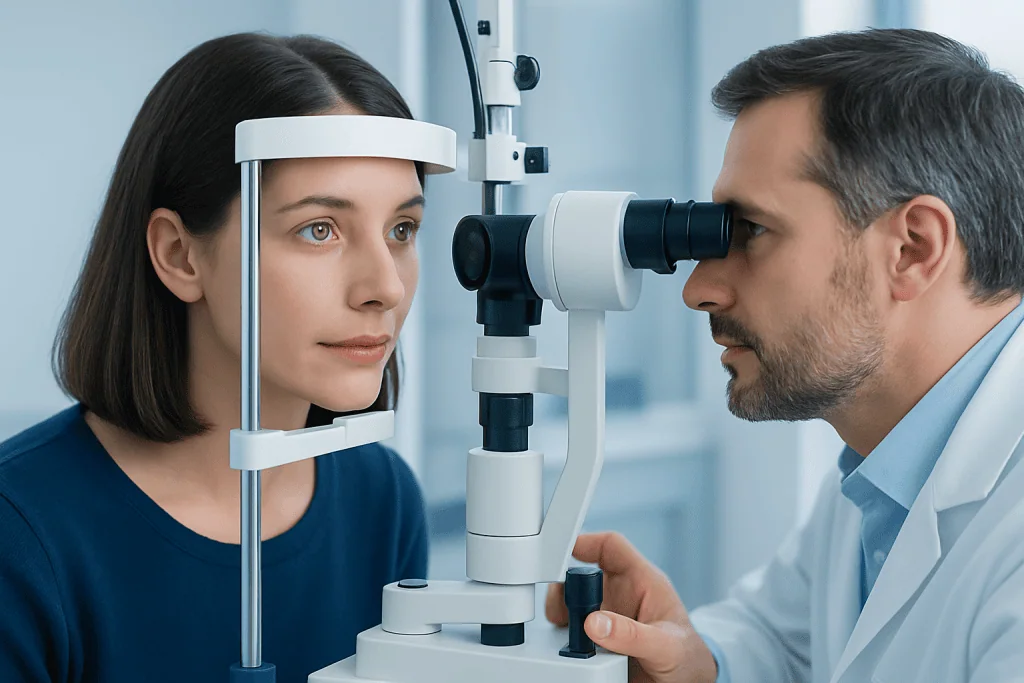
The iris functions like the adjustable opening of a camera. At its center is the pupil, the black-looking opening that lets light pass into the eye. Tiny muscles within the iris widen or narrow the pupil to match environmental lighting and visual demands.
In bright light, the circular muscle of the iris contracts, making the pupil smaller. In darkness, the radial muscle works to enlarge the pupil so more light can enter. This automatic response helps maintain visual clarity and reduces glare.
The iris also works with other parts of the eye. The cornea and lens focus light, the retina receives it, and the optic nerve sends visual information to the brain. If the iris does not move normally, a person may notice sensitivity to light, difficulty adapting between bright and dark environments, or changes in pupil appearance.
During a standard eye exam, clinicians often shine a light into each eye to assess how the pupils react. This simple step can offer useful information about the iris, the nerves controlling it, and the overall health of the visual system.
What is normal and what can vary
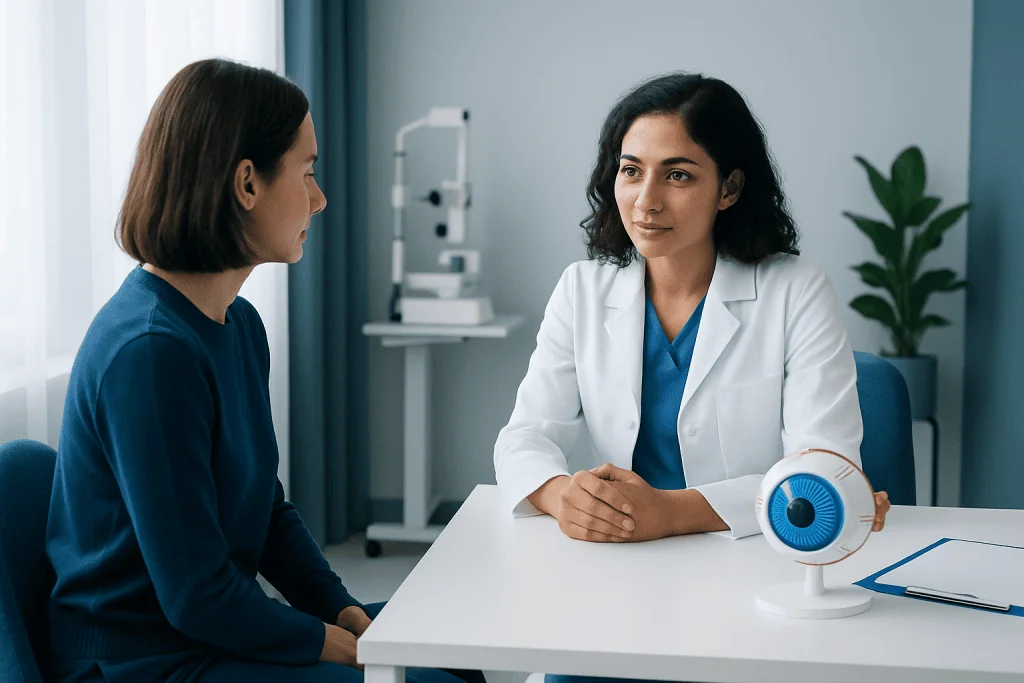
Healthy irises come in many colors and patterns. It is normal for the iris to have visible lines, rings, or subtle flecks of pigment. Eye color is largely determined by genetics and melanin levels, and it does not usually indicate disease by itself.
Some people naturally have slight differences between the two eyes, a finding called heterochromia. This may be harmless, especially if present since childhood, but new or changing differences should be assessed by an eye doctor. The same is true for a pupil that appears persistently larger, smaller, or more irregular than before.
Aging can also affect how the iris looks and behaves. The pupil may become a little smaller over time, and adaptation to darkness may be less efficient. These changes can be normal, but a noticeable shift in vision, discomfort, or eye appearance still deserves professional evaluation.
Cosmetic changes should also be approached carefully. Procedures or products marketed to alter eye color can carry risks if they affect the iris or nearby structures. Eye health should always take priority over appearance.
Common iris problems and related conditions
Several eye conditions can directly affect the iris. One important example is iritis, also called anterior uveitis, which is inflammation involving the iris and nearby tissues. It can cause eye pain, redness, blurred vision, and sensitivity to light, and it needs prompt medical care to reduce the risk of complications. Readers looking for more background may find uveitis helpful.
Trauma is another cause of iris problems. A blow to the eye can tear the iris, change pupil shape, or damage the muscles that control pupil size. Depending on severity, this may lead to glare, double vision, or cosmetic asymmetry. Eye injuries should never be ignored, even if symptoms seem mild at first.
The iris can also be involved in glaucoma assessment. In some forms of glaucoma, the drainage angle of the eye becomes narrow or blocked, which can increase pressure inside the eye. Sudden angle-closure glaucoma may cause severe pain, blurred vision, halos, headache, and nausea, and requires urgent evaluation. For more context, see glaucoma.
Less commonly, the iris may show congenital differences, cysts, pigment changes, or growths that require monitoring. Some findings are benign, while others need specialist review. The appearance of the iris alone cannot confirm the cause, which is why slit-lamp examination and other eye tests are important.
Symptoms that may suggest an iris-related issue
Not every unusual-looking iris is a sign of disease, but certain symptoms can point to a problem needing medical attention. Eye pain, redness, sensitivity to light, blurred vision, new floaters, or a sudden change in pupil shape are among the most important warning signs.
People may also notice that one pupil reacts differently from the other, that one eye appears a different color than before, or that bright light causes unusual discomfort. After an injury, even a small change in the pupil or iris can matter. Children with unusual pupils or eye appearance should also be examined, especially if the finding is new.
Doctors assess symptoms in context. For example, a fixed dilated pupil may suggest trauma, medication effect, nerve dysfunction, or an emergency condition, while a small irregular pupil with pain and light sensitivity may suggest inflammation. The same visible sign can have different causes, so self-diagnosis is not reliable.
- Eye pain or deep aching
- Redness, especially around the colored part of the eye
- Sensitivity to light
- Blurred or reduced vision
- A newly irregular or unequal pupil
- Sudden change in iris color or appearance
How doctors examine the iris and make a diagnosis
Diagnosis begins with a detailed eye history and examination. The clinician asks about pain, light sensitivity, recent trauma, vision changes, medication use, prior eye disease, and any systemic illnesses that can affect the eye. Symptoms and timing often provide important clues.
A slit-lamp exam is one of the key tools for viewing the iris closely. This microscope with a bright light allows the ophthalmologist to examine the iris surface, the front chamber of the eye, and the pupil in detail. They may also measure eye pressure, assess pupil reactions, and check the drainage angle if glaucoma is a concern.
Additional tests depend on the suspected cause. Dilated retinal examination, imaging, blood tests, or referral to other specialists may be needed if inflammation, systemic disease, nerve involvement, or a mass is suspected. If surgery is needed for a related condition such as cataract or glaucoma, a specialist may discuss options including cataract surgery or glaucoma treatment.
The goal is not just to identify what the iris looks like, but to determine why it has changed and whether vision is at risk. Early evaluation often makes treatment more straightforward and may help prevent complications.
Treatment, self-care, and when to seek medical care
Treatment depends on the underlying cause. Inflammatory conditions may be treated with prescription eye drops and close follow-up, trauma may require protective care or surgical repair, and pressure-related disorders may need urgent treatment to lower eye pressure. Some harmless iris variations only need observation. If broader eye surgery is required in selected cases, options may include eye surgery.
At home, the safest approach is supportive care rather than trying unproven remedies. People should avoid rubbing the eye, use protective eyewear during sports or hazardous work, and follow an eye doctor’s instructions carefully. Contact lens users should maintain good lens hygiene and stop lens wear if the eye becomes painful or red until it is assessed.
When to seek medical care: a person should seek prompt eye evaluation for sudden vision changes, significant eye pain, light sensitivity, a red painful eye, a newly misshapen pupil, or any eye injury. Emergency care is especially important if symptoms come on suddenly or are accompanied by headache, nausea, or halos around lights.
Regular eye exams are also valuable, even without symptoms, because some eye diseases can develop gradually. Near the end of the care pathway, patients who need specialist assessment may be seen by multidisciplinary ophthalmology teams; Acibadem International’s JCI-accredited hospitals diagnose and treat eye conditions for international patients in a coordinated setting.
Frequently asked questions
What does iris eye mean?
Iris eye refers to the iris, the colored part of the eye that surrounds the pupil. Its main role is to control the amount of light entering the eye by changing pupil size.
Can the iris show signs of disease?
Yes, the iris can sometimes show medically meaningful changes such as inflammation, abnormal shape, pigment changes, or poor pupil reaction. However, these findings need a professional eye exam because appearance alone cannot confirm a diagnosis.
Is a change in eye color always serious?
Not always. Some differences in iris color are natural or present from birth, but a new or changing color difference should be checked by an eye doctor to rule out inflammation, injury, or other eye conditions.
Why would one pupil look different from the other?
Unequal pupils can occur for several reasons, including normal variation, medication effects, trauma, nerve problems, or inflammation. If the difference is new or comes with pain, drooping eyelid, headache, or vision change, prompt medical care is important.
Can the iris be damaged by an eye injury?
Yes. Trauma can tear the iris, alter pupil shape, and affect how the eye responds to light. Even if the injury seems minor, an examination is recommended because deeper structures may also be affected.
Do iris patterns reveal personality or overall body health?
There is no strong medical evidence that iris patterns can reliably reveal personality traits or diagnose disease throughout the body. In medicine, doctors use iris findings in a targeted way as part of an eye examination, not as a broad personality or wellness test.
References
- American Academy of Ophthalmology
- National Eye Institute
- MedlinePlus
- Mayo Clinic
- Merck Manual Professional Edition
This article is for general information only and is not a substitute for professional medical advice. Please consult a qualified doctor about your individual situation.
Explore treatments in Turkey — costs, top hospitals & a free quote
JCI-accredited · board-certified surgeons · reply within 24h
Add us as a Preferred Source to see more of our trusted health content across Google Search, AI Overviews and Discover.

More from the Health Library

Trodelvy: What Patients Need to Know

Jojoba Oil — Explained by Medical Evidence, Not Myths
Neurons: An Evidence-Based Guide for Patients

Schizophrenia Art for Expression and Emotional Wellbeing

Opd: Symptoms, Causes, and Treatment — Complete Patient Guide