Iritis Treatment: How It Works, Results and What to Expect

Iritis is inflammation of the iris, the colored part of the eye, and is also called anterior uveitis. Prescription corticosteroid eye drops are commonly used to reduce inflammation; dilating drops can relieve pain and help prevent adhesions.
Key Takeaways
- Iritis is inflammation of the iris, the colored part of the eye, and is also called anterior uveitis.
- Prescription corticosteroid eye drops are commonly used to reduce inflammation; dilating drops can relieve pain and help prevent adhesions.
- Treatment should begin promptly because untreated or recurrent iritis can lead to complications such as glaucoma, cataract or vision loss.
- Symptoms may improve within days, but treatment and follow-up often continue for weeks and must not be stopped early without medical advice.
- Home care cannot replace medical treatment; a painful red eye with light sensitivity or blurred vision needs urgent eye assessment.
Iritis treatment aims to quickly control inflammation inside the front part of the eye, ease pain and light sensitivity, and prevent complications that can affect vision. Most people need prompt assessment by an ophthalmologist and prescription eye drops, with treatment tailored to the cause and severity.
Overview: How Iritis Treatment Works
Iritis treatment usually starts with prescription anti-inflammatory eye drops, often corticosteroid drops, together with pupil-dilating drops when needed. This approach reduces inflammation, relieves discomfort from light sensitivity and helps protect the eye from complications. Because a painful red eye can have several causes, treatment should be guided by an ophthalmologist rather than started independently.
Iritis is inflammation of the iris, the colored ring around the pupil. It is the most common form of anterior uveitis, meaning inflammation in the front portion of the eye. It may affect one or both eyes and can occur once, recur periodically, or be associated with infection, injury, or an inflammatory condition elsewhere in the body.
The central goal of care is not simply to make redness disappear. Clinicians work to calm inflammation, preserve normal eye structures, monitor eye pressure, identify any underlying cause, and reduce the chance of recurrence. With early, appropriate treatment, many episodes resolve well.
Symptoms, Causes and Who May Need Treatment
Iritis commonly causes eye pain, redness that is often strongest around the colored part of the eye, sensitivity to light, blurred vision, tearing, and headache around the affected eye. Symptoms may begin suddenly over hours or days. Unlike simple irritation, the discomfort may be significant and bright light can be particularly difficult to tolerate.
In some people, no clear cause is found. In others, iritis is linked with autoimmune or inflammatory diseases, including ankylosing spondylitis, inflammatory bowel disease, psoriasis-related arthritis, sarcoidosis, or juvenile idiopathic arthritis. Eye injury, certain infections, and some medicines may also play a role. Recurrent episodes, inflammation in both eyes, or symptoms outside the eye can make an underlying cause more likely.
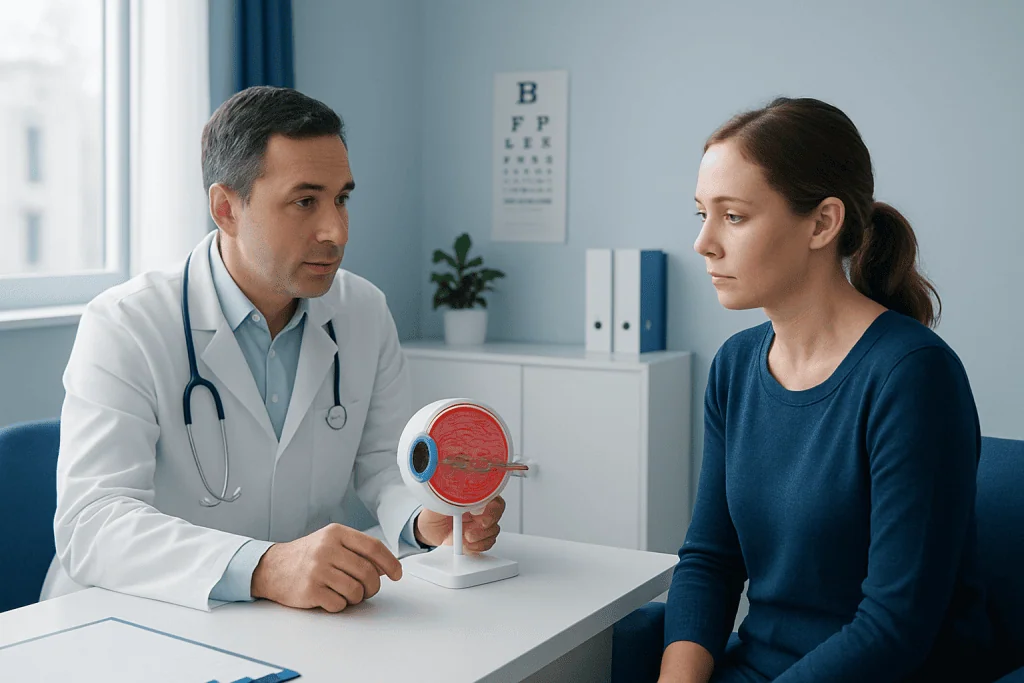
An ophthalmologist may coordinate care with rheumatology, internal medicine, infectious diseases, or pediatrics when systemic illness is suspected. People with a history of inflammatory disease, previous uveitis, eye trauma, recent infection, or new joint, skin, bowel, or respiratory symptoms should mention these details during assessment.
Diagnosis and Candidacy for Iritis Treatment
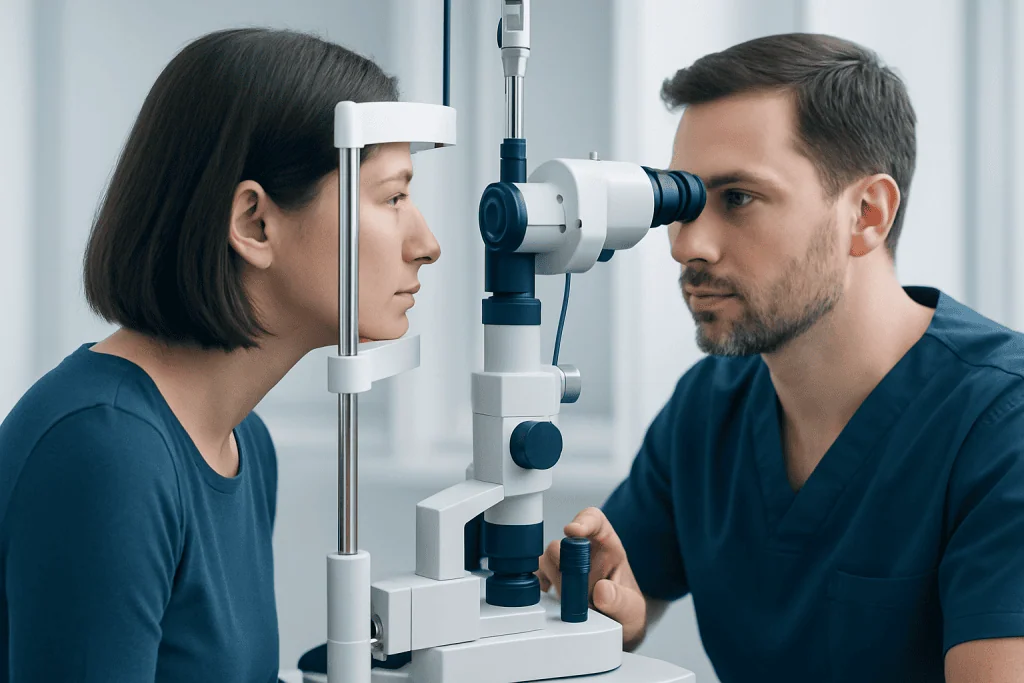
Any person with suspected iritis is a candidate for prompt eye examination, not for self-treatment. An ophthalmologist examines the eye with a slit lamp microscope to look for inflammatory cells and protein in the fluid at the front of the eye. Visual acuity, pupil responses, and intraocular pressure are also checked.
The clinician may use dilating drops during the assessment to inspect deeper structures of the eye. Depending on the history and examination, blood tests, imaging, or referral to another specialist may be appropriate. Not every first episode requires extensive testing, but investigations are more often considered when inflammation is recurrent, severe, affects both eyes, begins in childhood, or comes with other health symptoms.
It is important to distinguish iritis from conjunctivitis, corneal infection, acute glaucoma, and other urgent eye conditions. Corticosteroid drops can be essential for confirmed iritis, but they may be unsafe or insufficient if a corneal infection or another diagnosis is present. This is why an eye examination should come before treatment whenever possible.
Iritis Treatment Step by Step
For many cases, the first treatment is a topical corticosteroid eye drop. It lowers inflammation within the eye and is often used frequently at the start, then gradually reduced as the eye improves. The exact medicine, schedule, and length of treatment depend on the severity of inflammation and the person’s response. Stopping steroid drops suddenly or using them longer than advised can allow inflammation to return or increase side-effect risks.
Pupil-dilating or cycloplegic drops may be prescribed alongside anti-inflammatory drops. These temporarily widen the pupil and relax muscles inside the eye. They can reduce painful spasm and help prevent the iris from sticking to the lens, a complication called posterior synechiae. Temporary blurred near vision and light sensitivity are common while these drops are being used.
If eye drops do not adequately control inflammation, if the inflammation is severe, or if there is a systemic inflammatory condition, treatment may include tablets, injections around or into the eye, or immune-modifying medicines supervised by appropriate specialists. If infection is causing uveitis, treatment is directed at the specific infection; suppressing inflammation alone would not address the cause.
Follow-up appointments are a core part of iritis treatment. The ophthalmologist checks whether inflammation is settling, monitors eye pressure, looks for adhesions or fluid-related changes, and adjusts drops safely. Acibadem International’s multidisciplinary specialists and JCI-accredited hospitals can assess and treat eye inflammation while coordinating care for international patients when needed.
Recovery Timeline, Benefits and Possible Risks
Many people notice less pain, redness, and light sensitivity within several days after effective treatment begins. However, iritis treatment time is commonly measured in weeks rather than days. Mild episodes may settle over a few weeks, while more severe, recurrent, or cause-related inflammation can require a longer course and continued monitoring.
The main benefits of prompt treatment are improved comfort, clearer vision as inflammation resolves, and reduced risk of complications. Prescribed drops help limit inflammation that could otherwise affect the lens, eye pressure, cornea, retina, or optic nerve. The outlook varies with the cause, number of episodes, and whether complications are present.
Potential treatment risks depend on the medicine used. Corticosteroid eye drops may raise eye pressure, contribute to cataract formation with prolonged use, or worsen certain infections. Dilating drops can cause temporary glare, blurred near vision, and occasionally systemic effects. These risks are a reason for follow-up, not a reason to avoid needed therapy; clinicians balance them against the harms of uncontrolled inflammation.
People should use drops exactly as prescribed, avoid touching the bottle tip to the eye or skin, and tell their clinician about all medicines and health conditions. Contact lenses should generally not be worn during an active painful red-eye episode unless an eye specialist specifically advises otherwise.
Iritis Treatment at Home and Prevention
There is no reliable iritis treatment at home. Resting the eyes, wearing sunglasses for light sensitivity, and using a cool compress over closed eyelids may offer comfort, but they do not treat inflammation inside the eye. Over-the-counter redness-relief drops should not be used as a substitute for examination, and they may mask symptoms without addressing the problem.
People should not use leftover steroid drops, another person’s prescriptions, or herbal eye preparations. Incorrect treatment can delay diagnosis of an infection, corneal injury, or glaucoma. Pain relievers may be appropriate for some people, but the choice should take account of individual medical history and should not delay urgent eye care.
There is no guaranteed way to prevent every episode of iritis. The best preventive strategy for recurrent disease is to attend follow-up visits, treat associated inflammatory or infectious conditions as advised, protect the eyes during activities with injury risk, and seek assessment quickly if symptoms return. Keeping a record of prior episodes and associated symptoms can also help clinicians identify patterns.
When to Seek Medical Care
Medical assessment is needed urgently, preferably the same day, for a painful red eye, new sensitivity to light, blurred vision, a change in pupil shape, or a sudden increase in floaters. These symptoms can occur with iritis but can also signal other eye problems that require prompt treatment. People should not wait to see whether the symptoms settle on their own.
Emergency assessment is especially important if vision decreases suddenly, severe headache occurs with nausea or vomiting, there has been eye injury or chemical exposure, or the person wears contact lenses and has pain or light sensitivity. A child with a red, painful, or light-sensitive eye also needs prompt clinical attention.
People already receiving iritis treatment should contact their eye specialist if symptoms worsen, vision declines, drops cause a concerning reaction, or symptoms return while drops are being reduced. Regular follow-up remains important even if the eye feels better, because inflammation or raised eye pressure may not always cause noticeable symptoms at first.
Frequently asked questions
What is the fastest way to cure iritis?
The fastest safe approach is prompt evaluation by an ophthalmologist and use of the prescribed treatment, commonly anti-inflammatory corticosteroid eye drops and, when appropriate, dilating drops. Symptoms may begin improving within days, but the drops often need to be tapered over weeks under supervision. There is no safe home remedy that can cure inflammation inside the eye.
Does iritis ever go away?
Yes. A single acute episode of iritis often resolves with timely treatment, although recovery time varies. Some people experience recurrent or chronic inflammation, particularly when it is associated with an autoimmune condition, infection, or another underlying health issue. Follow-up helps confirm that inflammation has fully settled.
How serious is an iritis diagnosis?
Iritis should be taken seriously because untreated inflammation can cause complications that affect vision, including adhesions, raised eye pressure, glaucoma, cataract, and swelling in the retina. It is also commonly treatable, especially when assessed early. The seriousness for an individual depends on the cause, severity, recurrence, and response to treatment.
What percentage of uveitis patients go blind?
There is no single reliable percentage that applies to all people with uveitis because outcomes differ by uveitis type, cause, access to care, duration, and complications. Uveitis can cause significant visual impairment when inflammation is severe, recurrent, or untreated, but many people retain useful vision with early diagnosis, appropriate therapy, and regular monitoring. An ophthalmologist can explain personal risk based on the specific diagnosis.
How long does iritis take to heal?
Mild iritis may improve symptomatically within a few days and resolve over several weeks with prescribed treatment. More severe, recurrent, or chronic cases can take longer and may require treatment for months or ongoing management. It is important not to stop drops just because symptoms improve.
Can an optometrist treat iritis?
An optometrist may recognize suspected iritis, assess eye symptoms, and arrange urgent referral depending on local scope of practice and the individual presentation. Because iritis can require prescription steroid treatment, close monitoring of inflammation and eye pressure, and investigation for underlying disease, ophthalmology care is often needed. A painful red eye with light sensitivity should be assessed promptly rather than managed with routine eye-care products.
References
- American Academy of Ophthalmology
- National Eye Institute
- National Health Service
- Mayo Clinic
- Uveitis Information Group
This article is for general information only and is not a substitute for professional medical advice. Please consult a qualified doctor about your individual situation.
Explore treatments in Turkey — costs, top hospitals & a free quote
JCI-accredited · board-certified surgeons · reply within 24h
Add us as a Preferred Source to see more of our trusted health content across Google Search, AI Overviews and Discover.