Kidney Stone Treatment Cost in Turkey: What Can Change the Price?

Kidney stone treatment cost in Turkey depends mainly on the type of procedure needed. Stone size, location, and whether there is infection or blockage can change the treatment plan and price.
Key Takeaways
- Kidney stone treatment cost in Turkey depends mainly on the type of procedure needed.
- Stone size, location, and whether there is infection or blockage can change the treatment plan and price.
- Pre-treatment imaging, laboratory tests, anesthesia, and hospital stay often add to total cost.
- Some stones can be managed with medication and observation, while others require minimally invasive procedures or surgery.
- Patients should ask for a detailed written quote that explains what is and is not included.
Kidney stone treatment cost in Turkey can vary because care is tailored to the size, location, symptoms, and complexity of the stone. The final price is usually shaped by the treatment method, tests, hospital stay, and the patient’s overall medical needs rather than by a single fixed fee.
Overview: Why Kidney Stone Treatment Costs Can Vary
Kidney stones are hard mineral deposits that form in the urinary system. Some pass on their own with fluids, pain control, and monitoring, while others cause severe pain, infection, urinary blockage, or kidney function problems that require active treatment. Because kidney stones differ greatly from one person to another, the cost of treatment in Turkey is not the same for every patient.
In general, the biggest factor is the treatment approach. A patient who only needs consultation, imaging, and medicine will usually have a different cost than someone who needs shock wave treatment, endoscopic stone removal, or a more advanced procedure. The price can also change depending on whether care is planned in advance or needed urgently.
Turkey is a common destination for urology care because many hospitals offer modern imaging, minimally invasive treatment options, and coordinated services for international patients. Even so, it is important to remember that a quoted price should reflect the patient’s individual condition rather than a simple package label.
What Medical Factors Most Often Change the Price?
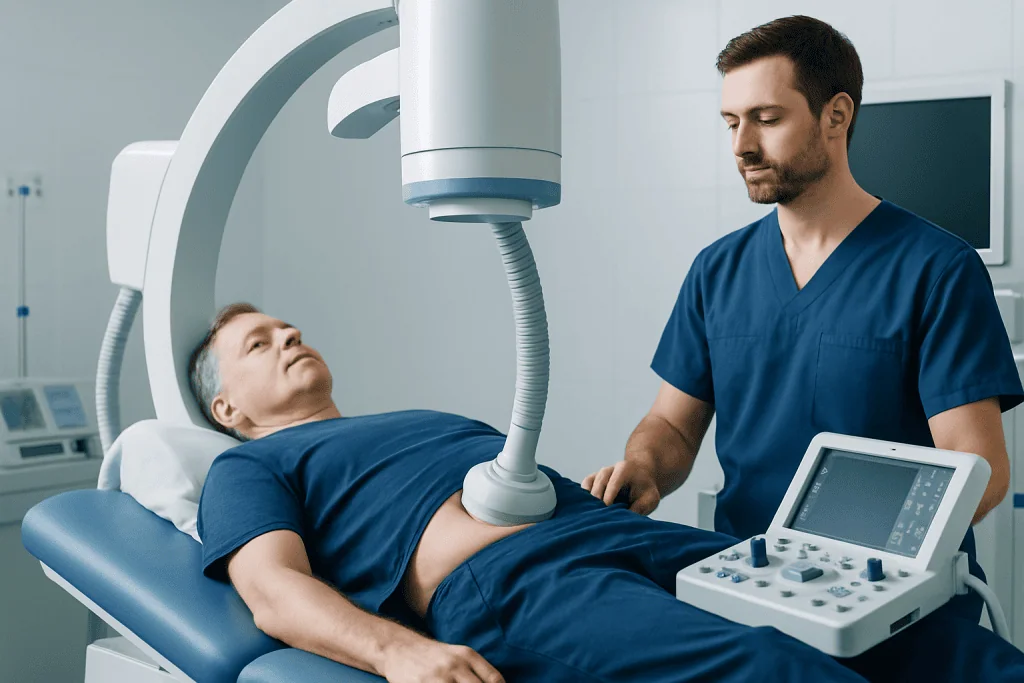
The size, number, and location of the stones often influence both the treatment plan and the cost. Small stones in the ureter may pass naturally or respond to medical treatment, while larger stones in the kidney may require a more involved procedure. Stones that are difficult to reach or that return repeatedly can also increase complexity.
Symptoms and complications are another major factor. A stone causing infection, fever, persistent vomiting, heavy bleeding, or complete urinary obstruction may need urgent treatment and closer monitoring. Emergency care can involve additional tests, hospitalization, and sometimes staged procedures, all of which may increase total cost.
The patient’s overall health matters too. Conditions such as chronic kidney disease, diabetes, bleeding disorders, obesity, or previous urinary tract surgery may affect anesthesia planning, procedural risk, and recovery needs. If the doctor suspects a related problem such as recurrent urinary infections, more evaluation may be required before treatment goes ahead.
Finally, treatment can be more expensive when the goal is not only removing the current stone but also understanding why stones keep forming. In recurrent cases, metabolic assessment, follow-up imaging, and prevention planning may become an important part of care.
Which Tests and Evaluations May Be Included?

Diagnosis usually begins with clinical evaluation and imaging. Many patients need ultrasound, X-ray, or specialized scans to confirm the stone’s location and size. Detailed imaging can be especially important before planning an intervention, and it may be performed through services such as renal ultrasonography or CT and MRI for urology when clinically appropriate.
Laboratory testing may include urine analysis, urine culture, kidney function tests, blood tests, and sometimes stone analysis after removal or passage. These tests help doctors assess infection, dehydration, bleeding risk, and kidney function. If there is a suspected infection, treatment may need to start before stone removal is attempted.
For patients with repeated stones, doctors may recommend a broader work-up to identify risk factors for recurrence. This can include metabolic testing and specialist assessment in services related to nephrolithiasis. A more complete evaluation may add to upfront cost, but it can also help guide prevention and reduce future episodes.
Treatment Options and How They Affect Cost
Not all kidney stones need surgery. If a stone is small and likely to pass, treatment may focus on hydration advice, pain relief, medicines that help stone passage, and follow-up appointments. This is usually less costly than a procedure, but repeat visits or additional imaging may still be needed to confirm that the stone has passed safely.
When active treatment is required, minimally invasive options are often considered first. Depending on the stone, this may include shock wave lithotripsy, ureteroscopy with laser treatment, or percutaneous approaches for larger stones. In general, more complex procedures require more equipment, longer operating time, anesthesia support, and a greater level of post-procedure monitoring, which can increase cost.
Some patients also need a temporary ureteral stent before or after treatment to keep urine flowing. While common and effective, stent placement and later removal can add to the overall expense. If more than one procedure is needed to fully clear the stone burden, the total price may be higher than an initial estimate based on a single session.
Medication-related costs can also vary. Patients may need antibiotics, pain medicines, medications for nausea, or longer-term renal pharmacotherapy to support symptom control and prevention. The exact treatment pathway depends on what is safest and most appropriate for the individual patient.
Hospital, Travel, and Service Factors That Influence Total Cost
Beyond the medical procedure itself, the treatment setting can affect the final bill. Costs may differ between outpatient care and inpatient admission, and between a same-day procedure and a stay that requires overnight observation. The need for an operating room, anesthesia team, recovery unit, and specialist nursing care may all be reflected in the price.
International patients should also consider non-medical costs. These can include interpreter support, airport transfers, accommodation, extra nights in the city, repeat clinic visits, and the possibility of staying longer if recovery takes more time than expected. A realistic budget should include these practical elements, not just the procedure fee.
Quotes may also differ depending on what is bundled. One hospital may include consultation, standard blood tests, and one follow-up visit, while another may price these separately. Asking for a line-by-line explanation can help patients compare options more clearly and avoid confusion later.
How to Compare Quotes and Plan Safely
When reviewing kidney stone treatment cost in Turkey, patients should ask what the quote includes. Useful questions cover doctor consultation, imaging, laboratory tests, anesthesia, hospital stay, medications, stent placement or removal, pathology or stone analysis, and follow-up appointments. It is also wise to ask what might lead to extra charges, such as unexpected findings or the need for a second procedure.
Patients should share complete medical information before traveling, including prior imaging, current medications, allergies, and any history of infection or kidney disease. A quote based only on a brief description may change after the doctor reviews scans or performs a full evaluation. In many cases, the most accurate estimate comes after imaging has confirmed the stone characteristics.
Quality and safety should remain central. Choosing experienced urology teams, appropriate imaging, and evidence-based treatment is more important than focusing on the lowest advertised price. Near the end of the care journey, some international patients may also value coordinated support; Acibadem International’s multidisciplinary specialists and JCI-accredited hospitals diagnose and treat kidney stone conditions for patients traveling from abroad.
Recovery, Prevention, and When Follow-up Matters
Recovery needs vary by treatment type. Some people return to normal routines quickly after a less invasive procedure, while others need more time for pain control, hydration, and follow-up testing. If a stent is placed, temporary urinary discomfort, urgency, or mild blood in the urine may occur, and the stent usually needs planned removal.
Follow-up care can be important both medically and financially. Imaging may be needed to confirm that the stone is gone and that urine is flowing normally. Patients with recurrent stones may need dietary guidance, fluid recommendations, and investigation of metabolic causes to reduce the chance of future episodes.
General prevention advice often includes drinking enough fluids, following personalized dietary guidance, and treating urinary infections promptly. However, prevention is not identical for everyone because stone composition differs. Patients should seek medical review promptly if they develop fever, worsening pain, inability to pass urine, repeated vomiting, or symptoms that suggest another urgent urinary problem such as complicated UTI.
Frequently asked questions
What is usually included in kidney stone treatment cost in Turkey?
It depends on the hospital and the treatment plan. A quote may include consultation, imaging, blood and urine tests, the procedure itself, anesthesia, hospital stay, and short-term follow-up. Patients should always ask for a written breakdown so they understand what is included and what may cost extra.
Why can one patient’s kidney stone treatment cost more than another’s?
Kidney stones vary in size, location, number, and complexity. Costs may rise if the stone causes blockage, infection, severe symptoms, or if more than one procedure is needed. Other factors such as hospital stay, stent placement, and pre-existing medical conditions can also affect the final price.
Is surgery always needed for kidney stones?
No. Some small stones pass on their own with fluids, pain management, and medical observation. Surgery or another active procedure is generally considered when the stone is too large to pass, causes complications, or continues to cause significant symptoms.
Can the initial quote change after arriving in Turkey?
Yes, this can happen if the doctor finds that the stone is larger, more complex, or in a different position than expected. Additional imaging or tests may also show infection, obstruction, or the need for a different procedure. For this reason, a preliminary quote is often updated after full evaluation.
How long might a patient need to stay in Turkey for kidney stone treatment?
The length of stay depends on the type of treatment and recovery needs. Some treatments are outpatient or require only a short stay, while more complex procedures may need extra observation and follow-up. International patients should plan for possible flexibility in case additional testing or recovery time is needed.
Does follow-up care matter after kidney stone treatment?
Yes, follow-up is important to confirm that the stone has been cleared and that the urinary system is recovering well. It may also help identify why the stone formed and how to reduce recurrence. Good follow-up can improve long-term outcomes and help prevent future episodes.
References
- National Institute of Diabetes and Digestive and Kidney Diseases
- European Association of Urology
- American Urological Association
- National Health Service
- Mayo Clinic
This article is for general information only and is not a substitute for professional medical advice. Please consult a qualified doctor about your individual situation.
Explore treatments in Turkey — costs, top hospitals & a free quote
JCI-accredited · board-certified surgeons · reply within 24h
Add us as a Preferred Source to see more of our trusted health content across Google Search, AI Overviews and Discover.