

Laser Eye Surgery for Cataracts: Procedure, Recovery and Results
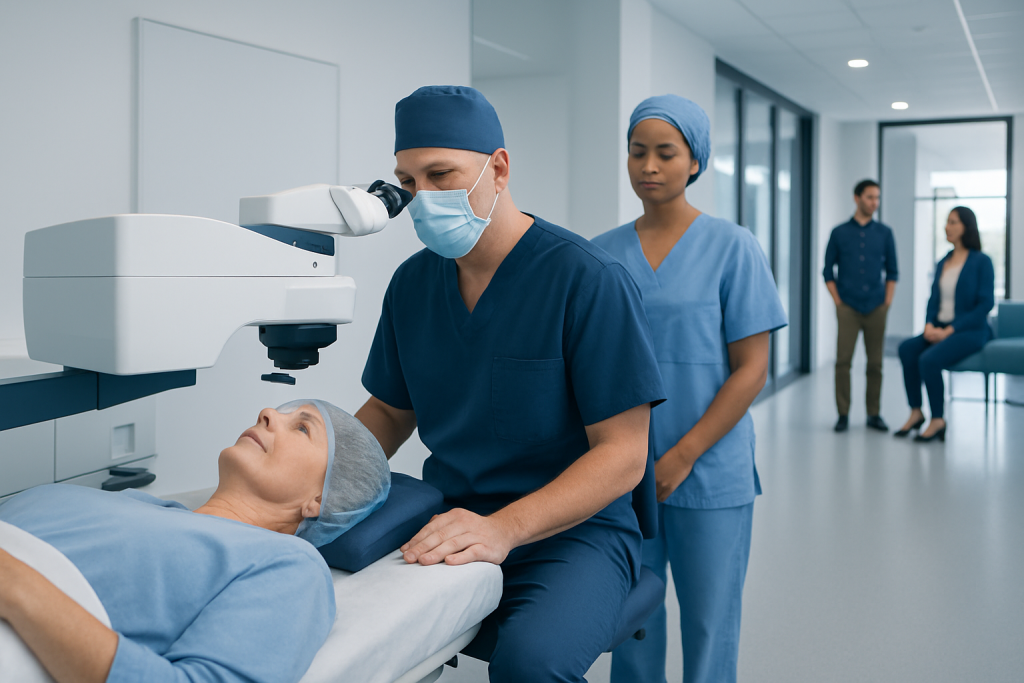
Laser-assisted cataract surgery uses a femtosecond laser for specific surgical steps, while ultrasound is usually still used to remove the lens. Both laser-assisted and conventional cataract surgery are established options with high overall success when performed for appropriate patients.
Key Takeaways
- Laser-assisted cataract surgery uses a femtosecond laser for specific surgical steps, while ultrasound is usually still used to remove the lens.
- Both laser-assisted and conventional cataract surgery are established options with high overall success when performed for appropriate patients.
- Most people notice gradual visual improvement over several days to weeks, although complete healing and prescription stabilization can take longer.
- Follow-up appointments and prescribed eye drops are important for controlling inflammation, preventing infection and monitoring recovery.
- Sudden vision loss, worsening pain, marked redness or flashes and floaters after surgery require prompt medical assessment.
Laser eye surgery for cataracts is a form of cataract surgery in which a femtosecond laser performs selected preparation steps before the cloudy natural lens is removed and replaced with an artificial intraocular lens. It is not suitable or necessary for every person, but it may improve precision in certain parts of the operation and can be considered alongside conventional ultrasound-assisted cataract surgery.
Overview: What Is Laser Eye Surgery for Cataracts?
Laser eye surgery for cataracts is cataract removal surgery that uses a femtosecond laser to assist with several precise early steps of the procedure. The laser can create corneal incisions, make a circular opening in the front of the lens capsule and soften the cloudy lens. The surgeon then removes the cataract, usually with ultrasound energy, and places a clear artificial intraocular lens (IOL) inside the eye.
A cataract develops when the eye’s natural lens becomes cloudy, causing blurred or faded vision, glare, halos around lights or difficulty seeing in dim conditions. Cataracts are common with ageing, but they may also occur after eye injury, certain medicines, diabetes, previous eye surgery or other eye conditions. Cataracts cannot be reversed with drops, exercises or glasses once clouding significantly affects vision; surgery is the only treatment that removes the cloudy lens.
Laser-assisted surgery is not the same as laser vision correction such as LASIK. It does not reshape the cornea to correct a refractive error. Instead, it supports the cataract operation, while the IOL choice and the health of the rest of the eye have major roles in the final visual result.
How Laser-Assisted Cataract Surgery Works and Who May Be a Candidate
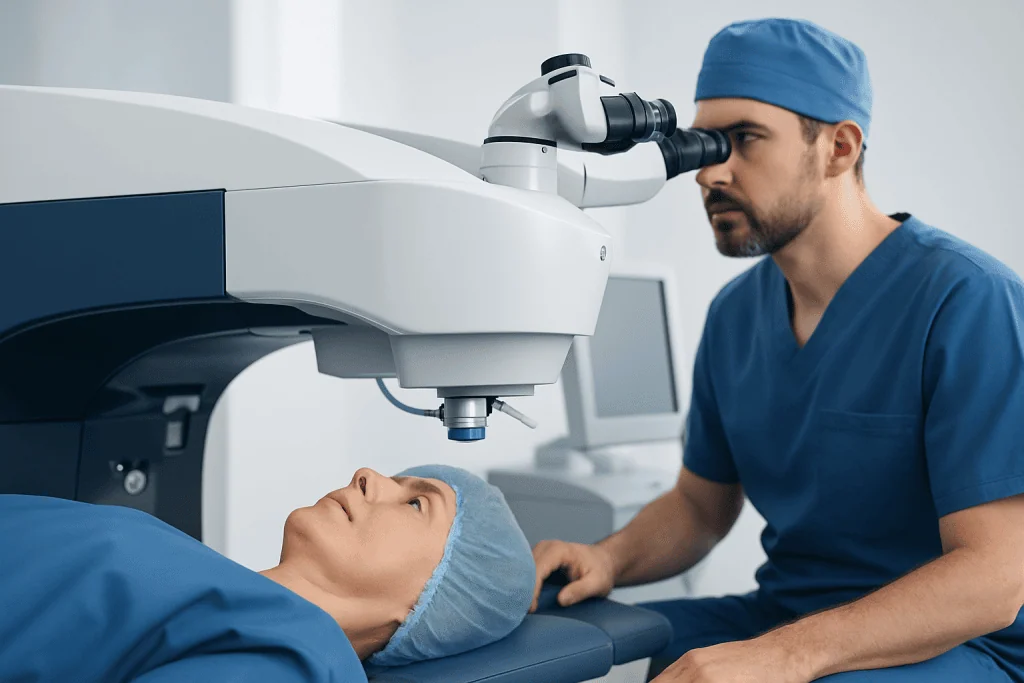
Before surgery, the ophthalmologist performs a detailed eye examination and measures the eye to plan the IOL power. Advanced imaging maps structures at the front of the eye. During the operation, the femtosecond laser uses this map to guide highly controlled incisions and lens-capsule opening. It may also help manage low levels of astigmatism through small corneal incisions in selected cases.
A person may be considered for laser-assisted surgery when cataract symptoms interfere with daily activities such as reading, driving, work or recognizing faces. Suitability depends on the cataract’s density, corneal clarity, pupil size, eye anatomy, previous eye procedures and the presence of conditions such as glaucoma, macular degeneration or diabetic retinal disease.
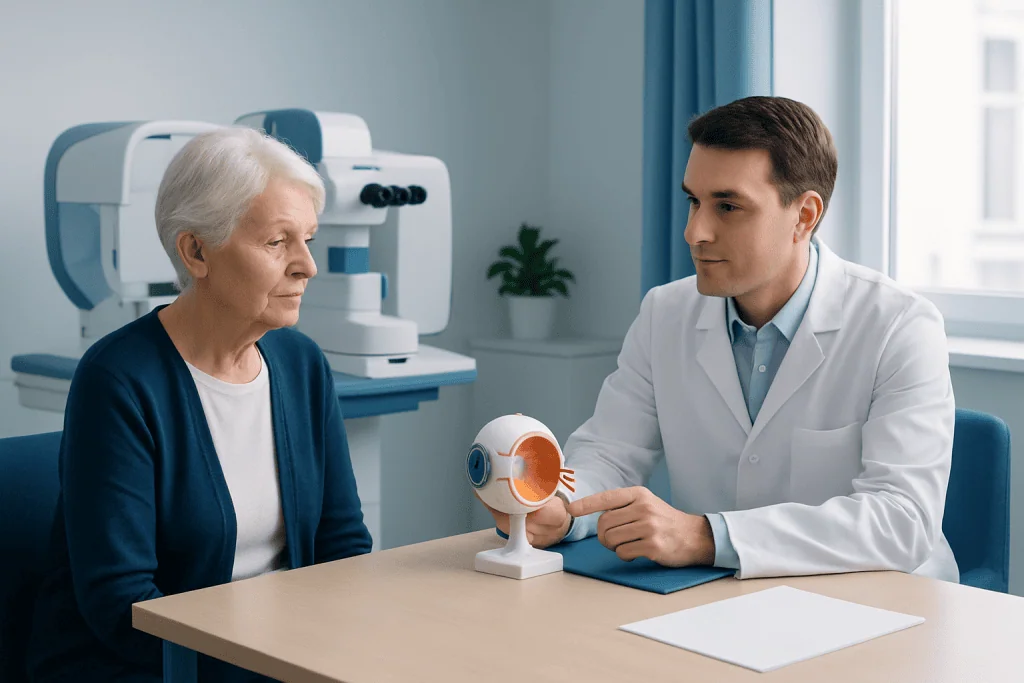
The most appropriate approach is individualized. Some eyes are better suited to conventional cataract surgery, and many people achieve very good outcomes without laser assistance. The discussion should also include the available lens types, such as monofocal, toric or presbyopia-correcting lenses. Cataract surgery planning focuses on safety, visual needs and realistic expectations rather than on a single technology alone.
Step by Step: What Happens During the Procedure?
Laser cataract surgery is usually an outpatient procedure. On the day of surgery, the eye is numbed with anesthetic drops, and medication may be offered to help the person feel relaxed. General anesthesia is not commonly needed for routine cataract surgery, although it may be appropriate in certain circumstances.
The laser portion is performed first. A soft docking device is placed on the eye to keep it steady while imaging and laser treatment are completed. The person may notice lights, pressure or temporary dimming of vision, but should not experience pain. The laser creates planned incisions, opens the lens capsule and may divide or soften the cataract.
The surgeon then removes the softened cloudy lens through a small incision, most often using phacoemulsification, which uses ultrasound to break up and aspirate the lens material. A folded IOL is inserted through the small opening and positioned within the lens capsule. The entire procedure commonly takes a short time, though preparation and recovery at the clinic take longer.
Afterward, the eye is protected with a shield or dressing. Most people return home the same day and need someone else to accompany them, as driving is not safe immediately after surgery.
Recovery Timeline and Everyday Aftercare
Vision may be blurred, bright or slightly distorted during the first hours after surgery. Mild scratchiness, watering, sensitivity to light and a foreign-body sensation can occur for a short period. Many people notice improvement within a few days, but vision can fluctuate while the cornea and internal tissues heal.
In the first week, prescribed antibiotic and anti-inflammatory eye drops are used exactly as directed. The eye should not be rubbed or pressed. A protective shield is commonly worn while sleeping for the period advised by the surgical team. Follow-up visits allow the ophthalmologist to check eye pressure, wound healing, lens position and signs of inflammation.
Light walking and routine indoor activities are often possible soon after surgery. More demanding activities, including heavy lifting, vigorous exercise, swimming and hot tubs, should be delayed until the surgeon confirms that they are safe. Eye makeup and dusty environments may also need to be avoided temporarily to reduce irritation and infection risk.
Most healing occurs over several weeks. A new glasses prescription, if needed, is usually assessed after the eye has stabilized. If surgery is required in both eyes, the second eye is normally treated on a separate date based on the person’s recovery and clinical needs.
How Many Days Rest Is Needed After Laser Cataract Surgery?
Most people do not need strict bed rest after laser cataract surgery. Resting on the day of the procedure and taking things gently for the first 24 to 48 hours is generally sensible, particularly because vision can be temporarily blurry and the eye may be light-sensitive.
Many people can resume light daily tasks within one or two days, provided they avoid rubbing the eye, getting water directly into it and activities that increase strain or injury risk. Return to desk work varies with visual comfort, the demands of the job and the advice of the treating ophthalmologist.
Heavy physical work, contact sports, swimming and strenuous exercise may need to wait for one or more weeks. The exact timeline differs between individuals, especially when cataract surgery is combined with another eye procedure or when there are underlying eye conditions. The surgeon’s postoperative instructions should always take priority.
Is It Better to Have Laser Cataract Surgery or Regular Cataract Surgery?
Neither laser-assisted nor regular cataract surgery is automatically better for every person. Conventional cataract surgery using phacoemulsification is a widely performed and highly effective procedure. Laser assistance can add precision to particular steps, including the capsule opening and lens fragmentation, but it does not replace the surgeon’s expertise or the ultrasound portion of surgery in most cases.
For some patients, laser assistance may be useful when there is astigmatism to address, a dense cataract that may benefit from laser fragmentation, or an anatomy in which a very consistent capsular opening is desirable. However, conventional surgery may be equally appropriate and may be preferred when laser docking or imaging is difficult because of certain corneal, pupil or anatomical features.
The quality of vision after either approach depends on several factors: accurate IOL calculations, the selected lens, surgical healing and the condition of the retina, optic nerve and cornea. An ophthalmologist can explain the likely benefits and limitations of each option after a full examination.
Benefits, Risks and Expected Results
The main benefit of cataract surgery is clearer vision when lens clouding has become a meaningful barrier to daily life. Laser assistance may improve consistency in selected surgical steps and may reduce the amount of ultrasound energy needed in some cases. An IOL can also be selected to address distance focus, astigmatism or, for appropriate candidates, reduce dependence on glasses at more than one distance.
Cataract surgery is generally safe, but no eye procedure is risk-free. Possible complications include infection, bleeding, inflammation, raised eye pressure, corneal swelling, retinal swelling, retinal detachment, IOL displacement and persistent refractive error. These events are uncommon, but their likelihood can be higher in people with complex eye disease or previous eye surgery.
A frequent later cause of blurred vision is clouding of the lens capsule behind the IOL, often called posterior capsule opacification. It is not a return of the cataract. When it affects vision, it can usually be treated with a brief outpatient laser procedure called YAG laser capsulotomy.
Acibadem International’s multidisciplinary specialists and JCI-accredited hospitals diagnose and treat cataracts for international patients, with assessment tailored to each person’s eye health and visual priorities.
What Not to Do After Laser Cataract Surgery and When to Seek Medical Care
After laser cataract surgery, people should not rub, press or accidentally injure the operated eye. They should avoid driving until vision meets legal and practical safety requirements and their clinician says it is appropriate. Swimming, hot tubs, eye makeup, dusty work and strenuous activity should be postponed for the recommended period.
It is also important not to stop prescribed drops early, share eye medications or miss scheduled review appointments. Water and soap should be kept out of the eye while washing, and the eye shield should be worn as instructed. Normal blinking, gentle face washing and routine light activities are usually acceptable when done carefully.
Medical care should be sought urgently for increasing or severe eye pain, rapidly worsening vision, marked redness, pus-like discharge, nausea with eye pain, new flashes of light, a sudden increase in floaters or a dark curtain-like shadow in vision. These symptoms do not always indicate a serious problem, but prompt assessment is important after eye surgery.
Frequently asked questions
What is the success rate of laser surgery after cataract surgery?
If this refers to YAG laser capsulotomy for clouding behind an implanted lens, the procedure is generally very effective at restoring clarity when posterior capsule opacification is the cause of blurred vision. It is a different procedure from laser-assisted cataract surgery and does not remove a new cataract. The ophthalmologist will examine the eye to confirm why vision has changed and explain the expected benefit.
Is laser cataract surgery painful?
The procedure is usually performed with numbing eye drops, so pain is not expected. Some people notice pressure, bright lights or mild temporary discomfort. Persistent or worsening pain after surgery should be reported promptly to the surgical team.
How soon can vision improve after laser cataract surgery?
Some people see more clearly within a day or a few days, while others need several weeks for vision to settle. Healing can be influenced by corneal swelling, the type of lens implanted, dry eye and pre-existing retinal or optic nerve conditions. The final glasses prescription is usually considered only after the eye has stabilized.
Can cataracts come back after laser cataract surgery?
A true cataract cannot come back because the cloudy natural lens is removed. However, the thin capsule that holds the artificial lens may become cloudy months or years later. This is commonly treated with a YAG laser capsulotomy if it affects vision.
Will glasses still be needed after laser cataract surgery?
It depends on the implanted intraocular lens, the person’s eye measurements and visual goals. A monofocal lens commonly provides the clearest focus at one distance, so glasses may still be needed for reading or other activities. Even with advanced lenses, some people prefer glasses for particular tasks.
Can both eyes have laser cataract surgery on the same day?
In many settings, cataract surgery is performed on one eye at a time, with the second procedure scheduled after the first eye has been assessed. This approach allows the surgeon to monitor healing and plan the second operation if needed. Same-day bilateral surgery may be considered in selected circumstances, but this decision requires careful clinical assessment.
References
- American Academy of Ophthalmology
- National Eye Institute
- Royal College of Ophthalmologists
- Mayo Clinic
This article is for general information only and is not a substitute for professional medical advice. Please consult a qualified doctor about your individual situation.
Eye Surgery in Turkey — costs, top hospitals & a free quote
JCI-accredited · board-certified surgeons · reply within 24h
Add us as a Preferred Source to see more of our trusted health content across Google Search, AI Overviews and Discover.

Ophthalmology
Comprehensive eye care from laser vision correction to retina, cornea and cataract surgery.
75 specialists in this unitMore from the Health Library



Related Specialists

Prof. Dr. Ayşe Öner
Ophthalmology
Fzt. Nursena Altınkaya
Physical Medicine & Rehabilitation
Assoc. Prof. Dr. Kamer Dere
Treatment of Pain Algology
Prof. Dr. Emre Özker
Varicose Vein Treatment