Laser eye surgery in Turkey: Hospitals, Safety & What to Expect
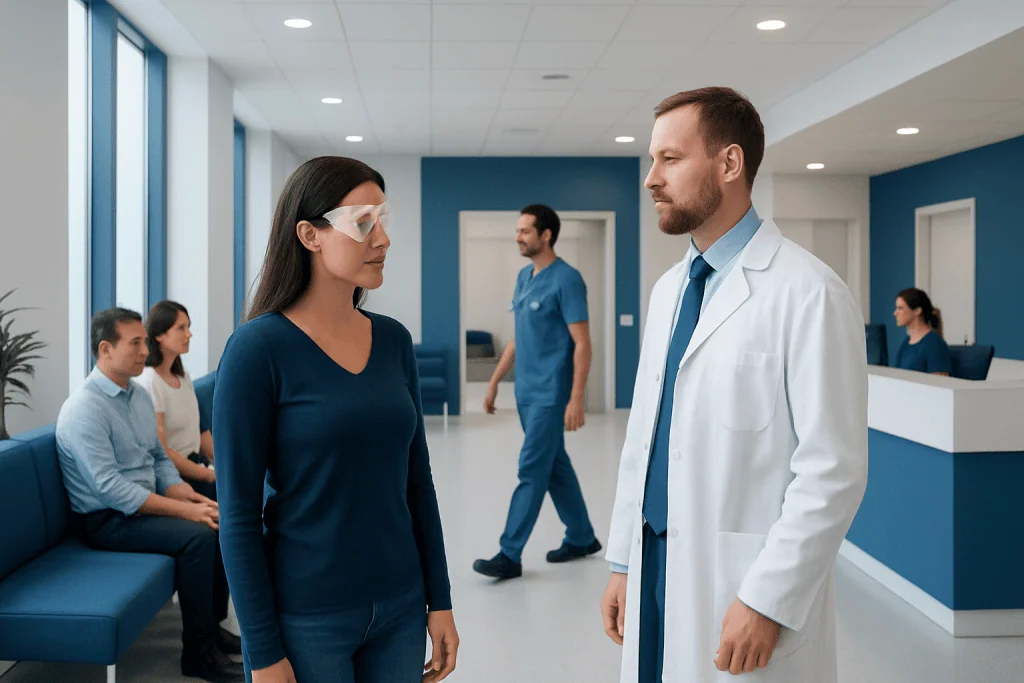
Laser vision correction reshapes the cornea to reduce dependence on glasses or contact lenses. Not everyone is a candidate; stable vision, corneal measurements and overall eye health are essential.
Key Takeaways
- Laser vision correction reshapes the cornea to reduce dependence on glasses or contact lenses.
- Not everyone is a candidate; stable vision, corneal measurements and overall eye health are essential.
- LASIK, PRK and SMILE-type procedures have different recovery patterns and suitability criteria.
- A comprehensive eye examination should guide treatment choice rather than a preference for one procedure.
- People travelling for surgery should plan enough time for assessments, early follow-up and safe return travel.
Laser eye surgery in Turkey may be a suitable option for people seeking refractive vision correction, provided they are assessed carefully by an ophthalmologist and can follow a safe aftercare plan. The key considerations are clinical eligibility, the procedure recommended for the individual eye, hospital standards and continuity of care after travel.
Overview: Laser Eye Surgery in Turkey
Laser eye surgery in Turkey refers to refractive procedures that use a precisely controlled laser to reshape the cornea, the clear front surface of the eye. This can improve how light focuses on the retina and reduce dependence on glasses or contact lenses for short-sightedness, long-sightedness and some forms of astigmatism.
Turkey has hospitals and eye centres that provide laser vision correction for local and international patients. Safety does not depend on location alone: it relies on appropriate patient selection, a detailed preoperative assessment, experienced ophthalmology teams, regulated clinical standards, modern diagnostic equipment and a clear plan for follow-up care.
For an overview of available procedures and how a specialist may select between them, patients can review laser eye surgery options. A consultation remains necessary because the most suitable approach depends on the individual cornea, prescription, age, eye health and visual needs.
How Laser Vision Correction Works
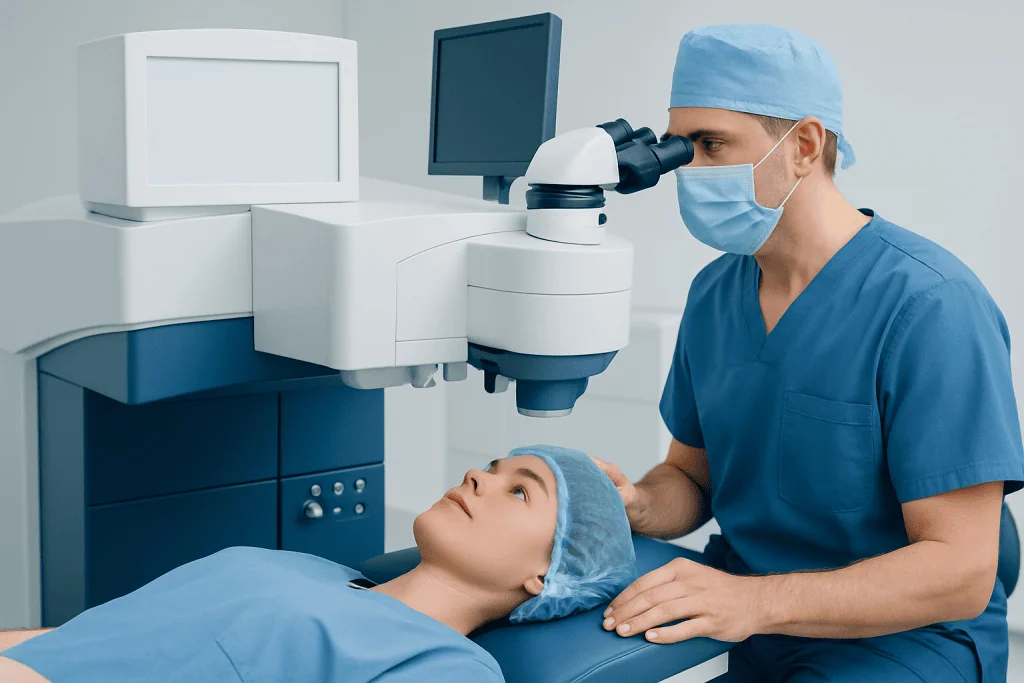
The cornea is responsible for much of the eye’s focusing power. When its curve does not focus light accurately on the retina, vision may be blurred. In myopia, light focuses in front of the retina; in hyperopia, it focuses behind it; and in astigmatism, an uneven corneal shape can cause distortion at different distances.
Laser vision correction changes the corneal curvature by removing microscopic amounts of tissue according to a personalised treatment plan. In LASIK, a thin corneal flap is created and lifted before laser reshaping. In surface laser procedures such as PRK, the outer corneal layer is removed or moved aside before treatment. SMILE uses a laser to create a small piece of tissue within the cornea, which is removed through a small incision.
The goal is functional vision improvement, not a promise of perfect vision in every setting. Some people may still need glasses for certain activities, and age-related near-vision changes can occur even after successful surgery.
Who May Be a Candidate

Suitable candidates are usually adults whose glasses or contact lens prescription has been stable for a period of time. The ophthalmologist evaluates the degree and type of refractive error, corneal thickness and shape, tear-film quality, pupil characteristics, retinal health and the presence of any eye disease.
People with thin or irregular corneas, progressive corneal conditions, significant dry eye, uncontrolled diabetes, active eye infection or certain autoimmune conditions may need treatment for the underlying issue first or may be advised against laser surgery. Pregnancy and breastfeeding can temporarily affect vision and eye measurements, so elective refractive surgery is commonly deferred.
Screening may include refraction testing, corneal topography or tomography, pachymetry to measure corneal thickness, eye pressure testing, dilated retinal examination and dry-eye assessment. These tests help identify conditions such as keratoconus, in which laser vision correction may not be appropriate.
A person’s lifestyle also matters. Night driving, frequent screen use, contact sports, occupational visual requirements and expectations about reading glasses should be discussed openly. This supports a procedure choice that fits daily life as well as clinical measurements.
What Happens Before, During and After the Procedure
Before surgery, the eye team confirms eligibility and explains the recommended procedure, expected benefits, alternatives and possible complications. Contact lens wear may need to be stopped before measurements because lenses can temporarily alter corneal shape. Patients should follow the clinic’s individual instructions rather than stopping lenses without advice.
On the procedure day, numbing drops are placed in the eyes. The patient remains awake and looks toward a fixation light while the laser tracks eye movement. A lid holder helps prevent blinking. The laser treatment itself is typically brief, although preparation and checks take longer. Most people feel pressure or awareness of the procedure rather than pain.
Afterwards, vision may be hazy initially. LASIK often provides relatively rapid functional vision recovery, while PRK generally has a slower and more variable early recovery because the corneal surface needs time to heal. Protective shields, eye drops and scheduled examinations are important parts of care.
International patients should allow adequate time in Turkey for the consultation, surgery and early postoperative review. A safe plan also includes access to an ophthalmologist at home for any later concerns, copies of clinical records and a clear understanding of medication instructions.
Recovery Timeline and Everyday Care
Recovery differs by procedure and by person. After LASIK, many patients notice improved vision within the first days, although clarity can fluctuate for several weeks. After PRK or other surface procedures, discomfort and blurred vision are more common in the first few days, with vision often improving gradually over weeks. Full visual stabilisation may take longer.
Eye drops are prescribed to support healing, reduce inflammation and lower infection risk. Patients should use them exactly as directed and avoid rubbing the eyes. They may also be advised to avoid swimming pools, hot tubs, eye makeup, dusty environments and contact sports for a defined period.
Dryness, glare, halos around lights and light sensitivity can occur during recovery. Lubricating drops and follow-up assessment can help manage these symptoms. Driving should only resume when vision meets legal and practical safety requirements and the treating clinician agrees.
For people arranging accommodation, staying close to the hospital or clinic can make early follow-up easier. Patients should not plan strenuous sightseeing immediately after surgery and should arrange transport rather than driving themselves after the procedure.
Benefits, Risks and Safety Standards
The potential benefit of laser vision correction is reduced reliance on glasses or contact lenses. It can be particularly helpful for people who find contact lenses uncomfortable or who prefer greater freedom during sport and daily activities. Results depend on the original prescription, healing response, procedure type and other individual factors.
All surgery carries risks. Possible effects include temporary dry eye, fluctuating vision, glare, halos, reduced contrast sensitivity, under-correction or over-correction, and the need for glasses, contact lenses or an enhancement procedure. Less common but serious complications include infection, inflammation, corneal healing problems and vision changes that require urgent assessment.
Careful screening reduces avoidable risks but cannot eliminate them completely. Patients should be offered informed consent in a language they understand, including information about alternatives such as glasses, contact lenses, implantable lenses or lens-based surgery where appropriate.
When considering hospitals in Turkey, patients may wish to ask about the ophthalmologist’s qualifications, the diagnostic tests used, sterile operating conditions, emergency arrangements, postoperative follow-up and quality accreditation. JCI accreditation is one recognised hospital-level quality framework, though it should be considered alongside the individual surgeon’s expertise and the suitability of the proposed care plan.
Planning Care and Travel Responsibly
Travelling for elective eye surgery requires more planning than booking the procedure alone. Before travel, patients should share a full medical and eye history, including previous operations, eye injuries, allergies, regular medicines and any known dry-eye symptoms. They should also ask whether an in-person assessment could change the treatment recommendation.
It is sensible to confirm how many visits are expected, how long the patient should remain locally, what documentation will be provided and who to contact outside clinic hours. Airline travel is usually possible after a clinician confirms recovery is progressing appropriately, but the timing should be based on the procedure and the patient’s examination findings.
Acibadem International’s multidisciplinary specialists and JCI-accredited hospitals provide assessment and treatment planning for international patients, including support with the clinical process and accommodation coordination where available. A responsible programme should prioritise a complete evaluation and follow-up needs over a fixed treatment itinerary.
Patients should retain copies of their preoperative measurements, operative report, prescriptions and follow-up notes. These records can help an eye specialist at home provide coordinated care if questions arise after returning.
When to Seek Medical Care
Urgent medical advice is needed after laser eye surgery if there is severe or increasing pain, a sudden drop in vision, marked redness, worsening light sensitivity, discharge, significant injury to the eye or new flashes and many floaters. These symptoms do not always indicate a serious problem, but prompt examination is important.
Patients should attend all planned follow-up appointments, even if their vision seems good. Routine checks allow the ophthalmologist to monitor corneal healing, eye pressure, visual quality and dry-eye symptoms.
Anyone considering surgery should seek assessment from a qualified ophthalmologist rather than relying on an online prescription or promotional information. A clinician can explain whether laser correction is appropriate and discuss alternatives if it is not.
Frequently asked questions
Is laser eye surgery in Turkey safe?
Laser eye surgery in Turkey can be safe when it is performed after thorough screening by qualified ophthalmology professionals in an appropriately regulated clinical setting. Patients should consider the proposed procedure, hospital standards, follow-up arrangements and their own suitability rather than choosing based on destination alone.
Which laser eye procedure is best?
There is no single best procedure for everyone. LASIK, PRK and SMILE-type procedures differ in how they access and reshape the cornea, so the preferred option depends on corneal measurements, prescription, dry-eye risk, lifestyle and healing considerations.
How long does recovery take after laser eye surgery?
Recovery varies by procedure. Many people have useful vision within days after LASIK, while surface procedures such as PRK usually involve a slower early recovery and may take weeks for vision to become more stable. The ophthalmologist provides individual guidance on work, driving, exercise and travel.
Will laser eye surgery remove the need for reading glasses?
Laser surgery can correct distance vision, but it does not prevent presbyopia, the natural age-related decline in near focusing ability. Many people eventually need reading glasses, particularly from their 40s onward. Options for balancing near and distance vision can be discussed during the consultation.
Can a person fly after laser eye surgery?
Flying may be possible after laser eye surgery, but timing should be confirmed by the treating ophthalmologist. Patients should remain available for early postoperative checks and should travel only when the eye is healing as expected and they understand their medication plan.
What should patients ask before booking laser eye surgery abroad?
Useful questions include which procedure is recommended and why, what tests will confirm eligibility, how long local follow-up is needed and how complications would be managed. Patients should also ask for clear written information about aftercare, medicines, clinical records and arrangements for review after returning home.
References
- American Academy of Ophthalmology
- Royal College of Ophthalmologists
- U.S. Food and Drug Administration
- European Society of Cataract and Refractive Surgeons
- World Health Organization
This article is for general information only and is not a substitute for professional medical advice. Please consult a qualified doctor about your individual situation.
Eye Surgery in Turkey — costs, top hospitals & a free quote
JCI-accredited · board-certified surgeons · reply within 24h
Add us as a Preferred Source to see more of our trusted health content across Google Search, AI Overviews and Discover.

Ophthalmology
Comprehensive eye care from laser vision correction to retina, cornea and cataract surgery.
75 specialists in this unit