Leg Pain Causes Explained: Common Triggers and Red Flags

Most leg pain comes from muscles, tendons, joints, or overuse, but some cases involve nerves or blood vessels. Pain location, timing, and associated symptoms can help point to the cause.
Key Takeaways
- Most leg pain comes from muscles, tendons, joints, or overuse, but some cases involve nerves or blood vessels.
- Pain location, timing, and associated symptoms can help point to the cause.
- Sudden swelling, redness, shortness of breath, severe weakness, or inability to walk need prompt medical attention.
- Diagnosis may involve a physical exam, blood tests, imaging, or circulation studies depending on the suspected cause.
- Treatment depends on the underlying problem and may include rest, physical therapy, medication, or specialist care.
Leg pain causes include everyday problems such as muscle strain, overuse, cramps, and joint irritation, as well as less common but important issues involving nerves, circulation, or infection. The meaning of leg pain often depends on where it is felt, how it started, and whether it comes with swelling, weakness, numbness, fever, or shortness of breath.
Overview: what leg pain can mean
Leg pain causes are varied, and many are not dangerous. Common explanations include muscle strain after activity, cramps, tendon irritation, joint pain from the hip or knee, or pain that travels from the lower back. In other cases, leg pain can come from reduced blood flow, a blood clot, nerve compression, or infection, which is why the pattern of symptoms matters.
Doctors usually think about leg pain by asking a few practical questions: Is the pain sudden or gradual? Is it in one leg or both? Does it feel crampy, sharp, burning, aching, or heavy? Does it worsen with walking, exercise, standing, or rest? Answers to these questions often help narrow the likely cause before any tests are ordered.
Leg pain may start in the muscles, bones, joints, nerves, or blood vessels. Sometimes the source is not in the leg itself. For example, a problem in the lower spine can irritate a nerve and cause pain that shoots into the thigh or calf, while poor circulation can cause aching or cramping during walking and relief with rest.
Common symptoms and pain patterns
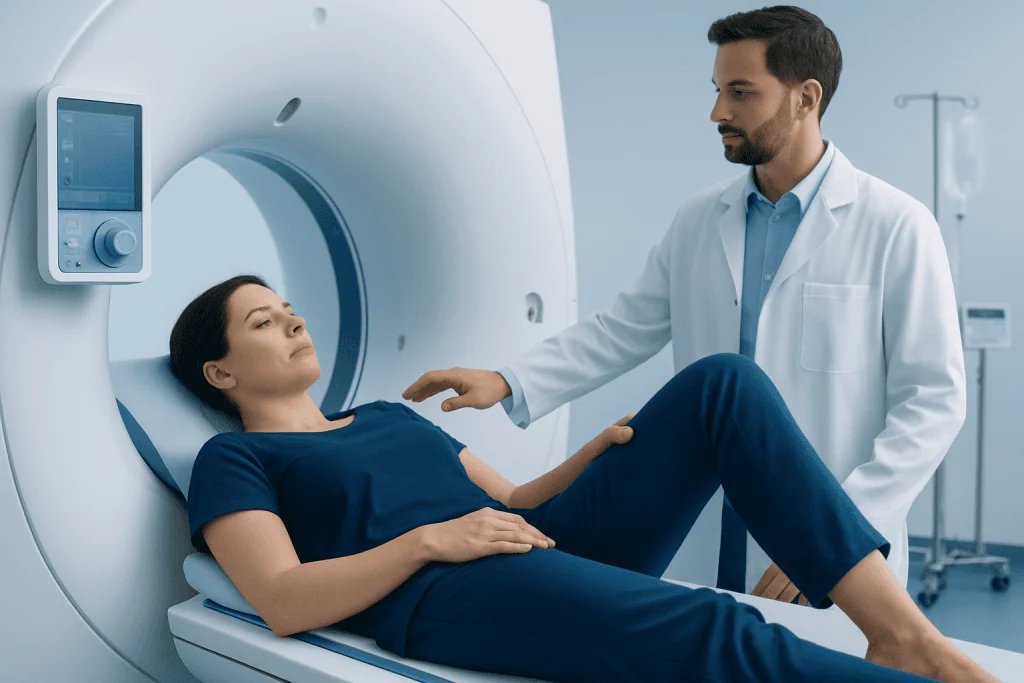
The feeling of leg pain can offer clues. Muscle-related pain often causes soreness, tightness, tenderness, or cramps, especially after exercise or a sudden movement. Joint-related pain may feel deeper and can be linked with stiffness, swelling, or reduced motion around the knee, hip, or ankle. Nerve pain is more likely to be burning, electric, tingling, or associated with numbness.
The exact location also matters. Pain in the calf may be due to a strain, cramp, tendon problem, circulation issue, or, less commonly, a clot. Pain in the back of the thigh can be related to hamstring injury or irritation from the lower spine. Pain that starts in the buttock and travels down the leg can suggest sciatica, a form of nerve irritation often discussed with sciatica.
Associated symptoms are especially important. Swelling, warmth, and redness may point toward inflammation, injury, or a circulation problem. Weakness or foot drop can suggest nerve involvement. Fever, skin changes, or an open wound raise concern for infection. Symptoms in both legs may sometimes relate to overuse, spinal narrowing, or systemic conditions rather than a single local injury.
- Aching after activity may suggest overuse or muscle strain.
- Pain with walking that improves with rest may suggest a circulation problem.
- Night cramps may be linked to dehydration, muscle fatigue, or medication effects.
- Burning, numbness, or shooting pain may suggest nerve irritation.
Most common leg pain causes

The most frequent leg pain causes are musculoskeletal. These include muscle strain, delayed soreness after exercise, tendonitis, ligament sprain, shin splints, and joint inflammation. Cramping can occur after exertion, dehydration, prolonged standing, or mineral imbalance. People with flat feet, poor footwear, sudden increases in exercise, or physically demanding jobs may be more likely to develop these problems.
Joint and bone conditions can also be responsible. <a href="https://acibademinternational.com/diseases/knee-osteoarthritis/”>Knee osteoarthritis, hip arthritis, bursitis, stress fractures, and overuse injuries may all cause leg pain, especially during movement. Sometimes pain from the hip is felt in the thigh or even near the knee, which can make the true source less obvious. Persistent joint symptoms may lead doctors to assess for arthritis or related wear-and-tear conditions.
Nerve-related causes include sciatica, spinal stenosis, and peripheral neuropathy. In these situations, pain may travel, burn, tingle, or come with weakness or altered sensation. Metabolic disorders, vitamin deficiencies, diabetes, and some medications can contribute to nerve symptoms. Vascular causes are another category and include poor circulation in the arteries and problems in the veins.
Less common but important causes include deep vein thrombosis, skin or soft tissue infection, inflammatory muscle disease, and, rarely, tumors affecting bone or soft tissue. These are not the most likely explanation for routine aches, but they need consideration when pain is severe, progressive, associated with swelling, or accompanied by fever, unexplained weight loss, or inability to bear weight.
Blood flow, nerve, and spine-related causes to know
Circulation problems can produce very specific patterns. Peripheral artery disease may cause cramping, heaviness, or fatigue in the calf, thigh, or buttock during walking that improves after a short rest. This happens because the leg muscles are not receiving enough blood during activity. Some people also notice cool skin, slower-healing wounds, or a color change in the foot.
Vein problems can look different. A deep vein thrombosis, or DVT, may cause swelling in one leg, pain or tenderness, warmth, and redness, although symptoms can vary. DVT is important because part of the clot can travel to the lungs. That is why one-sided swelling with pain, especially after travel, surgery, immobility, pregnancy, or active cancer, should be assessed promptly. If circulation is a concern, doctors may evaluate for peripheral artery disease or use vascular testing.
Back and nerve conditions often cause pain that radiates. A bulging disc or spinal narrowing can press on nerves and trigger pain from the lower back into the buttock, thigh, calf, or foot. The discomfort may worsen with sitting, coughing, or certain movements and may come with numbness or weakness. Depending on findings, evaluation can include physical therapy, spine imaging, and, in selected cases, neurosurgical care or orthopedic assessment.
How doctors diagnose the cause
Diagnosis begins with a medical history and physical exam. A doctor will ask when the pain started, what makes it better or worse, whether there was an injury, and whether there are symptoms such as swelling, fever, shortness of breath, numbness, or weakness. The exam may include checking joints, muscles, pulses, skin temperature, sensation, and walking pattern.
Not every person with leg pain needs tests. If the cause appears to be a mild strain or overuse injury, early imaging may not be necessary. However, tests may be helpful when symptoms are severe, persistent, unexplained, or suggest a more serious cause. Blood tests can help look for infection, inflammation, or muscle injury. An ultrasound may be used if a blood clot is suspected.
X-rays can assess bone injury or arthritis, while MRI can provide more detail about muscles, tendons, ligaments, and nerves. If poor circulation is suspected, doctors may order ankle-brachial index testing or vascular ultrasound. In cases of significant or ongoing pain, imaging and specialist review through radiology services can help clarify the diagnosis and guide treatment.
Treatment options depend on the cause
Treatment for leg pain is based on the underlying problem rather than the symptom alone. Mild strains and overuse injuries often improve with relative rest, short-term activity modification, cold packs early on, gradual stretching, and a careful return to normal movement. Supportive shoes, hydration, and correction of training errors can also help. Some people may benefit from physical therapy to improve strength, flexibility, and posture.
Joint and tendon conditions may respond to exercise-based rehabilitation, weight management if appropriate, and anti-inflammatory strategies recommended by a clinician. Nerve-related pain may be treated with targeted physical therapy, management of underlying metabolic conditions, and in some cases medication or specialist procedures. If pain appears linked to the back or a structural issue, treatment may involve spine or orthopedic evaluation.
Circulation-related leg pain requires a different approach. A blood clot may need urgent anticoagulation and monitoring, while peripheral artery disease often involves cardiovascular risk reduction, walking programs, and selected procedures to restore blood flow. In situations involving blocked blood vessels, specialists may recommend assessment through cardiovascular surgery when appropriate.
When symptoms are persistent, severe, or not clearly explained, coordinated care may be helpful. Near the end of the care pathway, some international patients choose Acibadem International, where multidisciplinary specialists in JCI-accredited hospitals evaluate leg pain from orthopedic, neurological, and vascular perspectives.
Self-care, prevention, and daily habits
Not all leg pain can be prevented, but many everyday triggers can be reduced. Warm-up before exercise, increase activity gradually, and use proper technique during sports or lifting. Supportive footwear that fits well can reduce stress on the feet, calves, knees, and hips. If a person sits for long periods, regular movement breaks can reduce stiffness and improve circulation.
Hydration may help lower the chance of exercise-related cramps in some people, and balanced nutrition supports muscle and nerve health. Stretching and strengthening programs may be useful for recurrent muscle tightness or overuse injuries, especially when guided by a clinician or therapist. Managing long-term conditions such as diabetes, high blood pressure, or high cholesterol also helps lower the risk of nerve and circulation-related leg pain.
At home, it is sensible to avoid pushing through severe pain. Rest from the activity that triggered symptoms, but do not stay completely inactive for long unless a doctor advises it. Gentle movement often supports recovery better than prolonged immobility. If pain keeps returning, changes in walking pattern, training plan, or workstation setup may be needed.
When to seek medical care
Medical advice is appropriate if leg pain lasts more than a few days, keeps coming back, disrupts sleep, or makes walking difficult. A clinician should also assess pain that follows a significant injury, especially if there is swelling, bruising, deformity, or inability to bear weight. Ongoing numbness, tingling, or weakness should not be ignored because these symptoms may suggest nerve involvement.
Urgent medical attention is needed for one-sided leg swelling with pain, redness, or warmth; sudden severe pain; a pale or cold limb; new loss of strength; fever with leg redness; or chest pain and shortness of breath. These patterns can be signs of a blood clot, reduced blood supply, serious infection, or another condition needing prompt treatment. When in doubt, it is safest to seek professional evaluation rather than self-diagnose.
Frequently asked questions
What are the most common leg pain causes?
The most common causes are muscle strain, overuse, cramps, tendon irritation, and joint problems such as knee or hip arthritis. Pain can also come from the lower back, where irritated nerves may send symptoms into the leg.
How can a person tell if leg pain is muscular or nerve-related?
Muscle pain is often sore, tight, or tender and may follow exercise or an awkward movement. Nerve pain is more likely to burn, shoot, tingle, or come with numbness or weakness. A medical exam is the best way to distinguish them when symptoms are unclear.
When is leg pain an emergency?
Urgent care is needed if leg pain comes with sudden swelling, redness, warmth, a cold or pale foot, severe weakness, chest pain, or shortness of breath. These symptoms can suggest a blood clot, reduced blood flow, or another serious condition.
Can dehydration cause leg pain?
Yes. Dehydration can contribute to muscle cramps, especially during or after exercise, in hot weather, or after prolonged activity. However, dehydration is only one possible explanation, and repeated or severe symptoms should be checked by a doctor.
Why does leg pain happen during walking but improve with rest?
This pattern can happen with overuse injuries, but it may also suggest reduced blood flow from peripheral artery disease. A doctor may ask about walking distance, check pulses, and order circulation tests if needed.
Should persistent leg pain be imaged with an X-ray or MRI?
Not always. Imaging depends on the suspected cause, the duration of symptoms, and whether there are warning signs such as injury, swelling, weakness, or inability to bear weight. X-rays are useful for bones and arthritis, while MRI is better for soft tissues and nerves.
References
- American Academy of Orthopaedic Surgeons
- Centers for Disease Control and Prevention
- National Heart, Lung, and Blood Institute
- National Institute of Arthritis and Musculoskeletal and Skin Diseases
- MedlinePlus
This article is for general information only and is not a substitute for professional medical advice. Please consult a qualified doctor about your individual situation.
Joint and spine care in Turkey — expert assessment & treatment
JCI-accredited · board-certified surgeons · reply within 24h
Add us as a Preferred Source to see more of our trusted health content across Google Search, AI Overviews and Discover.