Low Grade Fever — Explained by Medical Evidence, Not Myths

A low grade fever usually means body temperature is mildly above normal, not extremely high. Common causes include viral infections, minor bacterial infections, inflammation, medications, or overheating.
Key Takeaways
- A low grade fever usually means body temperature is mildly above normal, not extremely high.
- Common causes include viral infections, minor bacterial infections, inflammation, medications, or overheating.
- The fever itself is often less important than associated symptoms such as breathing trouble, rash, dehydration, or persistent pain.
- Care at home may include fluids, rest, light clothing, and checking temperature correctly.
- Medical advice is important for infants, older adults, immunocompromised people, or fever that lasts longer than expected.
A low grade fever is a small increase in body temperature that often happens when the body is responding to infection, inflammation, or another temporary trigger. In many cases it is not dangerous on its own, but the pattern of symptoms, duration, and a person’s age or medical history help determine whether medical evaluation is needed.
What a Low Grade Fever Usually Means
A low grade fever is a mild rise in body temperature, commonly understood as a temperature that is above a person’s usual normal range but not very high. For many adults, this often falls around 99.5°F to 100.9°F (37.5°C to 38.3°C), although exact cutoffs vary by age, the thermometer method used, and the time of day. Body temperature naturally changes throughout the day, so one reading does not always tell the whole story.
From a medical perspective, fever is not an illness by itself. It is a sign that the immune system may be responding to something, such as a viral infection, inflammation, or another stress on the body. A low grade fever is often short-lived and may improve as the underlying cause resolves.
What matters most is context. A mildly elevated temperature with a runny nose and fatigue may suggest a simple viral illness, while the same temperature with confusion, shortness of breath, or severe pain may need prompt evaluation. This is why clinicians look at the full picture rather than the number alone.
How Body Temperature Is Measured and Interpreted
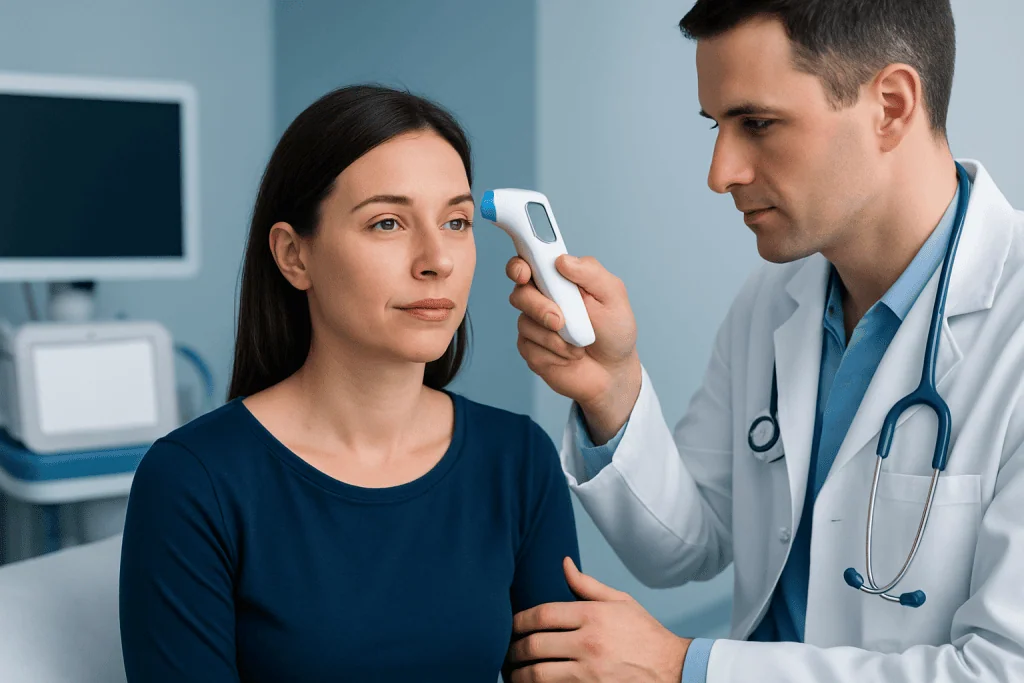
Body temperature can be measured in different ways, including orally, under the arm, in the ear, on the forehead, or rectally. These methods do not produce identical results. Rectal temperatures tend to read slightly higher, while underarm readings can be lower and less precise. If a reading seems unexpected, repeating it after a short interval with the same method can be helpful.
Normal temperature is also not the same for every person. Activity, warm environments, menstrual cycle changes, dehydration, and the time of day can all affect the reading. Children may show wider variation than adults, and older adults sometimes have a lower baseline temperature, meaning even a modest rise may be meaningful.
For this reason, a low grade fever is best interpreted as a trend rather than a single isolated number. A temperature that stays mildly elevated for several days, or rises together with worsening symptoms, usually gives more useful information than one brief increase.
Common Causes and Risk Factors

The most common cause of a low grade fever is infection. Viral illnesses such as colds, flu-like infections, COVID-19, and other upper respiratory infections often cause a mild temperature rise along with fatigue, sore throat, cough, or body aches. Some bacterial infections, including sinus infections, urinary tract infections, and mild skin infections, can also start this way.
Not every low grade fever is caused by infection. Inflammation from autoimmune conditions, recovery after vaccination, heat exhaustion, teething misconceptions in children, medication reactions, and even prolonged strenuous exercise can affect body temperature. Some chronic illnesses may also lead to a recurring mild fever, especially when inflammation is active.
Certain groups deserve closer attention if a low grade fever develops. These include infants, older adults, pregnant people, people receiving chemotherapy, transplant recipients, and anyone with a weakened immune system. In these situations, even a small fever may be more important because the body may respond differently to infection.
Sometimes a mild fever is linked to a known condition that may need specialist assessment, such as sinusitis or a respiratory illness like pneumonia. The fever pattern, accompanying symptoms, and medical history help guide what should be investigated first.
Symptoms That Can Come With a Low Grade Fever
A low grade fever may come with general symptoms such as tiredness, chills, sweating, mild headache, reduced appetite, or muscle aches. In children, irritability, sleepiness, or lower activity may be more noticeable than the temperature itself. Some people feel warm and uncomfortable even with only a slight increase in temperature, while others have very few symptoms.
The associated symptoms often point more clearly to the underlying cause. A sore throat, nasal congestion, and cough may suggest a viral upper respiratory infection. Burning with urination may suggest a urinary infection. A rash, joint pain, or swollen glands may raise the possibility of an inflammatory or infectious process that needs medical review.
It can also help to watch for how the symptoms change over time. Improvement within a day or two often supports a self-limited illness, while persistent or progressive symptoms deserve more attention. Symptoms such as repeated vomiting, significant weakness, dehydration, severe localized pain, or breathing difficulty are more important than the degree of fever alone.
- Common accompanying symptoms: fatigue, mild chills, body aches, headache
- Respiratory clues: cough, sore throat, congestion, chest discomfort
- Digestive clues: nausea, diarrhea, abdominal pain
- Other clues: rash, painful urination, swollen lymph nodes, joint pain
How Doctors Evaluate a Low Grade Fever
Doctors usually begin by asking how long the fever has been present, how it was measured, and what other symptoms are occurring. They also ask about recent travel, sick contacts, medications, vaccination history, chronic illnesses, and possible exposure to infections. This history often provides the most valuable clues.
A physical examination may focus on the throat, ears, lungs, abdomen, skin, lymph nodes, and hydration status. If the person appears well and symptoms suggest a routine viral illness, extensive testing may not be necessary right away. In other situations, the clinician may recommend blood tests, urine tests, throat or nasal swabs, or imaging such as a chest X-ray.
The purpose of testing is not to treat the fever itself, but to identify its cause when needed. For example, if symptoms point to a bacterial infection, targeted treatment may be considered. If the cause is unclear or symptoms are prolonged, the evaluation may be broadened to look for inflammatory, autoimmune, or less common infectious conditions.
When imaging or specialist assessment is needed, it may be part of a broader workup related to a comprehensive medical check-up or to evaluate concerns such as ongoing respiratory symptoms with chest diseases assessment.
Treatment and Home Care
Treatment depends on the cause, not just the temperature reading. Many low grade fevers caused by viral infections improve with rest, hydration, light meals, and time. Drinking enough fluids is especially important because fever can increase fluid loss through sweating and faster breathing. Wearing light clothing and keeping the room comfortably cool may also help.
Some people use over-the-counter fever-reducing medicine for comfort, especially if there are aches or headache. In general, these medicines should be used according to a doctor’s advice or the product instructions, and extra caution is needed for children, older adults, pregnant people, and those with liver, kidney, or stomach conditions. Aspirin is not appropriate for many children and teenagers because of safety concerns.
Antibiotics do not treat viral infections and should only be used when prescribed for a likely bacterial cause. If the fever is linked to another condition, treatment may focus on that issue. For example, management could involve IV antibiotic therapy for selected infections under medical supervision, or a respiratory-focused plan if there is concern about pulmonology evaluation.
At home, it can be useful to track the temperature, note the timing of symptoms, and watch for warning signs. This information can help a doctor decide whether the illness is following a typical course or needs further investigation.
Prevention and Practical Self-Care
Not all low grade fevers can be prevented, but everyday health measures reduce the risk of many common causes. Regular handwashing, good sleep, balanced nutrition, staying up to date with recommended vaccines, and avoiding close contact with people who are sick can lower the chance of viral and bacterial infections. Safe food handling and drinking enough water are also simple but important habits.
Temperature should be interpreted carefully at home. A person who feels generally well with a mild temperature rise may only need monitoring, fluids, and rest. Rechecking the temperature after hydration and a period of rest may prevent unnecessary worry, especially if the first reading was taken after exercise or in a hot environment.
People with chronic medical conditions should follow their doctor’s advice about when fever matters more. This is particularly important for those with weakened immunity, recent surgery, cancer treatment, or implanted medical devices. In these cases, low grade fever can be an early signal that deserves quicker review than it would in an otherwise healthy adult.
When to Seek Medical Care
A low grade fever often improves without complications, but medical advice is important in certain situations. A doctor should be contacted if the fever lasts several days, keeps returning without a clear cause, or occurs together with worsening symptoms such as persistent cough, severe sore throat, ear pain, painful urination, abdominal pain, or a spreading rash.
Prompt medical care is needed if there is trouble breathing, chest pain, confusion, unusual drowsiness, seizures, dehydration, stiff neck, severe weakness, or inability to keep fluids down. Infants, frail older adults, pregnant people, and people with weakened immune systems should seek advice sooner, even with a mild fever, because the underlying cause may need early treatment.
If symptoms do not fit a typical minor illness or recovery is slower than expected, a structured medical evaluation can help clarify the cause. Near the end of the care pathway, patients may also benefit from coordinated assessment by multidisciplinary specialists; Acibadem International’s JCI-accredited hospitals provide diagnosis and treatment for international patients when further evaluation is needed.
Frequently asked questions
What temperature counts as a low grade fever?
A low grade fever generally means body temperature is mildly above normal but not very high. In adults, this is often around 99.5°F to 100.9°F, though the exact range depends on the person and the method used to measure temperature.
Is a low grade fever dangerous?
By itself, a low grade fever is often not dangerous and commonly happens with mild viral infections. What matters more is the cause, how long it lasts, and whether it comes with warning signs such as breathing difficulty, confusion, dehydration, or severe pain.
How long can a low grade fever last?
A short-lived low grade fever may last one to a few days with a routine viral illness. If it continues beyond several days, keeps returning, or is accompanied by worsening symptoms, medical evaluation is advisable.
Should a low grade fever always be treated with medicine?
Not always. If the person is comfortable, drinking fluids, and otherwise stable, rest and monitoring may be enough. Fever-reducing medicine may help with discomfort, but it should be used appropriately and does not replace treatment of the underlying cause.
Can stress or lack of sleep cause a low grade fever?
Stress and poor sleep can affect how a person feels and may slightly influence temperature regulation, but they are not common direct causes of true fever. A persistent elevated temperature should not automatically be blamed on stress without considering infection, inflammation, or other medical causes.
When should parents call a doctor about a child with a low grade fever?
Parents should seek advice sooner for infants, for children who are very sleepy, dehydrated, breathing fast, or not acting normally, and for fever that does not improve as expected. The child’s age, overall behavior, fluid intake, and other symptoms are more important than the number alone.
References
- World Health Organization
- Centers for Disease Control and Prevention
- American Academy of Pediatrics
- Mayo Clinic
- National Health Service
This article is for general information only and is not a substitute for professional medical advice. Please consult a qualified doctor about your individual situation.
Explore treatments in Turkey — costs, top hospitals & a free quote
JCI-accredited · board-certified surgeons · reply within 24h
Add us as a Preferred Source to see more of our trusted health content across Google Search, AI Overviews and Discover.