Lung Infections: Types, Symptoms, and How They Are Diagnosed

Lung infections may be caused by viruses, bacteria, fungi, or, less commonly, parasites. Common symptoms include cough, fever, chest discomfort, fatigue, and shortness of breath.
Key Takeaways
- Lung infections may be caused by viruses, bacteria, fungi, or, less commonly, parasites.
- Common symptoms include cough, fever, chest discomfort, fatigue, and shortness of breath.
- Doctors diagnose lung infections using medical history, physical examination, and tests such as chest imaging or sputum analysis.
- Treatment depends on the cause and may include rest, fluids, symptom relief, antibiotics, or hospital care in more severe cases.
- Older adults, infants, smokers, and people with chronic lung disease or weakened immunity may have a higher risk of complications.
Lung infections are common illnesses that affect the airways or lung tissue and can range from mild to serious. Understanding the different types, symptoms, and diagnostic tests can help people seek timely care and support recovery.
Overview of Lung Infections
Lung infections are illnesses that affect the respiratory system, including the airways and the lung tissue itself. They can involve the large breathing tubes, the smaller airways, or the air sacs where oxygen passes into the blood. These infections are common and may be mild, such as a short-lived viral illness, or more serious, such as pneumonia.
The term lung infection covers several conditions rather than a single disease. Examples include bronchitis, bronchiolitis, and pneumonia. Some infections mainly irritate the airways, while others cause inflammation deeper in the lungs. The type of infection often influences the symptoms, how it is diagnosed, and the treatment approach.
Lung infections can be caused by different germs, most often viruses or bacteria. Fungal infections are less common and tend to occur more often in people with weakened immune systems or certain environmental exposures. Because symptoms can overlap with asthma, chronic obstructive pulmonary disease, influenza, or COVID-19, medical evaluation may be important when symptoms are persistent or severe.
Types and Common Symptoms
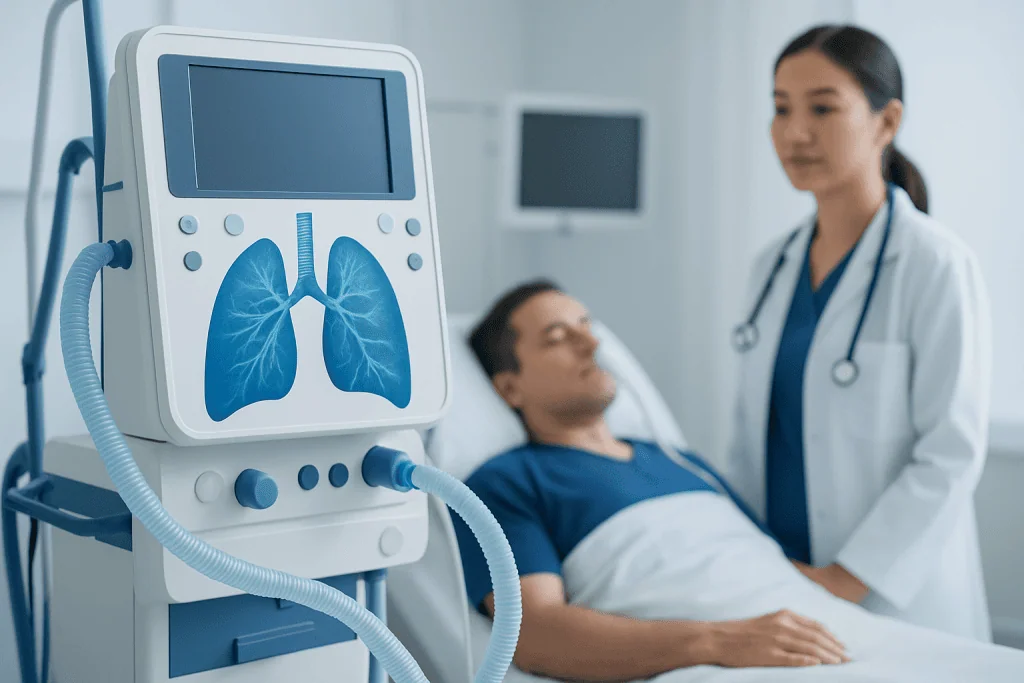
Different lung infections may feel similar at first, but there are some patterns doctors look for. Acute bronchitis often causes cough, mucus production, chest discomfort, and tiredness, usually after a viral upper respiratory infection. Pneumonia may cause fever, chills, cough, shortness of breath, and pain when breathing deeply. Bronchiolitis is more common in infants and young children and can cause wheezing, feeding difficulty, and fast breathing.
Symptoms can vary depending on the person’s age, overall health, and the germ involved. Some people mainly have a dry cough and fatigue, while others develop high fever, thicker mucus, or more noticeable breathing problems. Older adults may not always have a high fever and may instead appear weak, confused, or less active than usual.
Common symptoms of lung infections include:
- Cough, with or without mucus
- Fever or chills
- Shortness of breath or rapid breathing
- Chest pain or discomfort, especially with coughing or deep breaths
- Wheezing or noisy breathing
- Fatigue and body aches
- Reduced appetite
Symptoms such as blue lips, severe breathing difficulty, confusion, or inability to drink fluids need urgent medical attention. Even milder symptoms should be assessed if they last longer than expected or are worsening instead of improving.
Causes and Risk Factors
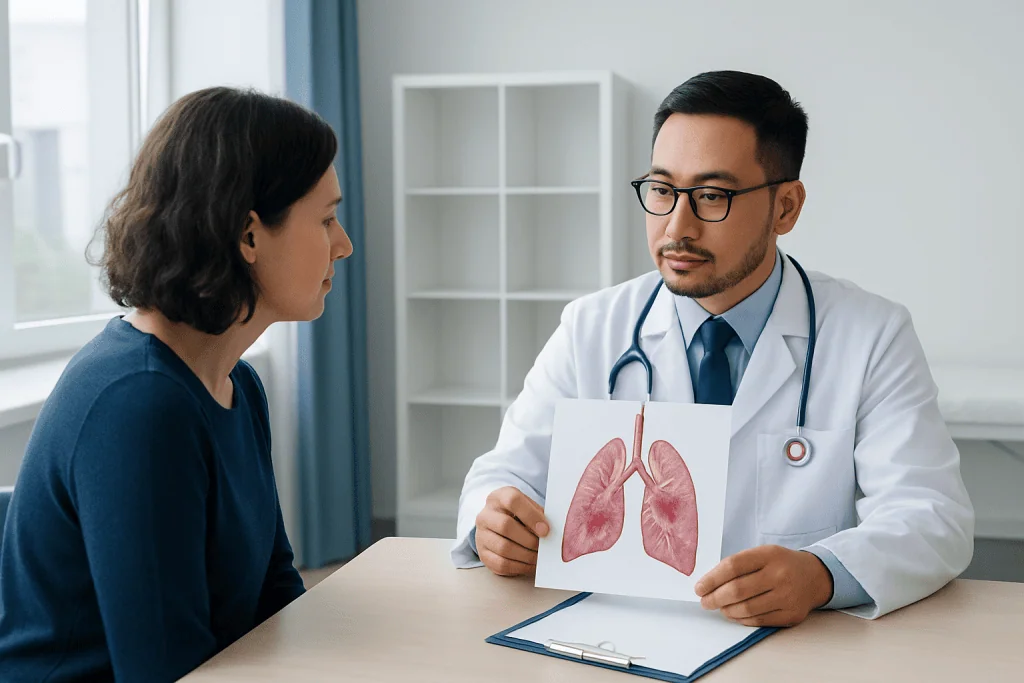
Most lung infections are caused by viruses or bacteria. Viral causes include influenza, respiratory syncytial virus, and other common respiratory viruses. Bacterial infections may sometimes develop on their own or after a viral illness has weakened the respiratory tract. Fungi can also infect the lungs, especially in people with reduced immune defenses or certain occupational or environmental exposures.
These infections spread in several ways. Germs may travel through droplets released when an infected person coughs or sneezes, through close contact, or by touching contaminated surfaces and then touching the face. In some cases, a person may inhale organisms from the environment. Aspiration, where food, liquid, or stomach contents enter the lungs, can also lead to infection in vulnerable individuals.
Several factors can increase the risk of developing a lung infection or having a more complicated illness:
- Older age or infancy
- Smoking or exposure to secondhand smoke
- Chronic lung diseases such as asthma or COPD
- Heart disease, diabetes, or kidney disease
- Weakened immune system due to illness or medication
- Recent viral infection
- Hospitalization or reduced mobility
- Difficulty swallowing or aspiration risk
Risk factors do not mean a person will definitely become seriously ill, but they can help explain why doctors may recommend earlier assessment, closer monitoring, or more testing in some cases.
How Lung Infections Are Diagnosed
Diagnosis begins with a careful medical history and physical examination. A doctor will usually ask when symptoms started, whether there is fever, what the cough is like, and whether there has been exposure to sick contacts, recent travel, or underlying medical conditions. During the examination, the doctor may listen to the lungs with a stethoscope for crackles, wheezing, or reduced breath sounds and check breathing rate, temperature, and oxygen levels.
Not every lung infection needs extensive testing. Mild viral infections may be diagnosed clinically based on symptoms and examination alone. However, if pneumonia is suspected, symptoms are severe, oxygen levels are low, or the person is in a higher-risk group, additional tests may be recommended to confirm the diagnosis and identify the likely cause.
Tests that may be used include:
- Chest X-ray to look for signs of pneumonia or other lung changes
- Blood tests to assess inflammation or infection
- Sputum testing to analyze mucus coughed up from the lungs
- Nasal or throat swabs for viral testing
- Pulse oximetry to measure blood oxygen level
- In some cases, CT scanning for a more detailed lung image
- Bronchoscopy in selected complex cases, using bronchoscopy to examine the airways and collect samples
These tests help doctors distinguish a lung infection from other conditions such as heart failure, pulmonary embolism, or noninfectious inflammatory lung diseases. They also support decisions about whether home care is appropriate or whether hospital treatment is safer.
Treatment Options
Treatment depends on the type of lung infection, how severe it is, and the person’s general health. Many viral infections improve with supportive care, including rest, fluids, fever control, and monitoring of symptoms. Bacterial infections may require antibiotics, while fungal infections need specific antifungal medicines prescribed by a specialist.
Doctors also focus on easing breathing symptoms and preventing complications. Depending on the situation, treatment may include inhaled medicines for wheezing, oxygen support for low oxygen levels, or intravenous fluids if a person is unable to drink enough. Some people recover safely at home, but others need hospital care, particularly if breathing is difficult or the infection is affecting oxygen levels.
People with repeated infections or structural problems in the lungs may need further evaluation. In selected cases, specialists may use pulmonary function tests after recovery to understand whether there is underlying lung disease contributing to symptoms. If a serious or persistent infection has damaged part of the lung, thoracic surgery is rarely considered, but this is not routine for most infections.
It is important to use prescribed medicines exactly as directed and not to stop treatment early without medical advice. Self-treating with leftover antibiotics is not recommended, because not all lung infections are bacterial and the wrong medication may delay proper care.
Prevention and Self-Care
Many lung infections cannot be prevented completely, but simple steps can lower risk. Good hand hygiene, avoiding close contact with people who are acutely ill, and covering coughs and sneezes all help limit spread. Vaccination is also an important preventive measure for eligible groups, particularly vaccines recommended for influenza, pneumococcal disease, and other respiratory infections.
Healthy daily habits support the lungs and immune system. Not smoking, reducing exposure to pollutants, staying physically active, sleeping well, and managing long-term conditions such as asthma or diabetes can all reduce the chance of more severe illness. People who use inhalers or other chronic respiratory medications should take them as prescribed to keep their lungs as stable as possible.
At home, self-care usually includes drinking enough fluids, resting, and using medicines for fever or discomfort as advised by a healthcare professional. A person should avoid smoking and heavy exertion while recovering. If symptoms are not improving after a few days, or if they are getting worse, medical review is appropriate rather than waiting too long.
Near the end of the diagnostic and treatment journey, some patients may benefit from coordinated specialist care. Acibadem International’s multidisciplinary specialists and JCI-accredited hospitals diagnose and treat lung infections and related respiratory conditions for international patients when more advanced evaluation is needed.
When to See a Doctor
A doctor should be consulted if a cough is persistent, fever is high or prolonged, breathing feels harder than usual, or there is chest pain with breathing. Medical advice is also important for babies, older adults, pregnant individuals, and people with chronic illnesses or weakened immunity, because infections may progress more quickly in these groups.
Urgent care is needed for signs of severe illness. These include shortness of breath at rest, confusion, bluish lips or fingertips, marked drowsiness, inability to keep fluids down, or a drop in oxygen levels if they are being monitored at home. Rapid assessment helps doctors decide whether oxygen, hospital treatment, or additional testing is needed.
Even after treatment begins, follow-up may be recommended if symptoms do not improve as expected. A lingering cough can be normal for a period after some infections, but persistent fever, worsening breathlessness, or repeated infections should not be ignored. Early reassessment can help identify complications or another diagnosis that may need attention.
Frequently asked questions
What is the difference between a lung infection and a chest cold?
A chest cold usually refers to a milder infection affecting the larger airways, often causing cough and mucus. A lung infection can involve deeper parts of the respiratory system, such as the smaller airways or the air sacs, and may cause more significant fever, shortness of breath, or pneumonia.
Can lung infections go away on their own?
Some viral lung infections improve with rest, fluids, and symptom care at home. However, not all lung infections are mild, so worsening symptoms, breathing difficulty, or prolonged fever should be assessed by a doctor.
How do doctors tell if a lung infection is viral or bacterial?
Doctors use a combination of symptoms, examination findings, and sometimes tests such as chest X-rays, blood tests, or sputum samples. In many cases, the exact cause is not confirmed immediately, but the overall pattern helps guide treatment.
Are antibiotics always needed for lung infections?
No. Antibiotics work against bacterial infections, but they do not treat viral infections. A doctor decides whether antibiotics are appropriate based on the likely cause, the severity of symptoms, and the person’s risk of complications.
How long does recovery usually take?
Recovery time depends on the type of infection, age, and overall health. Some mild infections improve within days, while pneumonia and more severe infections can take weeks for energy levels and cough to return to normal.
Who is most at risk for serious lung infections?
Infants, older adults, smokers, and people with chronic lung disease, heart disease, diabetes, or weakened immunity are more likely to have complications. These groups should seek medical advice early if symptoms suggest a lung infection.
References
- World Health Organization
- Centers for Disease Control and Prevention
- National Heart, Lung, and Blood Institute
- American Lung Association
- European Respiratory Society
This article is for general information only and is not a substitute for professional medical advice. Please consult a qualified doctor about your individual situation.
Lung Infection in Turkey — costs, top hospitals & a free quote
JCI-accredited · board-certified surgeons · reply within 24h
Add us as a Preferred Source to see more of our trusted health content across Google Search, AI Overviews and Discover.