Mediastinal Lymphadenopathy: Diagnosis, Outlook, and Modern Treatment Approaches

Mediastinal lymphadenopathy is enlarged lymph nodes in the mediastinum, the area between the lungs. It can be caused by infections, inflammatory conditions, or cancers, so evaluation focuses on finding the reason.
Key Takeaways
- Mediastinal lymphadenopathy is enlarged lymph nodes in the mediastinum, the area between the lungs.
- It can be caused by infections, inflammatory conditions, or cancers, so evaluation focuses on finding the reason.
- Diagnosis often involves imaging, blood tests, and sometimes bronchoscopy or biopsy.
- Treatment is directed at the cause, not just the enlarged lymph nodes themselves.
- Prompt medical review is important if symptoms include breathing trouble, chest pain, fever, weight loss, or persistent cough.
Mediastinal lymphadenopathy means lymph nodes in the central part of the chest are enlarged. It is a finding rather than a diagnosis, and the outlook depends on the underlying cause, which may include infection, inflammation, or cancer.
Overview
Mediastinal lymphadenopathy refers to enlarged lymph nodes in the mediastinum, the space in the chest between the lungs that contains the heart, major blood vessels, trachea, esophagus, and other structures. In many cases, it is first noticed on a chest X-ray or CT scan performed for cough, chest symptoms, infection, cancer staging, or another reason.
This term does not describe one single disease. Instead, it is a clinical finding that can happen for different reasons, including temporary infections, long-standing inflammatory conditions, and cancers. Because the possible causes vary widely, the most important next step is to determine why the lymph nodes are enlarged.
The outlook for mediastinal lymphadenopathy depends on the underlying condition, the size and pattern of the lymph nodes, and whether there are related symptoms or findings elsewhere in the body. Many causes are treatable, and some cases require only observation and follow-up imaging, while others need a more detailed workup.
How mediastinal lymphadenopathy may feel or be discovered
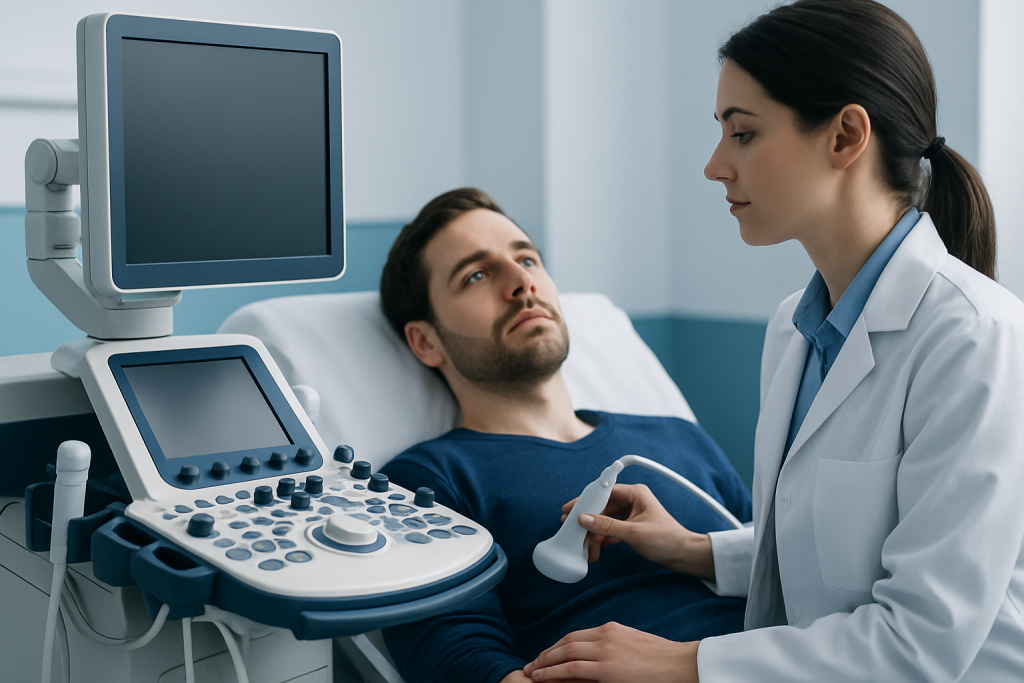
Mediastinal lymphadenopathy may not cause any symptoms at all. Some people learn about it only after imaging is done for another reason. When symptoms do occur, they are often related either to the underlying condition or to pressure from enlarged lymph nodes on nearby structures in the chest.
Possible symptoms can include a persistent cough, shortness of breath, wheezing, chest discomfort, fever, night sweats, tiredness, or unintentional weight loss. If lymph node enlargement is associated with a lung condition, symptoms such as repeated chest infections, coughing up blood, or reduced exercise tolerance may also be present.
Doctors pay close attention not only to symptoms but also to the pattern on imaging. For example, whether the lymph nodes are on one side or both sides, whether they are mildly or markedly enlarged, and whether there are accompanying lung changes can offer clues about the cause.
- Some people have no symptoms and are diagnosed incidentally.
- Respiratory symptoms may suggest pressure on the airway or a lung-related cause.
- Systemic symptoms such as fever or weight loss can point toward infection, inflammation, or cancer.
Common causes and risk factors

There are several broad categories of causes. Infections are one of the most common, including viral illnesses, bacterial infections, fungal infections, and tuberculosis in some settings. Inflammatory or immune-related conditions such as sarcoidosis can also lead to enlarged lymph nodes in the chest. Another important group includes cancers, such as lymphoma, lung cancer, or cancers that have spread from another part of the body.
The patient’s age, medical history, smoking status, travel history, immune status, occupational exposures, and associated imaging findings all help narrow the possibilities. A history of known cancer raises concern for spread or recurrence. Exposure to tuberculosis, certain fungi, or environmental irritants may also be relevant.
Sometimes the lymph nodes enlarge because they are reacting to inflammation nearby rather than being directly diseased themselves. For example, chronic lung disease, pneumonia, or autoimmune conditions may trigger reactive lymph node enlargement. Distinguishing reactive changes from more serious causes is an important part of the evaluation.
- Infectious causes: viral infections, bacterial pneumonia, tuberculosis, fungal disease
- Inflammatory causes: sarcoidosis, autoimmune disorders
- Malignant causes: lymphoma, lung cancer, metastatic cancer
- Reactive causes: inflammation related to nearby lung or airway disease
How doctors diagnose the cause
Diagnosis begins with a careful medical history and physical examination. The doctor asks about cough, fever, smoking, prior cancers, travel, medication use, occupational exposures, and symptoms such as weight loss or fatigue. Blood tests may be used to look for signs of infection, inflammation, or other clues, but they usually cannot identify the cause on their own.
Imaging is central to evaluation. A chest X-ray may first suggest enlarged lymph nodes, but CT scanning gives a much clearer picture of their size, location, number, and relationship to nearby structures. In some cases, PET-CT may be used to assess metabolic activity, especially when cancer is a concern, although it cannot by itself prove whether a node is malignant or benign.
When tissue is needed, doctors often use minimally invasive procedures. Bronchoscopy with endobronchial ultrasound-guided needle sampling is commonly used to biopsy mediastinal lymph nodes through the airways. Depending on the situation, additional procedures such as mediastinoscopy, needle biopsy, or other forms of biopsy may be recommended. If a lung abnormality is also present, the workup may overlap with evaluation for lung cancer.
What the diagnosis means for outlook
The prognosis of mediastinal lymphadenopathy is linked to the underlying diagnosis rather than the enlarged nodes themselves. In many people, the cause is benign and treatable, such as a recent infection or an inflammatory condition that can be managed with medication and monitoring. In those cases, lymph nodes may return to normal size over time or remain stable without causing major problems.
When the cause is a chronic inflammatory disease, outlook depends on disease control and whether other organs are affected. If cancer is found, prognosis is determined by the type of cancer, its stage, the person’s overall health, and response to treatment. Enlarged mediastinal nodes can be especially important in staging chest cancers and planning therapy.
Doctors may recommend follow-up imaging even when the initial findings do not appear immediately dangerous. This helps confirm that the nodes are shrinking, stable, or changing in a way that needs further attention. Clear communication about why follow-up is needed can help patients understand that monitoring is often a careful, evidence-based step rather than a sign of worsening disease.
Modern treatment approaches
There is no single treatment for mediastinal lymphadenopathy because the enlarged nodes are a sign of another process. Treatment targets the cause. If an infection is responsible, the doctor may recommend appropriate antimicrobial therapy or supportive care, depending on the organism and the severity of illness. If an inflammatory condition is identified, treatment may include monitoring, corticosteroids, or other immune-modifying medicines selected by a specialist.
When cancer is the cause, treatment is individualized and may involve surgery, systemic therapy, or radiation therapy. For some patients with cancer in the chest, treatment planning may include thoracic surgery or consultation with specialists in medical oncology. The choice depends on the cancer type, biopsy results, stage, and the patient’s general health.
Modern care often uses a multidisciplinary approach involving pulmonologists, radiologists, pathologists, infectious disease specialists, oncologists, and thoracic surgeons. This coordinated model helps ensure that imaging, biopsy findings, and symptoms are interpreted together so treatment is tailored to the person’s exact diagnosis.
Self-care, follow-up, and when to seek medical care
Self-care for mediastinal lymphadenopathy mainly means supporting overall health and following the evaluation plan. Patients should attend follow-up appointments, complete recommended imaging or biopsy procedures, and report any new symptoms. Avoiding smoking and secondhand smoke is especially important because tobacco can worsen lung disease and complicate diagnosis and recovery.
People should seek medical care promptly if they have shortness of breath, chest pain, coughing up blood, persistent fever, severe fatigue, or unexplained weight loss. Ongoing cough, repeated chest infections, or symptoms that are not improving also deserve assessment. These signs do not always mean a serious illness, but they do justify timely medical review.
For international patients who need coordinated evaluation, Acibadem International’s multidisciplinary specialists and JCI-accredited hospitals diagnose and treat chest conditions, including causes of mediastinal lymphadenopathy, using modern imaging, bronchoscopy, pathology, and medical or surgical care when indicated.
Frequently asked questions
Is mediastinal lymphadenopathy cancer?
No. Mediastinal lymphadenopathy means enlarged lymph nodes in the chest, but enlargement can happen for many reasons, including infection and inflammation as well as cancer. A doctor may need imaging, lab tests, or a biopsy to determine the cause.
Can mediastinal lymphadenopathy go away on its own?
Sometimes it can, especially if it is related to a temporary infection or a mild reactive process. In other cases, it persists because the underlying cause needs treatment or closer monitoring. Follow-up with a doctor helps determine whether observation is enough.
What tests are usually done for enlarged mediastinal lymph nodes?
Doctors often start with a medical history, physical exam, blood tests, and chest imaging such as CT. If the cause is unclear or there is concern for cancer or certain infections, a bronchoscopy with needle sampling or another biopsy method may be recommended.
Is mediastinal lymphadenopathy serious?
It can be either mild or serious depending on the cause. Some cases are linked to short-lived infections, while others may be associated with inflammatory disease or cancer. The finding should be evaluated in context rather than judged by the term alone.
What symptoms should not be ignored?
Shortness of breath, chest pain, coughing up blood, persistent fever, night sweats, unexplained weight loss, or a cough that does not improve should be assessed by a doctor. These symptoms can occur with several conditions and deserve timely medical attention.
How is treatment chosen?
Treatment is based on the diagnosis causing the enlarged lymph nodes. Infection may be treated with targeted medicines, inflammatory disease may need specialist-directed therapy, and cancer may require surgery, systemic treatment, radiation therapy, or a combination of approaches.
References
- American Thoracic Society
- National Cancer Institute
- American College of Radiology
- Centers for Disease Control and Prevention
- National Heart, Lung, and Blood Institute
This article is for general information only and is not a substitute for professional medical advice. Please consult a qualified doctor about your individual situation.
Oncology care in Turkey — second opinion and treatment plan
JCI-accredited · board-certified surgeons · reply within 24h
Add us as a Preferred Source to see more of our trusted health content across Google Search, AI Overviews and Discover.