

Meibomian Gland Dysfunction: An Evidence-Based Guide for Patients

Meibomian gland dysfunction affects the oil layer of tears and is a leading cause of evaporative dry eye. Common symptoms include burning, gritty eyes, eyelid irritation, watering, and blurry vision that comes and goes.
Key Takeaways
- Meibomian gland dysfunction affects the oil layer of tears and is a leading cause of evaporative dry eye.
- Common symptoms include burning, gritty eyes, eyelid irritation, watering, and blurry vision that comes and goes.
- Warm compresses, lid hygiene, and reducing eye strain are often the first steps in care.
- An eye doctor can confirm the diagnosis and recommend treatments if symptoms persist or worsen.
- Early attention may help improve comfort and support the long-term health of the eyelids and ocular surface.
Meibomian gland dysfunction is a common eyelid condition in which the tiny oil glands along the eyelid margin do not work properly. When these glands become blocked or produce poor-quality oil, tears evaporate too quickly, leading to dryness, irritation, and fluctuating vision.
What Is Meibomian Gland Dysfunction?
Meibomian gland dysfunction, often called MGD, is a disorder of the tiny oil-producing glands located along the upper and lower eyelid margins. These glands normally release meibum, an oily substance that forms the outer layer of the tear film. This oil helps keep tears from evaporating too quickly and supports a smooth, comfortable eye surface.
When the glands become blocked, inflamed, or begin producing thicker or poorer-quality oil, the tear film becomes unstable. As a result, the eyes may feel dry, irritated, or tired even if tears are still present. In many people, MGD is closely linked with dry eye disease, especially the evaporative type.
MGD is common and can affect adults of many ages, though it becomes more frequent with age. It may be mild and intermittent or more persistent over time. Because symptoms can overlap with allergy, screen-related strain, and other eye surface problems, proper evaluation is helpful when discomfort continues.
How MGD Affects the Tear Film and Eye Comfort
The tear film has three main components: an oily layer, a watery layer, and a mucous layer. The meibomian glands are responsible for the oily layer. If this layer is insufficient or abnormal, tears evaporate faster than they should, leaving the eye surface exposed and uncomfortable.
This is why MGD often causes symptoms that seem confusing at first. Eyes may feel dry but also water excessively. Reflex tearing can happen because the surface of the eye becomes irritated, but these extra tears do not solve the underlying problem of poor oil flow. Vision may also blur temporarily, especially during reading, computer work, or prolonged focus.
Over time, untreated gland dysfunction may contribute to inflammation of the eyelid margins and ocular surface. This can make contact lens wear less comfortable and increase sensitivity to wind, air conditioning, or smoke. Understanding this mechanism helps explain why treatment often focuses on improving gland function, not simply adding more moisture.
Symptoms and Signs Patients May Notice

Symptoms of meibomian gland dysfunction can vary from person to person. Some people describe a mild gritty sensation, while others notice stinging, burning, or a feeling that the eyes are tired all the time. Symptoms often fluctuate during the day and may worsen with prolonged screen use, dry environments, or after waking.
Common symptoms and signs include:
- Dry, gritty, or sandy sensation in the eyes
- Burning or stinging
- Redness of the eyes or eyelid margins
- Crusting or debris at the base of the eyelashes
- Watery eyes
- Blurred or fluctuating vision that improves after blinking
- Sensitivity to light
- Discomfort with contact lenses
Some patients also notice swollen or tender eyelids, recurrent styes, or irritation at the lid edges. In more advanced cases, the gland openings may appear plugged, and the eyelid margin may look inflamed. These signs are best assessed by an eye specialist, especially if symptoms are recurring.
Causes and Risk Factors
MGD develops when the oil glands do not drain normally or when the oil they produce becomes too thick or altered. This can happen for several reasons, including chronic eyelid inflammation, changes in the gland structure over time, or skin conditions that affect the eyelids. Blepharitis, rosacea, and other inflammatory conditions are often associated with MGD.
Several factors may increase risk. Age is one of the best-known contributors, because gland function can decline gradually over the years. Hormonal changes, contact lens wear, and some medications may also influence tear film quality or gland secretion. Long periods of screen use can worsen symptoms because people blink less often when focused on digital devices.
Environmental and lifestyle factors also matter. Dry air, indoor heating or cooling, smoke exposure, and heavy eye makeup around the lid margin may aggravate symptoms in some individuals. In certain cases, MGD coexists with other eye surface conditions such as conjunctivitis or allergy, which can complicate the picture and make a detailed eye examination more useful.
How Doctors Diagnose Meibomian Gland Dysfunction
Diagnosis usually begins with a discussion of symptoms, daily habits, and eye history. An eye doctor may ask about screen time, contact lens use, skin conditions, prior styes, and whether symptoms are worse in particular environments. Because MGD can mimic or accompany other disorders, the pattern of symptoms is important.
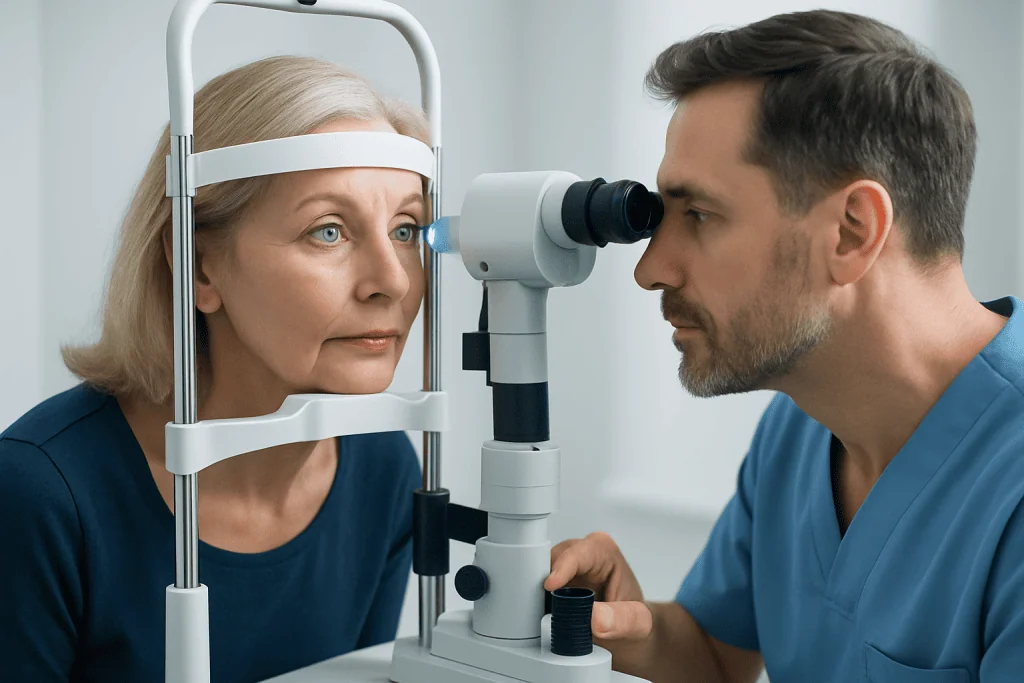
The eye examination typically includes inspection of the eyelid margins, tear film, and ocular surface. The doctor may look for blocked gland openings, thickened secretions, redness, crusting, or signs of inflammation. Gentle pressure on the eyelids may be used to assess how easily oil comes out of the glands and what quality it has.
Additional tests may help in selected cases. Tear film assessment, staining of the ocular surface, and imaging of the meibomian glands can provide more information about severity and gland structure. If symptoms are persistent, a comprehensive eye examination can also help identify related problems that may need treatment alongside MGD.
Treatment Options and Long-Term Management
Treatment depends on how severe the condition is and how much it affects daily life. For many patients, the foundation of care is regular warm compresses and eyelid hygiene. Heat helps soften thickened oil, and gentle cleansing can reduce debris and inflammation around the gland openings. Improvement often takes consistency over time rather than a single treatment.
Artificial tears may be recommended, especially preservative-free lubricating drops for frequent use. These do not fix the gland problem directly, but they can improve comfort while the tear film stabilizes. In some cases, doctors may recommend medications to reduce eyelid inflammation or address associated conditions such as rosacea or blepharitis. Treatment should be individualized by a qualified clinician.
When symptoms do not improve enough with home care, in-office therapies may be considered. Depending on the examination findings, specialists may suggest procedures designed to open blocked glands, warm the eyelids in a controlled way, or treat associated inflammation. For some patients, management is part of a broader plan for dry eye treatment or care led by an ophthalmology team. The goal is usually symptom control, better gland function, and protection of the eye surface over time.
Self-Care, Prevention, and Daily Habits
Daily habits can make a meaningful difference for people with meibomian gland dysfunction. Warm compresses are often most helpful when used regularly as instructed by a clinician, followed by gentle lid massage or cleansing if recommended. Consistency matters more than intensity; rough rubbing of the eyelids should be avoided.
Screen habits are another practical target. During computer or phone use, blinking becomes less frequent and less complete, which can worsen tear evaporation. Taking regular breaks, consciously blinking fully, and adjusting screen height may improve comfort. Using a humidifier and avoiding direct airflow from fans or air conditioners may also help in dry environments.
General eyelid care may include removing eye makeup carefully, avoiding products that clog the lid margin, and keeping contact lens use within the schedule advised by an eye care professional. Some people benefit from addressing related skin conditions, improving sleep, and staying well hydrated. Self-care supports treatment, but persistent symptoms still deserve medical assessment.
When to Seek Medical Care
Medical care is appropriate if eye dryness, burning, redness, or blurry vision lasts more than a short period, keeps returning, or interferes with work, reading, driving, or contact lens wear. Evaluation is also important if home measures do not help or if styes, eyelid swelling, or crusting occur repeatedly.
Urgent assessment is needed for severe eye pain, sudden vision loss, marked light sensitivity, eye injury, or significant redness in one eye, because these symptoms may suggest a different condition that needs prompt treatment. Patients should not assume all eye irritation is caused by MGD.
Specialist evaluation can clarify whether meibomian gland dysfunction is present alone or together with another disorder. Near the end of the care pathway, some patients may choose a center with multidisciplinary eye specialists; Acibadem International’s JCI-accredited hospitals diagnose and treat eye conditions for international patients using coordinated ophthalmic care.
Frequently asked questions
Is meibomian gland dysfunction the same as dry eye?
Not exactly. Meibomian gland dysfunction is a common cause of evaporative dry eye because it disrupts the oily layer of tears. A person can have MGD alone, dry eye from other causes, or both conditions together.
Can meibomian gland dysfunction go away on its own?
Mild symptoms may improve temporarily, especially if triggered by environment or screen use. However, MGD often behaves like a chronic condition that benefits from regular eyelid care and follow-up. Early management may improve comfort and help support gland function.
Why do my eyes water if I have meibomian gland dysfunction?
Watery eyes are common in MGD. When tears evaporate too quickly, the eye surface becomes irritated and may produce reflex tears. These extra tears do not replace the missing oil layer, so the eyes can feel watery and dry at the same time.
Are warm compresses enough to treat MGD?
For many people with mild disease, warm compresses and lid hygiene are an important first step. Still, they may not be enough for moderate or persistent symptoms. An eye doctor may recommend lubricating drops, prescription treatment, or office-based procedures depending on severity.
Can screen time make meibomian gland dysfunction worse?
Yes. People tend to blink less often and less completely during screen use, which increases tear evaporation and may worsen symptoms. Regular breaks and mindful blinking can help reduce this effect.
Is meibomian gland dysfunction contagious?
No, meibomian gland dysfunction is not contagious. It is a gland and tear-film disorder rather than an infection spread from person to person. If redness or discharge is prominent, an eye doctor can check for another condition such as infection or allergy.
References
- American Academy of Ophthalmology
- National Eye Institute
- Tear Film and Ocular Surface Society
- Mayo Clinic
- National Health Service
This article is for general information only and is not a substitute for professional medical advice. Please consult a qualified doctor about your individual situation.
Explore treatments in Turkey — costs, top hospitals & a free quote
JCI-accredited · board-certified surgeons · reply within 24h
Add us as a Preferred Source to see more of our trusted health content across Google Search, AI Overviews and Discover.

More from the Health Library



Related Specialists

Prof. Dr. Serkan Erkanlı
Gynecology & Obstetrics
Prof. Dr. Fatih Aydoğan
General Surgery
Fzt. Mehmet Sabah Ateş
Physical Medicine & Rehabilitation
Assoc. Prof. Dr. Ata Can
Orthopedic Surgery & Traumatology