Mixome: A Complete Medical Overview

Mixome most commonly refers to cardiac myxoma, a rare noncancerous tumor of the heart. Even though it is benign, it can cause important complications such as blocked blood flow, irregular heartbeat, or stroke.
Key Takeaways
- Mixome most commonly refers to cardiac myxoma, a rare noncancerous tumor of the heart.
- Even though it is benign, it can cause important complications such as blocked blood flow, irregular heartbeat, or stroke.
- Symptoms vary and may include shortness of breath, fainting, palpitations, fatigue, or embolic symptoms.
- Echocardiography is the main test used to confirm the diagnosis and guide treatment planning.
- Surgical removal is the standard treatment for most cardiac myxomas and is often curative.
- Prompt medical evaluation is important if symptoms suggest a heart problem or possible stroke.
Mixome usually refers to a myxoma, a rare tumor made of connective tissue-like cells. Most often it means a cardiac myxoma, a benign tumor inside the heart that can still become serious because it may block blood flow or send clots into the circulation.
What is mixome?
Mixome is a term commonly used to mean myxoma, a type of tumor that usually arises from connective tissue-like cells. In medical practice, the most clinically important form is cardiac myxoma, a tumor that develops inside the heart. It is usually benign, meaning it is not cancer, but it can still affect health in important ways because of where it grows.
Cardiac myxomas most often form in the left atrium, one of the upper chambers of the heart. From there, the mass can move with blood flow and sometimes interfere with the opening of a heart valve. Small fragments or associated blood clots may also travel through the bloodstream and block blood vessels elsewhere in the body.
Because the tumor is rare and symptoms can overlap with many other conditions, diagnosis may be delayed unless imaging is done. This article focuses on cardiac myxoma, since that is what most people mean when they search for mixome, and because it is the form that usually requires timely specialist care.
How a myxoma affects the body
A cardiac myxoma can cause problems in three main ways: by blocking blood flow through the heart, by triggering general inflammatory-type symptoms, or by causing an embolism, which means material travels from the tumor into the bloodstream and blocks a vessel. The exact symptoms depend on the size, shape, and location of the mass.
When the tumor partially blocks a heart valve, blood may not move normally between heart chambers. This can lead to shortness of breath, dizziness, fatigue, chest discomfort, or fainting, especially when changing body position. Some people notice that symptoms are worse when lying in a certain way because the tumor shifts with gravity.
In other cases, a person may feel generally unwell without clear heart symptoms. Fever, weight loss, muscle aches, or tiredness may occur because some myxomas are associated with inflammatory substances in the body. If pieces break off or clots form on the surface of the tumor, stroke-like symptoms or reduced blood flow to another organ or limb can happen suddenly and require urgent care.
Symptoms and warning signs

Mixome symptoms are often described as a combination of heart-related, whole-body, and embolic symptoms. Some people have only mild symptoms, while others develop sudden serious problems. A small number of myxomas are found incidentally during imaging for another reason.
Possible symptoms include:
- Shortness of breath, especially with activity or when lying flat
- Fatigue or reduced exercise tolerance
- Palpitations or an irregular heartbeat sensation
- Dizziness or fainting
- Chest discomfort
- Swelling in the legs in some cases
- Fever, weight loss, or general malaise
- Stroke-like symptoms such as weakness, numbness, trouble speaking, or sudden vision changes
Symptoms can resemble those of valve disease, heart failure, infection, or other heart conditions. For that reason, doctors usually interpret symptoms together with a physical examination, heart imaging, and sometimes blood tests. If sudden neurologic symptoms occur, immediate assessment is needed because embolism from a cardiac myxoma may present similarly to stroke.
Causes and risk factors
The exact cause of most cardiac myxomas is not known. Many occur sporadically, meaning they develop without a clear inherited cause. In a smaller number of people, myxomas are linked to genetic syndromes, including Carney complex, which may involve recurrent myxomas and other endocrine or skin findings.
Cardiac myxoma can occur at different ages but is more often diagnosed in adults. Some reports show it is seen more often in women, although it can affect anyone. Family history is especially important when tumors appear at a younger age, recur after treatment, or are found in more than one location.
It is helpful to know that a myxoma is different from many other heart masses. Doctors may also consider blood clots, vegetations from infection, or less common tumors when reviewing imaging. Part of the diagnostic process is distinguishing a myxoma from these other possibilities so the right treatment plan can be made.
How doctors diagnose mixome
Diagnosis usually begins with a review of symptoms, a physical examination, and heart testing. A doctor may hear an abnormal heart sound or murmur, but the diagnosis cannot be confirmed by examination alone. Imaging is the key step.
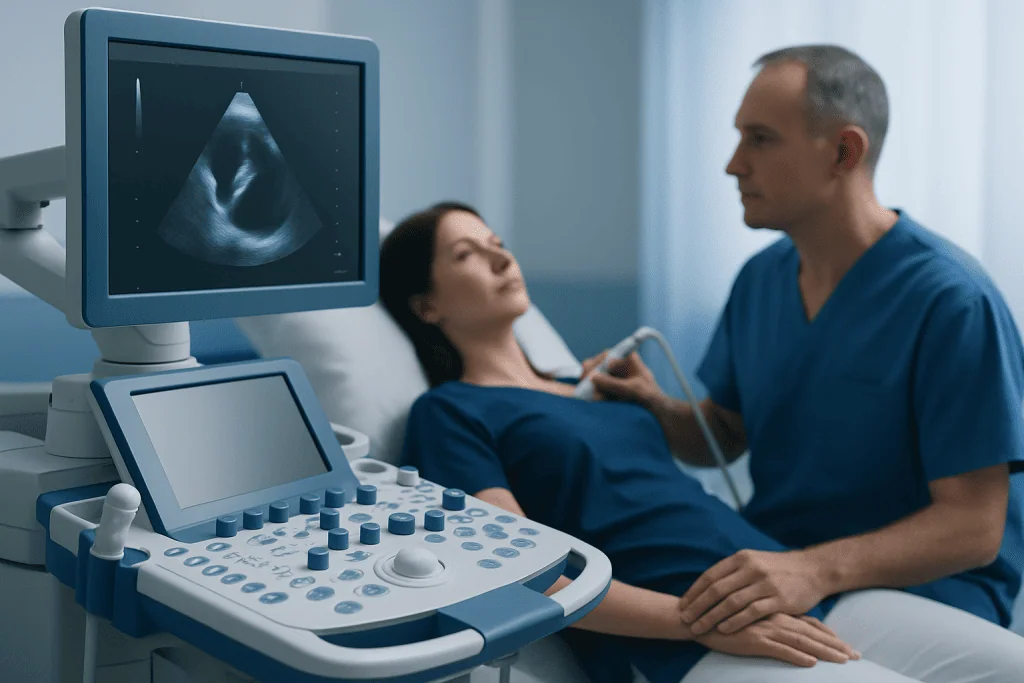
The most important test is echocardiography, an ultrasound of the heart. A transthoracic echocardiogram is often the first test because it is noninvasive and widely available. In some cases, a transesophageal echocardiogram gives a more detailed view of the tumor’s size, attachment point, and mobility. These details help assess the risk of obstruction or embolism and support treatment planning.
Additional imaging such as cardiac MRI or CT may be used when doctors need more information about the mass or surrounding structures. Blood tests may show nonspecific signs of inflammation or anemia, but these do not diagnose myxoma on their own. Depending on the situation, a patient may also need cardiology evaluation and advanced diagnostic imaging to confirm the diagnosis and prepare for surgery.
Treatment options and recovery
The standard treatment for cardiac myxoma is surgical removal. Even though the tumor is usually benign, surgery is generally recommended because of the ongoing risk of blood flow obstruction and embolism. In most cases, surgery is planned soon after diagnosis rather than delayed for long-term observation.
The procedure is performed by a cardiac surgery team, usually with the goal of removing the tumor along with the small area where it attaches, if needed, to reduce the chance of recurrence. After removal, the tissue is examined in the laboratory to confirm the diagnosis. Treatment planning may involve both cardiovascular surgery and heart specialists who monitor rhythm, valve function, and recovery.
Most patients are observed in the hospital after surgery and then continue recovery at home with follow-up appointments. Follow-up echocardiography is often recommended to make sure the heart is functioning well and to watch for recurrence, especially in people with a family history or suspected hereditary syndromes. If another condition is discovered instead of a myxoma, care is adjusted to the underlying diagnosis.
For international patients who need coordinated assessment and surgery, Acibadem International’s multidisciplinary specialists and JCI-accredited hospitals diagnose and treat heart tumors and related cardiac conditions with individualized planning.
Living with a diagnosis: self-care and monitoring
There is no proven way to prevent a sporadic cardiac myxoma through lifestyle alone, since it is not caused by diet, exercise habits, or a common infection. However, once symptoms appear or a myxoma is found, practical self-care focuses on timely follow-up, understanding warning signs, and preparing for treatment safely.
People awaiting specialist care should follow their doctor’s instructions closely and avoid ignoring new symptoms such as worsening breathlessness, fainting, or neurologic changes. It can help to keep a simple record of symptoms, when they occur, and whether certain positions trigger them. This information may help the care team understand how the tumor is affecting blood flow.
After treatment, recovery usually includes gradual return to activity, follow-up imaging, and heart-health habits that support overall well-being. These may include not smoking, managing blood pressure, taking medicines exactly as prescribed, and attending all review visits. If a hereditary syndrome is suspected, family screening or genetic counseling may be discussed.
When to seek medical care
Medical care should be sought promptly if a person has unexplained shortness of breath, repeated fainting, new palpitations, chest discomfort, or unusual fatigue that could suggest a heart problem. These symptoms do not always mean myxoma, but they deserve professional assessment, especially if they are new or worsening.
Emergency care is needed for sudden weakness, facial drooping, trouble speaking, severe dizziness, collapse, or sudden vision loss. These can be signs of an embolic event and should be treated urgently. A person with a known cardiac myxoma should also seek urgent help if symptoms rapidly intensify.
People with a family history of myxoma, recurrent heart tumors, or features suggestive of an inherited syndrome should mention this to their doctor. Early referral to the appropriate specialist can speed diagnosis and reduce the chance of complications.
Frequently asked questions
Is mixome the same as myxoma?
In most health searches, mixome refers to myxoma. The term usually means a benign tumor, and most often it is used for cardiac myxoma, which forms inside the heart.
Is a cardiac myxoma cancer?
A cardiac myxoma is usually benign, so it is not considered cancer. However, it can still be serious because it may block blood flow inside the heart or send clots or tumor fragments into the circulation.
What are the first symptoms of mixome?
Early symptoms can include shortness of breath, fatigue, dizziness, palpitations, or fainting. Some people develop fever or weight loss, while others first come to attention because of a stroke-like event.
How is mixome diagnosed?
The main test is echocardiography, which uses ultrasound to show a mass inside the heart. Doctors may also use CT or MRI for more detail and to help plan treatment.
Does a myxoma always need surgery?
Most cardiac myxomas are treated with surgery because they can cause dangerous complications even though they are benign. The timing and details depend on the person’s symptoms, tumor location, and overall health.
Can a myxoma come back after treatment?
Recurrence is uncommon in many sporadic cases, but it can happen. The risk may be higher in people with inherited syndromes or a strong family history, so follow-up imaging is important.
Can mixome be prevented?
There is no established lifestyle-based way to prevent most cardiac myxomas. The best approach is early medical evaluation of symptoms and ongoing follow-up if a person has a known personal or family risk.
This article is for general information only and is not a substitute for professional medical advice. Please consult a qualified doctor about your individual situation.
Heart care in Turkey — expert evaluation and treatment
JCI-accredited · board-certified surgeons · reply within 24h
Add us as a Preferred Source to see more of our trusted health content across Google Search, AI Overviews and Discover.

More from the Health Library

Bradykinesia: What Patients Need to Know

Constant Phlegm in Throat: An Evidence-Based Guide for Patients

What causes conjunctivitis of the eye? A Doctor-Reviewed Answer

Asbestos: What Patients Need to Know

STD in Throat: An Evidence-Based Guide for Patients