Motor Neuron Disease: When Swallowing and Breathing Tests Become Important

Motor neuron disease may affect the throat, chest, and diaphragm muscles as well as the arms and legs. Swallowing tests can help prevent choking, dehydration, poor nutrition, and aspiration.
Key Takeaways
- Motor neuron disease may affect the throat, chest, and diaphragm muscles as well as the arms and legs.
- Swallowing tests can help prevent choking, dehydration, poor nutrition, and aspiration.
- Breathing tests can detect respiratory muscle weakness before symptoms become severe.
- Early monitoring allows doctors to recommend nutrition support, speech therapy, or breathing support at the right time.
- New coughing during meals, weight loss, weak cough, morning headaches, and shortness of breath should be discussed with a doctor promptly.
Motor neuron disease can gradually weaken the muscles used for speaking, swallowing, coughing, and breathing. Swallowing and breathing tests become important because they help identify changes early, reduce complications, and support timely treatment planning.
Overview
Motor neuron disease is a group of progressive neurological conditions that damage the nerve cells controlling voluntary muscles. As these nerve cells become less able to send signals, muscles gradually weaken and waste. Many people first notice difficulty with walking, hand use, speech, or muscle twitching, but the condition can also affect the muscles involved in swallowing and breathing.
These changes do not always happen at the beginning of the illness. However, because swallowing and respiratory muscles may weaken over time, doctors often monitor them regularly even before major symptoms appear. This helps the care team recognize subtle changes and respond before complications such as chest infections, poor nutrition, dehydration, or severe breathlessness develop.
Not everyone with motor neuron disease is affected in the same way or at the same speed. Symptoms, progression, and support needs vary from person to person. Regular assessment is therefore an important part of individualized care, especially when symptoms involve speech, eating, sleep, cough strength, or energy levels.
Why Swallowing and Breathing Tests Matter
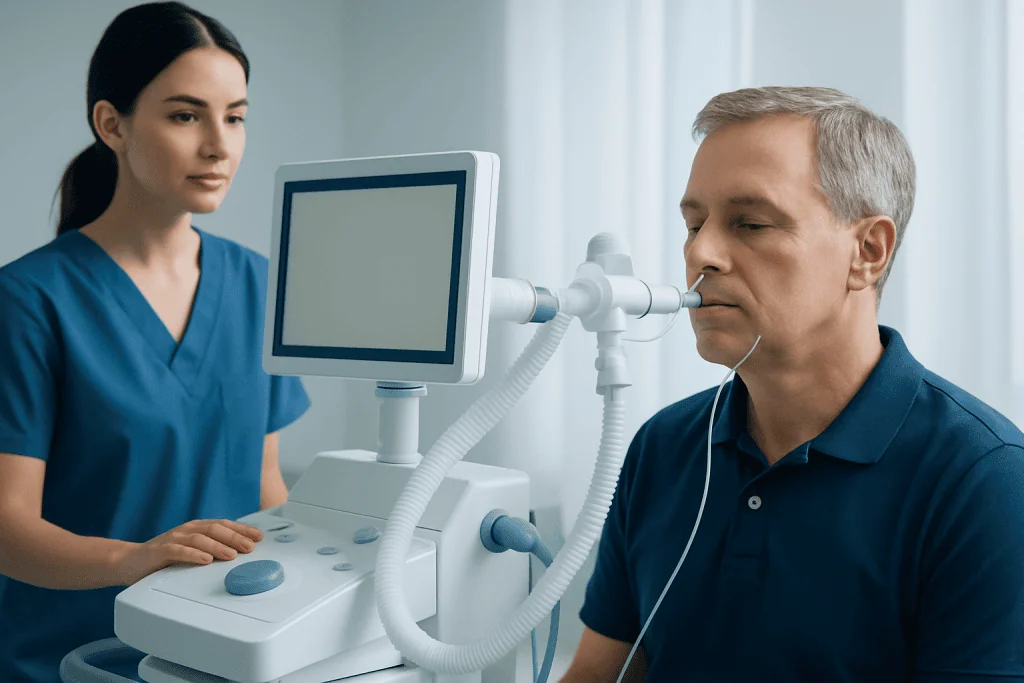
Swallowing and breathing are essential everyday functions, but they rely on many muscles working together smoothly. In motor neuron disease, weakness in the tongue, throat, chest wall, or diaphragm can make these tasks less efficient. A person may still manage well day to day while gradual changes are already beginning, which is why testing can be valuable even when symptoms seem mild.
Swallowing tests help doctors understand whether food or drink is moving safely from the mouth to the stomach. If swallowing becomes less coordinated, there is a risk that small amounts may enter the airway instead. This is called aspiration, and it can lead to coughing during meals, recurrent chest infections, or silent problems that are not always obvious.
Breathing tests measure how well the lungs and respiratory muscles are working. In motor neuron disease, symptoms such as disturbed sleep, morning headaches, fatigue, weak cough, or shortness of breath may suggest respiratory muscle weakness. Testing can identify these changes early so that supportive measures, including rehabilitation strategies or noninvasive ventilation, can be discussed in a timely way.
These assessments are not only about detecting problems. They also help guide practical decisions about food texture, fluid consistency, posture, airway clearance, speech and language therapy, nutrition planning, and respiratory support. This proactive approach can improve comfort, safety, and quality of life.
Symptoms That May Signal a Need for Testing

Some symptoms clearly suggest that swallowing or breathing should be assessed, while others are more subtle. A person with motor neuron disease should tell their doctor about any changes in eating, drinking, speech, sleep, energy, or breathing. Even small changes can be meaningful when looked at over time.
Symptoms linked to swallowing difficulty may include coughing or choking while eating, needing extra time to finish meals, food feeling stuck, drooling, a wet or gurgly voice after swallowing, frequent throat clearing, or unexplained weight loss. Recurrent dehydration, reduced appetite, or avoiding certain foods because they feel hard to manage can also be important clues.
Breathing-related symptoms may include shortness of breath on exertion or when lying flat, waking often at night, unrefreshing sleep, daytime sleepiness, morning headaches, a weak cough, difficulty clearing mucus, or frequent chest infections. Some people notice reduced voice volume or tiring while speaking because of weak respiratory support.
- Persistent coughing during meals
- Unexplained weight loss or dehydration
- Weak or ineffective cough
- Morning headaches or poor sleep
- Breathlessness, especially when lying down
- Repeated chest infections
These symptoms do not always mean severe impairment, but they do mean the issue deserves medical attention. Timely testing can clarify what is happening and help the care team suggest safer and more comfortable ways to eat, drink, speak, and breathe.
How Swallowing Is Evaluated
Swallowing evaluation often begins with a clinical assessment. A doctor or speech and language therapist asks about symptoms, meal patterns, weight changes, coughing, and hydration. They may also examine lip, tongue, jaw, and throat movements and observe the person eating or drinking different textures to see how safely swallowing is happening.
If more detail is needed, instrumental tests may be recommended. A videofluoroscopic swallow study, sometimes called a modified barium swallow, uses moving X-ray images to show how food and liquid pass through the mouth and throat. Another option is fiberoptic endoscopic evaluation of swallowing, in which a thin flexible camera is used to look at the throat during swallowing.
These tests help identify aspiration, residue left in the throat, delayed swallowing, or reduced airway protection. The findings can guide changes such as posture during meals, smaller sips, altered food textures, swallowing strategies, or referral for nutritional support. In some cases, if eating becomes very difficult or unsafe, the team may discuss feeding tube options to help maintain nutrition and hydration while reducing stress around meals.
The aim of testing is not to take away normal eating unnecessarily. Instead, it is to balance safety, nutrition, comfort, and personal preferences. Many people continue to enjoy eating with appropriate adjustments and regular review.
How Breathing Is Evaluated
Breathing assessment usually includes a discussion of symptoms, sleep quality, cough strength, and daily activity tolerance. The doctor may examine chest movement, breathing pattern, oxygen levels, and signs of respiratory muscle fatigue. Because breathing problems in motor neuron disease can begin gradually, routine follow-up is often recommended even before major symptoms develop.
Common respiratory tests include spirometry, which measures how much air a person can breathe in and out, and forced vital capacity, which helps assess respiratory muscle strength. Other tests may include sniff nasal inspiratory pressure, maximal inspiratory or expiratory pressures, overnight oximetry, capnography, or a sleep study if nocturnal breathing problems are suspected.
These tests do more than measure lung function. They help show whether the diaphragm and other breathing muscles are becoming weaker and whether breathing support may be useful, especially during sleep. If a person also has symptoms that need broader neurological investigation, doctors may recommend a detailed electromyography assessment as part of the overall diagnostic workup for neuromuscular disease.
When respiratory weakness is identified, treatment may include breathing exercises directed by specialists, cough-assist techniques, secretion management, vaccination advice, and noninvasive ventilation. In selected situations, a coordinated respiratory care plan can make daily life more comfortable and may reduce urgent hospital visits.
Treatment and Supportive Care
There is no single treatment that reverses motor neuron disease, so care focuses on symptom control, function, safety, and quality of life. This usually involves a multidisciplinary team that may include neurology, pulmonology, speech and language therapy, nutrition, gastroenterology, physiotherapy, occupational therapy, and palliative care. Swallowing and breathing tests help this team choose the right support at the right time.
For swallowing problems, supportive care may include meal pacing, texture modification, thickened fluids when appropriate, swallowing strategies, upright posture during meals, and regular weight monitoring. Nutritional counseling can help maintain calorie and fluid intake. If oral intake becomes too difficult or unsafe, doctors may discuss feeding tube placement to support nutrition and medication delivery.
For breathing problems, management may include airway clearance support, chest physiotherapy, and noninvasive ventilation, especially if weakness affects sleep-related breathing. Some people also benefit from specialist review in sleep-related breathing assessment when overnight symptoms are prominent. When communication is affected alongside swallowing, clinicians may also evaluate for related bulbar involvement seen in conditions such as amyotrophic lateral sclerosis.
Treatment decisions are personal and are usually made gradually with clear discussion of goals, benefits, and limitations. A thoughtful, step-by-step plan often helps people and families feel more prepared and supported.
Prevention, Self-care, and Ongoing Monitoring
Motor neuron disease cannot usually be prevented, but many complications related to swallowing and breathing can be reduced with regular monitoring and early action. Keeping follow-up appointments is important, even when symptoms seem stable. Small changes over time may be easier for the care team to detect when assessments are repeated consistently.
Helpful self-care measures may include eating slowly, taking smaller bites and sips, sitting upright during meals and for a while afterward, maintaining good oral hygiene, and tracking weight trends. For breathing, avoiding smoking, staying up to date with recommended vaccines, and reporting any sleep changes or chest symptoms promptly can support respiratory health.
Families and caregivers often notice changes before the patient does, especially during meals or sleep. Their observations can be valuable and should be shared with the care team. Because fatigue can worsen swallowing and breathing function, planning meals and activities for times of better energy may also help.
Near the end of care planning, some people seek assessment at specialized centers. Acibadem International’s multidisciplinary specialists in JCI-accredited hospitals evaluate and treat motor neuron disease-related swallowing and breathing problems for international patients when advanced coordinated care is needed.
When to See a Doctor
A person with motor neuron disease should contact their doctor if they develop new or worsening coughing during meals, choking, repeated throat clearing, weight loss, dehydration, a weak cough, breathlessness, or signs of poor sleep such as morning headaches and daytime drowsiness. These symptoms do not always mean an emergency, but they should not be ignored.
Urgent medical attention is important if there is severe shortness of breath, blue lips, confusion, inability to clear secretions, frequent aspiration, or sudden inability to swallow safely. Repeated chest infections or rapid decline in eating or breathing should also prompt prompt review.
Early evaluation allows more options and often leads to better planning. Testing does not commit someone to immediate intervention; rather, it provides information that helps the care team and family make informed decisions together. Asking about swallowing and breathing at routine visits is a practical way to stay ahead of potential complications.
Frequently asked questions
Does motor neuron disease always affect swallowing and breathing?
Not always, and not at the same stage for every person. However, these functions can become affected over time, so doctors often monitor them regularly. Early testing helps identify changes before they become more difficult to manage.
What is the first sign of swallowing problems in motor neuron disease?
Common early signs include coughing during meals, taking longer to eat, food feeling stuck, or needing to avoid certain textures. Some people also notice drooling, a wet-sounding voice after swallowing, or unplanned weight loss. These symptoms should be discussed with a clinician.
Are breathing tests painful?
Most breathing tests are simple and noninvasive. They usually involve breathing into a device, checking oxygen levels, or monitoring breathing during sleep. While some tests can feel tiring, they are generally not painful.
Why can breathing problems appear during sleep first?
Respiratory muscle weakness may become more noticeable at night because breathing naturally changes during sleep and lying flat can make the diaphragm work harder. This can lead to poor sleep, morning headaches, and daytime fatigue. Overnight testing can help detect these early changes.
If swallowing is unsafe, does that mean a person must stop eating by mouth immediately?
Not necessarily. Test results help guide individualized recommendations, which may include posture changes, different food textures, or other strategies that allow safer eating. In some cases, a feeding tube is discussed, but decisions are made carefully based on safety, nutrition, comfort, and personal wishes.
How often should swallowing and breathing be checked in motor neuron disease?
There is no single schedule that fits everyone. The timing depends on symptoms, disease pattern, and previous test results. Many people benefit from regular follow-up so that even subtle changes can be recognized early.
This article is for general information only and is not a substitute for professional medical advice. Please consult a qualified doctor about your individual situation.
Motor Neuron Disease in Turkey — costs, top hospitals & a free quote
JCI-accredited · board-certified surgeons · reply within 24h
Add us as a Preferred Source to see more of our trusted health content across Google Search, AI Overviews and Discover.

Physical Medicine & Rehabilitation
Restoring movement and function after injury, surgery or neurological conditions.
152 specialists in this unitMore from the Health Library

Myasthenia Gravis and the Neuromuscular Junction: Why Muscles Become Weak

Muscle Weakness in Adults: What Neuromuscular Testing Can Reveal

The Most Common Neuromuscular Diseases: Examples, Symptoms, and Progression

Central Nervous System Disorders and Neuromuscular Symptoms: When They Overlap

Which Conditions Are Neuromuscular Diseases? Common Examples Explained