Muscle Cramps and Fasciculations: When They May Point to Neuromuscular Disease

Most muscle cramps and fasciculations are benign and temporary. Symptoms that persist, spread, or occur with weakness need medical evaluation.
Key Takeaways
- Most muscle cramps and fasciculations are benign and temporary.
- Symptoms that persist, spread, or occur with weakness need medical evaluation.
- Neuromuscular diseases affect nerves, muscles, or the connection between them.
- Doctors may use neurological examination, blood tests, EMG, and imaging to find the cause.
- Treatment depends on the underlying condition and may include lifestyle steps, medication, and rehabilitation.
Muscle cramps and fasciculations are common symptoms that are often linked to fatigue, exercise, dehydration, or stress. However, when they are persistent, progressive, or accompanied by weakness or muscle loss, they may point to an underlying neuromuscular disease and should be assessed by a doctor.
Overview
Muscle cramps are sudden, involuntary, often painful muscle contractions. Fasciculations are small, visible muscle twitches that happen under the skin. Many people experience one or both at some point, especially after exercise, during stress, or at night. In many cases, they are harmless and resolve on their own.
Even so, cramps and fasciculations can sometimes be signs of a problem involving the peripheral nerves, muscles, or the communication between nerves and muscles. This group of conditions is broadly described as neuromuscular disease. The symptoms themselves do not confirm a serious disorder, but their pattern and associated features can provide important clues.
Doctors look closely at how long symptoms have been present, which muscles are affected, and whether there are other changes such as weakness, numbness, muscle wasting, or difficulty with speaking, swallowing, or walking. This fuller picture helps distinguish common benign causes from conditions that need further testing.
Symptoms and Warning Signs
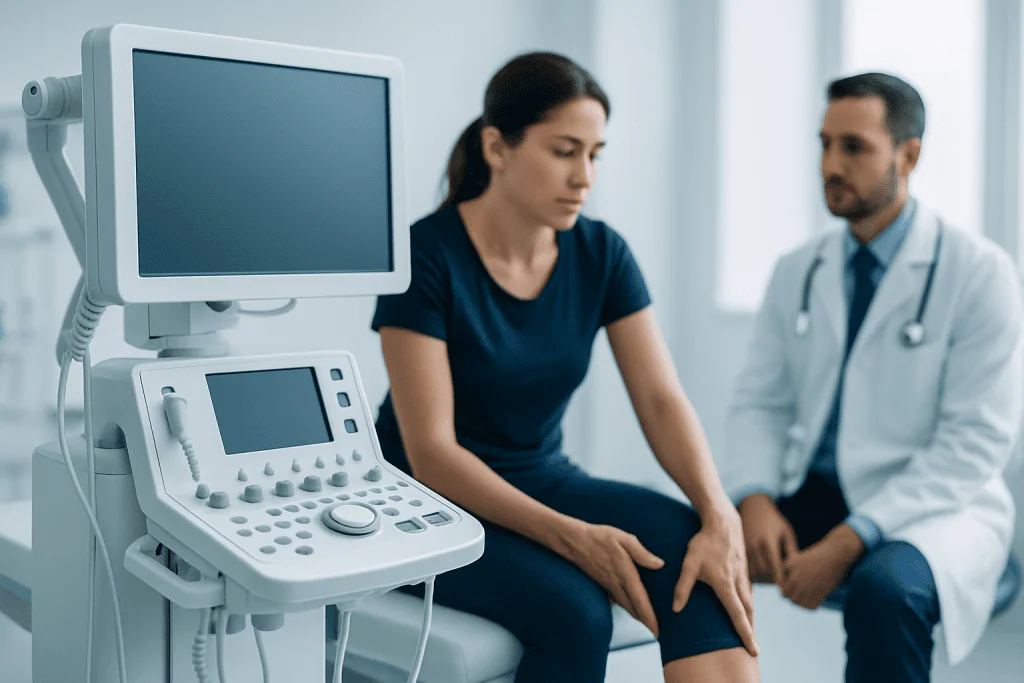
Muscle cramps may feel like a sudden tightening or hardening of a muscle. They may last from seconds to several minutes and are often felt in the calf, foot, thigh, or hand. Fasciculations are different: they usually appear as brief flickers or rippling movements in part of a muscle and may or may not be noticeable to others.
On their own, occasional cramps or twitches are usually not a cause for concern. They are more likely to need medical attention when they are frequent, happen without a clear trigger, disturb sleep regularly, or interfere with daily activities. Symptoms are also more concerning if they continue for weeks or months rather than improving.
Doctors pay particular attention when cramps or fasciculations occur together with other neurological symptoms. These can include:
- Muscle weakness
- Loss of muscle bulk or visible muscle thinning
- Numbness, tingling, or altered sensation
- Problems with balance or walking
- Difficulty gripping, lifting, or climbing stairs
- Speech or swallowing difficulty
- Fatigue that seems out of proportion to activity
These associated symptoms do not automatically mean a severe illness is present, but they increase the importance of a careful neurological assessment.
Common Causes and When Neuromuscular Disease Is Considered

Many everyday factors can trigger muscle cramps and fasciculations. Common benign causes include strenuous exercise, dehydration, mineral imbalance, caffeine excess, lack of sleep, anxiety, and prolonged sitting or awkward posture. Some medicines can also contribute, and in some people no specific trigger is found.
Doctors start by considering these more common explanations because they are far more frequent than serious neurological disease. Benign fasciculation syndrome, for example, can cause persistent twitching without progressive weakness or nerve damage. Night cramps are also common, especially in older adults, and often occur without an underlying neuromuscular disorder.
Neuromuscular disease is considered more strongly when symptoms are progressive or associated with weakness, wasting, reflex changes, or abnormal findings on examination. Conditions that may be explored include peripheral neuropathies, motor neuron disorders, muscle diseases, and disorders of the nerve-muscle junction. In some people, the evaluation may overlap with related problems such as peripheral neuropathy or inflammatory muscle disease.
Because similar symptoms can arise from very different causes, it is important not to assume the worst. A structured assessment helps determine whether symptoms are benign, related to a treatable medical issue, or part of a neuromuscular condition that needs specialist care.
Risk Factors and Associated Conditions
Cramps and fasciculations can become more likely with age, intense physical activity, dehydration, and prolonged standing or sitting. Poor sleep, emotional stress, and high stimulant intake may also make twitching more noticeable. In addition, pregnancy and some endocrine or metabolic conditions can increase the tendency to cramp.
Certain medical issues may raise suspicion for a secondary cause. These include thyroid disorders, kidney disease, liver disease, diabetes, vitamin deficiencies, and electrolyte disturbances. A history of back or neck problems can also matter, because nerve root compression may lead to pain, twitching, or weakness in a specific limb.
Medication review is another key part of evaluation. Some prescription drugs and supplements may contribute to cramps or muscle irritability. People who have a personal or family history of neuromuscular disorders may also need closer assessment, especially if symptoms are persistent or worsening.
When a broader neurological condition is suspected, doctors may also consider whether symptoms fit patterns seen in disorders such as myasthenia gravis or other neuromuscular syndromes. The overall aim is to connect the symptoms to the right cause rather than focusing on one sign in isolation.
How Doctors Diagnose the Cause
Diagnosis begins with a detailed medical history and neurological examination. The doctor asks when the symptoms started, which muscles are involved, what makes them better or worse, and whether there is pain, weakness, numbness, fatigue, or swallowing or breathing difficulty. A physical exam checks muscle strength, tone, reflexes, coordination, and signs of muscle wasting.
Blood tests may be used to look for electrolyte problems, thyroid disease, vitamin deficiency, inflammation, muscle enzyme changes, or other medical conditions that can affect muscles and nerves. Depending on the situation, doctors may also assess kidney function, blood sugar, and markers that help screen for autoimmune disease.
One of the most useful tests in this setting is electromyography, often paired with nerve conduction studies. Electromyography (EMG) can help show whether symptoms are coming from the muscle itself, the nerve supplying it, or the connection between the two. This is especially helpful when weakness or persistent fasciculations are present.
Some people may need additional tests, such as MRI of the brain or spine, ultrasound of muscles, or in selected cases a muscle or nerve biopsy. If the clinical picture suggests a hereditary or complex disorder, genetic testing may also be discussed. The choice of tests depends on the individual pattern of symptoms rather than a one-size-fits-all approach.
Treatment Options
Treatment depends on the underlying cause. If cramps and fasciculations are linked to dehydration, overexertion, poor sleep, or stimulant use, symptoms may improve with hydration, rest, stretching, sleep optimization, and reduction of caffeine or similar triggers. Correcting vitamin or electrolyte abnormalities can also help when a deficiency is found.
When symptoms are related to a medical condition, treatment focuses on that condition. This may include managing thyroid disease, diabetes, nerve compression, autoimmune disorders, or inflammatory muscle disease. If a medication appears to be contributing, a doctor may consider whether an alternative is appropriate.
For people with confirmed neuromuscular disease, care often involves more than one specialty. Depending on the diagnosis, treatment may include rehabilitation, symptom-relieving medicines, nutritional support, respiratory monitoring, or immune-based therapy. Some patients may benefit from physical therapy and rehabilitation to maintain strength, flexibility, and function.
In selected cases, further neurological treatment planning may follow specialized testing such as neurological examination and neurophysiological studies. Near the end of the diagnostic process, patients and families often benefit from clear counseling about what the results mean, what to expect next, and which symptoms should be monitored over time.
Self-care, Monitoring, and Prevention
Self-care can be useful for many mild or occasional symptoms. Gentle stretching, adequate hydration, regular meals, balanced nutrition, and avoiding sudden overuse of muscles may reduce cramp frequency. Good sleep habits and stress management can also lessen the awareness of muscle twitching in some people.
Keeping a symptom diary may help. Recording when cramps or fasciculations happen, which muscles are involved, how long they last, and whether there are triggers such as exercise or caffeine can provide valuable information for a doctor. This can also help patients notice whether symptoms are stable, improving, or slowly progressing.
People should avoid starting supplements or medicines specifically for cramps without medical advice, especially if they have kidney disease, heart disease, or take multiple medications. What helps one person may be unsuitable for another, and some products can cause side effects or interact with treatment.
For international patients who need specialist input, Acibadem International’s multidisciplinary teams in JCI-accredited hospitals evaluate and treat neuromuscular conditions with coordinated neurological and rehabilitation care.
When to See a Doctor
A doctor should be consulted if muscle cramps or fasciculations are frequent, persistent, painful, or unexplained. Medical review is especially important when symptoms begin to interfere with sleep, work, mobility, or daily activities. Even when the cause turns out to be benign, a proper evaluation can provide reassurance and guide symptom relief.
Prompt medical attention is recommended if twitching or cramps occur with weakness, muscle wasting, numbness, repeated falls, trouble using the hands, or difficulty standing from a chair or climbing stairs. These features suggest that the issue may involve more than temporary muscle irritability.
Urgent assessment is needed if there is trouble swallowing, changes in speech, shortness of breath, severe generalized weakness, or rapidly worsening symptoms. These signs may indicate a condition that requires immediate neurological care.
Early evaluation can make a meaningful difference, particularly when a treatable medical or neuromuscular cause is found. Rather than relying on internet searches alone, patients should seek guidance from a qualified doctor who can interpret symptoms in the full clinical context.
Frequently asked questions
Are muscle fasciculations always a sign of a serious neurological disease?
No. Muscle fasciculations are often benign and may be related to fatigue, stress, caffeine, exercise, or poor sleep. They become more concerning when they persist or occur together with weakness, muscle loss, or other neurological symptoms.
What is the difference between a muscle cramp and a fasciculation?
A muscle cramp is a sudden, often painful tightening of a muscle that can last seconds to minutes. A fasciculation is a brief, involuntary twitch of part of a muscle, usually seen under the skin and often not painful.
When should someone worry about cramps and twitching?
Concern is higher if symptoms are frequent, progressive, unexplained, or associated with weakness, numbness, muscle wasting, balance problems, or swallowing difficulty. These features should prompt medical assessment rather than self-diagnosis.
How are neuromuscular causes of muscle twitching diagnosed?
Doctors use a combination of medical history, neurological examination, blood tests, and often EMG and nerve conduction studies. In some cases, imaging, genetic testing, or biopsy may be needed depending on the suspected condition.
Can dehydration or stress cause muscle cramps and fasciculations?
Yes. Dehydration, intense exercise, emotional stress, poor sleep, and stimulants such as caffeine can all trigger or worsen these symptoms. Addressing these factors may reduce episodes in many people.
Can muscle cramps and fasciculations be treated?
Yes, but treatment depends on the cause. Some people improve with hydration, stretching, better sleep, and trigger reduction, while others need treatment for an underlying medical or neuromuscular disorder.
This article is for general information only and is not a substitute for professional medical advice. Please consult a qualified doctor about your individual situation.
Explore treatments in Turkey — costs, top hospitals & a free quote
JCI-accredited · board-certified surgeons · reply within 24h
Add us as a Preferred Source to see more of our trusted health content across Google Search, AI Overviews and Discover.

More from the Health Library

Nervous System Disorders That Affect Muscles: How Doctors Narrow the Diagnosis

When to Get a Second Opinion for Neuromuscular Symptoms

Peripheral Neuropathy Causes: Diabetes, Vitamin Deficiency, and Other Triggers

Muscular Dystrophy: Which Muscles Are Affected First?

Can Neuromuscular Disease Be Cured? Treatment Goals and Realistic Outcomes