

Neck Lift Surgery: Treating Loose Skin and Neck Bands

Neck lift surgery may tighten loose neck skin, improve vertical neck bands and refine the jawline. The procedure is individualized and may include skin tightening, platysma muscle repair, fat removal or a lower facelift.
Key Takeaways
- Neck lift surgery may tighten loose neck skin, improve vertical neck bands and refine the jawline.
- The procedure is individualized and may include skin tightening, platysma muscle repair, fat removal or a lower facelift.
- Good candidates are generally healthy, have realistic expectations and understand recovery requirements.
- Swelling, bruising and tightness are common early after surgery and usually improve gradually.
- Choosing a qualified plastic surgeon and following aftercare instructions are important for safety and natural-looking results.
Neck lift surgery is a cosmetic procedure that can improve loose skin, visible neck bands and loss of jawline definition. A careful consultation helps determine whether surgery, a less invasive treatment or a combined approach is most appropriate.
Overview
Neck lift surgery, also called lower rhytidectomy, is a cosmetic surgical procedure designed to improve visible signs of aging in the neck and lower face. It may address loose neck skin, excess fat under the chin, jowls, and vertical bands caused by changes in the platysma muscle. The goal is usually a smoother neck contour and a more defined transition between the chin, jawline and neck.
The neck often shows age-related changes earlier than some other areas because the skin is relatively thin and is affected by genetics, sun exposure, weight changes and natural loss of skin elasticity. Some people notice a softened jawline, a “turkey neck” appearance or prominent cords when speaking or moving the neck. These concerns can affect people at different ages and do not always match how youthful they feel overall.
A neck lift is not the same procedure for every patient. Some people need only targeted fat removal or muscle tightening, while others benefit from removing excess skin and combining the procedure with a facelift, chin augmentation, eyelid surgery or skin resurfacing. A consultation with a board-qualified plastic surgeon helps identify the anatomical causes of the concern and match them with appropriate treatment options.
What Neck Lift Surgery Can and Cannot Treat
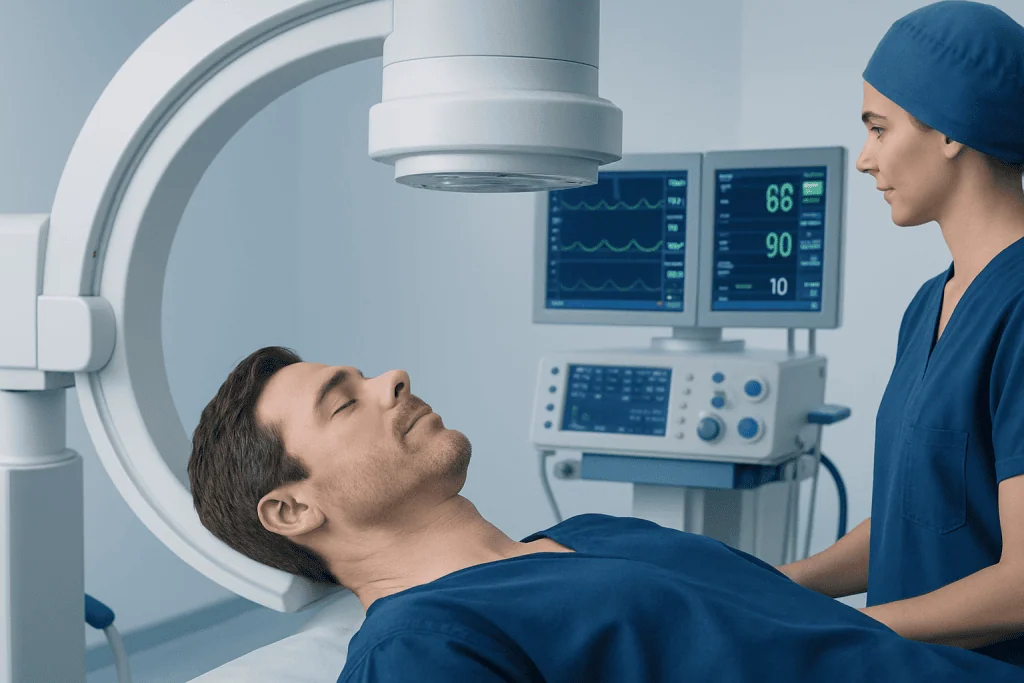
Neck lift surgery can be effective for several common cosmetic concerns in the lower face and neck. These include loose or sagging neck skin, visible vertical neck bands, fullness below the chin, loss of jawline definition and mild to moderate jowling. When performed carefully, the result should look refreshed rather than tight or unnatural.
The operation may involve different techniques depending on the patient’s anatomy. A surgeon may tighten the platysma muscle, remove or reposition fat, trim excess skin, and redrape the remaining skin through discreet incisions around the ears and sometimes under the chin. If significant lower-face sagging is present, a lower facelift may be recommended because neck and jawline tissues often age together.
It is equally important to understand the limits of surgery. A neck lift does not stop the natural aging process, change skin quality completely or replace healthy habits and sun protection. Fine lines, pigmentation changes and crepey skin texture may require additional non-surgical treatments such as laser resurfacing, chemical peels, radiofrequency, ultrasound-based treatments or injectable options, depending on the case.
Who May Be a Good Candidate

A good candidate for neck lift surgery is usually someone who is bothered by loose neck skin, neck bands or jawline laxity and wants a more lasting improvement than non-surgical treatments can provide. Candidates should be in generally good health, at a stable weight and able to follow preoperative and postoperative instructions. Realistic expectations are essential, because the best outcome is a natural improvement rather than a completely different appearance.
During consultation, the surgeon assesses skin elasticity, fat distribution, muscle banding, facial proportions, previous procedures, medical history and lifestyle factors such as smoking. People who smoke are typically advised to stop well before and after surgery because nicotine can reduce blood flow and increase the risk of healing problems. Certain medications, supplements or medical conditions may also need to be reviewed before planning surgery.
Neck lift surgery may not be the best first choice for everyone. Patients with minimal laxity may benefit from less invasive treatments, while patients with significant weight fluctuation may be advised to reach a stable weight before surgery. In some cases, improving the chin position or correcting bite and jaw structure may be considered because the appearance of the neck is closely related to facial balance.
Consultation and Diagnosis of Neck Aging
Although neck lift surgery is cosmetic, a thorough medical evaluation is still important. The surgeon examines the neck at rest and with movement, looking at skin looseness, platysma bands, fat under the chin, salivary gland prominence, jawline contour and the angle between the chin and neck. Standardized photographs are often taken to plan the procedure and compare results over time.
The consultation also includes a discussion of goals. Patients may be asked what bothers them most: loose skin, fullness, bands, jowls, profile shape or skin texture. This conversation helps the surgeon explain which concerns can be improved surgically and which may need a different approach. A clear plan helps reduce misunderstandings and supports shared decision-making.
Medical history is reviewed carefully, including previous surgeries, allergies, bleeding tendencies, blood pressure, diabetes, thyroid disease, heart conditions and use of blood-thinning medicines or supplements. Preoperative testing may be requested based on age, health status and anesthesia plan. Patients should use this visit to ask about the surgeon’s training, facility accreditation, anesthesia team, recovery timeline, possible scars and how complications are handled.
Treatment Options and Surgical Techniques
Neck lift surgery is customized. In some patients, a small incision under the chin allows the surgeon to repair separated platysma muscles and improve vertical neck bands, a technique often called platysmaplasty. If there is excess fat under the chin, liposuction or direct fat removal may be used. When skin is loose, incisions around the ears allow the surgeon to redrape and remove extra skin with attention to scar placement.
A lower facelift may be recommended when jowls and lower-face sagging are present in addition to neck laxity. This combined approach can improve continuity between the face and neck and may create a more harmonious result. In selected patients with a small or recessed chin, chin implant surgery or other facial balancing procedures may be discussed to improve the neck profile.
Non-surgical treatments may be appropriate for early or mild changes. These may include injectable treatments for certain muscle bands, energy-based skin tightening, fat-reducing injections or skin resurfacing. However, non-surgical options generally produce more modest changes and cannot remove significant excess skin. A qualified specialist can explain the likely benefits, limitations and maintenance needs of each option.
Neck lift surgery is typically performed under general anesthesia or local anesthesia with sedation, depending on the extent of the procedure and the patient’s health. Surgery time varies by technique and whether additional procedures are performed. Patients usually receive individualized instructions about eating and drinking before surgery, medication adjustments and arranging a responsible adult to assist after the procedure.
Recovery, Results and Possible Risks
Recovery after neck lift surgery is gradual. Swelling, bruising, tightness, numbness or a pulling sensation can occur during the early healing period. A supportive dressing or compression garment may be used as directed by the surgeon. Patients are usually advised to keep the head elevated, avoid strenuous activity, protect incisions and attend all follow-up appointments.
Many people can return to light daily activities after the initial recovery period, but exercise, heavy lifting and vigorous neck movements should be avoided until the surgeon confirms it is safe. Final results take time because swelling settles slowly and scars mature over months. Incisions are usually placed in natural creases or around the ear, but scar visibility varies among individuals.
As with any surgery, a neck lift has potential risks. These may include bleeding, infection, delayed wound healing, fluid collection, unfavorable scarring, skin sensation changes, asymmetry, hairline changes, anesthesia-related risks and, rarely, nerve injury affecting movement. Most risks can be reduced by careful patient selection, an experienced surgical team, appropriate facility standards and close postoperative care.
Patients should contact their surgical team promptly if they develop increasing pain, marked swelling on one side, bleeding, fever, shortness of breath, chest pain, or redness and drainage from an incision. Early communication allows the care team to evaluate concerns and provide timely guidance.
Prevention, Self-Care and When to See a Doctor
Healthy self-care can help maintain the appearance of the neck before and after surgery. Daily sun protection, not smoking, stable weight, balanced nutrition, regular physical activity and appropriate skin care all support skin health. While these measures cannot reverse significant loose skin or muscle banding, they can help protect surgical results and overall well-being.
Patients considering neck lift surgery should seek medical advice when neck appearance causes persistent concern, when non-surgical treatments no longer meet their goals, or when they are unsure which option is safest. A consultation is also appropriate if there is fullness, a lump, pain, difficulty swallowing or sudden swelling in the neck, because these symptoms may require medical evaluation rather than cosmetic treatment.
Choosing where to have surgery is an important part of preparation. Patients should look for a qualified plastic surgeon, accredited surgical facilities, clear informed consent and a care team that explains benefits and risks without pressure. Acibadem International’s multidisciplinary specialists and JCI-accredited hospitals evaluate and treat aesthetic neck concerns for international patients, including planning, surgery and follow-up coordination when appropriate.
Frequently asked questions
What is the difference between a neck lift and a facelift?
A neck lift focuses on loose skin, fat and muscle banding in the neck and under the chin. A facelift focuses more on the cheeks, jowls and lower face, although the procedures are often combined. The best choice depends on where the main signs of aging are located.
Can neck bands be treated without surgery?
Some neck bands may improve temporarily with injectable treatments that relax muscle activity, and mild skin laxity may respond to energy-based treatments. However, prominent bands caused by separated or lax platysma muscles often require surgical repair for a more meaningful change. A specialist can assess whether a non-surgical or surgical option is more suitable.
Will a neck lift leave visible scars?
Neck lift incisions are usually placed under the chin and around the ears, where they can often be well concealed. Scars typically fade over time, but healing varies according to genetics, skin type, smoking status and aftercare. Patients should follow scar-care instructions and protect healing incisions from the sun.
How long do neck lift results last?
Results are long lasting, but the neck will continue to age naturally. Skin quality, genetics, weight changes, sun exposure and lifestyle habits all influence how results appear over time. Maintaining a stable weight and using sun protection can help preserve the outcome.
Is liposuction enough for a double chin?
Liposuction may be enough when fullness is mainly due to excess fat and the skin has good elasticity. If loose skin, muscle bands or jowls are also present, liposuction alone may not create the desired contour and could make laxity more noticeable. A physical examination is needed to choose the safest and most effective plan.
When can normal activities resume after a neck lift?
Light activities usually resume gradually, but the timeline depends on the extent of surgery and individual healing. Strenuous exercise, heavy lifting and activities that strain the neck should wait until the surgeon gives clearance. Follow-up visits are important to monitor healing and adjust recovery instructions.
References
- American Society of Plastic Surgeons
- American Society for Aesthetic Plastic Surgery
- International Society of Aesthetic Plastic Surgery
- American Board of Cosmetic Surgery
- StatPearls Publishing
This article is for general information only and is not a substitute for professional medical advice. Please consult a qualified doctor about your individual situation.
Neck Lift in Turkey — costs, top hospitals & a free quote
JCI-accredited · board-certified surgeons · reply within 24h
Add us as a Preferred Source to see more of our trusted health content across Google Search, AI Overviews and Discover.
Check your numbers in seconds
BMI, calories, due date, blood pressure and 30+ more clinical calculators — free, instant, doctor-reviewed ranges.

Related Treatments
Related Conditions
More from the Health Library



Related Specialists

Prof. Dr. Şükrü Yazar
Aesthetic Plastic & Reconstructive Surgery
Assoc. Prof. Dr. Erdem Güven (m)
Aesthetic Plastic & Reconstructive Surgery
Prof. Dr. Hakan Ağır
Aesthetic Plastic & Reconstructive Surgery
Prof. Dr. Bülent Saçak
Aesthetic Plastic & Reconstructive Surgery