Neuro-Otology Evaluation: What to Expect at Your First Visit

Neuro-otology focuses on conditions linking the inner ear, balance system, eyes, and brain. The first visit usually starts with a careful review of symptoms, triggers, medications, and medical history.
Key Takeaways
- Neuro-otology focuses on conditions linking the inner ear, balance system, eyes, and brain.
- The first visit usually starts with a careful review of symptoms, triggers, medications, and medical history.
- Testing may include hearing checks, eye movement assessment, and balance-related exams, depending on symptoms.
- Many causes of dizziness and imbalance are treatable once the correct diagnosis is made.
- Bringing prior test results, a medication list, and a symptom diary can make the visit more useful.
A neuro-otology evaluation is a specialist assessment for symptoms such as dizziness, vertigo, imbalance, hearing changes, and unusual eye movements. The first visit usually includes a detailed history, physical examination, and sometimes hearing or balance tests to help identify the cause and plan treatment.
Overview: What a Neuro-Otology Evaluation Is
A neuro-otology evaluation is a medical assessment for symptoms that involve balance, dizziness, vertigo, hearing, and the connection between the inner ear and the nervous system. Neuro-otology is a subspecialty that looks closely at how the inner ear, eye movements, brain pathways, and posture work together to keep a person steady and oriented.
People are often referred for this kind of evaluation when symptoms are difficult to explain, keep coming back, or affect daily life. A person may feel spinning, lightheadedness, unsteadiness, motion sensitivity, blurred vision with movement, ringing in the ears, or a sense that the environment is shifting. Some symptoms come from the inner ear, while others are related to migraine, nerve disorders, circulation, medication effects, or neurological conditions.
The goal of the first visit is not simply to label the symptom as “dizziness,” but to understand its pattern and identify the most likely source. This is important because vertigo, imbalance, faintness, and vague dizziness can have different causes and require different treatments.
When This Evaluation May Be Recommended
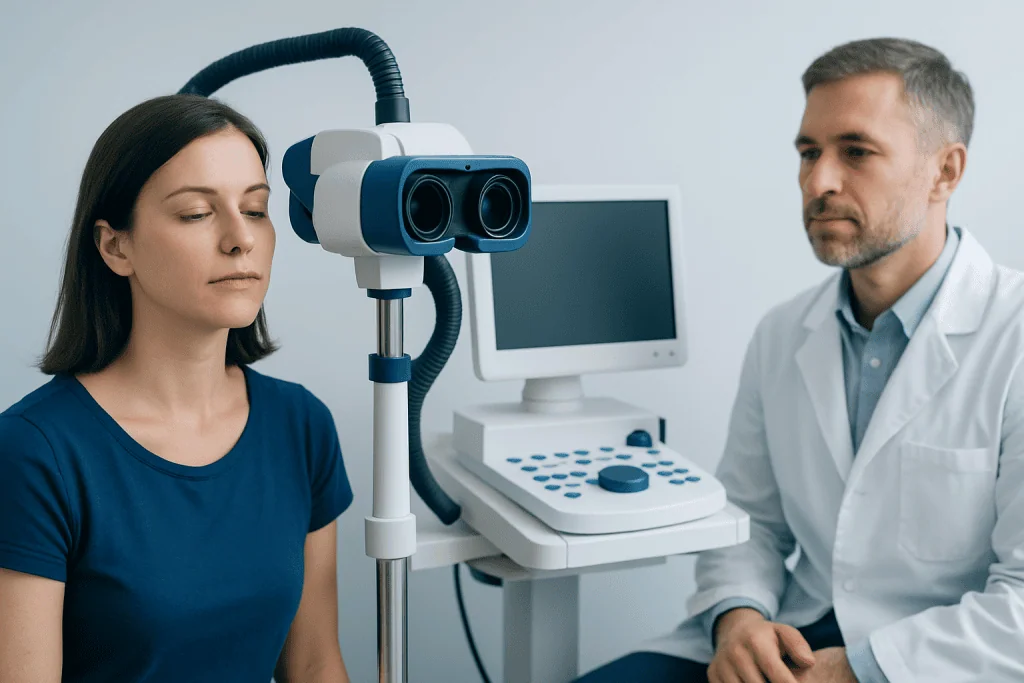
A doctor may suggest a neuro-otology evaluation when symptoms point to a possible balance system disorder or when earlier treatment has not resolved the problem. This includes sudden or recurring spinning sensations, frequent falls, difficulty walking in the dark, dizziness triggered by head movement, or symptoms linked with hearing changes.
Common reasons for referral include suspected vertigo, recurrent balance problems, unexplained unsteadiness, and episodes that may be related to inner ear conditions. Some people are referred after an emergency visit or after seeing an ear, nose, and throat specialist, neurologist, or general practitioner.
Specialist evaluation can also help when symptoms overlap several conditions. For example, a person may have dizziness with headache, neck discomfort, anxiety, or visual sensitivity. In these cases, neuro-otology helps sort out whether symptoms fit an inner ear disorder, vestibular migraine, medication side effects, age-related balance decline, or another neurological issue.
- Recurrent vertigo or dizziness
- Persistent imbalance or falls
- Hearing loss with dizziness
- Ringing in the ears or ear fullness
- Motion sensitivity or nausea with movement
- Abnormal eye movements or visual blurring during head motion
Symptoms the Specialist Will Ask About

One of the most important parts of the first visit is describing symptoms in detail. Patients are often asked whether they feel true spinning, rocking, swaying, lightheadedness, faintness, or a sense of floating. The exact sensation matters because it can point toward different causes. Timing is also important: a few seconds when turning in bed suggests a different problem than hours of vertigo or a constant sense of imbalance.
The specialist will usually ask when symptoms started, how long they last, how often they happen, and what triggers them. Common triggers include rolling over in bed, standing up quickly, busy visual environments, coughing, loud sounds, stress, infection, and migraines. Associated symptoms can provide additional clues, such as hearing loss, tinnitus, ear pressure, headache, nausea, double vision, weakness, numbness, or difficulty speaking.
Patients may also be asked how symptoms affect daily life. For example, do they avoid driving, stairs, exercise, shopping centers, or travel? This helps the specialist understand severity and guides treatment choices, including whether a person may benefit from vestibular rehabilitation or other supportive therapies.
What Happens During the First Visit
The first appointment usually begins with a detailed medical history. The specialist may review past illnesses, migraines, infections, injuries, cardiovascular risk factors, vision problems, and any previous hearing or balance tests. A full medication review is especially important because some medicines can worsen dizziness, affect balance, or cause drowsiness.
A physical examination follows. This often includes checking blood pressure, eye movements, hearing, coordination, walking, and balance. The doctor may observe how the eyes move when the head changes position, because unusual eye movements can help identify whether symptoms are coming from the inner ear or the nervous system. Positional maneuvers may be performed if benign positional vertigo is suspected.
Some patients also have bedside tests during the same visit, while others are scheduled for additional assessments. Depending on symptoms, the specialist may recommend hearing tests, vestibular function testing, imaging, or blood work. If there is concern about a central nervous system cause, imaging such as MRI may be considered to look more closely at the brain and inner ear structures.
Although the evaluation can feel detailed, it is usually noninvasive. Certain balance tests may briefly provoke dizziness, but this is often necessary to reproduce symptoms safely and better understand the cause.
Tests That May Be Ordered
Not every patient needs every test. Neuro-otology testing is chosen based on symptoms and examination findings. A common starting point is a hearing test, because hearing changes can strongly suggest certain inner ear disorders. This may be paired with a detailed ear examination when necessary.
Vestibular testing may assess how the inner ear balance organs and eye movements respond to motion or stimulation. These tests can help identify whether one side is weaker, whether both sides are affected, or whether the symptoms fit a central pattern. Some patients may also need tests of gait, posture, or eye tracking to understand how balance is functioning in everyday movement.
If the history suggests a structural problem, imaging may be useful. Depending on the situation, a specialist may coordinate with services such as advanced neuroradiology evaluation for a clearer look at the relevant anatomy. In selected cases, referrals to cardiology, ophthalmology, or general neurology may be needed if symptoms do not appear to come mainly from the vestibular system.
- Hearing tests
- Vestibular and eye movement testing
- Positional testing for brief, movement-triggered vertigo
- Gait and balance assessment
- Imaging when clinically indicated
- Additional referrals if another cause is suspected
Possible Diagnoses and Treatment Options
A neuro-otology evaluation may lead to several possible diagnoses. Common examples include benign paroxysmal positional vertigo, vestibular neuritis, Ménière-related symptoms, vestibular migraine, age-related balance decline, and persistent postural-perceptual dizziness. In some cases, the evaluation identifies a neurological issue outside the inner ear, which can then be managed by the appropriate specialist.
Treatment depends on the cause. Some conditions improve with repositioning maneuvers, while others are managed with medication, migraine-directed care, hydration guidance, or balance-focused therapy. When hearing loss is part of the picture, treatment planning may also involve hearing restoration options such as cochlear implant assessment in carefully selected patients, though this is only relevant for specific types of severe hearing impairment.
Many patients benefit from physical therapy designed for dizziness and balance disorders. Vestibular rehabilitation uses targeted exercises to improve gaze stability, reduce motion sensitivity, and strengthen balance strategies. For people whose symptoms are related to migraine, treatment may include trigger management, sleep regulation, and medical therapy tailored by the physician.
Near the end of the evaluation, the specialist usually explains the likely diagnosis, whether more testing is needed, and what the first steps of treatment will be. Acibadem International’s multidisciplinary specialists and JCI-accredited hospitals diagnose and treat neuro-otologic conditions for international patients when this level of care is needed.
How to Prepare for the Appointment
Good preparation can make the first visit more productive. Patients should bring a list of current medications, previous test results, and any brain or ear imaging reports if they have them. If hearing tests, emergency visit summaries, or prior specialist notes are available, these can be helpful as well.
Keeping a symptom diary for a few days or weeks before the appointment can also provide useful information. The diary may include when dizziness happens, how long it lasts, what it feels like, possible triggers, and whether there are symptoms such as hearing changes, headache, nausea, or ringing in the ears. This can make it easier to describe patterns that are hard to remember during the visit.
Patients may want to ask in advance whether they should avoid certain medications before vestibular testing, since some drugs can affect results. It is also sensible to bring a family member or friend if symptoms are severe, especially if testing may briefly increase dizziness. Wearing comfortable clothing and planning extra time can help the visit feel less stressful.
When to Seek Medical Attention Promptly
Most dizziness and balance symptoms are not emergencies, but some situations need urgent medical care. A person should seek prompt attention if dizziness begins suddenly along with weakness, facial drooping, numbness, trouble speaking, severe new headache, chest pain, fainting, or difficulty walking that is rapidly worsening. These symptoms can point to conditions that need immediate assessment.
Urgent review is also important when dizziness follows head injury, when there is sudden hearing loss, or when vomiting is severe enough to cause dehydration. Any persistent symptom that makes it unsafe to stand, walk, or drive should be assessed without delay.
Even when symptoms are not urgent, a specialist visit is worthwhile if they recur, interfere with work or daily activities, or create repeated fear of falling. Early evaluation can shorten the path to diagnosis and help patients start effective treatment sooner.
Frequently asked questions
What does a neuro-otology evaluation check for?
It checks how the inner ear, balance system, eye movements, and parts of the nervous system may be contributing to dizziness, vertigo, imbalance, or hearing-related symptoms. The aim is to identify the cause as accurately as possible so treatment can be matched to the problem.
Will the first neuro-otology visit include tests?
It may, but not always. Some patients have bedside balance and eye movement tests during the first appointment, while others are scheduled for hearing tests, vestibular studies, or imaging later depending on their symptoms and examination findings.
How should a patient describe dizziness at the appointment?
It helps to explain exactly what the sensation feels like, such as spinning, swaying, rocking, lightheadedness, or a feeling of faintness. Patients should also mention how long episodes last, what triggers them, and whether symptoms like hearing loss, ringing in the ears, nausea, or headache happen at the same time.
Are neuro-otology tests painful?
Most tests are not painful. Some can briefly trigger dizziness or nausea because they are designed to observe how the balance system responds, but they are generally well controlled and supervised.
Should someone stop medications before vestibular testing?
Sometimes, but only if the medical team specifically advises it. Certain medications can affect balance test results, so patients should ask for instructions before the appointment rather than stopping medicines on their own.
Can anxiety cause dizziness, or is it always an ear problem?
Anxiety can contribute to dizziness or make existing balance symptoms feel stronger, but it is not the only possible cause. Neuro-otology assessment helps determine whether symptoms come from the inner ear, migraine, neurological conditions, medication effects, anxiety-related patterns, or a combination of factors.
References
- National Institute on Deafness and Other Communication Disorders
- National Institute of Neurological Disorders and Stroke
- American Academy of Otolaryngology–Head and Neck Surgery
- American Academy of Neurology
- Ménière’s Society
This article is for general information only and is not a substitute for professional medical advice. Please consult a qualified doctor about your individual situation.
Joint and spine care in Turkey — expert assessment & treatment
JCI-accredited · board-certified surgeons · reply within 24h
Add us as a Preferred Source to see more of our trusted health content across Google Search, AI Overviews and Discover.
Check your numbers in seconds
BMI, calories, due date, blood pressure and 30+ more clinical calculators — free, instant, doctor-reviewed ranges.