Neurological Sleep Disorders: Causes and Risk Factors

Neurological sleep disorders arise when brain or nerve pathways that regulate sleep become disrupted. Common contributors include genetics, neurological disease, medications, stress, aging, and irregular sleep schedules.
Key Takeaways
- Neurological sleep disorders arise when brain or nerve pathways that regulate sleep become disrupted.
- Common contributors include genetics, neurological disease, medications, stress, aging, and irregular sleep schedules.
- Symptoms may include insomnia, excessive daytime sleepiness, unusual movements or behaviors during sleep, and breathing-related sleep problems.
- Diagnosis often combines medical history, sleep studies, neurological evaluation, and sometimes brain or nerve testing.
- Many neurological sleep disorders can be managed effectively with lifestyle measures, treatment of underlying conditions, and specialist care.
Neurological sleep disorders are sleep-related conditions that involve the brain, spinal cord, or nerves and can affect sleep quality, daytime function, and overall health. Understanding their causes and risk factors can help people seek timely evaluation and the right treatment.
Overview of Neurological Sleep Disorders
Neurological sleep disorders are conditions in which sleep is disturbed because of changes in the brain, nervous system, or the pathways that control the sleep-wake cycle. Sleep is not a passive process. It depends on carefully coordinated signals between different parts of the brain that regulate alertness, breathing, muscle tone, movement, dreaming, and transitions between sleep stages.
When these systems do not work normally, a person may have trouble falling asleep, staying asleep, or feeling rested after sleep. Some people experience overwhelming daytime sleepiness, while others develop unusual movements, behaviors, or breathing patterns during the night. These disorders can occur on their own or alongside other neurological or medical conditions.
Examples include insomnia related to neurological disease, narcolepsy, restless legs syndrome, REM sleep behavior disorder, circadian rhythm sleep-wake disorders, and some forms of sleep-disordered breathing with neurological causes. Although the symptoms vary, all can affect concentration, mood, memory, work performance, and safety in daily life.
A careful, patient-centered evaluation is important because sleep symptoms sometimes overlap. For example, snoring and daytime tiredness may suggest sleep apnea, while vivid dream enactment may point to REM sleep behavior disorder, and repeated leg discomfort may be more consistent with restless legs syndrome.
Common Symptoms and Warning Signs
The signs of a neurological sleep disorder can be different from one person to another. Some symptoms develop gradually and may be mistaken for stress, aging, or a busy lifestyle. Others are more noticeable, such as sudden sleep attacks, repeated unusual movements during sleep, or loud snoring with pauses in breathing.
Common symptoms include difficulty falling asleep, frequent awakenings, waking too early, excessive daytime sleepiness, unrefreshing sleep, morning headaches, difficulty concentrating, mood changes, and memory problems. In some conditions, a bed partner may notice jerking movements, dream enactment, confusion after awakening, or interrupted breathing before the person does.
People should also pay attention to symptoms that suggest a more specific neurological sleep problem. These may include an irresistible urge to move the legs at night, sudden loss of muscle tone triggered by emotion, vivid hallucinations when falling asleep or waking, sleep paralysis, walking or talking during sleep, or repeated kicking during the night.
- Daytime fatigue despite adequate time in bed
- Abnormal movements or behaviors during sleep
- Snoring, gasping, or witnessed breathing pauses
- Irregular sleep timing or difficulty matching social schedules
- Reduced alertness that affects driving, work, or school
Causes and Risk Factors

The causes of neurological sleep disorders are often multifactorial. In some people, there is a clear underlying neurological condition. In others, symptoms result from a combination of genetic susceptibility, environmental triggers, medical illness, medications, and lifestyle factors. The brain systems that regulate sleep are sensitive, so even small disruptions can influence sleep quality and timing.
Neurological diseases are important risk factors. Conditions such as Parkinsonian disorders, epilepsy, multiple sclerosis, stroke, dementia, traumatic brain injury, and neuropathy may affect sleep architecture, breathing control, movement during sleep, or the internal body clock. Certain conditions are strongly linked with specific sleep disorders; for example, REM sleep behavior disorder may be associated with some neurodegenerative diseases, while seizures can disturb sleep or occur mainly at night.
Genetics also play a role. Some sleep disorders, including narcolepsy and restless legs syndrome, can run in families. Chemical messengers in the brain such as dopamine, orexin, melatonin, and gamma-aminobutyric acid help regulate sleep and wakefulness, and changes in these systems may contribute to symptoms.
Other risk factors include aging, chronic stress, depression or anxiety, shift work, irregular sleep schedules, alcohol use, caffeine overuse, chronic pain, iron deficiency, and medications that affect the brain or nervous system. Breathing-related problems, obesity, nasal obstruction, and some heart or lung diseases may worsen sleep disruption as well. Because symptoms can overlap, a specialist may assess whether a person has a primary neurological sleep disorder, a secondary sleep problem, or a combination of both.
How Doctors Diagnose These Disorders
Diagnosis begins with a detailed history. The doctor usually asks about sleep habits, bedtime and wake time, snoring, movements during sleep, dream-related behaviors, daytime tiredness, mood, medications, and any history of neurological or medical disease. Information from a bed partner or family member can be very helpful because many nighttime symptoms happen without the person’s awareness.
A physical and neurological examination may identify clues such as tremor, muscle stiffness, weakness, sensory changes, nasal blockage, or signs of another medical condition. Doctors may also ask patients to complete sleep questionnaires or keep a sleep diary for several days or weeks. In some cases, wearable actigraphy devices are used to monitor sleep-wake patterns over time.
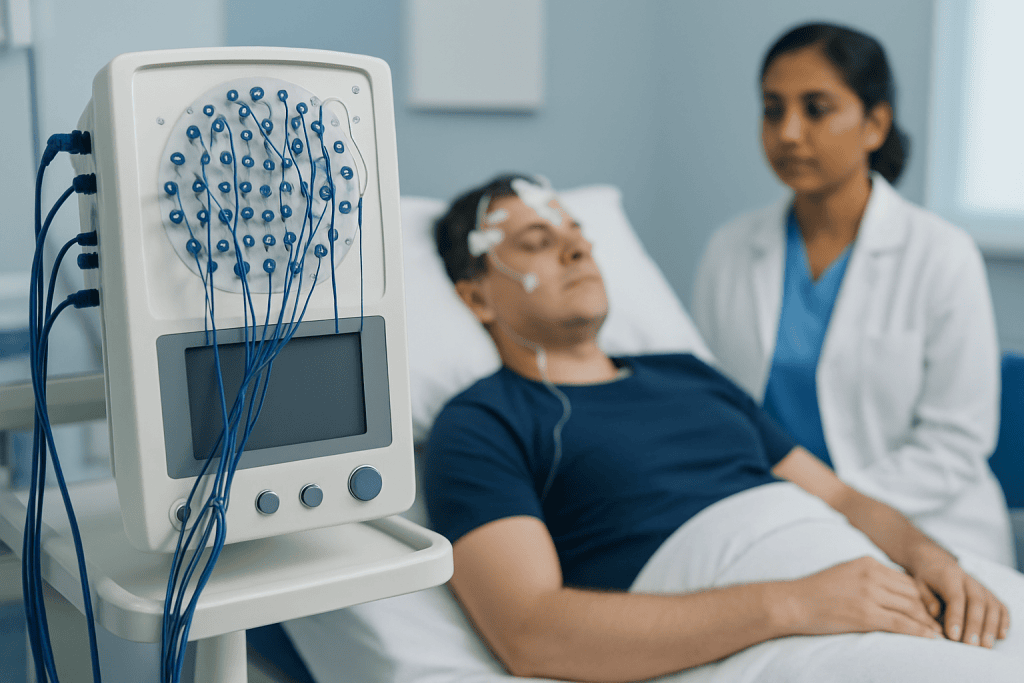
If more detailed testing is needed, an overnight sleep study called polysomnography may be recommended. This test records brain activity, breathing, oxygen levels, heart rhythm, eye movements, muscle activity, and leg movements during sleep. It can help diagnose sleep apnea, REM sleep behavior disorder, periodic limb movements, parasomnias, and other sleep-related problems. Depending on the situation, additional evaluations may include a daytime multiple sleep latency test for excessive sleepiness, blood tests such as iron studies, EEG, or brain imaging.
Some people benefit from a combined approach that includes both neurological and sleep evaluation. For example, specialists may investigate whether symptoms are related to Parkinson's disease or another underlying disorder while also assessing sleep quality and breathing patterns.
Treatment Options and Long-Term Management
Treatment depends on the specific diagnosis, symptom severity, and any underlying neurological or medical conditions. In many cases, management includes more than one approach. The goal is to improve sleep quality, daytime function, safety, and overall health rather than simply reduce nighttime symptoms.
Behavioral strategies are often part of treatment. These may include improving sleep hygiene, setting a regular sleep schedule, limiting alcohol and excess caffeine, reviewing medications, and addressing stress or anxiety. For some people, structured therapies such as cognitive behavioral therapy for insomnia can be useful. If breathing-related sleep disturbance is suspected, formal sleep apnea treatment may be appropriate after specialist assessment.
Medical treatment may involve managing the underlying neurological condition, treating iron deficiency, adjusting medications that worsen symptoms, or prescribing medicines aimed at specific sleep disorders. For movement-related sleep problems, targeted care can be especially helpful when symptoms interfere with rest or quality of life. In selected cases, doctors may recommend evaluation and deep brain stimulation as part of the broader management of certain neurological disorders that also affect sleep.
Safety is an important part of long-term care. People who act out dreams, sleepwalk, or have severe daytime sleepiness may need environmental adjustments, such as securing the bedroom, removing sharp objects, or avoiding driving until symptoms are better controlled. Near the end of the diagnostic journey or during ongoing care, some patients may benefit from multidisciplinary evaluation; Acibadem International’s specialists in neurology and sleep medicine, working in JCI-accredited hospitals, diagnose and treat neurological sleep disorders for international patients.
Prevention and Self-Care
Not every neurological sleep disorder can be prevented, especially when genetic factors or neurological diseases are involved. Still, healthy habits can reduce risk, lessen symptom severity, and support treatment. Good sleep practices help stabilize the body’s internal clock and improve overall sleep quality.
Helpful measures include keeping consistent sleep and wake times, creating a quiet and dark sleeping environment, limiting late-evening screen exposure, avoiding large meals and alcohol close to bedtime, and reducing caffeine later in the day. Regular physical activity during daytime hours can support better sleep, although intense exercise late at night may be stimulating for some people.
Self-care also includes paying attention to conditions that commonly worsen sleep, such as chronic pain, mood symptoms, reflux, nasal congestion, and medication side effects. People with leg discomfort or restlessness may need medical review for iron deficiency or neuropathy. Those with unusual sleep behaviors should not try to self-diagnose, because movement disorders, parasomnias, and seizures can appear similar.
- Follow a stable sleep routine, including weekends when possible
- Discuss new or worsening sleep symptoms with a doctor
- Avoid driving or hazardous work if severe sleepiness is present
- Seek help early if symptoms affect safety, memory, or daily function
When to See a Doctor
A medical evaluation is recommended when sleep problems are persistent, disruptive, or associated with daytime impairment. Difficulty sleeping for a few nights can happen to anyone, but symptoms that continue for weeks, recur frequently, or interfere with work, school, or mood deserve attention. Seeking help is especially important if a person falls asleep unintentionally during the day or if family members observe breathing pauses or unusual nighttime behaviors.
Urgent assessment may be needed when sleep symptoms raise safety concerns. Examples include episodes of dream enactment that cause injury, sleepiness while driving, confusion that could be a seizure, sudden weakness triggered by emotion, or repeated choking during sleep. In older adults, a new sleep-related movement or behavior disorder may also deserve timely review because it can sometimes be linked to broader neurological changes.
Doctors can help distinguish between temporary sleep disruption and a neurological sleep disorder that needs targeted treatment. Depending on the findings, they may refer the person to specialists in neurology or a dedicated sleep medicine team for further testing and management.
Prompt evaluation is often reassuring. Many sleep disorders are treatable, and even when a long-term neurological condition is present, structured care can improve sleep, daytime energy, and quality of life.
Frequently asked questions
What are neurological sleep disorders?
Neurological sleep disorders are sleep problems related to the brain, spinal cord, or nerves. They can affect sleep timing, breathing, movement, dreaming, and daytime alertness.
What causes neurological sleep disorders?
Causes vary and may include neurological diseases, genetic factors, medication effects, stress, aging, and disruption of the body's internal clock. In many people, more than one factor contributes at the same time.
Are neurological sleep disorders different from ordinary insomnia?
Yes. Insomnia can occur on its own, but neurological sleep disorders may involve abnormal brain signaling, movement, breathing changes, or unusual sleep behaviors. A proper evaluation helps identify the specific problem and guide treatment.
Who is at higher risk for neurological sleep disorders?
People with neurological conditions such as Parkinsonian disorders, epilepsy, stroke, dementia, or nerve disorders may be at higher risk. Older age, family history, shift work, chronic stress, and certain medications can also increase risk.
How are neurological sleep disorders diagnosed?
Doctors usually start with a medical history, sleep history, and physical and neurological examination. Some people also need an overnight sleep study, blood tests, or other neurological tests depending on their symptoms.
Can neurological sleep disorders be treated?
Many can be managed effectively with lifestyle changes, treatment of underlying conditions, medication adjustments, and sleep-specific therapies. The treatment plan depends on the exact diagnosis and the person's overall health.
When should someone seek medical help for sleep symptoms?
Medical advice is important if sleep problems last for weeks, cause severe daytime sleepiness, or involve breathing pauses, sudden weakness, or unusual nighttime behaviors. Early evaluation can improve safety and lead to more targeted care.
References
- American Academy of Sleep Medicine
- National Institute of Neurological Disorders and Stroke
- National Institute for Health and Care Excellence
- World Health Organization
- Centers for Disease Control and Prevention
This article is for general information only and is not a substitute for professional medical advice. Please consult a qualified doctor about your individual situation.
Joint and spine care in Turkey — expert assessment & treatment
JCI-accredited · board-certified surgeons · reply within 24h
Add us as a Preferred Source to see more of our trusted health content across Google Search, AI Overviews and Discover.