

Neurosurgery Recovery: What Happens in the First Days, Weeks, and Months?

Neurosurgery recovery often progresses from hospital monitoring to home recovery and, when needed, rehabilitation. Fatigue, headaches, swelling, pain near the incision, and temporary changes in strength, balance, speech, or mood can occur.
Key Takeaways
- Neurosurgery recovery often progresses from hospital monitoring to home recovery and, when needed, rehabilitation.
- Fatigue, headaches, swelling, pain near the incision, and temporary changes in strength, balance, speech, or mood can occur.
- Follow-up appointments, wound care, medication adherence, and gradual activity are important parts of healing.
- Recovery time depends on the type of surgery, the area treated, overall health, and whether complications occur.
- Urgent medical advice is needed for symptoms such as worsening confusion, seizures, severe headache, fever, or new weakness.
Neurosurgery recovery is different for each person, but most patients heal in stages during the first days, weeks, and months after surgery. Knowing what to expect can make recovery feel more manageable and help patients and families recognize when medical advice is needed.
Overview: How Neurosurgery Recovery Usually Unfolds
Neurosurgery recovery does not follow one exact timetable. It depends on why surgery was performed, which part of the brain, spine, or nerves was treated, how extensive the procedure was, and the patient’s overall health before surgery. A person recovering after a minimally invasive spinal procedure may feel better much sooner than someone healing after a complex cranial operation.
In general, recovery happens in phases. The first days focus on safety, pain control, brain and nerve function, and prevention of complications. The next few weeks often involve wound healing, rebuilding strength, adjusting medications, and slowly increasing daily activity. Over the following months, the body and nervous system continue to heal, and some symptoms may improve gradually rather than all at once.
It is also important to remember that “recovery” may involve more than healing the incision. Some patients need support for mobility, speech, memory, balance, or emotional adjustment. This is one reason follow-up care can include not only the surgeon, but also neurologists, rehabilitation specialists, nurses, physical therapists, occupational therapists, and speech therapists.
Many people want a clear answer to when they will feel normal again. In reality, healing is often uneven. Good days and more tiring days can both be part of normal progress. Staying in close contact with the care team helps patients understand which symptoms are expected and which need prompt medical attention.
The First Days After Surgery

The first days after neurosurgery are usually spent in a recovery area, intensive care unit, or neurosurgical ward, depending on the procedure and the patient’s condition. During this time, the medical team checks alertness, movement, speech, pupils, pain levels, blood pressure, breathing, and signs of swelling or bleeding. Nurses may wake the patient regularly for neurological checks, especially after brain surgery.
Some symptoms are common in the early period. These can include sleepiness, fatigue, headache, nausea, dizziness, sore throat after anesthesia, pain near the incision, and swelling around the surgical area. After brain surgery, there may also be temporary difficulty with concentration, memory, speech, vision, or coordination. After spinal neurosurgery, soreness, stiffness, or nerve-related symptoms may still be present for a while as tissues begin to heal.
Doctors often encourage gentle movement as soon as it is safe. Sitting up, standing, and walking short distances can support circulation, breathing, and bowel function while reducing the risk of some complications. The pace is carefully adjusted to the patient’s condition. Rest remains essential, but prolonged bed rest is not always helpful unless specifically advised.
Before discharge, the team usually provides practical instructions about medicines, wound care, bathing, activity limits, driving, follow-up visits, and warning signs. If the patient needs more support before going home, transfer to an inpatient rehabilitation program may be recommended. For some people, especially after complex brain or spine procedures, recovery planning may naturally include rehabilitation care as part of the next step.
What to Expect in the First Weeks
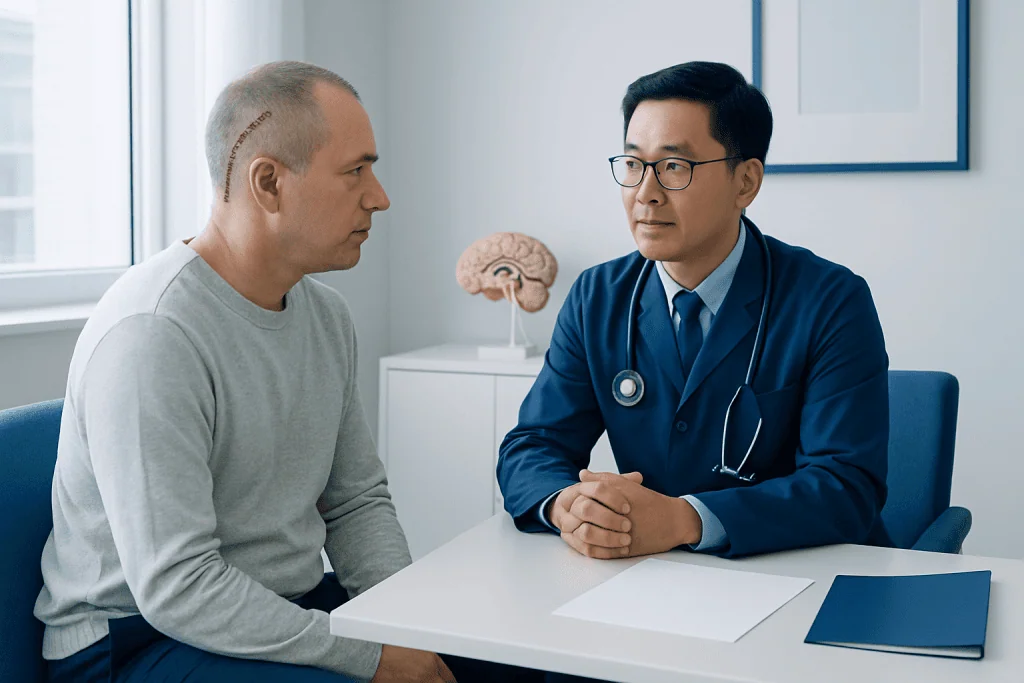
Once at home, the first few weeks are often about balancing rest with gentle activity. Fatigue is one of the most common complaints after neurosurgery. Even simple tasks may feel draining, and concentration may be reduced. This can be frustrating, but it is often a normal part of healing after anesthesia, surgery, hospitalization, and nervous system stress.
Incision healing also continues during this period. Mild tenderness, itching, or firmness around the wound can occur, but the area should generally become less painful over time. The care team may advise keeping the incision clean and dry, watching for redness or discharge, and avoiding activities that could strain the wound. Patients should always follow their surgeon’s specific instructions, since care can differ by procedure.
Symptoms related to the original condition may improve quickly, slowly, or in stages. For example, pressure-related symptoms from a brain lesion may ease once swelling settles, while nerve-related symptoms can take longer. Some people notice emotional changes as well, such as anxiety, tearfulness, irritability, or low mood. These reactions can be influenced by the surgery itself, sleep disruption, medications, and the stress of recovery.
Follow-up appointments are especially important in the first weeks. The surgeon may review pathology or imaging results, remove staples or sutures if needed, assess neurological recovery, and adjust restrictions. Patients recovering from procedures related to brain tumors or other neurological conditions may also meet additional specialists to discuss ongoing care and monitoring.
The Following Months: Gradual Healing and Rehabilitation
In the months after neurosurgery, progress often becomes more functional. Patients may start walking farther, doing more self-care, returning to light household tasks, or beginning a phased return to work. However, recovery remains highly individual. Some people improve steadily within a few months, while others need a longer period of rehabilitation and observation.
The nervous system can recover slowly. Nerves and brain pathways do not always respond as quickly as skin and muscle healing. Because of this, symptoms such as numbness, weakness, balance problems, slowed thinking, visual changes, or speech difficulty may continue to improve over time rather than disappearing immediately. Rehabilitation therapies can be very valuable in helping the brain and body adapt.
Depending on the surgery, some patients may need repeat imaging, seizure monitoring, medication adjustments, or longer-term neurological follow-up. This is especially true after surgery for conditions such as vascular abnormalities, tumors, hydrocephalus, or complex spine disease. In selected situations, rehabilitation may be paired with further specialized care such as physical therapy and rehabilitation to support movement, endurance, and independence.
Patients and families should remember that setbacks do not always mean failure. A tiring week, temporary increase in symptoms after too much activity, or slower-than-expected improvement can happen. The most helpful approach is usually steady pacing, honest communication with the care team, and attention to the goals that matter most in daily life.
Common Symptoms During Recovery and When They May Need Attention
Symptoms during neurosurgery recovery vary, but some are relatively common. These may include tiredness, headache, mild nausea, constipation, temporary swelling, pain at the incision, neck or back stiffness, reduced appetite, and sleep changes. Patients may also notice mood changes, short-term memory lapses, or lower stamina than expected. In many cases, these gradually improve with time, hydration, nutrition, movement, and rest.
Neurological symptoms may also fluctuate. After certain procedures, there may be temporary changes in speech, sensation, coordination, or strength. Medications such as anti-seizure drugs, steroids, or pain medicines can affect energy, sleep, and mood as well. Because symptoms can come from several different causes, it is safest not to assume that every new symptom is either normal or dangerous without guidance.
Urgent medical advice should be sought if there are signs that could suggest a complication. Examples include worsening headache, repeated vomiting, seizures, increasing drowsiness, new confusion, fainting, fever, fluid leaking from the wound or nose, spreading redness at the incision, sudden vision changes, chest pain, shortness of breath, or new weakness or numbness. These symptoms do not always mean a serious problem, but they should be assessed promptly.
Patients are sometimes unsure whether to call because they do not want to overreact. In recovery after brain or spine surgery, it is generally better to ask. Early advice can help identify infection, bleeding, fluid buildup, medication side effects, or other issues before they become more serious.
Treatment, Follow-up, and Self-care During Recovery
Recovery care after neurosurgery usually includes more than waiting for time to pass. The treatment plan may involve pain control, anti-seizure medication, steroids, bowel support, wound checks, follow-up imaging, and rehabilitation therapies. Some patients also need treatment for the underlying condition that made surgery necessary, such as a tumor, vascular problem, or spinal disorder.
Self-care makes a meaningful difference. Patients are often advised to take medicines exactly as prescribed, attend all follow-up visits, drink enough fluids unless told otherwise, eat balanced meals, avoid smoking, and increase activity gradually. Light walking is often encouraged when safe, while heavy lifting, intense exercise, bending, or driving may need to wait until the surgeon approves. Alcohol may also need to be limited or avoided, especially with certain medications or seizure risk.
At home, practical support can be important. Family members or caregivers may help with meals, medications, transport, and observation in the early days. It can also help to keep a written list of symptoms, questions, and medication times. Patients dealing with weakness, balance issues, or reduced endurance may benefit from structured support such as neurological rehabilitation during this stage.
Near the end of recovery planning, some patients seek coordinated care across specialties, especially if they are traveling for treatment or need ongoing assessment. Acibadem International’s multidisciplinary specialists and JCI-accredited hospitals diagnose and treat neurosurgical conditions for international patients, with care plans that can include surgery, follow-up, and rehabilitation when appropriate.
When to See a Doctor and Questions to Ask
Patients should contact their doctor any time recovery does not seem to be moving in the right direction. Medical advice is especially important if symptoms are worsening instead of improving, if pain is not controlled, if the incision looks infected, or if new neurological symptoms appear. Regular follow-up matters even when recovery seems smooth, because some issues are easier to detect during scheduled review.
It can help to prepare questions before each appointment. Useful topics include how much activity is safe, when to return to work or school, when driving may be allowed, how long medications will continue, what symptoms are expected, and when imaging or further tests may be needed. For people recovering after procedures related to brain aneurysm treatment or other complex conditions, long-term monitoring may be part of routine care.
Family members should also know the plan, especially if the patient feels tired, forgetful, or overwhelmed. A clear understanding of red-flag symptoms, medication schedules, and emergency contacts can make home recovery safer and less stressful. Written instructions are often easier to follow than trying to remember everything after discharge.
Most importantly, recovery should not be judged only by speed. The goal is safe healing, the best possible neurological function, and a supported return to daily life. With patience, good follow-up, and the right rehabilitation when needed, many patients make meaningful progress over time.
Frequently asked questions
How long does neurosurgery recovery usually take?
Recovery time varies widely depending on the type of surgery, the part of the nervous system treated, and the patient’s overall health. Some people recover basic function within weeks, while others continue improving over several months. The surgeon can give the most accurate estimate based on the specific procedure.
Is it normal to feel very tired after neurosurgery?
Yes, fatigue is very common after neurosurgery. The body is healing from anesthesia, the operation itself, and the stress of hospitalization. Energy usually improves gradually, but persistent or worsening exhaustion should be discussed with a doctor.
When can a patient return to work or drive after neurosurgery?
This depends on the surgery, symptoms, medications, and whether there is any risk of seizures or reduced reaction time. Some patients return to light work relatively soon, while others need a longer break or a phased return. Driving should only resume when the treating doctor says it is safe and legally appropriate.
What symptoms after neurosurgery should not be ignored?
Symptoms that need prompt medical attention include worsening headache, repeated vomiting, new weakness, seizures, increasing confusion, fever, or discharge from the wound. Shortness of breath, chest pain, or sudden vision changes also need urgent assessment. When in doubt, it is safest to contact the care team.
Will rehabilitation be needed after neurosurgery?
Not everyone needs formal rehabilitation, but many patients benefit from it. Physical, occupational, or speech therapy may help with strength, balance, daily activities, communication, or thinking skills. Rehabilitation is especially useful when surgery affects mobility or neurological function.
Can mood or memory changes happen during recovery?
Yes, temporary changes in mood, memory, concentration, or sleep can happen after neurosurgery. These may be related to the surgery, medications, stress, or the underlying neurological condition. If these changes are severe, persistent, or troubling, the doctor should be informed.
References
- World Health Organization
- National Institute of Neurological Disorders and Stroke
- American Association of Neurological Surgeons
- National Health Service
- MedlinePlus
This article is for general information only and is not a substitute for professional medical advice. Please consult a qualified doctor about your individual situation.
Neurosurgery in Turkey — costs, top hospitals & a free quote
JCI-accredited · board-certified surgeons · reply within 24h
Add us as a Preferred Source to see more of our trusted health content across Google Search, AI Overviews and Discover.
Check your numbers in seconds
BMI, calories, due date, blood pressure and 30+ more clinical calculators — free, instant, doctor-reviewed ranges.

Neurosurgery
Surgical treatment of the brain, spine and nervous system, including minimally invasive and functional procedures.
70 specialists in this unitMore from the Health Library



Related Specialists

Dr. Merve Karaca
Pediatrics
Assoc. Prof. Dr. Omar Yusef Kudsı
General Surgery
Assoc. Prof. Dr. Oğuz Kaan Ünal
Endocrinology
Dt. Aydın Akçakoca
Oral & Dental Health