Non Surgical Skin Cancer Treatment: Procedure, Recovery and Results
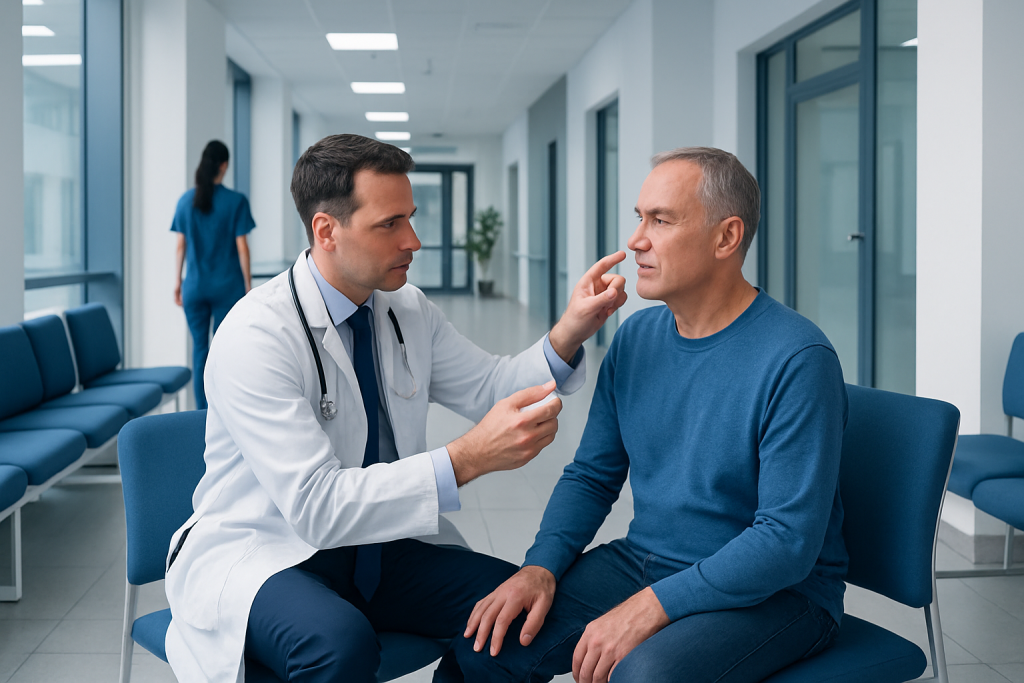
Non-surgical approaches are mainly used for carefully selected superficial or low-risk skin cancers. A biopsy is usually needed before treatment to confirm the cancer type and guide planning.
Key Takeaways
- Non-surgical approaches are mainly used for carefully selected superficial or low-risk skin cancers.
- A biopsy is usually needed before treatment to confirm the cancer type and guide planning.
- Topical therapy, freezing, photodynamic therapy and radiation work differently and have different recovery periods.
- Surgery remains the preferred treatment for many high-risk, recurrent or deeply invasive skin cancers.
- Regular follow-up and sun protection are important because a previous skin cancer increases the chance of another one.
Non surgical skin cancer treatment can be appropriate for some early, low-risk skin cancers or for people who cannot have surgery. Options include topical medicines, cryotherapy, photodynamic therapy and radiation, but the best approach depends on the exact cancer type, depth, site and a person’s overall health.
Non Surgical Skin Cancer Treatment: What It Involves
Non surgical skin cancer treatment describes methods that destroy cancer cells without removing the lesion through an operation. These approaches can be useful for selected basal cell carcinomas, squamous cell carcinoma in situ (Bowen disease), and precancerous actinic keratoses. They are not interchangeable: the right option depends on the confirmed diagnosis, how deeply cells extend into the skin, the lesion’s size and location, and whether it has been treated before.
Common options include prescription creams that stimulate an immune response or interfere with cancer-cell growth, cryotherapy (controlled freezing), photodynamic therapy (a light-activated treatment), and radiation therapy. Less commonly, certain systemic medicines may be considered for advanced basal cell or squamous cell cancer when local treatment is unsuitable. A dermatologist or skin-cancer multidisciplinary team can explain whether a non-surgical option is likely to provide reliable cancer control.
Non-surgical treatment is not necessarily a “lighter” treatment. It may require several visits, weeks of home application, planned skin reactions, or long-term monitoring. In some situations, removing the cancer surgically offers the clearest way to confirm that it has been completely treated, particularly for cancers with aggressive features or those in high-risk areas such as the nose, eyelids, ears, lips and scalp.
How Non-Surgical Treatments Work and Who May Be a Candidate
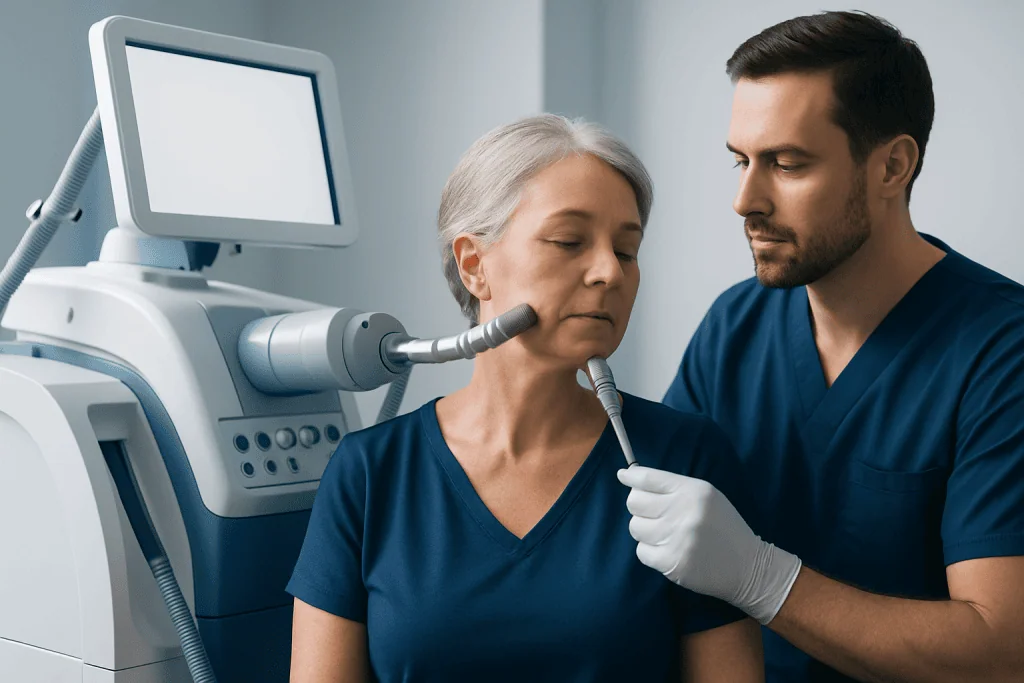
Topical treatments are applied directly to the affected skin over a prescribed course. Imiquimod helps the immune system attack abnormal cells, while 5-fluorouracil disrupts the growth of certain abnormal and cancerous cells. These medicines may be used for superficial basal cell carcinoma or squamous cell carcinoma in situ in appropriate locations. Redness, crusting and irritation during therapy can be expected and may indicate that the skin is responding, but the treating clinician should guide care.
Cryotherapy uses liquid nitrogen to freeze abnormal tissue. It is often used for actinic keratoses and may be considered for some very small, superficial, low-risk lesions. Photodynamic therapy involves applying a photosensitising cream, allowing it to be absorbed, then exposing the area to a specific light source. The light activates the medicine and damages targeted cells; it can be helpful for some superficial lesions and areas with multiple precancerous changes.
Radiation therapy directs carefully planned radiation at the cancer to damage its cells while limiting exposure to surrounding tissue. It can be an option when surgery would be difficult because of location, health conditions, or anticipated impact on function. Candidates for non-surgical treatment generally have a biopsy-proven, low-risk lesion, can attend follow-up appointments, and understand that persistent or recurrent cancer may still need surgery. People with recurrent, large, poorly defined, rapidly growing, deeply invasive or high-risk cancers are more often advised to have surgery or another specialised approach.
What Happens Before, During and After the Procedure
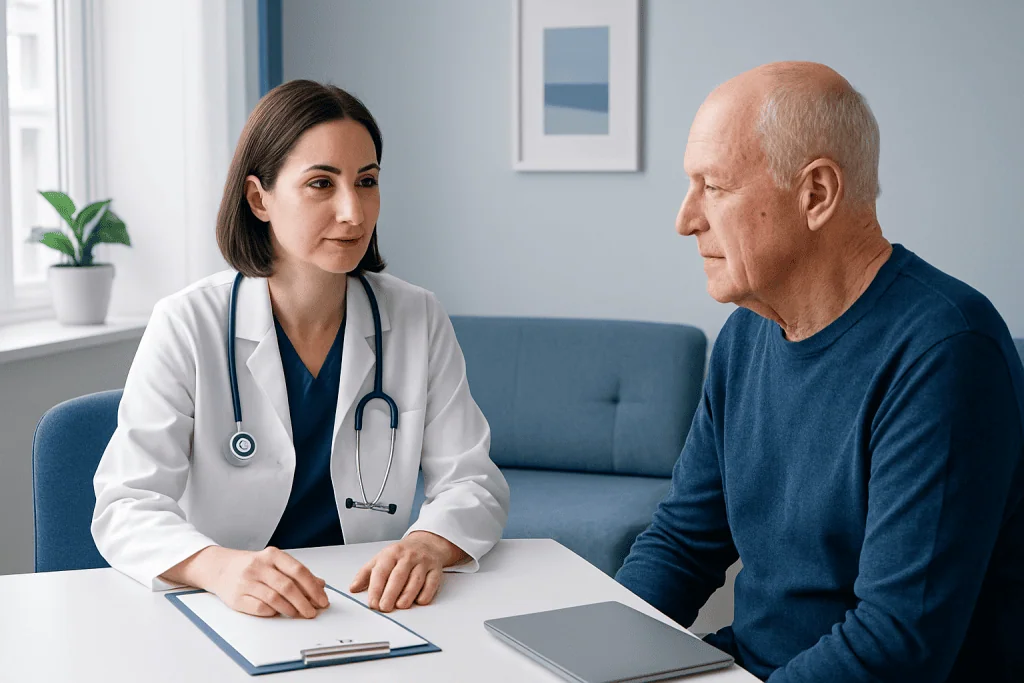
The process begins with a clinical skin examination and, in most cases, a biopsy. A small sample is examined under a microscope to identify whether the lesion is basal cell carcinoma, squamous cell carcinoma, melanoma or another condition. This step is essential because melanoma and invasive squamous cell carcinoma usually need prompt surgical assessment rather than topical or destructive treatment. Information about immune-system medicines, previous radiation, bleeding risks and past skin cancers also helps guide planning.
For cryotherapy, the clinician applies liquid nitrogen to the lesion for a controlled period, sometimes in repeated freeze-thaw cycles. The treatment itself is brief. For photodynamic therapy, a medicated cream is applied and later activated with light; temporary burning or stinging may occur during illumination. Topical treatment is completed at home according to a tailored schedule, with review visits to check the reaction and response.
Radiation treatment requires a planning appointment, sometimes including imaging or a mould to help position the treatment area. Radiation is usually given in short outpatient sessions over a schedule determined by the radiation oncologist. It does not make a person radioactive after the session. Specialists may also discuss skin cancer treatment options that best match the type and stage of disease.
- Before treatment: diagnosis is confirmed and the lesion is assessed for risk features.
- During treatment: the aim is to treat the visible lesion and, when appropriate, a small surrounding margin.
- After treatment: the area is examined over time to confirm healing and look for recurrence or new lesions.
Recovery Timeline, Benefits and Possible Risks
Recovery varies by treatment. After cryotherapy, the area may become red, swollen or blistered within a day, then form a scab and heal over roughly one to several weeks. Colour change in the treated skin can remain after healing. With topical medicines, inflammation often builds gradually during the prescribed course and may take several weeks to settle after treatment finishes. The clinician can advise on gentle cleansing, moisturising or dressings if needed.
Photodynamic therapy can leave the treated area tender, red and crusted for several days. Strict protection from bright light is especially important immediately after treatment because the photosensitising medicine can temporarily increase light sensitivity. After radiation, skin changes typically develop gradually during the course or shortly afterward and can include redness, dryness, peeling, itching or soreness. Most acute effects improve over weeks, although long-term changes in colour, texture or hair growth can occur.
Potential benefits of non-surgical care include avoiding an incision, preserving tissue in selected locations, and treating multiple superficial abnormalities across an area of sun-damaged skin. The limitations are equally important: some methods do not provide a surgical specimen to confirm clear margins, may be less suitable for deeper cancer, and can have a higher chance of recurrence in certain situations. Follow-up is therefore part of treatment, not an optional extra. A new bump, ulcer, persistent scab or change within the treated site should be assessed promptly.
Does Your Body Feel Different With Skin Cancer?
Many skin cancers do not cause a general change in how the body feels. Basal cell carcinoma and early squamous cell carcinoma are often local skin problems, and a person may otherwise feel well. The most noticeable change is commonly at the lesion itself: a sore that does not heal, a spot that bleeds or crusts repeatedly, a pearly bump, a rough scaly patch, or a changing growth.
Some lesions may itch, sting, feel tender, bleed after minor contact, or form a persistent scab. These symptoms are not specific to cancer; benign conditions such as eczema, warts and minor injuries can look or feel similar. However, a spot that is new, changing, repeatedly bleeding or not healing should be examined by a qualified clinician rather than self-treated.
Feeling unusually tired, losing weight without explanation, having persistent pain or noticing enlarged lymph nodes does not occur with most early skin cancers, but such symptoms deserve medical assessment. They can have many possible causes. Early evaluation helps ensure that skin findings and general symptoms are investigated appropriately.
What Is the Life Expectancy for Someone With Basal Cell Carcinoma?
For most people, basal cell carcinoma has an excellent outlook when it is diagnosed and treated appropriately. It grows locally and only very rarely spreads to distant parts of the body. In typical cases, it does not shorten life expectancy, especially when treatment is completed and follow-up is maintained.
Even so, basal cell carcinoma should not be ignored. If left untreated, it can slowly grow into nearby skin, cartilage, muscle or bone and may become more complicated to manage. Rare advanced cases can occur, particularly when a lesion has been neglected for a long time, has returned after treatment, or develops in someone with a weakened immune system.
A previous basal cell carcinoma also means there is a higher chance of developing another skin cancer in the future. Regular professional skin examinations, self-checks and consistent ultraviolet protection can help identify new lesions early. For background on related disease, see basal cell carcinoma.
Is It Safe to Go to the Beach After Having Skin Cancer?
Having had skin cancer does not automatically mean a person can never visit the beach. However, ultraviolet radiation is a major preventable cause of many skin cancers, so careful sun protection is particularly important. The safest approach is to limit direct exposure, especially when the sun is strongest, seek shade, and avoid deliberate tanning and tanning beds.
Protective clothing with long sleeves, a wide-brimmed hat and UV-filtering sunglasses can provide dependable protection. Broad-spectrum sunscreen should be applied to uncovered skin and reapplied as directed on the product, particularly after swimming or sweating. Sand and water can reflect ultraviolet rays, so shade and protective clothing remain useful even on cloudy days.
Following a procedure, swimming, sun exposure and sunscreen use directly over a healing wound may need to be delayed. The treating team can give individual guidance based on the procedure, wound condition and medication used. People receiving photodynamic therapy may have specific light-avoidance instructions immediately after treatment, while skin treated with radiation may remain more sensitive for some time.
Can You Show Me Pictures of Skin Cancer That Looks Like a Wart?
A clinician should not diagnose skin cancer from an online image alone, and this article cannot provide a reliable visual diagnosis. Some squamous cell carcinomas can resemble a wart: they may be raised, rough, thickened, crusted or horn-like. Warts themselves are common and harmless, so appearance alone cannot confidently distinguish one from the other.
A growth should be examined if it is new in adulthood, enlarging, painful, firm, bleeding, ulcerated, changing colour, or does not improve as expected. A wart-like lesion that persists despite over-the-counter wart products should also be reviewed, especially in an older adult or a person with immune suppression. Avoid cutting, burning or repeatedly treating an uncertain lesion at home, as this can delay diagnosis and irritate the skin.
Dermatologists may use dermoscopy, a magnified light examination, and can perform a biopsy when needed. The biopsy provides the most reliable answer about whether a lesion is benign, precancerous or cancerous. If cancer is confirmed, the treatment plan is based on the specific pathology result rather than its outward appearance.
When to Seek Medical Care
Medical assessment is recommended for a skin spot that changes in size, shape, colour or texture; a wound that does not heal within several weeks; or a lesion that repeatedly bleeds, crusts, itches or hurts. Prompt review is particularly important for a rapidly growing nodule, a persistent scaly patch, or a dark lesion that is asymmetrical or changing. These signs do not always mean cancer, but they merit a professional examination.
People who have previously had skin cancer, take medicines that suppress the immune system, have received radiation to the skin, or have extensive sun damage may benefit from regular dermatology follow-up. Do not wait for discomfort: early skin cancers can be painless. A clinician can decide whether monitoring, dermoscopy or biopsy is appropriate.
Acibadem International’s multidisciplinary specialists and JCI-accredited hospitals diagnose and treat skin cancer for international patients, coordinating dermatology, pathology, surgery and radiation oncology when needed. The most appropriate treatment is always individualised after assessment of the lesion and the person’s health.
Frequently asked questions
Can all skin cancers be treated without surgery?
No. Non-surgical treatments are mainly used for selected superficial or low-risk non-melanoma skin cancers and precancerous lesions. Melanoma, invasive squamous cell carcinoma, recurrent lesions and cancers with high-risk features often require surgery or another specialist-led treatment plan.
Is non surgical skin cancer treatment painful?
Discomfort depends on the method used. Cryotherapy may sting briefly, photodynamic therapy can cause burning during light exposure, and topical medicines commonly cause soreness or irritation as the skin reacts. Radiation treatment itself is painless, although treated skin can become sensitive over time.
How successful are creams for skin cancer?
Prescription creams can be effective for carefully selected superficial basal cell carcinomas or squamous cell carcinoma in situ. They are not suitable for every skin cancer, and visible clearance does not replace scheduled follow-up. A biopsy and clinician assessment help determine whether a cream is appropriate.
Can skin cancer return after non-surgical treatment?
Yes. A treated lesion can persist or recur, and people who have had one skin cancer can develop new cancers elsewhere on the skin. Follow-up examinations help identify recurrence early, when further treatment is often more straightforward.
How long does skin take to heal after cryotherapy for a skin lesion?
Many areas heal in about one to several weeks, depending on the size, location and depth of freezing. A blister or scab can form before the skin repairs itself. Persistent redness, drainage, worsening pain or a lesion that does not heal should be reviewed by a clinician.
Can I use over-the-counter wart remover on a suspected skin cancer?
No. Wart removers can irritate or damage skin and may obscure changes that a clinician needs to assess. Any growth that is new, changing, bleeding, persistent or unusual should be examined before home treatment is used.
References
- American Academy of Dermatology
- National Cancer Institute
- American Cancer Society
- National Comprehensive Cancer Network
- World Health Organization
This article is for general information only and is not a substitute for professional medical advice. Please consult a qualified doctor about your individual situation.
Skin Cancer in Turkey — costs, top hospitals & a free quote
JCI-accredited · board-certified surgeons · reply within 24h
Add us as a Preferred Source to see more of our trusted health content across Google Search, AI Overviews and Discover.

More from the Health Library
Related Specialists
Assoc. Prof. Dr. Mert Akan
Anesthesiology
Fzt. Kübra Otabaş
Physical Medicine & Rehabilitation
Dr. Gülin Muradiye Öztürk
Radiology
Assoc. Prof. Dr. Ata Can
Orthopedic Surgery & Traumatology