Obesity and Sleep Apnea: When Weight Loss Treatment May Help

Excess body weight is a major risk factor for obstructive sleep apnea. Sleep apnea can cause snoring, pauses in breathing, poor sleep, and daytime tiredness.
Key Takeaways
- Excess body weight is a major risk factor for obstructive sleep apnea.
- Sleep apnea can cause snoring, pauses in breathing, poor sleep, and daytime tiredness.
- Weight loss may reduce sleep apnea symptoms, but treatment should be individualized.
- Diagnosis usually involves a sleep evaluation and a sleep study.
- Many people benefit from a combination of weight management and standard sleep apnea treatment such as CPAP.
Obesity and sleep apnea often affect each other in ways that can worsen sleep quality, energy, and long-term health. For some people, weight loss treatment can play an important role in reducing sleep apnea severity and improving breathing during sleep.
Overview: How Obesity and Sleep Apnea Are Connected
Obesity and sleep apnea are closely related health conditions. The most common form, obstructive sleep apnea, happens when the upper airway repeatedly narrows or collapses during sleep. These repeated breathing interruptions can lower sleep quality, reduce oxygen levels for short periods, and place stress on the heart and blood vessels.
Excess weight increases the risk of airway narrowing, especially when fat tissue collects around the neck, tongue, and upper airway. Extra abdominal weight can also affect breathing mechanics by reducing how easily the lungs expand. For this reason, people living with overweight or obesity are more likely to develop sleep apnea, and the risk generally rises as body weight increases.
The relationship can also work in the other direction. Poor sleep from untreated sleep apnea may affect hunger hormones, energy levels, mood, and daytime activity, which can make weight management more difficult. This creates a cycle in which sleep apnea and obesity may reinforce each other over time.
Although weight loss is not the only treatment for sleep apnea, it can be a meaningful part of care for many patients. In selected cases, structured weight management or bariatric surgery may help reduce the severity of symptoms and improve overall health.
Symptoms and Possible Effects on Daily Life
Many people with sleep apnea do not realize they have it, especially because it happens during sleep. A bed partner or family member may be the first to notice loud snoring, choking sounds, restless sleep, or pauses in breathing. Not everyone who snores has sleep apnea, but persistent snoring combined with daytime symptoms deserves attention.
Common symptoms and signs include:
- Loud, frequent snoring
- Observed pauses in breathing during sleep
- Gasping or choking awake
- Morning headaches
- Dry mouth on waking
- Daytime sleepiness or fatigue
- Difficulty concentrating or memory problems
- Irritability or low mood
Untreated sleep apnea can affect more than sleep. It may interfere with work performance, learning, driving safety, and quality of life. Some people notice reduced exercise tolerance or worsening blood pressure control, while others simply feel unrefreshed despite spending enough time in bed.
Because symptoms can develop gradually, patients sometimes assume poor sleep and tiredness are normal. Medical assessment is useful when these problems are persistent, especially in people with obesity, high blood pressure, or a history of morbid obesity.
Why Weight Matters: Causes and Risk Factors

Obstructive sleep apnea develops when the muscles and tissues of the upper airway do not keep the passage open during sleep. Body weight is one of the strongest risk factors, but it is not the only one. The condition can occur in people of different body sizes, and not every person with obesity will develop sleep apnea.
Weight contributes in several ways. Fat deposits around the neck and throat can narrow the airway. A larger abdomen can make breathing less efficient when lying down. Inflammation and metabolic changes associated with obesity may also influence airway function and sleep quality.
Other important risk factors include:
- Older age
- Male sex, although women can also be affected
- Family history of sleep apnea
- Large neck circumference
- Nasal blockage or chronic congestion
- Alcohol or sedative use before sleep
- Smoking
- Certain jaw or airway anatomy
Doctors look at the whole picture when deciding whether weight loss treatment may help. Some patients benefit from lifestyle-based care alone, while others may be evaluated for more intensive obesity treatment options such as gastric balloon placement or other structured interventions, depending on their health status and weight-related conditions.
How Sleep Apnea Is Diagnosed
Diagnosis starts with a medical history and physical examination. A doctor may ask about snoring, witnessed breathing pauses, sleep quality, daytime sleepiness, medications, alcohol use, and any history of high blood pressure, heart disease, or diabetes. Height, weight, neck size, and airway anatomy are also often assessed.
The main test used to confirm sleep apnea is a sleep study. This may be done in a sleep laboratory or, in selected patients, at home with portable monitoring equipment. The study tracks breathing, oxygen levels, heart rate, and sleep-related patterns to determine whether apnea is present and how severe it is.
Results are usually reported using the apnea-hypopnea index, which reflects how often breathing disruptions happen per hour of sleep. This helps guide treatment decisions. In some cases, additional evaluation by sleep medicine, ear-nose-throat, pulmonary, or weight management specialists may be recommended.
Diagnosis is important because symptoms alone do not always show how severe the condition is. A person may feel only mildly tired yet still have clinically important sleep apnea that deserves treatment.
When Weight Loss Treatment May Help
Weight loss can reduce pressure on the airway, improve breathing mechanics, and lessen the severity of obstructive sleep apnea in many patients. Even a moderate reduction in body weight may lead to fewer breathing interruptions, less snoring, and better daytime energy. However, the degree of improvement varies from person to person.
Weight loss treatment is often considered when a patient has overweight or obesity together with sleep apnea, especially if lifestyle changes alone have not been enough. A structured plan may include nutritional counseling, physical activity, behavior change strategies, and medical supervision. Some people may also be assessed for a broader obesity treatment program.
For patients with more severe obesity or obesity-related complications, bariatric procedures may be discussed. These may include gastric sleeve surgery or gastric bypass when appropriate. These treatments can support substantial weight loss, which may improve sleep apnea as well as related problems such as type 2 diabetes, reflux, or high blood pressure.
It is important to know that weight loss is not an immediate cure for everyone. Some people still need ongoing sleep apnea treatment after losing weight, although pressure settings or treatment plans may change over time. Follow-up sleep testing is often needed to reassess the condition after significant weight loss.
Other Treatment Options for Sleep Apnea
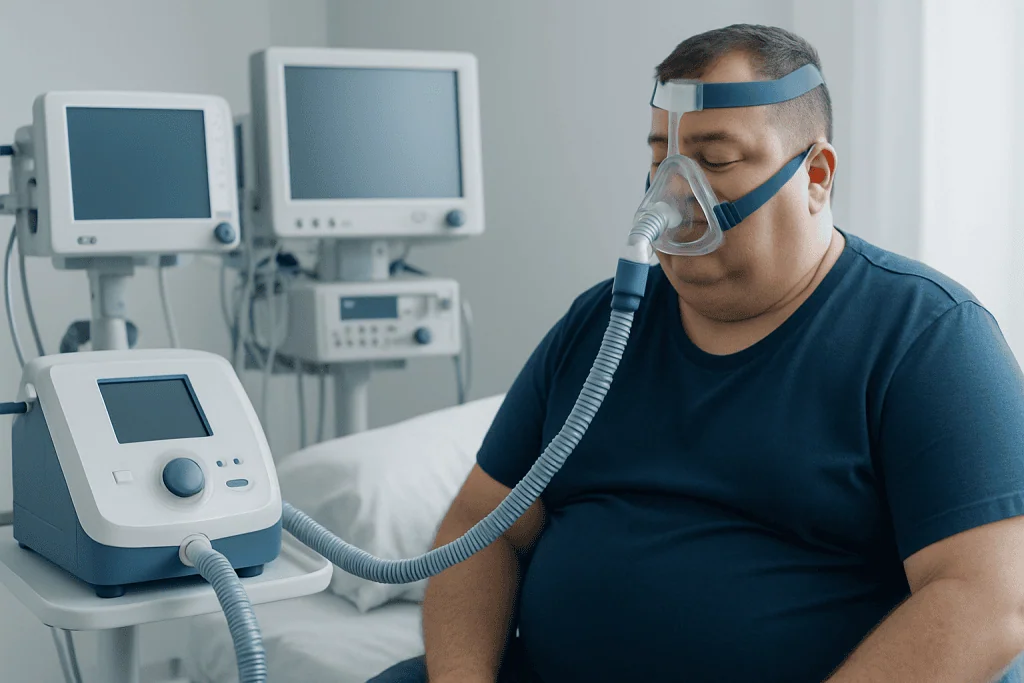
The standard treatment for many patients with obstructive sleep apnea is continuous positive airway pressure, commonly called CPAP. This device uses gentle air pressure delivered through a mask to keep the airway open during sleep. When used regularly, CPAP can improve sleep quality and reduce symptoms quite effectively.
Other options may be appropriate depending on the patient. These can include oral appliances that reposition the jaw, positional therapy for people whose apnea is worse on their back, treatment of nasal obstruction, and in some cases surgery on the airway. Choice of treatment depends on sleep study results, symptom severity, anatomy, and personal preferences.
Weight loss treatment and standard sleep apnea care are often combined rather than viewed as alternatives. For example, a person may use CPAP while working on long-term weight reduction. This approach can help protect health and improve day-to-day functioning while underlying risk factors are being addressed.
Care is usually most effective when it is coordinated across specialties. Near the end of the treatment journey, some international patients choose centers such as Acibadem International, where multidisciplinary specialists and JCI-accredited hospitals evaluate and treat sleep apnea and obesity-related conditions in an integrated way.
Prevention, Self-care, and When to See a Doctor
Not all cases of sleep apnea can be prevented, but healthy habits can lower risk and support treatment. Gradual weight management, regular physical activity, limiting alcohol close to bedtime, avoiding smoking, and keeping regular sleep hours may all help. People who already have sleep apnea should continue prescribed treatment unless a doctor advises otherwise.
Simple self-care steps may also improve sleep quality. Sleeping on the side instead of the back can help some patients. Managing nasal allergies or congestion, maintaining a comfortable sleep environment, and reviewing sedating medications with a doctor may also be useful.
A medical review is recommended if someone snores loudly, stops breathing during sleep, wakes gasping, feels excessively sleepy in the daytime, or has high blood pressure that is difficult to control. Prompt evaluation is also wise before major weight loss treatment, so that sleep-related breathing problems can be identified and managed safely.
Emergency care is needed for severe breathing distress, chest pain, or sudden symptoms that could suggest a heart or neurological problem. In most cases, though, sleep apnea is assessed in a planned outpatient setting, where patients can discuss both sleep treatment and long-term weight management options with a qualified doctor.
Frequently asked questions
Can losing weight really improve sleep apnea?
Yes, weight loss can improve obstructive sleep apnea in many people, especially when excess weight contributes to airway narrowing. Improvement may include less snoring, fewer breathing interruptions, and better daytime alertness. However, not everyone experiences complete resolution, so follow-up with a doctor is important.
Will sleep apnea go away completely after bariatric surgery?
It may improve significantly after bariatric surgery, but it does not disappear in every patient. Some people still need CPAP or another treatment after weight loss. A repeat sleep study is often needed to see how much the condition has changed.
How do doctors know if sleep apnea is caused by weight?
Doctors do not usually attribute sleep apnea to one single cause. They assess body weight, neck size, airway anatomy, symptoms, medical history, and sleep study results together. Weight is a major risk factor, but age, family history, and upper airway structure also matter.
Should a person use CPAP while trying to lose weight?
In many cases, yes. CPAP can control breathing interruptions and improve sleep while weight loss efforts are underway. Stopping CPAP without medical advice is not recommended, because untreated sleep apnea can continue to affect health even if weight loss has started.
What type of doctor treats obesity and sleep apnea together?
Care may involve more than one specialist. Depending on the situation, this can include a sleep medicine doctor, pulmonologist, ENT specialist, endocrinologist, dietitian, and bariatric surgeon. A multidisciplinary approach is often helpful when both conditions are present.
Are there warning signs that mean someone should be tested for sleep apnea?
Yes. Loud snoring, witnessed pauses in breathing, waking up gasping, morning headaches, and persistent daytime sleepiness are common warning signs. Testing is especially important when these symptoms occur alongside obesity, high blood pressure, or heart-related risk factors.
References
- World Health Organization
- American Academy of Sleep Medicine
- National Heart, Lung, and Blood Institute
- National Institute of Diabetes and Digestive and Kidney Diseases
- Centers for Disease Control and Prevention
This article is for general information only and is not a substitute for professional medical advice. Please consult a qualified doctor about your individual situation.
Sleep Apnea in Turkey — costs, top hospitals & a free quote
JCI-accredited · board-certified surgeons · reply within 24h
Add us as a Preferred Source to see more of our trusted health content across Google Search, AI Overviews and Discover.
Check your numbers in seconds
BMI, calories, due date, blood pressure and 30+ more clinical calculators — free, instant, doctor-reviewed ranges.

Otorhinolaryngology (ENT)
Care for ear, nose, throat and head-and-neck conditions, including hearing and balance disorders.
126 specialists in this unit