Orchitis in Men: Causes, Treatment, and How Long Recovery Takes

Orchitis commonly causes testicular pain, swelling, tenderness, and sometimes fever. It may be caused by viruses such as mumps or by bacterial infections, including urinary or sexually transmitted infections.
Key Takeaways
- Orchitis commonly causes testicular pain, swelling, tenderness, and sometimes fever.
- It may be caused by viruses such as mumps or by bacterial infections, including urinary or sexually transmitted infections.
- Treatment depends on the cause and may include rest, scrotal support, pain relief, and antibiotics when bacteria are involved.
- Recovery time varies, but many men improve over days to a few weeks, while swelling can take longer to fully settle.
- Sudden severe testicular pain needs urgent medical attention to rule out testicular torsion and other emergencies.
Orchitis is inflammation of one or both testicles, most often linked to a viral or bacterial infection. With prompt evaluation and supportive care, most men recover well, but ongoing pain, swelling, or fever should be assessed by a doctor.
Overview
Orchitis is inflammation of a testicle. It can affect one testicle or, less commonly, both. The condition may develop on its own, but it often occurs alongside inflammation of the epididymis, the coiled tube behind the testicle that stores and carries sperm. When both structures are inflamed, the condition is called epididymo-orchitis.
In many cases, orchitis is triggered by an infection. Viral infections, especially mumps, are a classic cause. Bacterial infections can also spread from the urinary tract, prostate, or sexually transmitted infections. The result is swelling, pain, and tenderness in the scrotum.
Although orchitis can be uncomfortable, it is often treatable. Early medical evaluation is important because symptoms of orchitis can overlap with other causes of testicular pain, including testicular torsion, which is a medical emergency. A doctor can confirm the cause and guide the most appropriate care.
Symptoms of orchitis
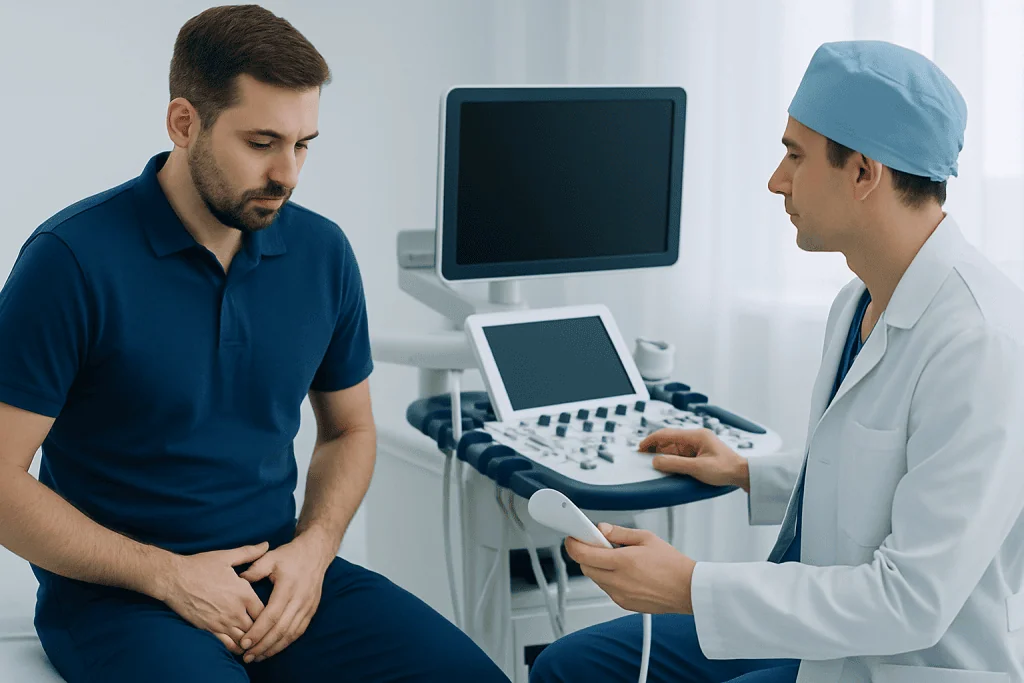
Symptoms of orchitis can begin suddenly or develop more gradually, depending on the cause. The main symptom is pain or tenderness in one or both testicles. The scrotum may appear swollen, warm, or red, and discomfort can range from mild soreness to more intense pain.
Some men also notice general signs of infection or inflammation. These may include fever, chills, a feeling of being unwell, nausea, or fatigue. Pain may spread to the groin, lower abdomen, or lower back. Walking, standing, or physical activity may make the discomfort worse.
When orchitis is linked to a bacterial infection, there may also be urinary or genital symptoms. These can include burning with urination, frequent urination, discharge from the penis, or pain with ejaculation. Because the epididymis is often involved, doctors may also consider related conditions such as epididymitis.
- Testicular pain or tenderness
- Scrotal swelling, warmth, or redness
- Fever or chills
- Groin or lower abdominal pain
- Burning urination or urinary frequency
- Penile discharge in some bacterial or sexually transmitted infections
Causes and risk factors

Viral orchitis is most often associated with mumps, especially in males who develop mumps after puberty. In these cases, testicular inflammation may appear several days after swelling of the salivary glands, although it can occasionally occur without the classic facial swelling. Other viruses may also be involved, but mumps remains the best-known example.
Bacterial orchitis is commonly related to an infection that spreads from nearby structures. This may happen with urinary tract infections, prostate infections, or untreated sexually transmitted infections such as gonorrhea or chlamydia. In younger sexually active men, sexually transmitted infections are an important consideration. In older men, urinary obstruction, prostate enlargement, catheter use, or recent urologic procedures may raise the risk.
Other factors can increase the chance of developing orchitis or related inflammation. These include lack of vaccination against mumps, a history of recurrent urinary infections, unprotected sex, structural urinary tract problems, and recent infection involving the genital or urinary system. If there are signs of infection higher in the urinary tract, doctors may also evaluate for related issues such as urinary infections or complicated UTI.
How orchitis is diagnosed
Diagnosis begins with a medical history and physical examination. A doctor asks about the onset of pain, fever, urinary symptoms, recent infections, sexual history, and any injuries. During the examination, the scrotum is checked for swelling, tenderness, warmth, and whether one or both testicles are affected.
Because several conditions can cause testicular pain, testing may be needed to identify the cause. Urine tests can look for infection, and swabs or laboratory testing may be used when a sexually transmitted infection is suspected. Blood tests may also help assess inflammation or infection.
Scrotal ultrasound is commonly used when the diagnosis is uncertain or when torsion needs to be ruled out. Ultrasound helps show blood flow, inflammation, fluid collection, or other abnormalities. In selected cases, the imaging assessment may be part of broader urologic imaging or ultrasound evaluation when doctors need more information about the urinary tract.
Treatment options
Treatment depends on the underlying cause. Viral orchitis usually does not improve with antibiotics, so care is mainly supportive. This often includes rest, limiting strenuous activity, applying cold packs wrapped in cloth for short periods, using scrotal support, and taking doctor-recommended pain relief or anti-inflammatory medicine.
Bacterial orchitis is treated with antibiotics chosen according to the most likely source of infection. If a sexually transmitted infection is suspected, treatment may be directed at that cause, and sexual partners may also need evaluation and treatment. It is important to complete the full course of prescribed medicine even if symptoms begin to improve earlier.
Some men need closer follow-up if pain is severe, fever is high, or symptoms do not improve. Rarely, complications such as an abscess may require hospital care or drainage. When fertility concerns arise after infection or inflammation, doctors may recommend further assessment related to male infertility. Men with confirmed disease may also receive follow-up care through services focused on orchitis treatment.
Recovery time, self-care, and prevention
Many men start to feel better within a few days after treatment begins, especially when the cause is bacterial and antibiotics are started promptly. However, full recovery can take longer. Pain often improves before swelling does, and residual tenderness or enlargement may persist for several weeks even as the infection resolves.
During recovery, rest and scrotal support can help reduce discomfort. It is usually wise to avoid heavy lifting, intense exercise, and sexual activity until a doctor says it is safe and symptoms have clearly improved. Hydration, sleep, and taking medicines exactly as prescribed also support healing.
Prevention focuses on lowering infection risk. Vaccination against mumps is an important way to reduce the risk of viral orchitis. Safer sex practices, prompt treatment of urinary or sexually transmitted infections, and follow-up for prostate or urinary tract problems can also help. Near the end of the care journey, some international patients choose evaluation at Acibadem International, where multidisciplinary specialists in JCI-accredited hospitals diagnose and treat urologic conditions.
When to see a doctor
Any new testicular pain or swelling should be evaluated by a doctor, especially if it develops suddenly. Orchitis can usually be treated, but similar symptoms can occur with testicular torsion, which requires urgent care to protect the testicle. It is not always possible to tell the difference at home.
Urgent medical attention is especially important if the pain is severe, one testicle sits higher than usual, there is nausea or vomiting with sudden scrotal pain, or fever is high. Medical review is also needed if symptoms continue to worsen, there is penile discharge, urination becomes painful, or swelling does not start to improve after treatment begins.
Follow-up matters even after symptoms lessen. A doctor may want to confirm that the infection has cleared, monitor swelling, and discuss any concerns about fertility, recurrent infections, or underlying urinary tract problems.
Frequently asked questions
What is the difference between orchitis and epididymitis?
Orchitis is inflammation of the testicle, while epididymitis is inflammation of the epididymis, the tube behind the testicle. The two often occur together, which is why some men are diagnosed with epididymo-orchitis. A doctor can help distinguish them and choose the right treatment.
How long does orchitis recovery take?
Recovery time varies depending on the cause and how quickly treatment begins. Pain may improve within days, but swelling and tenderness can take several weeks to fully settle. If symptoms are not improving, a follow-up visit is important.
Can orchitis go away on its own?
Some mild viral cases may improve with supportive care, but testicular pain and swelling should still be assessed by a doctor. This is important because bacterial infections need treatment and other causes, such as torsion, can be urgent. Self-diagnosis is not reliable for scrotal pain.
Can orchitis affect fertility?
Most men recover without long-term fertility problems, especially when treatment is timely. However, severe inflammation, infection affecting both testicles, or delayed treatment may increase the risk of complications. A doctor may recommend further evaluation if fertility is a concern.
Is orchitis sexually transmitted?
Orchitis itself is not always sexually transmitted. However, some cases are caused by bacterial infections linked to sexually transmitted infections such as gonorrhea or chlamydia. That is why sexual history and appropriate testing can be an important part of diagnosis.
What should someone avoid during orchitis recovery?
Heavy exercise, lifting, and sexual activity are often best avoided until pain and swelling improve and a doctor advises it is safe. Tight support garments may help, but pressure should not increase pain. Medicines should be taken exactly as prescribed, especially antibiotics.
References
- Centers for Disease Control and Prevention
- National Health Service
- American Urological Association
- Mayo Clinic
- World Health Organization
This article is for general information only and is not a substitute for professional medical advice. Please consult a qualified doctor about your individual situation.
Orchitis in Turkey — costs, top hospitals & a free quote
JCI-accredited · board-certified surgeons · reply within 24h
Add us as a Preferred Source to see more of our trusted health content across Google Search, AI Overviews and Discover.

Urology
Treatment of the urinary system and male reproductive health, including robotic and laser procedures.
60 specialists in this unit