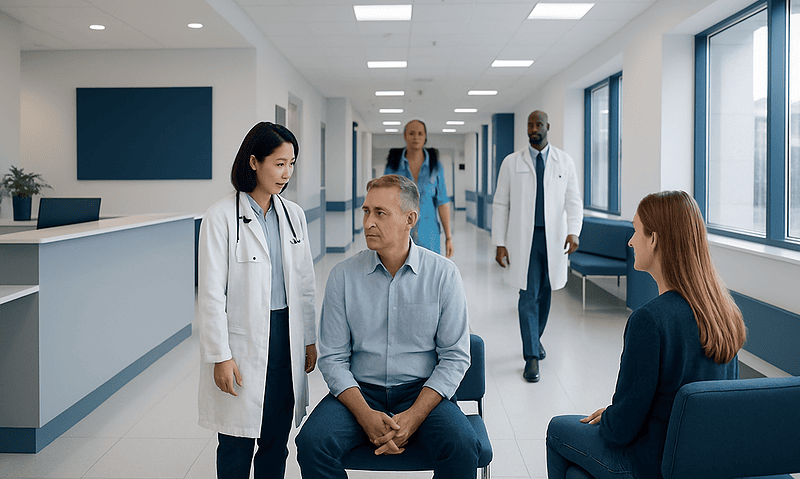
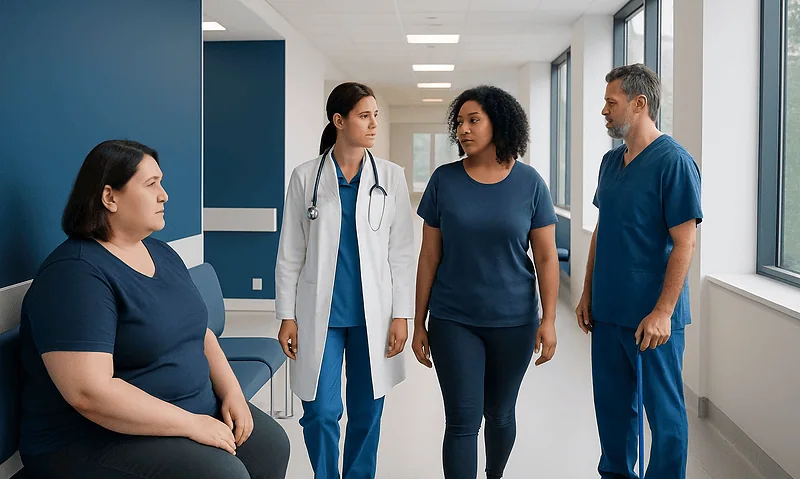
Orthopedic Department: What Services It Provides and How Care Is Coordinated
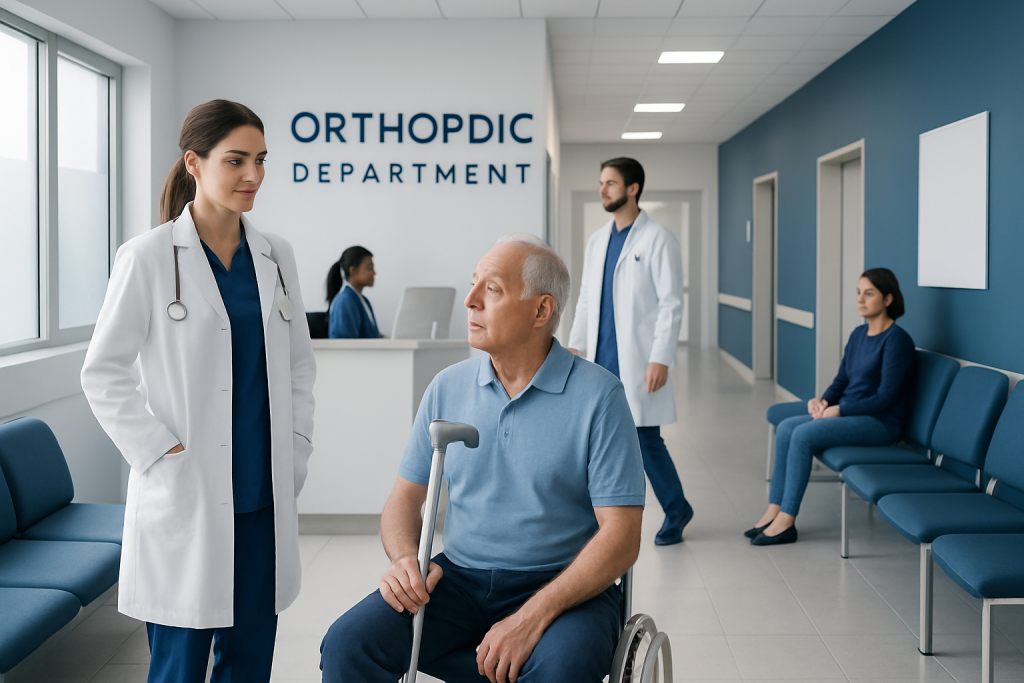
An orthopedic department manages injuries, degenerative conditions, deformities, and sports-related musculoskeletal problems. Services may include specialist consultations, imaging, non-surgical treatment, surgery, pain management, and rehabilitation.
Key Takeaways
- An orthopedic department manages injuries, degenerative conditions, deformities, and sports-related musculoskeletal problems.
- Services may include specialist consultations, imaging, non-surgical treatment, surgery, pain management, and rehabilitation.
- Coordinated care helps connect orthopedic surgeons with radiology, physical therapy, anesthesiology, and other specialists.
- Treatment plans are individualized based on symptoms, diagnosis, age, activity level, and overall health.
- Early evaluation can help reduce pain, improve mobility, and prevent worsening joint or spine problems.
An orthopedic department diagnoses and treats conditions affecting bones, joints, muscles, ligaments, tendons, and the spine. Care is usually coordinated by a multidisciplinary team so patients can move efficiently from evaluation to treatment, rehabilitation, and follow-up.
Overview: What an Orthopedic Department Does
An orthopedic department focuses on the musculoskeletal system. This includes bones, joints, cartilage, muscles, ligaments, tendons, and often the spine. The department’s role is to evaluate pain, stiffness, swelling, weakness, instability, injuries, and movement problems, then guide patients toward the most appropriate treatment.
Orthopedic care can be needed for sudden injuries such as fractures, dislocations, and ligament tears, as well as for long-term conditions like arthritis, back pain, tendon disorders, and age-related joint degeneration. Some patients need short-term treatment and rehabilitation, while others may need ongoing monitoring to maintain mobility and quality of life.
In modern practice, an orthopedic department is not only about surgery. Many patients improve with non-surgical care such as medication, bracing, injections, activity modification, and physical therapy. When surgery is recommended, it is usually one part of a broader care plan that also includes preoperative preparation and postoperative rehabilitation.
What Services Are Usually Provided
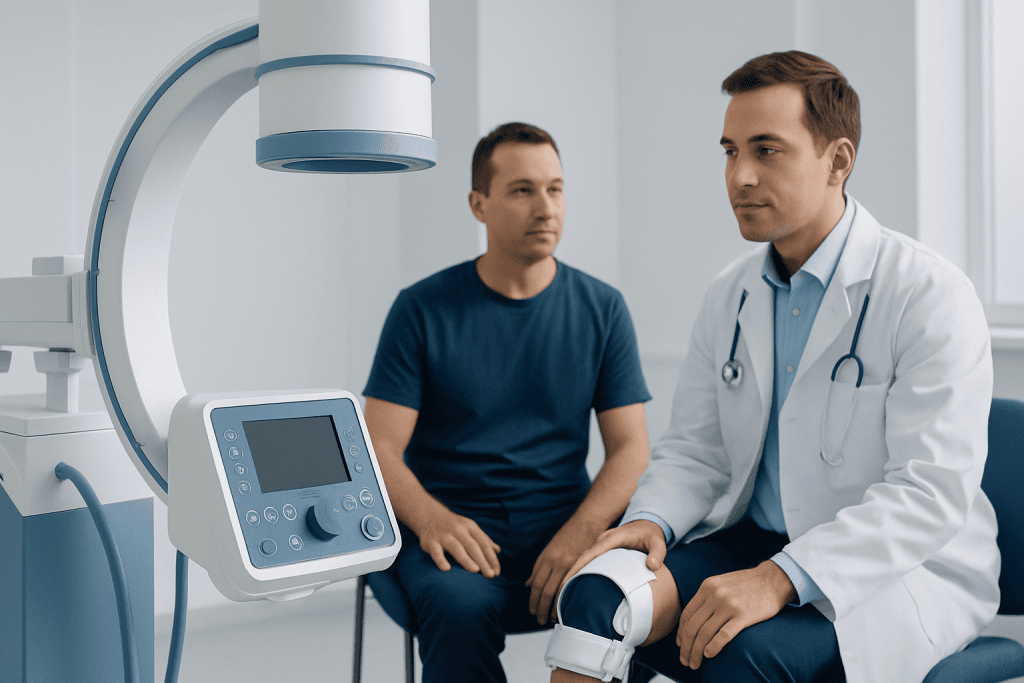
Orthopedic departments usually provide a wide range of services for both common and complex musculoskeletal problems. These services may be organized by body region, condition type, or patient age. Some departments also have dedicated clinics for sports injuries, hand problems, spine conditions, foot and ankle disorders, or pediatric orthopedic care.
Common services include specialist consultation, physical examination, review of imaging, treatment planning, non-surgical therapies, and surgical procedures when needed. Departments often work closely with radiology, pain medicine, rehabilitation, and laboratory services to support a complete diagnosis and treatment pathway.
Typical areas of care may include:
- Fracture and trauma care
- Joint pain and arthritis management
- Sports injury assessment and treatment
- Spine evaluation for back and neck problems
- Hand, wrist, elbow, shoulder, hip, knee, foot, and ankle care
- Pediatric orthopedic assessment
- Rehabilitation and mobility support
When appropriate, treatment may involve procedures such as knee replacement, hip replacement, or spine surgery. These are generally considered after careful evaluation and when more conservative measures have not provided enough relief or function.
Conditions Commonly Managed in Orthopedics
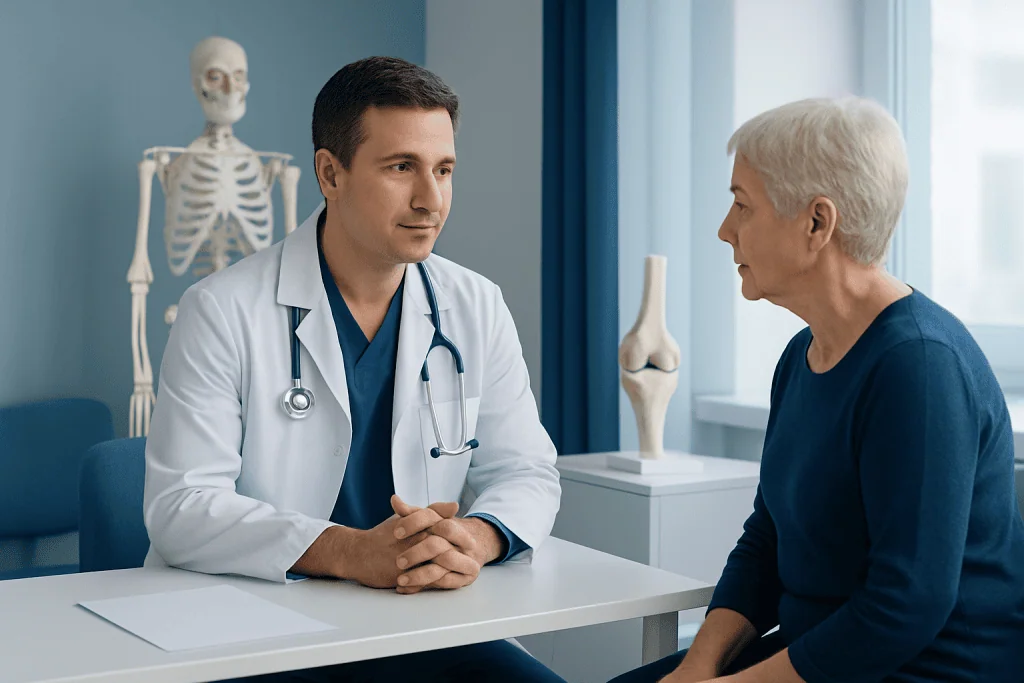
Orthopedic departments see patients with a broad range of conditions. Some are caused by acute injury, such as falls, sports accidents, or road traffic trauma. Others develop gradually from repetitive strain, poor biomechanics, aging, or inflammatory and degenerative joint disease.
Common examples include osteoarthritis, tendonitis, bursitis, meniscus injuries, rotator cuff tears, carpal tunnel syndrome, scoliosis, herniated discs, and chronic lower back pain. Departments may also diagnose bone infections, congenital limb differences, gait abnormalities, and osteoporosis-related fractures, depending on the hospital’s scope of services.
Many patients seek care because of persistent joint pain, limited range of motion, or instability that affects everyday activities such as walking, climbing stairs, lifting objects, working, or sleeping comfortably. Others are referred after an emergency injury or after unsuccessful treatment elsewhere.
Some services overlap with other specialties. For example, orthopedic teams may collaborate in the diagnosis and treatment of osteoarthritis or help evaluate movement limitations related to scoliosis. This shared approach can be especially helpful when symptoms involve more than one body system or when treatment decisions are complex.
How Diagnosis Is Organized
Care in an orthopedic department usually begins with a detailed medical history and physical examination. The doctor asks about the location of pain, how symptoms started, what makes them better or worse, and whether there is swelling, numbness, weakness, fever, or limited movement. Past injuries, previous operations, work demands, sports activity, and other medical conditions are also important.
Imaging is often a key part of diagnosis. Depending on the problem, this may include X-rays to assess bones and alignment, ultrasound for soft tissue structures, CT scans for detailed bone anatomy, or MRI to evaluate cartilage, ligaments, tendons, discs, and other soft tissues. Blood tests may sometimes be used when infection, inflammation, or metabolic bone disease is suspected.
In coordinated departments, these steps are organized to reduce delays and improve clarity. Radiologists, orthopedic specialists, and rehabilitation professionals may review findings together so the patient receives a treatment plan based on the full picture rather than on a single test result. This is especially useful for conditions that can mimic one another, such as hip pain coming from the spine or shoulder pain caused by tendon disease.
A clear diagnosis is important because the best treatment depends on the exact cause of symptoms. Two people with similar pain may need very different approaches based on age, activity level, imaging findings, and overall health.
How Orthopedic Care Is Coordinated
Coordinated care means that the different professionals involved in treatment communicate with one another and follow a shared plan. In an orthopedic department, this often includes orthopedic surgeons, physiatrists, anesthesiologists, radiologists, physical therapists, pain specialists, nurses, and sometimes rheumatologists, neurologists, or pediatric specialists. The aim is to make care more efficient, safer, and easier for the patient to understand.
For example, a patient with knee pain may first be assessed in clinic, then referred for imaging, started on physical therapy, and reviewed again after conservative treatment. If symptoms continue and surgery becomes an option, the same department can often coordinate preoperative testing, anesthesia review, the operation itself, early mobilization, pain control, and structured rehabilitation.
This coordinated model is especially important for complex cases, including multiple injuries, older adults with fractures, children with growth-related orthopedic problems, or patients who have both spine and joint symptoms. It helps reduce duplicated tests, supports better planning, and allows patients to ask questions at each stage of care.
Near the end of the care pathway, follow-up remains important. The team monitors healing, pain control, mobility, wound recovery if surgery was performed, and progress toward normal activities. Acibadem International’s multidisciplinary specialists and JCI-accredited hospitals also diagnose and treat orthopedic conditions for international patients through coordinated evaluation, treatment, and rehabilitation.
Treatment Options in an Orthopedic Department
Treatment depends on the diagnosis, severity of symptoms, patient preferences, and general health. Many orthopedic problems can be managed without surgery, especially when identified early. Non-surgical treatment may include rest, ice, supportive braces, physical therapy, anti-inflammatory medication, pain relief strategies, and guided exercise programs to improve strength, flexibility, and joint mechanics.
In some cases, doctors may recommend injections to reduce inflammation or pain in a specific joint or soft tissue structure. Lifestyle advice may also be part of treatment, including weight management, activity modification, footwear changes, workplace ergonomics, or safer sports technique. These measures can reduce stress on the joints and support recovery.
Surgery may be considered when there is significant structural damage, severe pain, worsening deformity, nerve compression, or failure of conservative treatment. Procedures may range from fracture fixation and tendon repair to arthroscopy and joint replacement. Depending on the diagnosis, a patient may be referred for arthroscopic surgery or other targeted interventions designed to restore stability, relieve pain, and improve movement.
After surgery, rehabilitation is often just as important as the procedure itself. Recovery plans may include wound care, graduated exercise, walking support, pain management, and regular follow-up visits. Good rehabilitation can help improve function and confidence while reducing stiffness and muscle loss.
Prevention, Self-Care, and Recovery Support
Not every orthopedic problem can be prevented, but many can be reduced or managed earlier with healthy habits. Regular physical activity helps maintain joint flexibility, muscle strength, bone health, and balance. Exercises that improve posture and core strength may be especially helpful for people with recurring back or neck strain.
Protecting the body during work, exercise, and daily tasks is also important. Warming up before activity, using proper sports equipment, lifting correctly, and avoiding repetitive overload can lower the risk of injury. For older adults, fall prevention measures such as supportive footwear, good lighting, and balance training can reduce fracture risk.
At home, self-care may include short-term rest after a minor strain, ice for swelling, and gradual return to activity rather than complete inactivity for long periods. However, persistent pain should not be ignored. Long-lasting symptoms can lead to compensation patterns, stiffness, deconditioning, and reduced quality of life if not assessed properly.
Patients recovering from orthopedic treatment often benefit from following their rehabilitation plan closely. Attending therapy sessions, doing prescribed home exercises, and respecting activity restrictions can support a safer and steadier recovery.
When to See a Doctor
A medical evaluation is advisable when pain, swelling, weakness, numbness, or limited movement does not improve with simple self-care, keeps returning, or interferes with work, sleep, walking, or daily activities. Joint instability, a visible deformity, or inability to bear weight also needs prompt assessment.
Urgent care is important after significant trauma, suspected fracture, dislocation, sudden loss of function, or symptoms of nerve compression such as progressive weakness or loss of bladder or bowel control. Fever together with severe joint pain, redness, or swelling should also be evaluated quickly because infection may need prompt treatment.
Children should be assessed when limping, bone pain, abnormal gait, spinal curvature, or limb alignment concerns persist. Older adults should seek help early after falls, even if symptoms seem mild at first, because some fractures may be less obvious initially.
Seeing an orthopedic specialist does not always mean surgery will be needed. In many cases, the visit helps clarify the diagnosis, rule out serious causes, and start a treatment plan that improves comfort, movement, and confidence.
Frequently asked questions
What is the main role of an orthopedic department?
An orthopedic department diagnoses and treats conditions affecting bones, joints, muscles, ligaments, tendons, and often the spine. Its role includes evaluation, non-surgical treatment, surgery when necessary, rehabilitation, and follow-up.
Do all patients seen in orthopedics need surgery?
No. Many orthopedic problems improve with non-surgical care such as physical therapy, medication, activity changes, braces, or injections. Surgery is usually considered only when symptoms are severe, structural damage is significant, or conservative treatment has not worked well enough.
Which doctors and professionals work together in orthopedic care?
Care may involve orthopedic surgeons, radiologists, anesthesiologists, physiatrists, physical therapists, nurses, and pain specialists. Depending on the condition, other experts such as rheumatologists, neurologists, pediatric specialists, or rehabilitation teams may also be involved.
What tests are commonly used in an orthopedic department?
The process often starts with a medical history and physical examination. Common tests include X-rays, MRI, CT, ultrasound, and sometimes blood tests, depending on whether the doctor suspects injury, arthritis, infection, inflammation, or another cause.
How is orthopedic care coordinated for patients?
Coordinated care means the different specialists share information and follow a common treatment plan. This can help patients move more smoothly through diagnosis, treatment, surgery if needed, rehabilitation, and recovery follow-up.
When should someone seek orthopedic care for joint or back pain?
A person should seek evaluation if pain lasts more than a short time, keeps returning, or limits daily activities. Prompt medical attention is especially important after injury, with inability to bear weight, visible deformity, numbness, weakness, or severe swelling.
References
- American Academy of Orthopaedic Surgeons
- National Institute of Arthritis and Musculoskeletal and Skin Diseases
- World Health Organization
- National Health Service
- MedlinePlus
This article is for general information only and is not a substitute for professional medical advice. Please consult a qualified doctor about your individual situation.
Joint and spine care in Turkey — expert assessment & treatment
JCI-accredited · board-certified surgeons · reply within 24h
Add us as a Preferred Source to see more of our trusted health content across Google Search, AI Overviews and Discover.

Orthopedics & Spine
Care for bones, joints and the musculoskeletal system, including joint replacement, sports injuries and trauma.
125 specialists in this unit