Orthopedic Second Opinion: When It Is Worth Getting One

An orthopedic second opinion can confirm a diagnosis and clarify treatment choices. It is often helpful before surgery, after ongoing pain, or when imaging findings are unclear.
Key Takeaways
- An orthopedic second opinion can confirm a diagnosis and clarify treatment choices.
- It is often helpful before surgery, after ongoing pain, or when imaging findings are unclear.
- A second opinion may suggest non-surgical care, a different procedure, or the same plan with greater confidence.
- Patients should bring imaging, test results, medication lists, and prior notes to the consultation.
- Seeking another opinion is common and can support informed, confident decision-making.
An orthopedic second opinion can help a person better understand a diagnosis, confirm whether a treatment plan is appropriate, and explore alternatives before making an important decision. It is often especially valuable when surgery is recommended, symptoms are not improving, or the diagnosis is unclear.
Overview
An orthopedic second opinion is a review of a bone, joint, muscle, ligament, tendon, or spine problem by another qualified specialist. Its purpose is not to undermine the first doctor, but to give the patient more information and confidence before moving forward with treatment. In many cases, the second specialist agrees with the original diagnosis and plan, which can be reassuring. In other cases, the review may identify additional tests, a different diagnosis, or a wider range of treatment options.
Orthopedic care often involves decisions that can affect mobility, pain, work, sports, and daily life. Because these decisions may include surgery, injections, rehabilitation, or long-term monitoring, many patients want to be sure they fully understand the benefits, risks, and alternatives. Asking for another expert opinion is a normal part of medical care, especially for complex or life-changing treatment choices.
A second opinion can be useful for many orthopedic concerns, including arthritis, sports injuries, fractures, spine problems, shoulder conditions, knee pain, hip disorders, and hand or foot conditions. It may also help when symptoms and imaging findings do not seem to match, or when recovery is slower than expected. The goal is to make sure the treatment plan fits the patient’s diagnosis, health status, activity level, and personal priorities.
When an Orthopedic Second Opinion Is Worth Getting
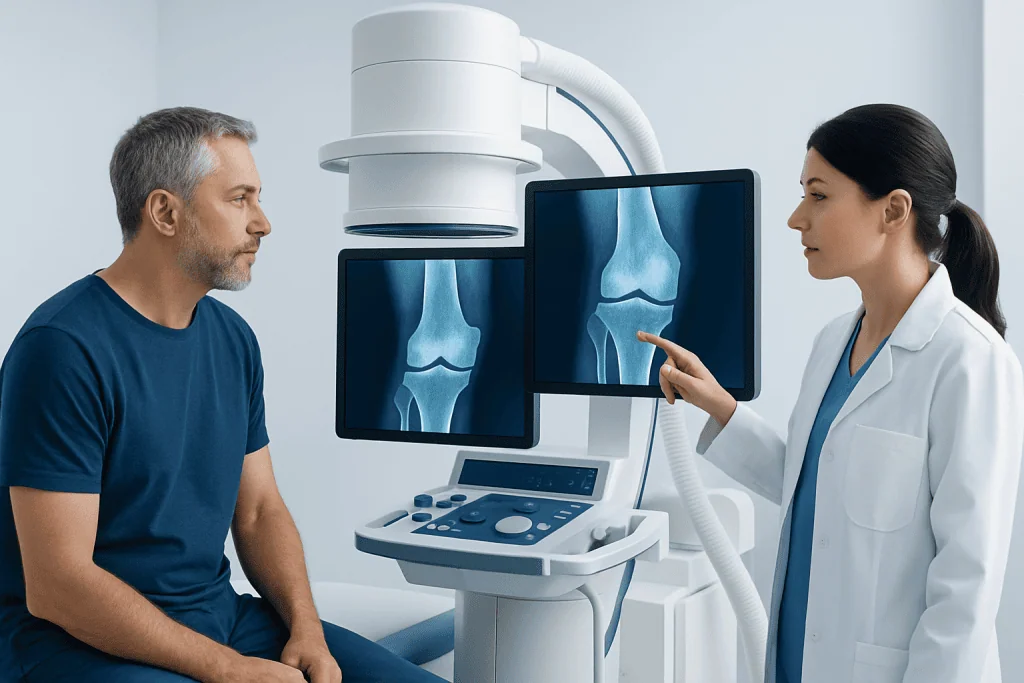
A second opinion is often worth seeking when surgery has been recommended. This does not mean surgery is wrong. It simply means the patient may benefit from confirming that the procedure is necessary, understanding whether less invasive options are available, and learning what recovery is likely to involve. This can be especially important before major operations such as knee replacement, hip replacement, or spine surgery.
It can also be helpful when a diagnosis is uncertain or symptoms continue despite treatment. For example, a person may have ongoing back pain, joint swelling, instability, numbness, or reduced movement even after rest, medication, physical therapy, or injections. In these situations, another specialist may review the physical examination, imaging, and previous treatments to determine whether something has been missed or whether a different strategy is more suitable.
Patients commonly look for a second opinion if they have been told they need urgent surgery but do not fully understand why, if they are offered several possible procedures, or if the expected outcome seems unclear. It may also be appropriate after a failed prior treatment, after complications, or when there is concern about returning safely to work or sport. A second opinion can be equally valuable for younger active patients, older adults with multiple health conditions, and anyone who wants to make a thoughtful decision.
- Surgery is recommended and the patient wants confirmation
- Pain or disability continues despite treatment
- The diagnosis is unclear or has changed over time
- Several treatment options are available and the choice is difficult
- There are concerns about recovery time, risks, or long-term results
- Past treatment has not worked as expected
What a Second Opinion Can Help Clarify
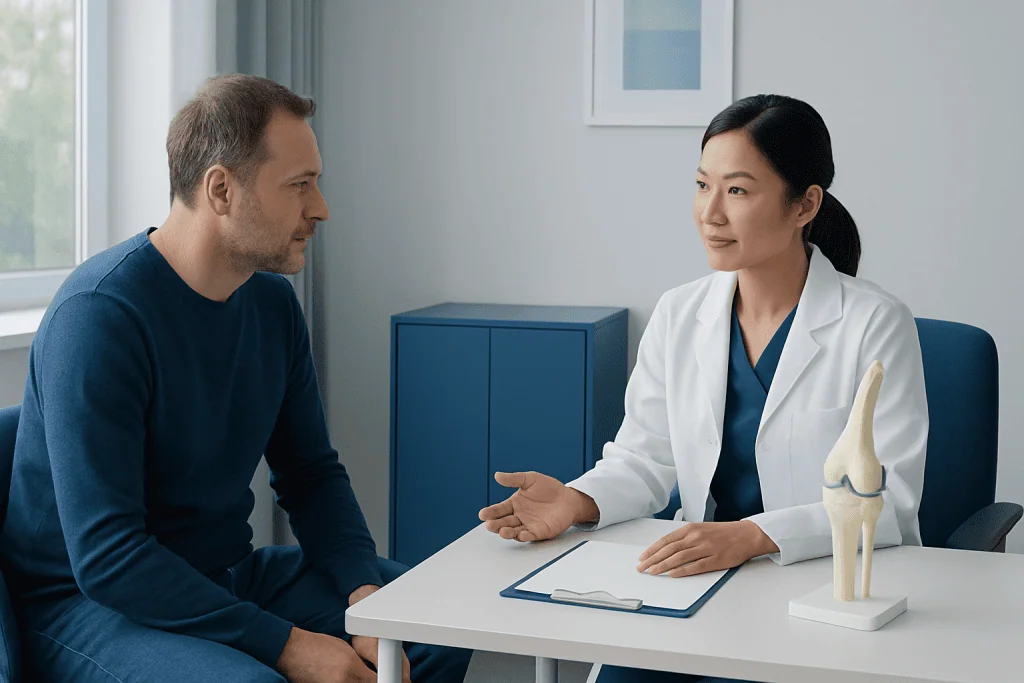
An orthopedic second opinion can clarify whether the diagnosis is correct. Some orthopedic symptoms overlap. For instance, hip problems can cause knee pain, nerve compression in the spine can mimic joint disease, and tendon injuries can be confused with arthritis or bursitis. Careful review of the patient’s symptoms, medical history, physical examination, and imaging may help separate these possibilities and explain the true source of pain or limited function.
It can also help clarify whether the timing and type of treatment are appropriate. In some cases, surgery may indeed be the best option. In others, non-surgical approaches such as structured physical therapy, medication review, bracing, guided exercise, activity modification, or image-guided injections may be reasonable first steps. A second specialist may explain why one option is preferred over another and how treatment goals differ for pain relief, function, stability, or joint preservation.
Another important benefit is better understanding of risks, benefits, and recovery. Orthopedic procedures vary in how invasive they are and in the amount of rehabilitation they require. A second opinion can help a person understand realistic expectations, possible complications, and what recovery may look like at home, at work, and during exercise. Even when the second doctor recommends the same treatment, clearer explanations often make the next step easier to accept.
How the Evaluation Is Done
During a second-opinion visit, the specialist usually reviews the full history of the problem, including when symptoms began, what makes them better or worse, and what treatment has already been tried. The doctor may ask about prior injuries, surgeries, work demands, sports participation, and other medical conditions that can affect healing or surgical risk. A fresh physical examination is also important because strength, joint alignment, stability, range of motion, and nerve function can provide essential clues.
The doctor will typically review prior tests such as X-rays, MRI scans, CT scans, ultrasound studies, blood tests, and operative reports if surgery has already been performed. Sometimes the original tests are enough. In other situations, repeat or additional imaging may be recommended if the quality is limited, if symptoms have changed, or if a more detailed view is needed. For example, evaluation for scoliosis or degenerative spine disease may require standing imaging, while a suspected soft-tissue injury may need high-quality MRI review.
At the end of the visit, the specialist may confirm the original diagnosis, suggest a different diagnosis, or present several treatment paths. They may also explain whether watchful waiting is reasonable or whether delaying treatment could reduce the chance of a good result. The purpose is to provide a balanced medical assessment so the patient can make an informed decision together with their care team.
Questions to Ask During an Orthopedic Second Opinion
Patients often get the most value from a second opinion when they prepare questions in advance. Bringing a written list can help because orthopedic appointments may include a lot of information. Clear questions can make it easier to compare the first and second opinions and understand whether the main differences relate to diagnosis, urgency, treatment type, or expected recovery.
Useful questions may include whether the diagnosis is certain, what other conditions could be causing the symptoms, whether surgery is necessary now, and what non-surgical options remain. It is also reasonable to ask about the expected benefits of treatment, the main risks, how long recovery may take, and what level of pain relief or function can realistically be expected. If surgery is advised, patients may want to ask whether there are minimally invasive options or whether a more specialized procedure is needed, such as arthroscopy for selected joint problems.
Practical issues are important too. A patient may ask what type of rehabilitation will be needed, when they might return to driving, desk work, physical work, or sports, and what warning signs should prompt urgent follow-up. If there is disagreement between doctors, the patient can ask why the recommendations differ and which parts of the evidence are most important in making the decision.
- Is the diagnosis definite, or are there other likely causes?
- Do I need surgery, and if so, why now?
- What are the non-surgical alternatives?
- What are the benefits, risks, and recovery timeline?
- What happens if I wait or monitor the condition?
- How will treatment affect daily life, work, and activity?
How to Prepare and Get the Most From the Visit
Preparation can make a second-opinion consultation more useful and more efficient. Patients should bring all relevant medical records if possible, including clinic notes, imaging reports, actual scan images on disc or digital access, laboratory results, operative reports, and a list of current medicines and allergies. If braces, orthotics, or mobility aids are used, these may also be worth bringing so the specialist can see how the condition is being managed.
It helps to summarize the symptom timeline in a simple way: when the problem started, whether it followed an injury, which treatments have already been tried, and how symptoms have changed. Patients should mention what matters most to them, such as pain relief, preserving joint motion, returning to a sport, avoiding surgery if possible, or planning treatment around work or caregiving responsibilities. These priorities can influence which treatment option is most appropriate.
Many people worry that seeking another opinion may offend their current doctor. In practice, second opinions are common in orthopedics and are generally viewed as a responsible step. If desired, the patient can ask for records directly and let both teams know they want a clear comparison before deciding. Near the end of the process, some patients benefit from asking their doctors to communicate with each other, especially in complex cases such as deformity, revision surgery, or conditions like osteoarthritis that have several valid management approaches.
When to See a Doctor Promptly
While many orthopedic decisions allow time for careful comparison, some symptoms need prompt medical attention rather than a delayed second-opinion process. A person should seek urgent assessment for severe pain after trauma, inability to bear weight, a visibly deformed limb or joint, sudden weakness, loss of bowel or bladder control, rapidly worsening numbness, signs of infection such as fever with a hot swollen joint, or poor circulation in an arm or leg. These problems can indicate an emergency or a condition in which earlier treatment matters.
For non-emergency problems, it is reasonable to arrange an orthopedic review if pain lasts more than expected, mobility is getting worse, sleep is being affected, or work and daily activities are becoming difficult. Early evaluation may help prevent long periods of ineffective treatment and may improve planning for rehabilitation or surgery if that becomes necessary.
If specialist care is needed, experienced centers can coordinate imaging review, orthopedic consultation, rehabilitation input, and surgical planning when appropriate. Acibadem International’s multidisciplinary specialists and JCI-accredited hospitals diagnose and treat orthopedic conditions for international patients, including cases that require complex review before treatment decisions are made.
Frequently asked questions
Why would someone get an orthopedic second opinion?
People often seek an orthopedic second opinion to confirm a diagnosis, compare treatment options, or feel more confident before surgery. It can also help when symptoms persist, recovery is slow, or the reason for pain is unclear.
Does getting a second opinion mean the first doctor was wrong?
No. In many cases, the second specialist agrees with the first recommendation, which can provide reassurance. When opinions differ, the difference may reflect more than one reasonable treatment approach rather than a mistake.
Is it worth getting a second opinion before orthopedic surgery?
Yes, many patients find it worthwhile before major orthopedic surgery. It can help confirm that surgery is needed, clarify the type of procedure recommended, and explain alternatives, risks, and recovery expectations.
What should a patient bring to an orthopedic second-opinion appointment?
It is helpful to bring imaging reports and image files, clinic notes, blood test results, operative reports, and a list of medications and allergies. A short timeline of symptoms and previous treatments can also make the consultation more productive.
Can a second opinion recommend non-surgical treatment instead?
Yes. Depending on the diagnosis, another specialist may suggest physical therapy, activity changes, medication review, bracing, injections, or continued monitoring before considering surgery. This depends on the patient’s symptoms, examination findings, imaging, and goals.
How quickly should a second opinion be arranged?
For non-urgent conditions, it is often reasonable to take time to gather records and arrange a review before making a decision. However, severe injury, sudden weakness, inability to walk, infection signs, or loss of bowel or bladder control need prompt medical care rather than delay.
References
- American Academy of Orthopaedic Surgeons
- National Institute for Health and Care Excellence
- National Health Service
- OrthoInfo
- MedlinePlus
This article is for general information only and is not a substitute for professional medical advice. Please consult a qualified doctor about your individual situation.
Joint and spine care in Turkey — expert assessment & treatment
JCI-accredited · board-certified surgeons · reply within 24h
Add us as a Preferred Source to see more of our trusted health content across Google Search, AI Overviews and Discover.

Orthopedics & Spine
Care for bones, joints and the musculoskeletal system, including joint replacement, sports injuries and trauma.
125 specialists in this unitMore from the Health Library

Related Specialists

Dt. Sinem Uzuner
Oral & Dental Health
Dr. Serkan Tokgönül
Aesthetic Plastic & Reconstructive Surgery
Dt. Beril Karakaya Gökçimen
Oral & Dental Health
Dr. Taner Bayraktar
Emergency Service