Oxygen Injection: How It Works, Results and What to Expect

Medical oxygen is generally breathed in, not injected into the bloodstream or tissues. Oxygen therapy is used when tests show low blood oxygen or when a clinician believes it is needed for a specific medical condition.
Key Takeaways
- Medical oxygen is generally breathed in, not injected into the bloodstream or tissues.
- Oxygen therapy is used when tests show low blood oxygen or when a clinician believes it is needed for a specific medical condition.
- The benefit may be rapid in acute low-oxygen states, while symptom improvement in chronic lung disease can take longer and varies by person.
- Oxygen is a medicine: using too much, too little or using it near flames can be dangerous.
- New or worsening breathlessness, blue-grey lips, confusion or chest pain needs urgent medical assessment.
Oxygen injection is a term sometimes used online for oxygen treatment, but oxygen is usually delivered by nasal tubing, a face mask or a ventilator rather than injected into a vein or muscle. Supplemental oxygen can safely improve low blood oxygen levels when it is prescribed, fitted and monitored by a qualified healthcare professional.
Oxygen Injection: What the Term Usually Means
An “oxygen injection” is not a standard medical treatment for low oxygen levels. In evidence-based respiratory care, oxygen is usually given as supplemental oxygen that a person breathes through a nasal cannula, face mask, high-flow device or, in severe illness, a breathing machine. This increases the amount of oxygen available in the lungs and bloodstream.
Injecting gas directly into a blood vessel is unsafe and can cause a potentially life-threatening air or gas embolism. Likewise, injections marketed as oxygen-based wellness, beauty or energy treatments are not substitutes for medical oxygen therapy and should not be used to treat breathlessness, fatigue or suspected low blood oxygen.
Oxygen therapy may be temporary during an infection, surgery or acute illness, or long term for selected people with chronic respiratory or heart conditions. The right approach depends on the underlying cause, oxygen measurements, symptoms and the person’s overall health.
How Oxygen Therapy Works and Who May Need It
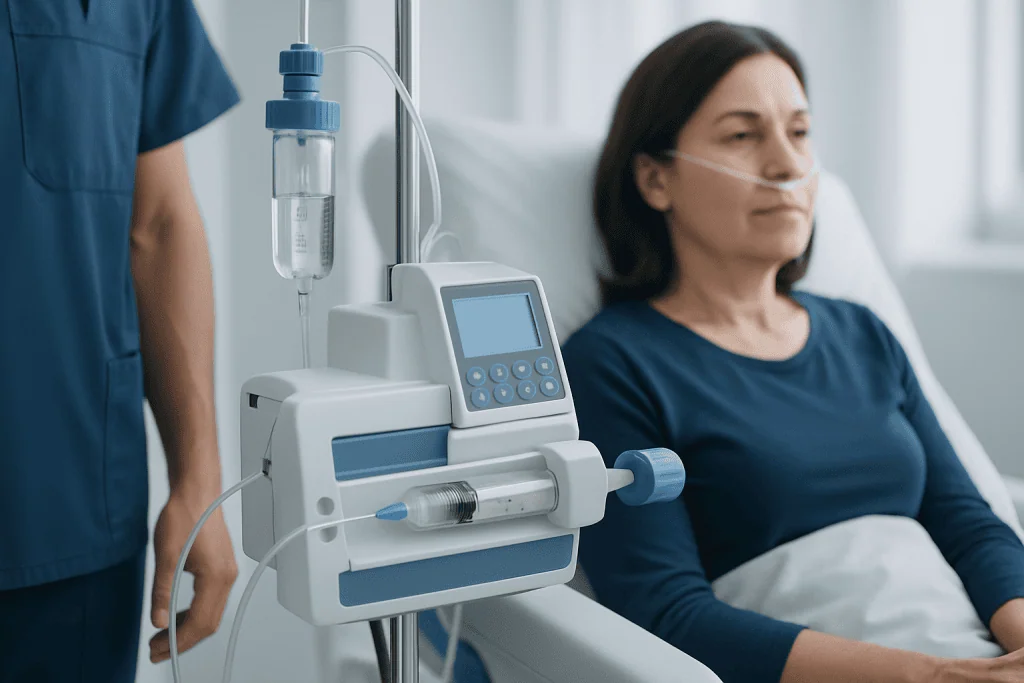
When a person breathes, oxygen passes from the air sacs of the lungs into the blood. Lung disease, severe infection, heart problems, sleep-related breathing disorders and some other conditions can reduce this transfer. Supplemental oxygen raises the concentration of oxygen in the air being breathed, helping the blood carry more oxygen to organs and tissues.
Clinicians use measurements such as pulse oximetry, arterial blood gas testing and, when appropriate, exercise or sleep testing to decide whether oxygen is needed. A pulse oximeter reading alone does not establish a diagnosis: skin temperature, circulation, nail products, movement and device limitations can affect results, and targets may differ between patients.
People who may be assessed for oxygen include those with chronic obstructive pulmonary disease (COPD), pneumonia, severe asthma, pulmonary fibrosis, heart failure, pulmonary embolism, sleep apnea or acute respiratory illness. Oxygen treats low oxygen levels; it does not by itself cure the condition causing them.
- Short-term oxygen may be used in hospital or during recovery from an acute illness.
- Ambulatory oxygen may be considered for people whose levels fall with activity.
- Long-term home oxygen may be prescribed after careful assessment in chronic, documented hypoxemia.
What Are the Signs That Oxygen Therapy Is Needed?

Possible signs of low oxygen include shortness of breath, rapid breathing, reduced ability to exercise, unusual fatigue, headache, dizziness, confusion, restlessness or blue-grey discoloration of the lips, face or fingertips. However, these symptoms can have many causes, and some people with low oxygen have few noticeable symptoms.
A healthcare professional should assess persistent or worsening breathlessness, particularly when it limits ordinary activities or occurs at rest. They may check oxygen saturation, listen to the lungs, order blood tests or imaging, and evaluate for conditions such as infection, asthma, COPD flare-up, anemia or heart disease.
Emergency assessment is important for severe difficulty breathing, chest pain, fainting, new confusion, inability to speak in full sentences, or blue-grey lips or face. These symptoms should not be managed by starting borrowed or non-prescribed oxygen at home.
What to Expect During Oxygen Therapy
Before oxygen is started, the care team confirms the likely cause of low oxygen and chooses an appropriate delivery method. A nasal cannula is lightweight tubing that rests beneath the nostrils and is often used for lower-flow oxygen. A face mask may be used when a different concentration or higher flow is needed. In hospital, high-flow nasal oxygen, non-invasive ventilation or invasive ventilation may be needed for serious respiratory failure.
For home treatment, a clinician or respiratory therapist explains the prescribed flow, when to use oxygen and how to operate the equipment. The source may be an oxygen concentrator, portable concentrator or oxygen cylinder. Patients should use the settings exactly as prescribed and attend follow-up reviews, since needs can change as the underlying condition improves or progresses.
Starting oxygen is usually painless. Some people notice nasal dryness, skin pressure around the ears or a sense of unfamiliarity while adapting to tubing or a mask. Humidification, skin protection and equipment adjustments may help, but these should be discussed with the treating team.
For people requiring evaluation, education and an individualized plan, oxygen therapy is coordinated with treatment of the underlying respiratory, cardiac or sleep-related condition.
How Long Does It Take for Oxygen Therapy to Work?
Oxygen levels may improve within minutes after appropriately prescribed oxygen is started, particularly when the problem is acute low blood oxygen. Breathlessness, fatigue and mental clarity may also improve, but the timing depends on why oxygen is low and whether the underlying cause is being treated.
For example, a person with pneumonia may need oxygen while antibiotics and supportive care address the infection. Someone with chronic lung disease may have better exercise tolerance with prescribed oxygen, but may still experience breathlessness because lung damage, airway narrowing, muscle deconditioning or anxiety can contribute to symptoms.
Oxygen should not be viewed as a quick fix for every episode of breathlessness. If symptoms fail to improve, worsen, or occur with chest pain, drowsiness or confusion, prompt reassessment is needed. The flow rate should never be adjusted independently unless the clinician has provided a specific action plan.
Benefits, Risks and the Biggest Mistake When Using Oxygen
The central benefit of oxygen therapy is correction of clinically significant low blood oxygen. In the right patient, it can reduce strain caused by hypoxemia, support recovery during illness and help some people remain active or sleep more comfortably. Its usefulness depends on accurate diagnosis, the correct device and appropriate monitoring.
The biggest mistake when using oxygen is treating it as harmless or self-prescribing it without medical guidance. Too little oxygen may not correct hypoxemia, while excessive oxygen can be harmful in some people, including certain patients with chronic carbon dioxide retention. Oxygen should be used at the prescribed flow and schedule, not based solely on how breathless a person feels.
Oxygen also strongly supports combustion. Smoking, vaping, candles, gas flames, sparks and open fires must be kept away from oxygen equipment. Tubing should be checked for kinks, equipment should be maintained as instructed, and users should have an emergency plan for travel and power interruptions if they rely on a concentrator.
- Common practical effects include nasal dryness, nosebleeds, skin irritation and tripping hazards from tubing.
- Mask use can occasionally cause pressure areas or claustrophobic feelings.
- Rare but important concerns include worsening carbon dioxide retention in susceptible patients and fire-related injury if safety rules are ignored.
Life Expectancy After Being Put on Oxygen
Being prescribed oxygen does not, by itself, determine life expectancy. It indicates that a clinician has identified low oxygen or a situation where supplemental oxygen may be needed. Outlook is shaped mainly by the underlying illness, its severity, response to treatment, other health conditions, smoking status, nutrition, physical function and access to ongoing care.
For some people, oxygen is a short-term measure during recovery and can be stopped after reassessment. For others with advanced chronic lung or heart disease, long-term oxygen is part of symptom management and may improve outcomes when used for clearly documented, severe chronic hypoxemia. A treating clinician is best placed to discuss an individual prognosis.
It can help to ask the care team what is causing the low oxygen, whether the need may be temporary, how treatment goals will be reviewed and which symptoms should prompt urgent help. Pulmonary rehabilitation, smoking cessation support and treatment of the underlying condition may be important parts of care alongside oxygen.
When to Seek Medical Care
Medical review is recommended for new, persistent or worsening shortness of breath, repeated low pulse-oximeter readings, sleep-related breathing concerns, reduced exercise tolerance or a new need to pause frequently during routine activity. A clinician can determine whether oxygen is appropriate and investigate the cause rather than relying on an oxygen product alone.
Emergency care is needed for severe breathlessness, chest pain or pressure, fainting, severe drowsiness, new confusion, coughing up blood, or blue-grey discoloration of the lips or face. If a person already uses oxygen and has a sudden decline, they should follow their prescribed emergency plan and seek urgent help rather than repeatedly increasing the oxygen flow on their own.
Acibadem International’s multidisciplinary specialists and JCI-accredited hospitals evaluate respiratory symptoms and coordinate treatment for international patients, including oxygen assessment where clinically appropriate. Care may also include pulmonary rehabilitation to support breathing, activity and recovery when advised by the treating team.
Frequently asked questions
Is oxygen injection a real treatment?
Oxygen is not normally injected into the body to treat low blood oxygen. Standard medical oxygen treatment is inhaled through devices such as nasal tubing or a mask. Injecting gas into a blood vessel is dangerous and is not a treatment for breathlessness or fatigue.
Can I use oxygen if I feel short of breath?
Shortness of breath should be assessed because it may result from lung, heart, blood, anxiety-related or other conditions. Oxygen is helpful when low blood oxygen is present or when a clinician recommends it for a specific reason. Using non-prescribed oxygen may delay diagnosis and can be unsafe for some people.
How long does it take for oxygen therapy to work?
Blood oxygen levels can improve within minutes when the correct amount of oxygen is delivered. Improvement in symptoms varies with the cause of the low oxygen and with treatment of the underlying illness. Worsening symptoms despite oxygen require urgent medical advice.
What is the biggest mistake when using oxygen?
The biggest mistake is changing oxygen use without medical guidance or assuming it is harmless. Patients should use the prescribed flow and schedule, avoid smoking and flames, and ensure their equipment is used correctly. Oxygen needs should be reviewed by the clinical team rather than adjusted independently.
What is the life expectancy after being put on oxygen?
Oxygen therapy alone does not predict life expectancy. Prognosis depends on the disease causing low oxygen, its severity, treatment response and a person’s overall health. A clinician who knows the individual’s diagnosis can provide the most meaningful outlook.
What are the signs that oxygen therapy is needed?
Possible signs include breathlessness, rapid breathing, low exercise tolerance, confusion, unusual sleepiness and blue-grey lips or fingertips. These signs are not specific to low oxygen, so testing and clinical assessment are important. Severe breathing difficulty, chest pain or new confusion needs emergency care.
References
- World Health Organization
- American Thoracic Society
- National Heart, Lung, and Blood Institute
- Global Initiative for Chronic Obstructive Lung Disease
- National Institute for Health and Care Excellence
This article is for general information only and is not a substitute for professional medical advice. Please consult a qualified doctor about your individual situation.
Persistent digestive symptoms? Get evaluated in Turkey
JCI-accredited · board-certified surgeons · reply within 24h
Add us as a Preferred Source to see more of our trusted health content across Google Search, AI Overviews and Discover.

More from the Health Library



Related Specialists

Prof. Dr. Metin Keskin
General Surgery
Mehmet Akif Aracı
Physical Medicine & Rehabilitation
Dr. Emre Çakır
Ophthalmology
Dr. Ömür Albayrak
Vitro Fertilization and Reproductive Medicine Center